How Thick Should a Yoga Mat Be? Answer Four Questions and Find Out

Find Your Ideal Yoga Mat in 4 Questions
1. What do you practise most?
Vinyasa flow power
Yin restorative slow
Hot yoga
A bit of everything
2. Where does the mat live?
One corner of my home permanently
I carry it to the studio
It goes in a suitcase
3. How are your knees and wrists?
Fine and I want to feel the floor
They complain in kneeling poses
Genuinely sensitive
4. Beyond that, what matters most?
Buy once and never again
Grip when my hands are wet
Natural materials no plastic
Light enough to carry
Your Match: 4mm Standard Mat
The versatile sweet spot balancing stable floor connection and reliable cushioning for everyday flow.
Your Match: 5mm Joint-Friendly Mat
Extra reassurance for wrists and knees without compromising balance during standing postures.
Your Match: 6mm High-Density Mat
Dense, long-lasting resilience that supports heavy weight bearing without bottoming out.
Your Match: Extra Cushion Mat
Maximum padding for slow floor sessions, Yin, and extended restorative postures.
Your Match: Cork Mat
Naturally antimicrobial surface with superior traction that gains grip as moisture builds.
Your Match: 1.5mm Travel Mat
Ultralight, foldable design engineered to slip cleanly into your suitcase or over studio mats.
Most people buy a mat by the millimetre number on the label, and that number is only half the answer. A dense 4mm natural rubber mat protects your knees better than a soft 6mm foam one, because the soft one flattens under you and leaves you on the floor anyway.
Choosing a yoga mat feels deceptively simple until you confront the millimeter scale. A 3mm mat and a 6mm mat look almost identical online, but under your knees during a long hold, they are different worlds.
The real question is not which thickness is best, but which trade-off you can live with. More cushion means less ground connection for standing balances. A featherlight travel mat sacrifices joint comfort for portability.
This guide translates thickness into practice, mapping specific millimeter ranges to your yoga style, body sensitivity, and where you unroll your mat. No generic advice, no universal winner. Just the honest compromises of each depth, so you can find the one that supports your practice without hiding the floor from you.
Density vs. Thickness: What Actually Determines Floor Feel
When evaluating a yoga mat thickness guide, numbers tell only part of the story. Two mats labeled 5mm can feel completely different under your body, and the explanation lies in a single factor: density. Most buyers fixate on the millimeter measurement while overlooking the material property that truly governs whether you'll feel the floor or float above it. Understanding this distinction prevents the most common purchasing mistake-ending up with a thick mat that still bottoms out or a thin mat that provides unexpected support.
Low-density foam, common in budget PVC and EVA mats, compresses easily under body weight. In a standing forward fold, the heel of your palm may sink directly through a 6mm low-density mat until you feel the hardwood underneath. The cushioning number on the label becomes irrelevant if the material cannot resist your weight. Dense natural rubber, by contrast, pushes back. A well-made 4mm rubber mat often provides a more reliable buffer between your knees and the floor than a plush-looking 6mm foam alternative because its cellular structure resists collapse.
The practical difference shows up most clearly in weight-bearing poses. During Anjaneyasana (low lunge), your back knee loads significant pressure onto a small contact area. A high-density mat spreads that load and rebounds quickly when you lift off. A low-density mat compresses and stays compressed, creating a temporary divot that compromises the evenness of your surface. This is why practitioners occasionally report that their “thick” mat feels surprisingly hard after a few minutes: they have compressed the cushioning layer completely flat.
To assess density when shopping, look for manufacturer specifications on material weight per square meter. Higher mass at the same thickness indicates greater density. The practical test when you are shopping: a good mat feels heavy for its thickness. Pinch it between thumb and forefinger and it should resist. If it squashes flat between two fingers, it will squash flat under your knee. Rolled tightness is another proxy indicator. A mat that feels heavy for its thickness and resists compression when pinched between thumb and forefinger suggests durable, dense construction.
Dense natural rubber pushes back. It spreads the load across a wider area and rebounds the moment you lift off, so the surface stays even for the whole practice. This is why a well-made 4mm rubber mat outperforms a plush-looking 6mm foam one. Ask: whether the listed weight per square meter matches the cushioning promise on the label. Dense materials protect joints by distributing pressure across a wider area, not by simply adding millimeters of softness. The best mat does not distance you from the ground-it changes how the ground meets you, millimeter by resistant millimeter.
Your mat is the single point of contact between body and floor. Thickness determines cushioning, but stability matters equally-too plush and you'll lose balance in a standing sequence. Most practitioners find their rhythm around 4mm to 5mm. That range gives enough padding for hip bones and wrists without compromising ground feel. If you're uncertain where to start, pick up a 4mm mat. It's the industry standard for good reason.
How to Decide: Finding Your Sweet Spot
Your ideal mat thickness balances three core factors: your practice style, your physical priorities, and where you plan to unroll it.
Your practice: dynamic flows like Vinyasa thrive on a thinner mat that keeps you grounded. Restorative or Yin yoga, with long-held floor postures, benefits from extra cushion.
Your priorities: if stability and a firm connection to the floor matter most, choose 3-4mm. If you have sensitive knees or wrists, a 5-6mm mat can offer welcome relief without excessive wobble.
Your reach: travel mats at 1.5mm are light and easy to carry. Heavier 6mm+ mats are best for a dedicated home practice where portability isn't a concern. Think about whether you'll be carrying it to a studio or just unrolling it in the same corner.
No single thickness works for every body and every style.
For most beginners, a 4mm mat is the smartest place to start. It delivers essential cushioning without hiding what your feet are doing. Overly plush mats obscure foot engagement and alignment feedback, which are the fundamental skills beginners are actively trying to learn.
Our Top Picks: Yoga Mat Thickness Categories
Finding the right balance between joint protection and stability comes down to tested materials and precise thickness. These natural rubber and organic cork options highlight the best options across every depth profile.
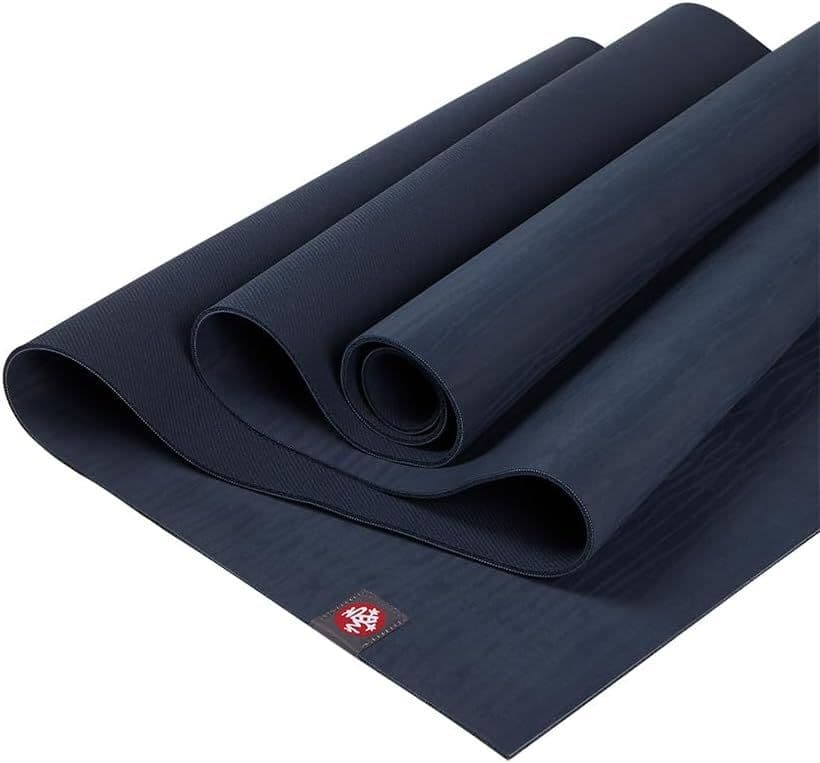
Manduka eKO Lite 4mm
The Manduka eKO Lite delivers natural rubber traction with a 4mm depth that provides steady grounding for active vinyasa flows.
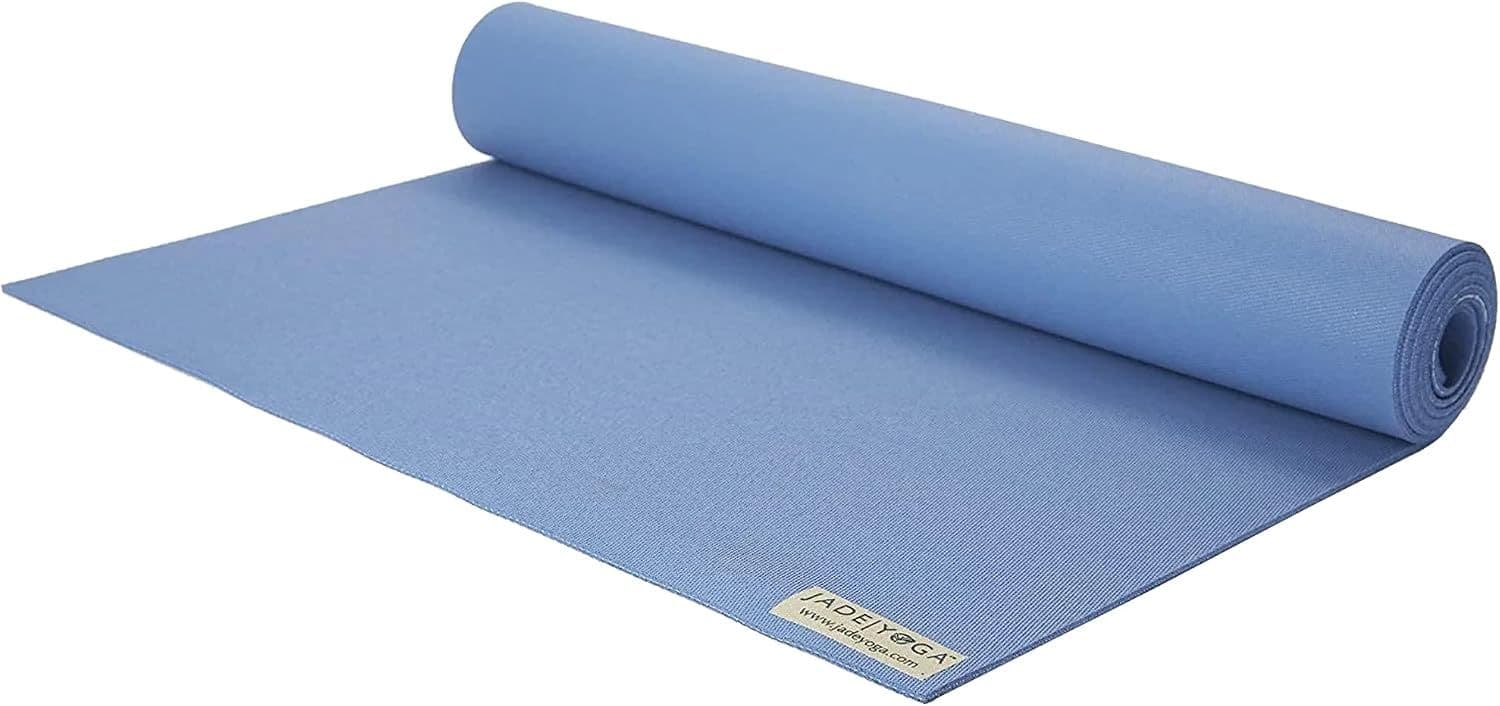
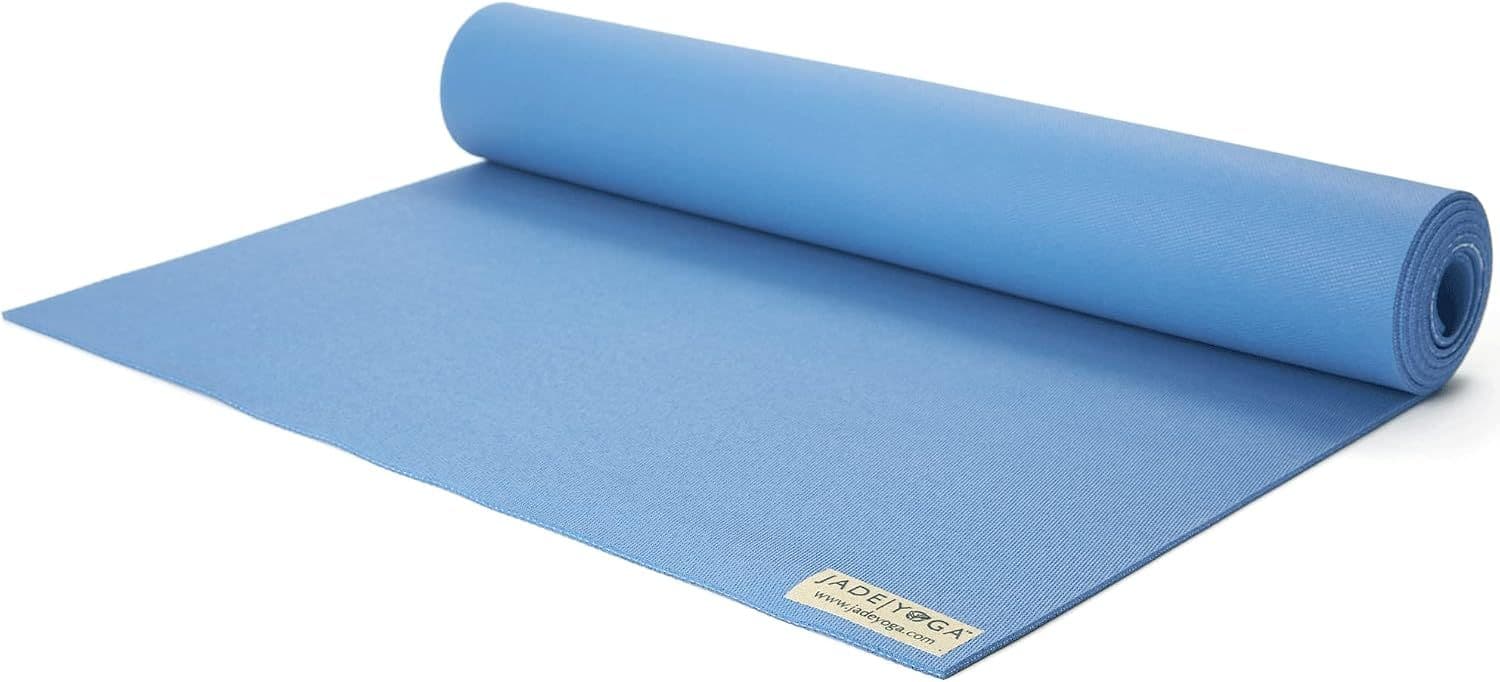
Jade Harmony Professional 5mm
Crafted from open-cell natural rubber, this 5mm mat gives sensitive knees and wrists reliable pressure relief while maintaining steady balance during standing postures.
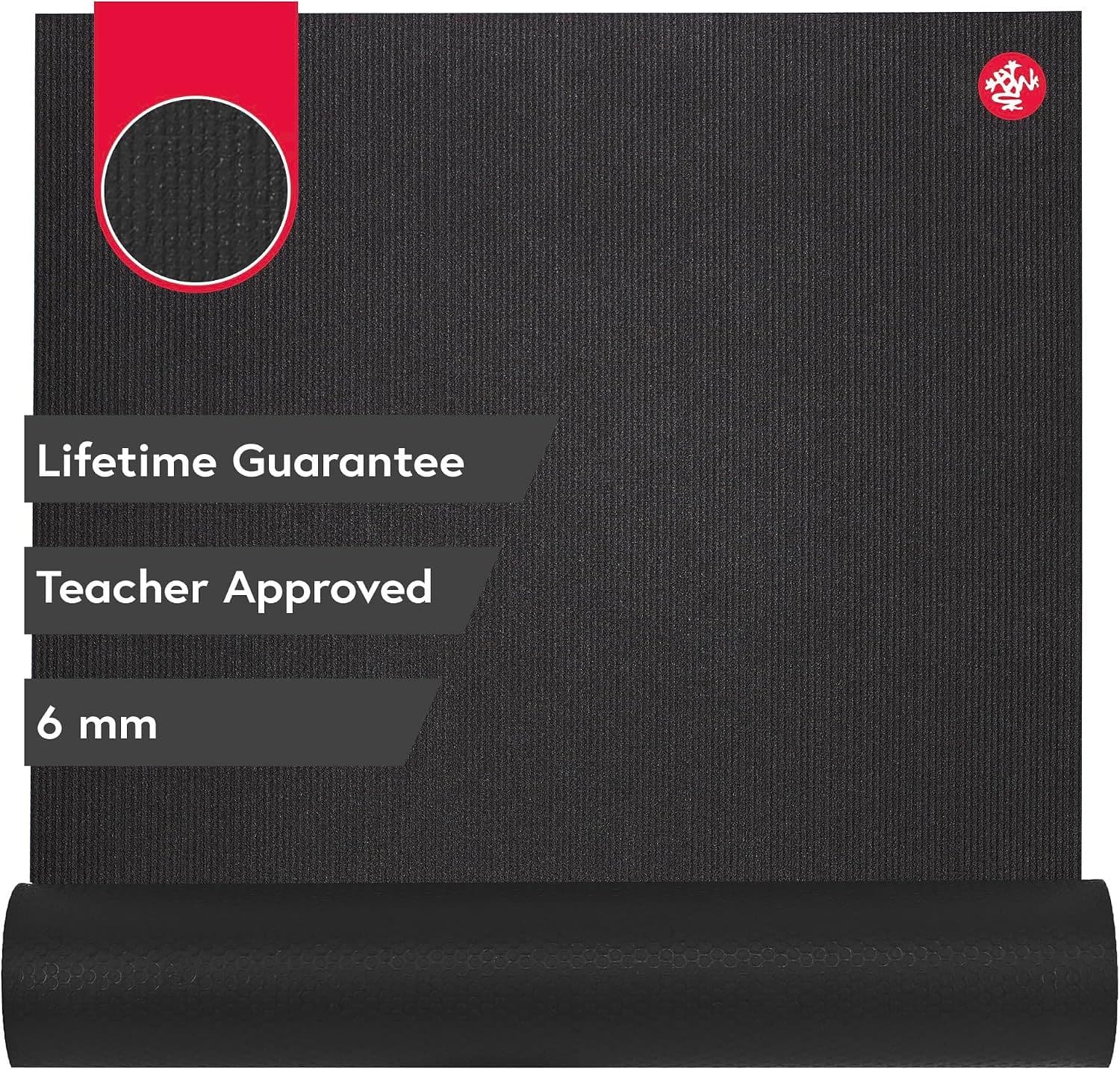
Manduka PRO 6mm
High-density construction ensures this 6mm mat supports deep weight bearing without flattening, creating unmatched longevity for home studio routines.
Jade Fusion
At 8mm thick, the Jade Fusion uses resilient natural rubber to protect joints during slow floor work, restorative routines, and Pilates sessions.
Yoloha Original Cork Yoga Mat
Featuring a sustainable cork top backed by dense natural rubber, this mat provides naturally antimicrobial grip that gains traction under sweaty conditions.
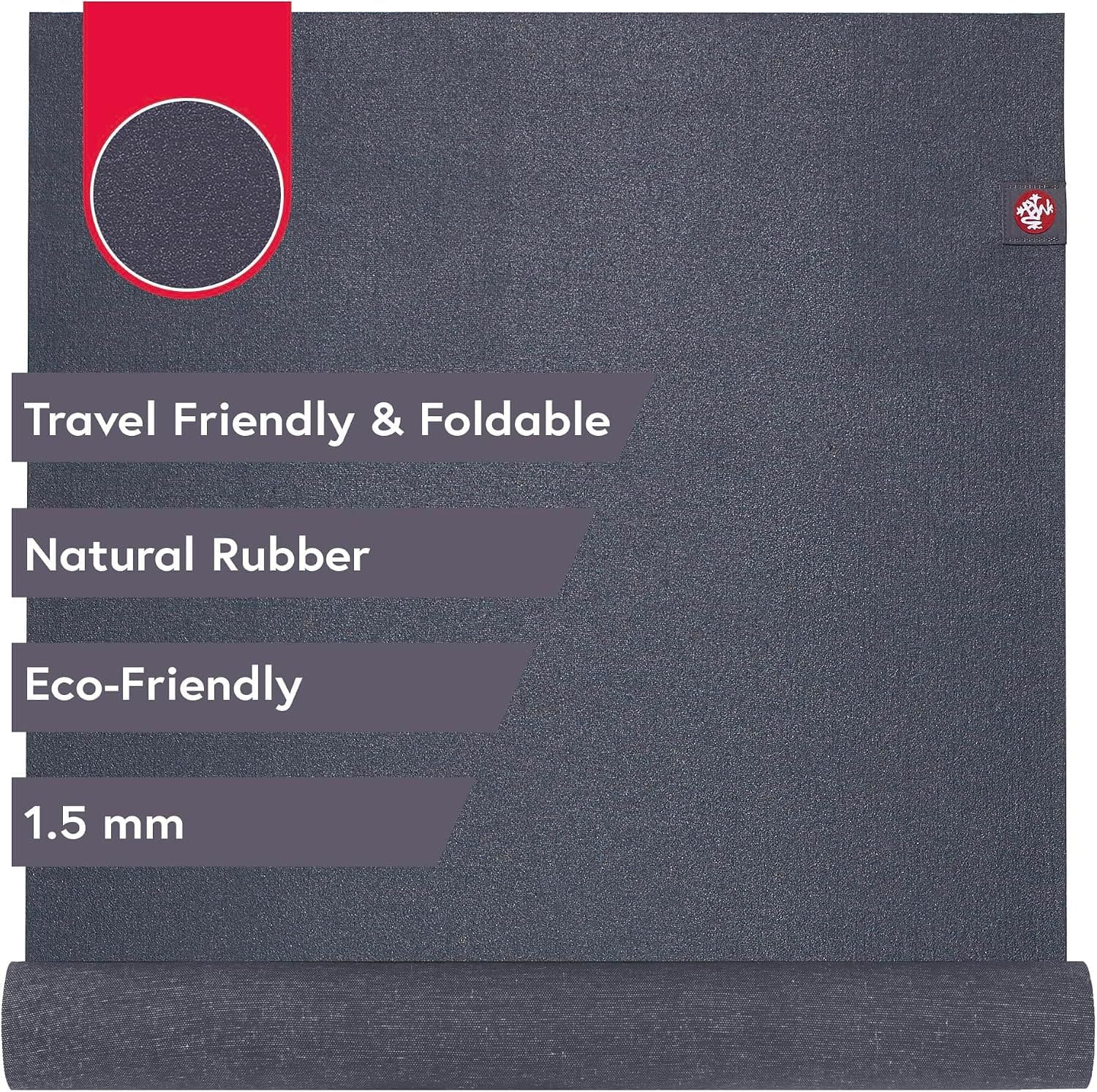
Manduka eKO SuperLite 1.5mm
A foldable 1.5mm natural rubber layer designed to pack smoothly into luggage or lay flat over shared studio mats on the road.
Surface & Grip: The Essential Stability Checklist
A yoga mat's job is twofold: cushion joints and anchor your foundation. When a mat lacks grip, every millimeter of thickness becomes irrelevant. You spend more energy correcting slides than deepening poses. Stability comes first, always.
Textured surface for traction. Look for raised bumps or a natural rubber grain that creates friction, especially in poses where hands spread wide.
Open cell for sweat, closed cell for hygiene. Open-cell rubber absorbs moisture and grips better when wet, but it holds smell and needs real cleaning. Closed-cell wipes clean and stays hygienic, but needs a towel in hot classes.
Expect a break-in period. Some high-density mats, the Manduka PRO in particular, are slippery out of the box and grip properly after a few weeks of use. That is normal, not a fault.
Sweat-wicking properties. A top layer that absorbs moisture keeps you steady through hot sequences. Without it, perspiration creates a slick film.
Non-slip bottom grip. A rubberized base prevents the mat from shifting on hard floors or carpet, essential for dynamic transitions.
Antimicrobial treatment. Closed-cell construction resists odor and bacteria, so the surface stays hygienic and grippy session after session.
Many thick mats neglect this. If the surface doesn't hold when you sweat, you've traded stability for foam that simply moves with you. Test the grip before committing to a depth.
The Thickness Scale: From 1mm to 7mm+
Yoga mat thickness breaks into four functional bands, each with distinct trade-offs for cushioning, stability, and portability.
1-2mm (Travel Topper): A grip layer, not cushioning. Folds into luggage, lays over a studio mat you would rather not touch. On a hard floor your knees will feel everything.
3-4mm (Standard Sweet Spot): The all-rounder range. Dense 4mm natural rubber often outperforms thicker low-density foam in support.
5-6mm (Joint-Friendly Cushion): Noticeably softer for knees and wrists, but density still determines whether you bottom out during standing poses.
7mm+ (Fitness/Pilates Floor Work): Plush feel at the cost of lateral stability in balance-heavy flows. Worth it if floor-based comfort is your non-negotiable.
Materials Matter: PVC vs. Natural Rubber vs. TPE
PVC offers durability and affordability but is non-recyclable, making it a common starting point with a clear environmental trade-off.
Natural rubber delivers the best grip and the densest cushioning. It is heavier than foam and carries a latex smell for the first weeks. It is not suitable for anyone with a latex allergy.
Cork grips harder as it gets damp, making it the premier hot yoga answer. It is naturally antimicrobial. The surface feels firmer and more textured than rubber, which some people love and others do not.
TPE is lightweight, latex-free, and marketed as more sustainable. Its cushioning breaks down faster than rubber, so frequent practitioners may replace it sooner.
Density matters as much as material. A high-density 4mm rubber mat can feel more supportive than a low-density 6mm PVC mat. Assess density claims before deciding.
Care & Maintenance for Long-Lasting Cushion
Your yoga mat's cushioning depends on regular care. Follow these three steps to keep it supportive and hygienic. A little care goes a long way.
• Clean gently: Wipe down your mat after each practice with a mix of cool water and a few drops of mild soap or white vinegar. Avoid harsh cleaners, bleach, or essential oils that can degrade the foam and compromise the cushioning over time. Let it air-dry completely before rolling.
• Store properly: Always roll your mat with the top side facing out, and never fold it unless it is a travel mat built for folding. Creases can permanently damage the cushioning layer. Keep it in a mat bag away from extreme heat or cold, which can cause the material to harden or soften.
• Protect from sun: Direct sunlight breaks down natural rubber, TPE, and PVC. UV exposure can make the mat brittle and reduce its cushioning properties. Rinse and dry it in the shade, and store it in a cool, dark place to prevent premature wear.
Frequently Asked Questions
Get More Wellness Inspiration
Join our community of seekers. Bi-weekly dispatches on holistic science, sustainable living, and hidden wellness gems.

Camila Rios
Nutrition journalist and recovery-focused writer translating complex studies into clear guidance on food, hormones, energy, and daily resilience.
Related Articles

Holisteek partners with Nômade Temple Madrid and JOMO for an exclusive immersive yoga and hypnosis experience
Why Is Dior Selling Yoga Mats?

Top Teacher Training Programs for Yoga Instructors

Rebounder vs Vibration Plate: Which One Belongs in Your Home
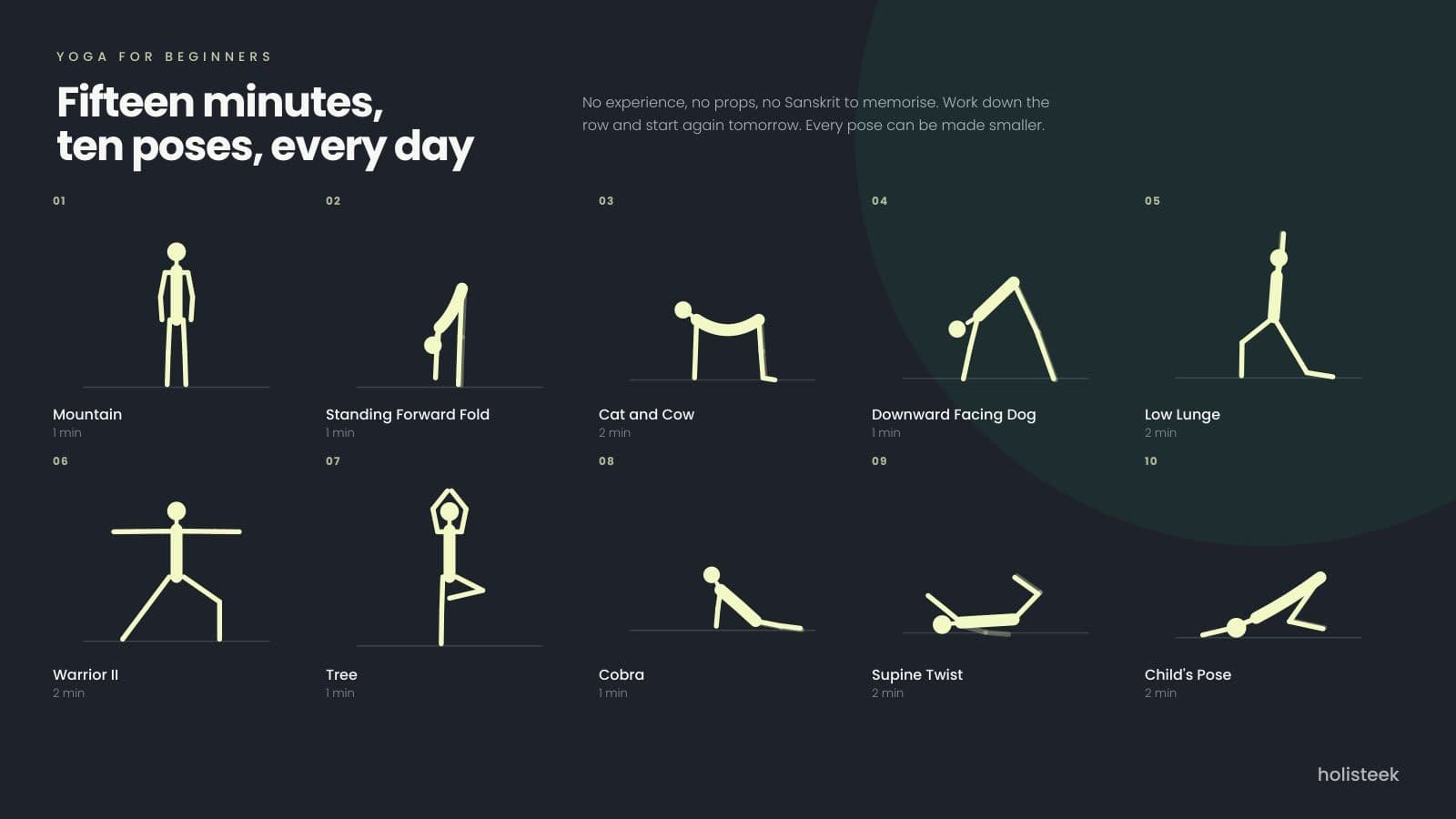
Yoga for Beginners: A 15-Minute Daily Routine to Improve Mobility