How to Clean a Yoga Mat: A Routine by Material, What to Use, and the 5 Habits That Ruin a Mat Early

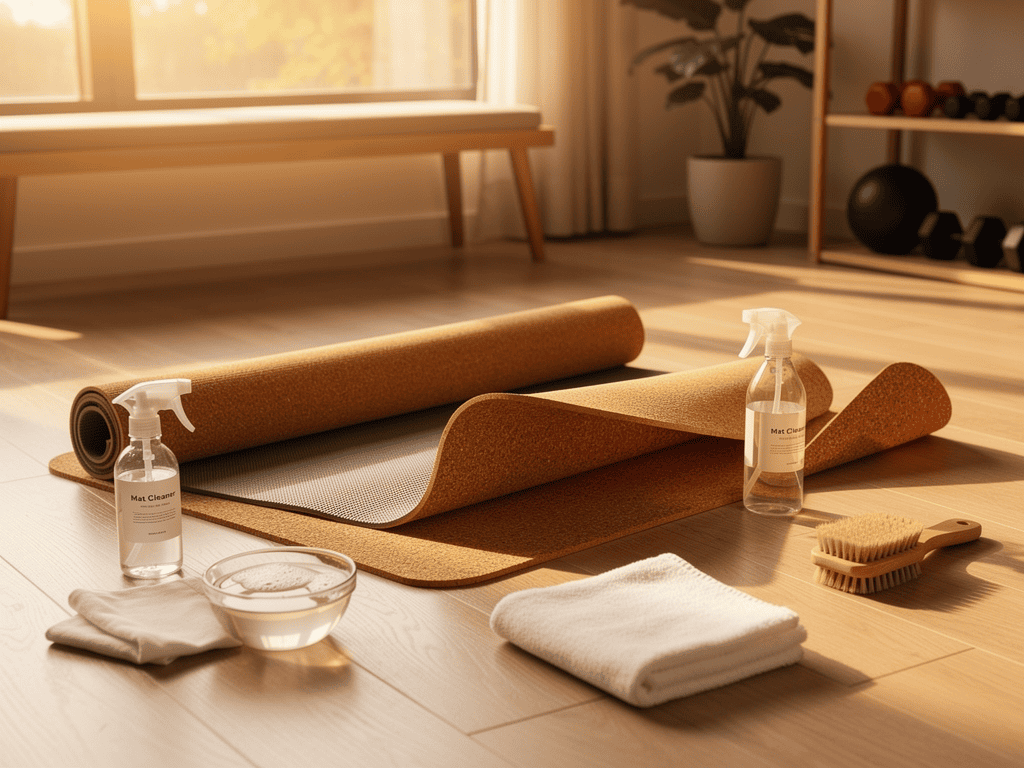
Find your material in the table, use the cleaner beside it, and you are set.
Why mat material changes the method
Not all yoga mats ask for the same care. The secret lies in their porosity. Open-cell mats act like sponges, absorbing sweat, oils, and whatever you apply to them. Closed-cell mats form a barrier that repels moisture.
This single difference transforms the cleaning routine from a one-size-fits-all task into a material-specific ritual.
PVC (closed-cell). PVC is not automatically poison. For example, the Manduka PRO is German-made PVC certified under OEKO-TEX STANDARD 100 with a lifetime guarantee. It handles mild soaps, commercial sprays, and diluted vinegar without flinching.
What you should avoid is the unbranded foam mat that lists no material, no certification, and no country of origin, which flakes within a year.
Natural rubber (open-cell). This material is wonderfully grippy but temperamental. Vinegar and essential oils can break down the rubber, leaving it sticky or brittle. Direct sunlight causes oxidation and cracking.
Clean it with plain water or a dedicated cleaner made for natural rubber by the mat manufacturer. Never use soap, as it compromises performance and degrades the material.
TPE. Often marketed as eco-friendly and recyclable, TPE is typically closed-cell but still needs a light touch.
Harsh chemicals, including bleach or ammonia-based cleaners, can degrade the foam structure. A plant-based, solvent-free spray or simple soap and water keeps it clean without compromising integrity.
Cork and jute. Cork resists odor retention naturally over time, and unlike other surfaces, its grip actually increases when damp. However, these natural fibers despise excess water. Over-wetting can cause cork to swell and jute to warp or develop mold.
A barely damp microfiber cloth, followed by immediate air drying, is all they ask.
Cotton yoga rugs are the only mats truly built for the washing machine. Manduka explicitly warns that machine cycles damage standard mats and speed up aging, making cotton rugs the sole declared exception to the rule.
When planning your next mat purchase, the reasons to choose cork, natural rubber, or cotton go far beyond fear. They deliver superior traction, carry virtually no chemical odor, and eventually biodegrade instead of outliving you in a landfill.
Your everyday wipe-down
Frequent practice calls for a simple routine that removes surface dirt, sweat, and oils without saturating the mat. For most materials, a light mist and a gentle wipe immediately after your session preserves the surface and keeps it ready for the next morning flow.
Gather a small checklist before you begin: a clean spray bottle, a soft lint-free cloth, a gentle solution suited to your mat material, and a ventilated space where it can dry flat. This ritual takes less than two minutes.
Skip adding pure essential oils to homemade mixtures, as they leave dangerous slick residues that cause slipping during poses. Instead, choose a properly formulated mat cleaner with pre-diluted botanicals tested to rinse clean without compromising traction. Shake well and spray lightly onto the cloth,
never directly onto the mat, to avoid over-saturation. For a more focused clean, many practitioners reach for biodegradable natural kitchen sponges paired with diluted mild detergent; though effective, these sponges require more frequent replacement than synthetic alternatives.
A moisture-wicking towel laid over the mat during hot sessions reduces daily buildup significantly. When the session ends, a quick wipe with the solution dissolves lingering surface dirt and discourages bacterial growth until the monthly deeper ritual arrives.
The monthly deep clean
Once a month, or whenever your mat feels less inviting, a deeper reset restores both hygiene and grip. The method depends entirely on the material, and ignoring the warnings below can permanently damage your mat.
What to avoid: Never immerse your mat in water or soak it in a tub unless the manufacturer explicitly states it is safe to submerge, which almost none do. Avoid machine washing entirely for standard mats. Essential oils and vinegar will degrade natural rubber, so skip them entirely on those models.
Solvent-free means exactly that-no bleach, no alcohol-based sprays, no aggressive cleaning agents. For cork and open-cell mats, even brief soaks can cause warping if the core isn't waterproof.
A deep clean done right buys you months of confident, grounded practice. Let the mat air-dry completely before rolling (see the drying section below). A mindful monthly reset keeps your practice space fresh and inviting.
Check the manufacturer guidance. Almost no mat safely tolerates immersion. Unless explicit submersion instructions exist, rely strictly on a thorough, targeted surface clean.
Apply your regular cleaner more generously. Use the same gentle, material-appropriate cleaner from your daily routine, but apply a more liberal amount across the surface.
Let the solution sit for two minutes. Allowing the cleaner to rest briefly breaks down accumulated body oils, sweat salts, and embedded grime without saturating the core.
Gently wipe with a soft cloth. Work in slow, circular motions across the entire surface using a soft microfiber cloth or sponge. Avoid abrasive pads or harsh scrubbing.
Rinse with a clean, damp cloth. Wipe away all remaining cleaner residue using a cloth dampened with fresh water, then pat the surface dry with a clean towel.
Drying and storing
The drying phase is not simply about removing moisture. It is the line between a mat that lasts and one that degrades prematurely. Improper drying accelerates oxidation and creates an environment where bacteria and mold thrive, particularly in porous surfaces.
Air dry flat or draped, never folded. Total ventilation on both sides is essential. Draping the mat over a shower curtain rod or a wide drying rack allows air to circulate evenly, preventing moisture from being trapped in the seams or texture.
If laid flat, flip it after a few hours.
Always dry indoors, flat or hanging, away from direct window light. Ultraviolet radiation degrades natural rubber and fades or embrittles nearly every other mat material.
Keep the mat away from any sunny patch; never leave it exposed to direct ultraviolet rays.
The 100% rule. The mat must be completely dry to the touch, especially around any textured or grippy areas, before it is rolled. Rolling up a damp mat is the most common reason a mat develops a bad smell. When in doubt, wait longer.
Storing a damp mat is the most common cause of persistent odors and material breakdown.
Extend Your Mat's Life With a Sustainable Cleaning Practice
A well-maintained yoga mat becomes a trusted companion for years of practice. By matching your cleaning method to your mat's material, drying it completely, and personalizing your routine to your body and practice style, you preserve both grip and longevity.
Your mat deserves the same mindful attention you bring to your practice itself.
Recommended Non-Toxic Cleaners
Choosing a dedicated plant-based cleaner protects specialized mat textures without leaving behind slick films or degrading organic materials.
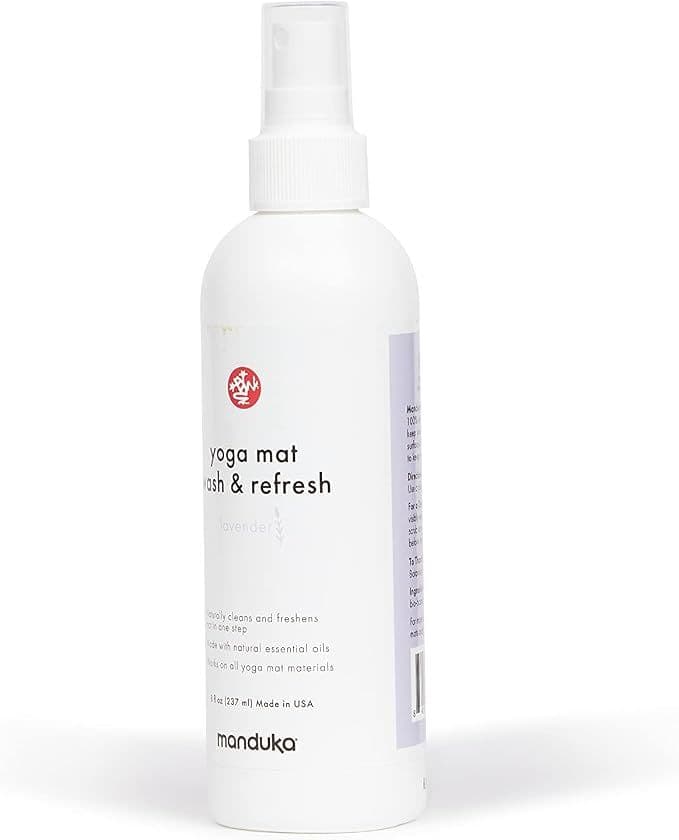
Manduka Natural Mat Wash and Refresh: Formulated for daily use on PVC, closed-cell materials, and cork surfaces.
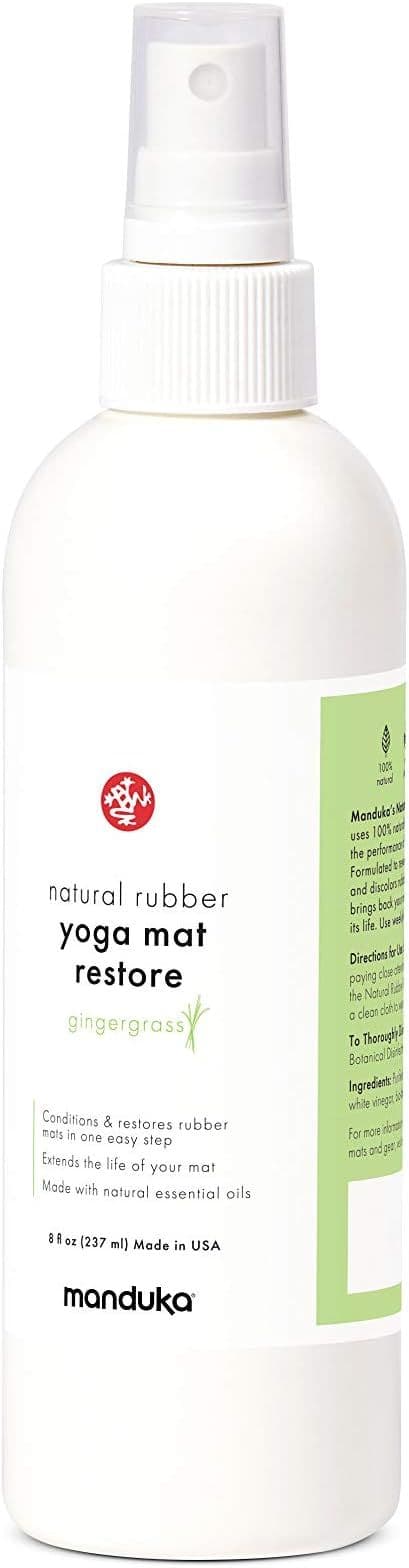
Manduka Natural Rubber Restore: Specifically engineered to condition and protect genuine natural rubber mats without degrading the surface.
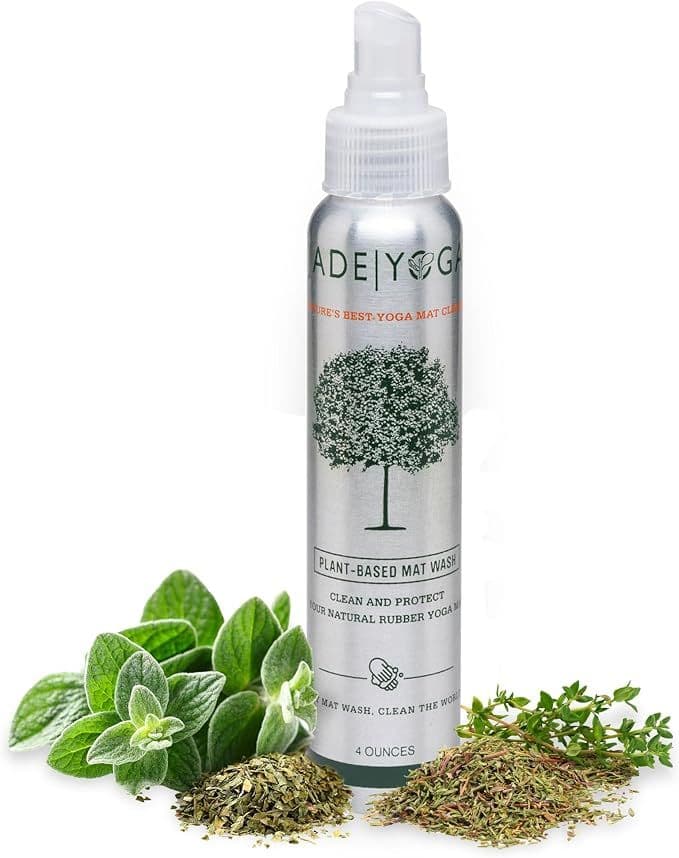
JadeYoga Plant-Based Mat Wash: Crafted by the mat maker to clean open-cell natural rubber safely.
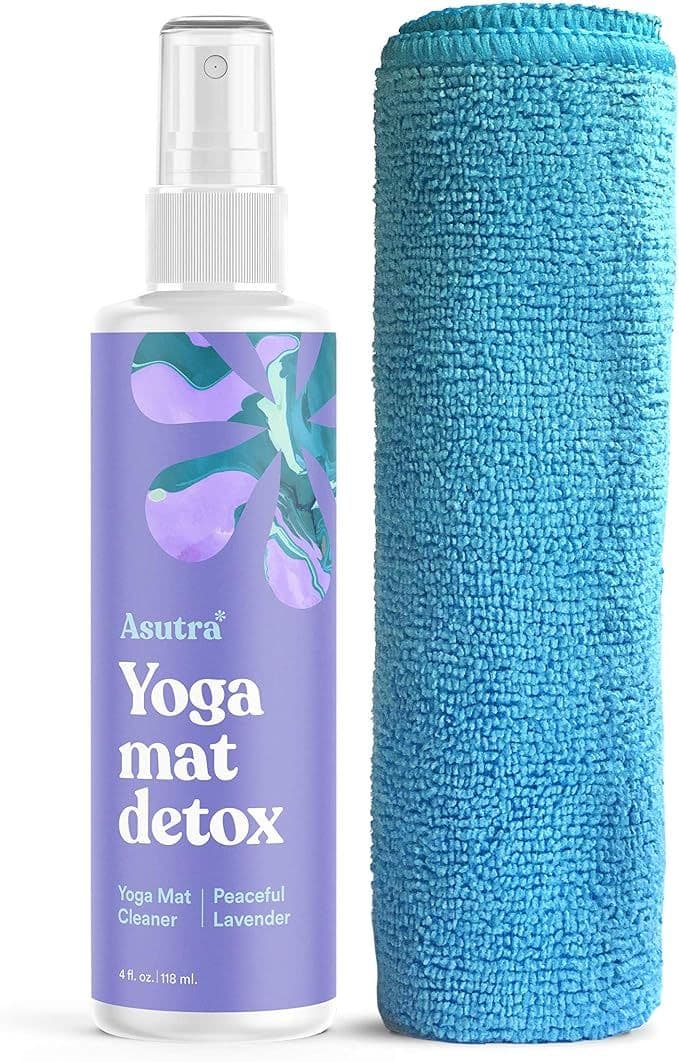
ASUTRA Yoga Mat Cleaner Spray: Formulated to clean thoroughly without leaving slippery residues, complete with an included microfiber cleaning towel.
Non-Toxic Mats Free From Cheap Plastics
If your current mat is deteriorating or shedding synthetic particles, durable natural materials offer clean alternatives without conventional PVC foam.
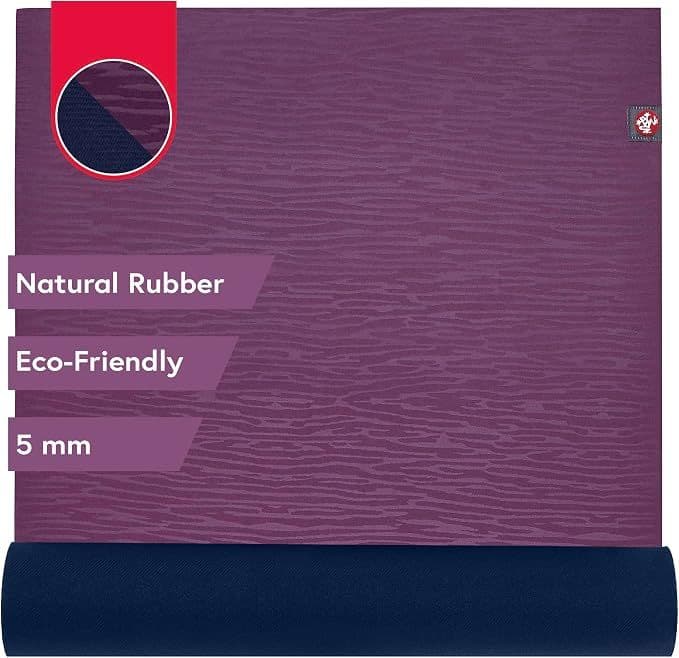
Manduka eKO 5mm: Made from sustainably harvested tree rubber, fully biodegradable and manufactured entirely without PVC.
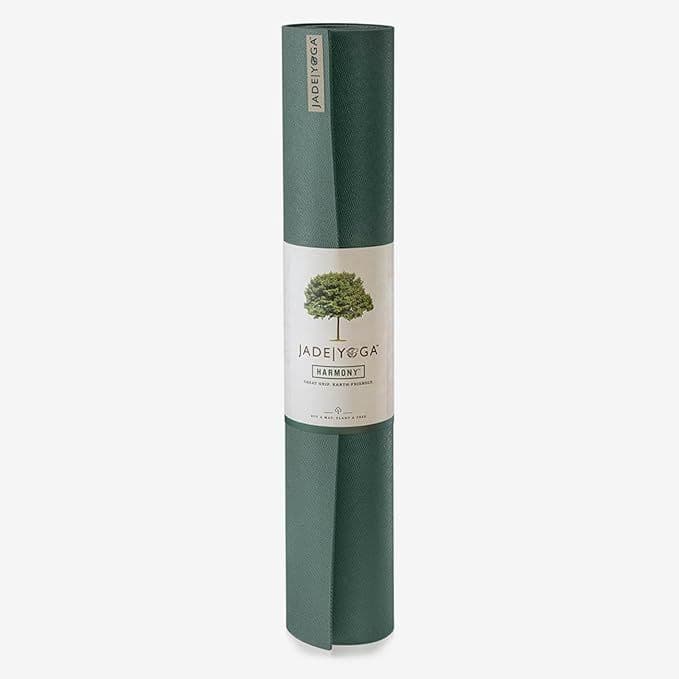
JadeYoga Harmony: Natural rubber mat providing high-traction open-cell grip, manufactured in the United States.
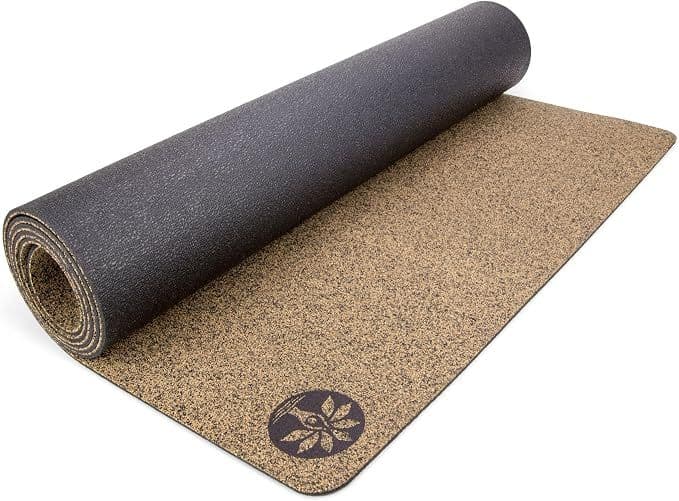
Yoloha Unity Cork 6.5mm: Premium natural cork surface that naturally resists bacteria while providing supportive cushioning.
JadeYoga Organic Cotton Mysore Yoga Rug: Pure organic cotton rug built for intense grip during sweat-heavy sessions, fully machine washable.
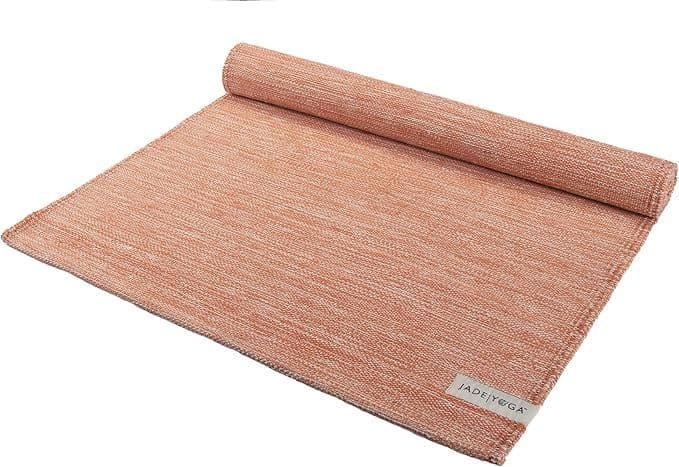
Disclosure: As an Amazon Associate, Holisteek earns from qualifying purchases.
Frequently asked questions
Get More Wellness Inspiration
Join our community of seekers. Bi-weekly dispatches on holistic science, sustainable living, and hidden wellness gems.

Camila Rios
Nutrition journalist and recovery-focused writer translating complex studies into clear guidance on food, hormones, energy, and daily resilience.
Related Articles

Holisteek partners with Nômade Temple Madrid and JOMO for an exclusive immersive yoga and hypnosis experience
Why Is Dior Selling Yoga Mats?

Top Teacher Training Programs for Yoga Instructors

Rebounder vs Vibration Plate: Which One Belongs in Your Home

Yoga for Beginners: A 15-Minute Daily Routine to Improve Mobility
Acupressure Mat Benefits: Five Reasons It Earns a Place Beside Your Bed
How Thick Should a Yoga Mat Be? Answer Four Questions and Find Out
Somatic Exercises: 3 Gentle Movement Practices and What They Can—and Cannot—Do
Foam Roller Buying Guide: 4 Main Densities, Textures, Lengths and What to Spend on Your First One