Foam Roller Buying Guide: 4 Main Densities, Textures, Lengths and What to Spend on Your First One

Your hips are tight. Your back is stiff by three in the afternoon. Your legs ache for two days after anything harder than a long walk. You need a foam roller.
Ditch Your Old Foam Roller. These Are the Ones Worth Owning.
If you want to skip the background, jump straight to the product comparison table, or read below to explore how specific features match your daily recovery routine.
Key takeaways
Firmness drives the decision: Density matters more than cost, as medium firmness prevents abandoning the tool while delivering adequate pressure.
Five minutes cover five zones: Spending 60 to 90 seconds per muscle group delivers full recovery benefits without diminishing returns.
Never roll the lower back: Direct compression over the unprotected lumbar spine strains surrounding tissues instead of relieving tension.
Types of foam rollers for different recovery needs
Matching real tools to specific muscle targets prevents wasted sessions and unnecessary discomfort. Here is the vetted lineup of proven models to consider for your recovery setup.
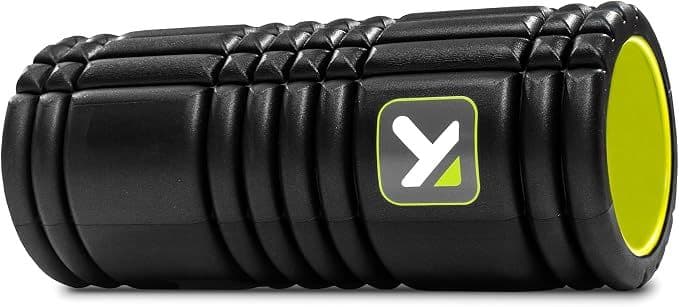
TriggerPoint GRID Foam Roller, 13 in
This medium-firm roller provides a direct upgrade from a standard smooth cylinder. It features multi-density exterior channels over a rigid hollow core.
You sacrifice full-back stability across both shoulders at once due to its compact width.
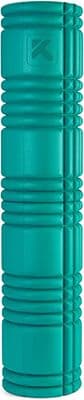
Sharing the signature multi-density surface pattern, this extended version supports broad areas across the upper back, chest openers, and lats.
You sacrifice travel portability, as the 26-inch length makes it awkward for standard gym bags.
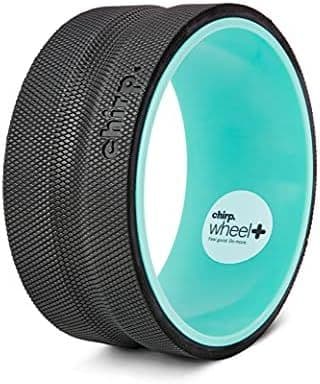
Designed with a central spinal canal, this wheel decompresses thoracic tension without pressing directly against vertebral bones.
You sacrifice versatility, as its tall profile and narrow track make it unsuitable for legs.
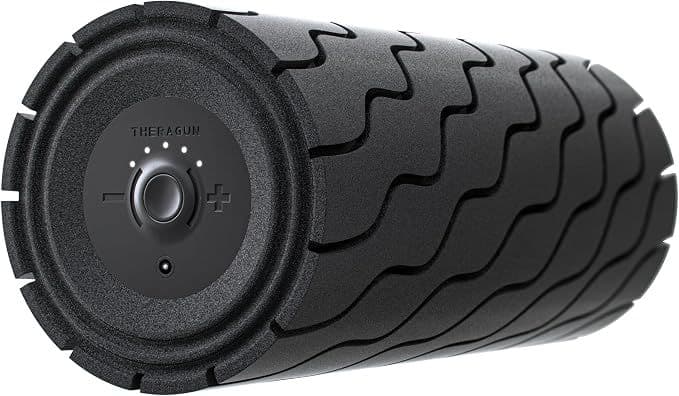
Featuring five vibration frequencies and smart app connectivity, this roller dampens painful sensory signals during deep myofascial work.
You sacrifice analog simplicity, needing regular battery recharging and cautious handling around moisture.
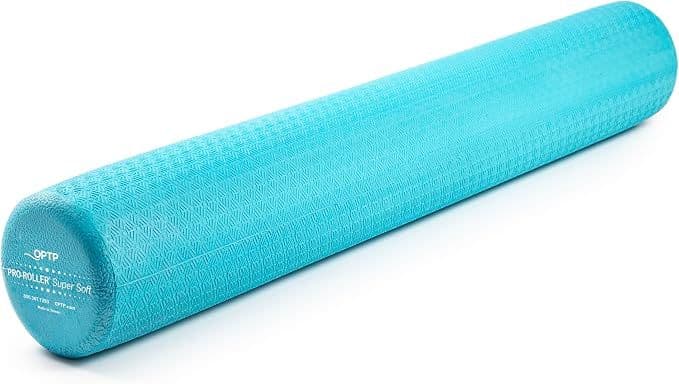
OPTP PRO-Roller Super Soft, 36 in
A physical-therapy-grade closed-cell roller delivering gentle compression across an expansive 36-inch surface for spinal alignment.
You sacrifice pinpoint trigger-point release because the soft foam disperses pressure widely.
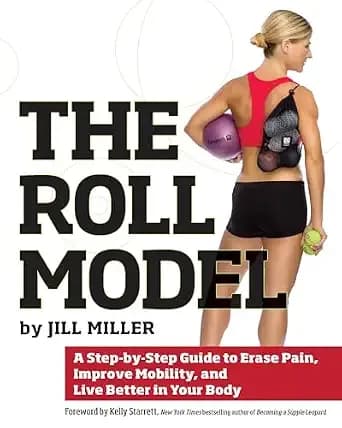
The definitive reference guide outlining self-myofascial release mechanics, targeted routines, and biomechanical positioning principles.
You sacrifice instant hardware utility, as applying its protocols requires dedicated reading and practice.
Disclosure: When you buy through links on our site, we may earn an affiliate commission at no extra cost to you.
Evaluating density, length, and texture
Choosing the right foam roller comes down to matching specific physical features to your daily recovery challenges. Identifying what failed on your previous roller ensures your next tool delivers lasting relief.
The difference that matters is firmness rather than cost. A roller that is too soft yields no pressure, while one that is too firm too soon leads you to abandon it entirely.
Start with a simple checklist:
Density: Medium firmness serves as the best baseline for most bodies, while softer foam cushions sensitive joints and firmer foam addresses deep tissue.
Length: Standard 36-inch rollers offer full-spine stability for home use, whereas 12 to 18-inch models fit gym bags for targeted limb work.
Texture: Smooth cylinders disperse pressure evenly across large muscle groups, while ridged or nubbed surfaces prompt the nervous system to ease guarding on sensitive spots in under a minute.
Problem: The roller dents under bodyweight. Look for a model with a rigid hollow core that reinforces the exterior padding.
Problem: It only delivers a single pressure level. Look for a roller featuring more than one surface zone or multi-density ridges.
Problem: It is too short to support the area comfortably. Look for the exact length demanded by your specific muscle ache or spinal target.
Problem: The firmness feels wrong during use. Look for medium firmness as the default starting baseline unless you have a dedicated clinical reason.
Problem: The material absorbs sweat and moisture. Look for an impermeable closed-cell foam surface that wipes clean quickly.
Problem: The cylinder warps into an oval shape over time. Look for a verified, manufacturer-stated load capacity before committing.
Care and everyday use for longevity
Your foam roller is built to take pressure. But the small daily rituals of care-cleaning, storing, timing-are what keep it firm and responsive. Overlook them, and even the best materials break down sooner than expected.
Cleaning is the easiest practice to adopt. After each session, wipe the surface with mild soap and a damp cloth. Sweat, skin oils, and dust don't just make the roller unpleasant; over time, they contribute to slow degradation and loss of grip.
Let it air dry completely before putting it away. Neglecting this step invites bacteria that lead to odors and weakened material.
Storage matters more than most people think. Direct sunlight and heat break down foam polymers. Keep your roller in a cool, dry corner-a closet shelf, a drawer, or a gym bag, as long as the bag doesn't trap heat.
Avoid leaving it in a hot car or near a radiator. Even indirect sunlight through a window can quietly compromise the foam's integrity over months.
Rolling longer than necessary shows no added benefit in any trial, and accumulated tenderness makes you more likely to quit. Most research protocols use 60 to 90 seconds per muscle group, not as a mandatory threshold, but because rolling longer shows no measurable added benefit.
Going well beyond that often brings diminishing returns, adding unnecessary stress on the material. Roll slowly, with controlled pressure. Stop if you feel sharp pain-the 90-second mark is a guideline, not a rigid rule. Respect your body's signals.
Regular, short sessions paired with mindful breathing maintain muscle health without accelerating wear. When you find a tender spot, pause right there and exhale fully. If your breath becomes shallow, you are pressing too hard.
How to decide: Choosing your path
Three personal axes can guide your choice.
If you are new to self-myofascial release or carry more sensitivity, a softer, smooth roller offers a gentle entry. It can still improve range of motion without overwhelming your nervous system. As your tolerance builds, you may graduate to firmer textures.
Runners often prioritize calves, IT bands, and hamstrings. Yogis and climbers benefit from targeting lats and upper back. A grid or textured roller mirrors the pressure of a massage therapist's knuckles for stubborn trigger points, aiding post-workout recovery.
If you train at home, a full 36-inch roller stays ready in the corner. If you need a gym bag companion, a 12-inch travel-sized roller or a half-round stick fits easily. Portability matters more than extra surface area.
Choose the right foam roller for your recovery practice
| Model Name | Firmness | Length | Best For | What You Sacrifice |
|---|---|---|---|---|
| TriggerPoint GRID | Medium-firm | 13 inches | Targeted limb rolling and gym bag travel | Full-back stability across both shoulders |
| TriggerPoint GRID 2.0 | Medium-firm | 26 inches | Upper back, chest openers, and lats | Compact travel portability |
| RumbleRoller Original | Extra-firm (nodules) | 22 inches | Dense tissue, scar tissue, and deep knots | General comfort and gentle recovery |
| Chirp Wheel | Firm foam padding | 10 inches (diameter) | Thoracic decompression and spinal tension | Versatility for lower body muscle groups |
| Therabody Wave Roller | Firm with vibration | 12 inches | Sensory dampening during myofascial release | Analog simplicity and passive use |
| OPTP PRO-Roller Super Soft | Soft density | 36 inches | Gentle spinal alignment and sensitive tissues | Pinpoint trigger-point pressure |
| Tiger Tail Original | Firm handheld core | 18 inches | Calves, hamstrings, and standing mobility | Bodyweight leverage and passive positioning |
Length and density follow your lifestyle: compact for travel, full-length for home stability. Material choice between EVA and EPP reflects whether you prefer gradual adaptation or consistent firmness. Price reflects complexity, but the best choice is the one you will actually use.
| Authors | Journal | Year | Participants | What They Measured | Findings and Weaknesses |
|---|---|---|---|---|---|
| Wiewelhove et al. | Frontiers in Physiology | 2019 | 21 pooled studies | Pre-workout flexibility and post-exercise recovery | Found a small 4% increase in range of motion; authors noted recovery effects were minor overall. |
| Pearcey et al. | Journal of Athletic Training | 2015 | 8 healthy males | Delayed-onset muscle soreness and sprint speed | Substantially reduced muscle tenderness at 24 and 48 hours; limited by a very small sample size. |
| Okamoto, Masuhara, and Ikuta | Journal of Strength and Conditioning Research | 2014 | 10 healthy adults | Brachial-ankle pulse wave velocity and nitric oxide | Reduced arterial stiffness and raised plasma nitric oxide; limited by small cohort and acute sc |
| Konrad et al. | Journal of Sports Science and Medicine | 2021 | 12 studies (267 participants) | Range of motion from rolling combined with stretching | Found no extra flexibility benefit over stretching alone; evidence is weak for combined superiority. |
For a reliable starting point, the TriggerPoint GRID 13-inch combines a rigid hollow core with molded medium-firm foam to balance durability and comfort for anyone new to rolling.
Frequently asked questions
Scientific research and cited studies
Understanding recovery mechanisms requires examining what controlled trials measure, as well as where interventions show no added effect.
Wiewelhove et al. (Frontiers in Physiology, 2019): A meta-analysis of 21 pooled studies found a 4.0% increase in pre-workout range of motion and reduced muscle soreness afterward, though the authors classified the overall effects as minor.
Pearcey et al. (Journal of Athletic Training, 2015): In 8 men performing ten sets of ten squats followed by 20 minutes of foam rolling at 0, 24, and 48 hours, participants experienced substantially lower muscle tenderness at 24 and 48 hours.
Okamoto, Masuhara, and Ikuta (Journal of Strength and Conditioning Research, 2014): In 10 adults, foam rolling reduced arterial stiffness from 1,202 to 1,074 cm/s and increased plasma nitric oxide from 20.4 to 34.4 micromoles per liter.
Konrad, Nakamura, Bernsteiner, and Tilp (Journal of Sports Science and Medicine, 2021): A meta-analysis of 12 studies and 267 participants found that combining foam rolling with stretching offered no additional range of motion benefit compared to stretching alone.
Get More Wellness Inspiration
Join our community of seekers. Bi-weekly dispatches on holistic science, sustainable living, and hidden wellness gems.

Helena Park
Beauty and longevity writer tracking skincare, recovery culture, and the data-driven approaches shaping women’s health and modern self-care.
Related Articles

Holisteek partners with Nômade Temple Madrid and JOMO for an exclusive immersive yoga and hypnosis experience
Why Is Dior Selling Yoga Mats?

Top Teacher Training Programs for Yoga Instructors

Rebounder vs Vibration Plate: Which One Belongs in Your Home
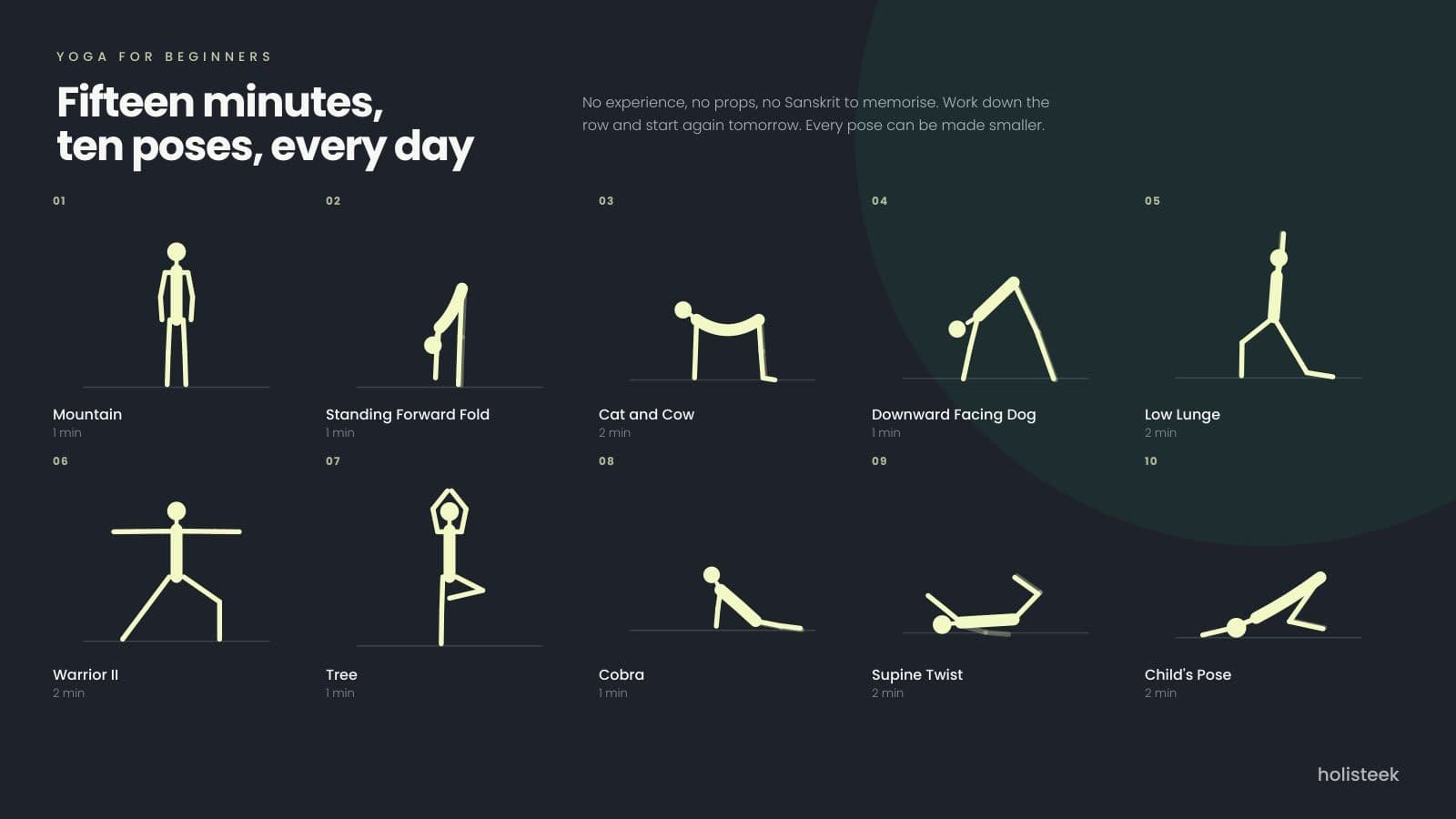
Yoga for Beginners: A 15-Minute Daily Routine to Improve Mobility
Acupressure Mat Benefits: Five Reasons It Earns a Place Beside Your Bed
How Thick Should a Yoga Mat Be? Answer Four Questions and Find Out

Somatic Exercises: 3 Gentle Movement Practices and What They Can—and Cannot—Do

Chair Yoga: How a Seated Practice Works for Seniors, Desk Workers, and 3 Key Groups