Somatic Exercises: 3 Gentle Movement Practices and What They Can—and Cannot—Do

The cultural conversation around movement is shifting. For decades, wellness meant ignoring your body's signals and chasing a faster mile. That formula is beginning to feel incomplete. People are searching for movement that feels like self-care, not self-punishment.
Plenty of things can be somatic. A yoga class often is. A walk can be. What changes it is not the activity, it is whether your attention is inside the experience or outside judging the shape of it.
Instead of counting reps, you learn to notice how a slow shoulder roll changes your breath. These gentle, intentional movements prioritize internal awareness over external performance.
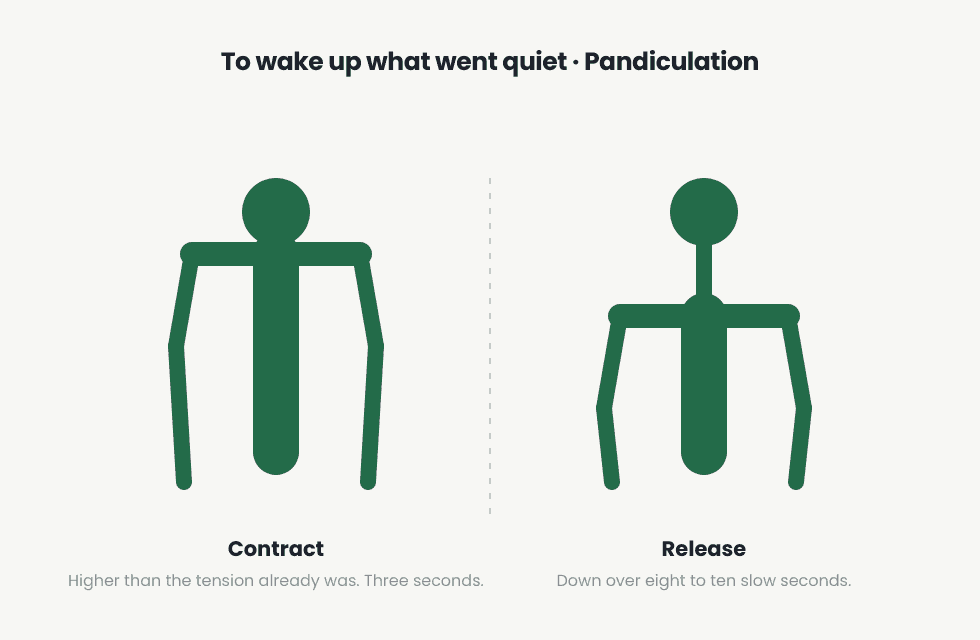
You are not pulling on anything. You contract on purpose, which puts that muscle back under voluntary control, and then you release slowly, which gives the nervous system time to re-read where its resting length actually is. The work happens in the conversation between brain and muscle, not in the tissue itself.
Understanding Somatic Exercises: Wellness Practice vs. Clinical Therapy
Somatic exercises are gentle, intentional movements focused on internal experience rather than external form or performance. They train interoception, the nervous system's processing of signals originating from inside your body.
As Khalsa and colleagues noted in a 2018 consensus paper published in Biological Psychiatry: Cognitive Neuroscience and Neuroimaging, interoceptive processing largely occurs outside conscious awareness. Interoceptive dysfunction is also increasingly recognized as a component of anxiety, mood, eating, and addictive disorders.
This attention to internal sensation helps you notice held tension and habitual patterns.
Soma is the Greek word for the body as it is lived from the inside. Not the body in a mirror, the one you are in right now while you read this. Somatic movement is any movement done from there. In practice, somatic movement works like active meditation.
By slowing down and tracking breath and micro-movements, you may explore your body's signals and patterns.
It is important to separate wellness practice from clinical somatic therapy. A wellness session, like the ones you can explore on Holisteek, is for general reflection and relaxation.
Clinical somatic therapy is a structured healthcare approach delivered by licensed professionals for specific conditions.
This article describes wellness-oriented exercises. They are not a diagnosis, a treatment plan or a replacement for physiotherapy or mental health care.
Three Gentle Ways to Begin Your Practice
These three practices target distinct systems: respiration, posture, and motor control. Each serves a clear purpose, so you can choose the right tool for what your body needs in the moment.
1. The Cyclic Sigh: Downregulate the Breath
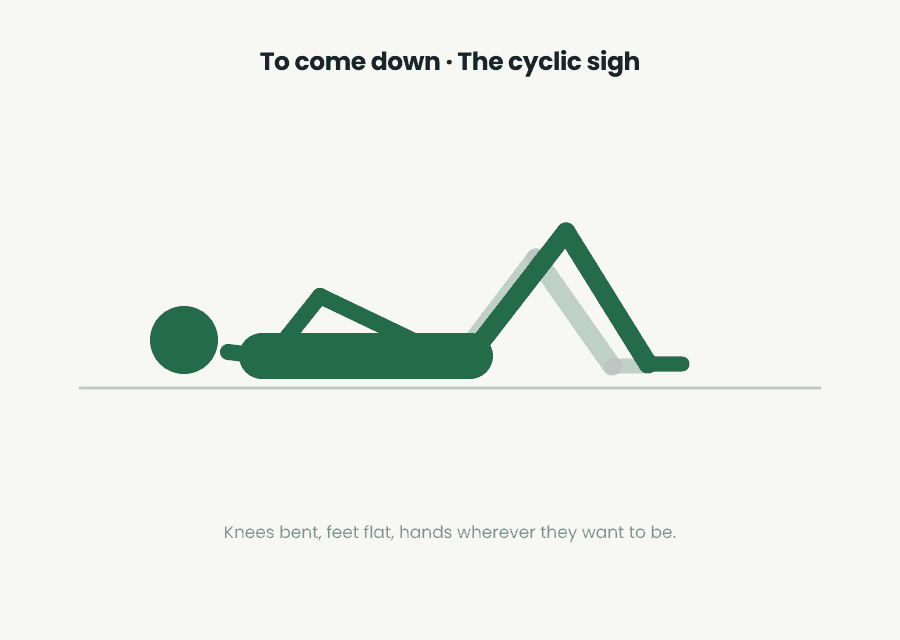
This practice uses your respiratory system to downregulate an overstimulated nervous system. Take two inhales through your nose, filling your lungs, then topping them off with a quick second sip. Follow with a long, slow exhale through your mouth.
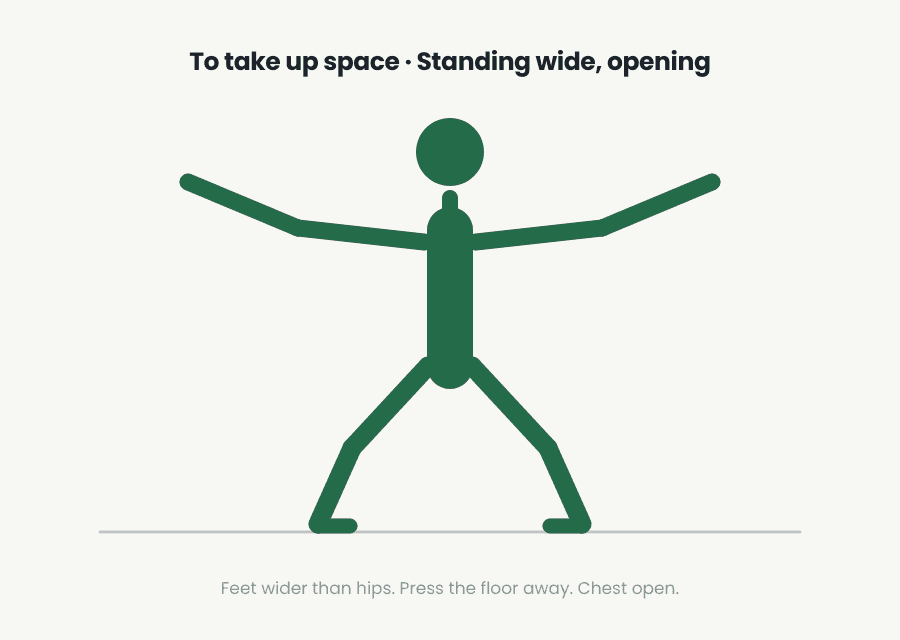
2. The Seated Body Scan
Close your eyes if that feels safe. Bring attention to the crown of your head and slowly move down. Notice temperature, pressure, or tingling. If your mind wanders, guide it back gently. No need to change anything. If discomfort arises, simply return to the breath.
3. Slow Micro-Movements for the Neck and Shoulders
Begin to tilt your head almost imperceptibly to one side. Move so slowly you barely perceive the shift. Repeat with shoulders, lifting them just a fraction. If you feel pain, stop and rest. This is about awareness, not effort.
What a Practice May Feel Like and When to Pause
Slowing down enough to notice internal feedback often feels unfamiliar at first. Some describe it as a quiet conversation between attention and sensation.
A gentle hum in the muscles, a subtle shift in the jaw, or a softening of the shoulders can surface. You may also notice restlessness, an impulse to rush, or an unusual awareness of your own heartbeat.
All of that is part of the learning curve.
Curious is the practice. Uncomfortable is the exit.
Pause immediately if you experience sharp pain, dizziness, rising panic, or any physical or emotional discomfort that feels intrusive rather than interesting. Open your eyes, put your feet on the floor, look around the room, and name three things you can see.
That response is not a failure. It is the practice working correctly: you noticed an internal signal, and you took action to care for yourself.
Building a Sustainable Routine for Reflection
The promise of somatic practice isn't a dramatic breakthrough. It's the quiet accumulation of noticing.
Start smaller than you think. A five-minute body scan between meetings builds capacity. A sixty-minute session you never do builds nothing.
Keep it optional. This isn't another workout to crush. If it starts to feel like an obligation, step back and notice why.
The "no pain, no gain" mindset has no place here. Somatic work invites; it never demands.
Ask for qualified support when needed. A wellness practice can complement professional care, but it doesn't replace it. When sensations feel overwhelming, pause and consider reaching beyond solo practice.
If old tension surfaces or you feel stuck, a trauma-informed therapist or somatic practitioner offers guidance that self-practice alone cannot.
Over time, this rhythm becomes self-sustaining. The body learns to trust its own signals. Reflection becomes a habit when it's gentle, forgiving, and yours.
Frequently Asked Questions
Somatic exercises invite a shift away from outcome-driven fitness and toward listening to what your body has been trying to tell you. Many people find that a daily practice, even five minutes, offers a moment of reflection. Holisteek's directory of mindful movement spaces and wellness experiences can support that exploration. Remember, persistent pain or deep emotional work calls for a trained professional, not a self-guided practice. Browse Holisteek today to explore what feels right for your next step.
Practising with other people
Our Places directory maps the studios and guides where this is taught in a room rather than from a screen.
Get More Wellness Inspiration
Join our community of seekers. Bi-weekly dispatches on holistic science, sustainable living, and hidden wellness gems.

Camila Rios
Nutrition journalist and recovery-focused writer translating complex studies into clear guidance on food, hormones, energy, and daily resilience.
Related Articles
Holisteek partners with Nômade Temple Madrid and JOMO for an exclusive immersive yoga and hypnosis experience

Why Is Dior Selling Yoga Mats?
Top Teacher Training Programs for Yoga Instructors

Rebounder vs Vibration Plate: Which One Belongs in Your Home
Yoga for Beginners: A 15-Minute Daily Routine to Improve Mobility
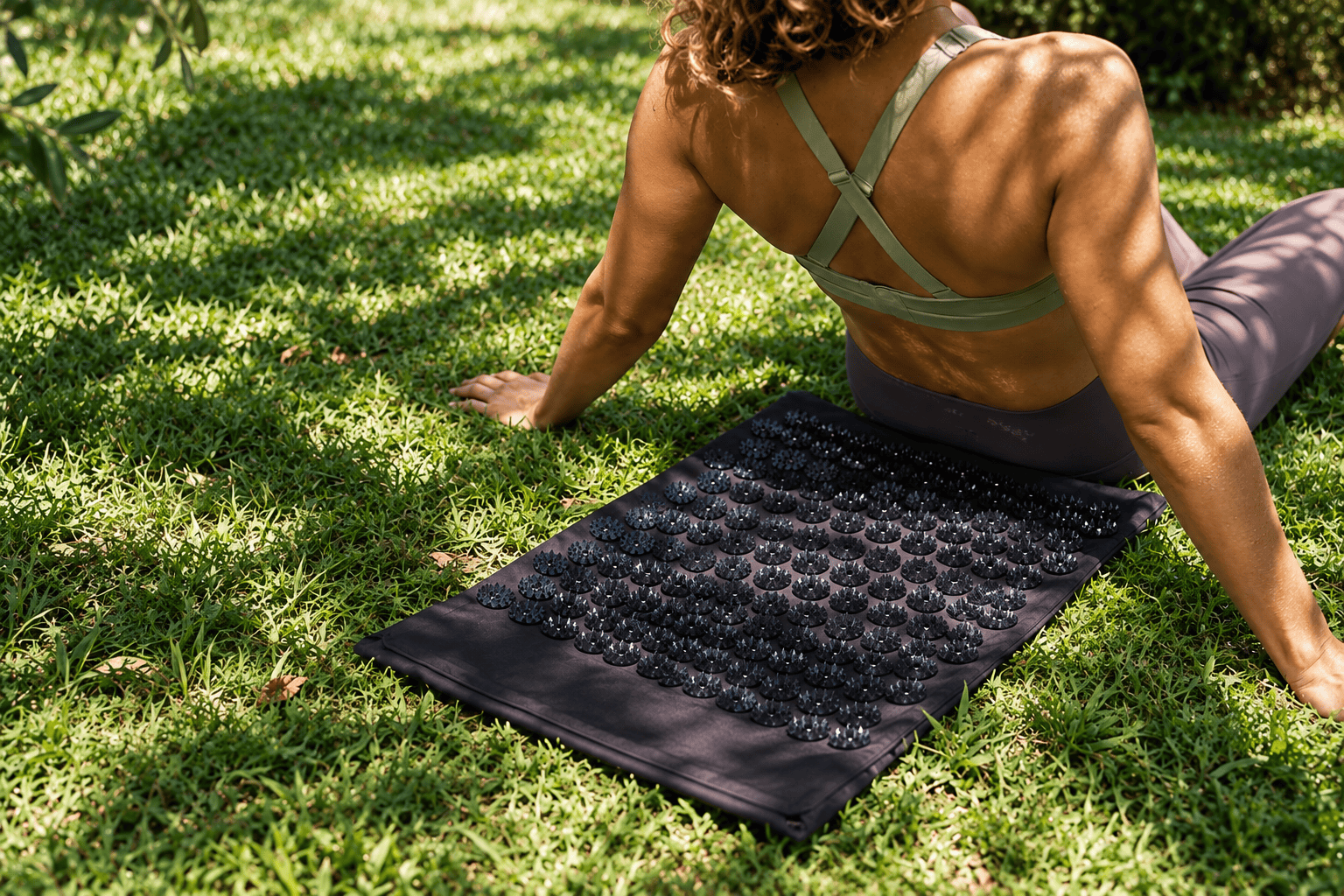
Acupressure Mat Benefits: Five Reasons It Earns a Place Beside Your Bed