Yoga Block Buying Guide: Cork vs Foam vs Wood, Standard vs Slim Sizes, and What to Spend

Most practitioners own one yoga block and only place it under their hands. That covers barely a tenth of what the prop can do.
Yoga Blocks: Where They Go, How Many You Need, and Which to Buy
Below are eight functional placements, specifying how many blocks each needs and which height setting to choose.
A block under the sacrum, along the spine, or between the thighs does not make a posture easier; it makes another posture possible. Teachers use them more than students do.
But the reality is far more interesting. Yoga blocks have evolved into precision alignment tools that serve every level of practitioner. They don't simply bring the floor closer; they help you explore depth with integrity, build strength safely, and sustain effort longer.
Whether you're easing into your first downward dog or fine-tuning your handstand press, the right block becomes a silent partner in your progress.
This guide breaks down the three core materials (cork, foam, wood), compares standard and slim silhouettes, and maps out what you can expect to spend, so you can choose a block that deepens your exploration, not just fills a gap.
Top-rated yoga blocks for every practice
Matching the right block to your specific movements makes an immediate difference on the mat. These approved selections highlight the best tool for each concrete job.
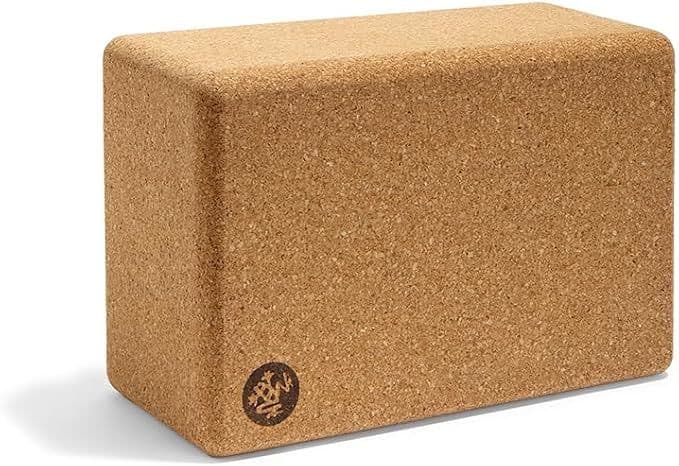
Manduka Cork Yoga Block: Fine-grain cork that is denser and smoother than cheap spotted alternatives, so it will not shed particles. It grips with sweaty hands and holds its shape for years, making it the block to buy if you only buy one.
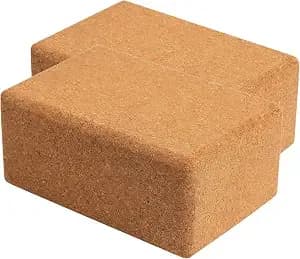
Cork Yoga Blocks 2 Pack (9x6x4): Made from authentic Portuguese cork, this pair provides balanced, symmetrical ground support.
JadeYoga Cork Block: Built by the renowned maker of natural rubber mats, pairing sustainable sourcing with firm, reliable density.
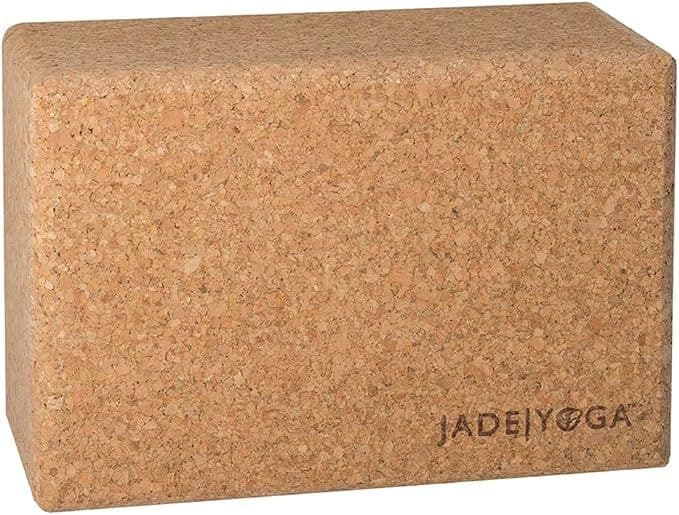
Hugger Mugger Bamboo Yoga Block: The premier choice for seated meditation because it offers zero give under body weight.

Manduka Recycled Foam Yoga Block: Lightweight, forgiving cushioning designed specifically for support placed under the head and knees.
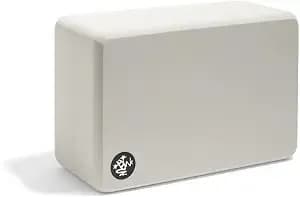
Gaiam Essentials Yoga Block Set of 2: The easiest matched pair to start with for everyday dynamic flows and basic alignment.
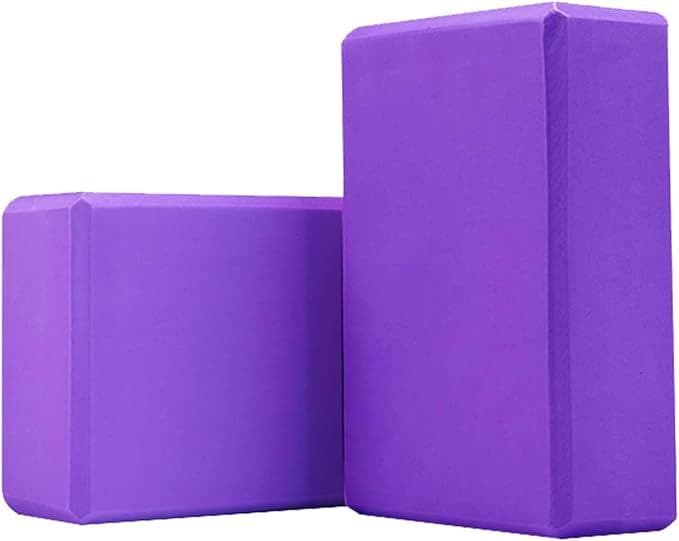
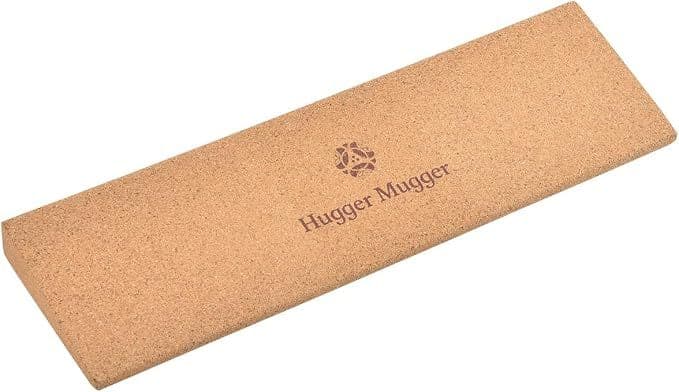
Hugger Mugger Cork Yoga Wedge: Precision-angled support built to relieve strain on the wrists during Downward-Facing Dog.
This guide includes affiliate links. If you buy through them, Holisteek may earn a small commission at no extra cost to you.
How blocks behave by material and placement
Yoga blocks vary fundamentally by material construction and functional placement on the mat rather than artificial market categories. Material dictates density and grip, while placement determines which height setting safely supports your frame.
Material behavior: cork, foam, and wood
The core material dictates weight, firmness, and response to sweat. Understanding how each behaves helps ensure your foundation remains stable under dynamic loads.
Cork blocks: Deliver substantial weight and an unyielding foundation. Natural traction increases as hands sweat, preventing slippage during weight-bearing balances.
Dense foam blocks: Offer lightweight portability and gentle cushioning. They yield slightly under pressure, making them forgiving under bony areas like the sacrum, head, or knees.
Hardwood and bamboo blocks: Offer absolute rigidity with zero compression. They deliver dependable stability for seated meditation and restorative anchors, though they lack cushioning.
Functional block placements
How and where you place a block changes its role from an extension of the floor to an active alignment feedback tool across your sequence.
Under the hands: Sets the floor closer in standing postures such as Triangle or Half Moon, preserving spinal length and open breathing.
Under the sacrum: Creates stable passive elevation in Supported Bridge pose, allowing hip flexors and the lower abdomen to release without muscular tension.
Along the thoracic spine: Placed lengthwise between the shoulder blades in Supported Fish pose to open the chest and counteract forward slouching.
Between the inner thighs: Squeezed gently during Chair pose or Bridge pose to engage the adductors and maintain neutral knee alignment.
Under the sit bones: Elevates the pelvis during seated meditation, helping the knees drop below the hips to sustain a tall, comfortable spine.
Size, shape and how a block is used
A standard yoga block measures 9 inches long, 6 inches deep, and 4 inches wide by intentional design. Lying flat, it provides a 4-inch lift. Resting on its edge gives you 6 inches. Standing tall on its end offers 9 inches. Every posture cue refers to one of these three heights.
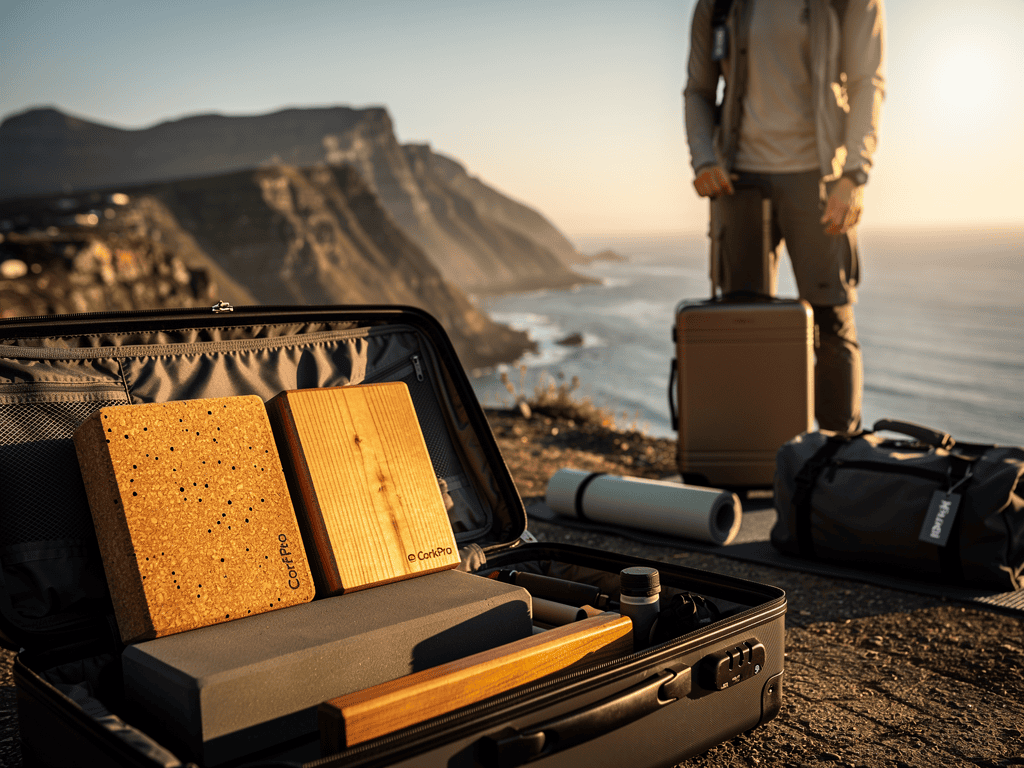
Slimmer versions, typically 3 inches deep, cater to practitioners with smaller hands or those who prefer a less bulky prop under the palms, and they fit more easily into a carry-on for travel.
Shape goes beyond the rectangle. Beveled edges, now a common feature particularly on cork and wood blocks, soften the grip and prevent the sharp corners from digging into the skin during poses like Camel or supported Fish.
A block with gently curved sides nests more naturally into the curve of the lower back or the space between the thighs.
Yoga block placed under sit bones for meditation
Under the Sit Bones for Meditation
Quantity: 1 block. Height: low. Slide the flat block directly beneath your sit bones to tilt the pelvis forward and ease strain on the hips.
Along the Spine with Head Support
Quantity: 2 blocks. Height: medium along the spine, low under the head. Opens the chest and ribcage passively while supporting the neck comfortably.
Crosswise Behind the Shoulders
Quantity: 1 block. Height: low. Positioned horizontally right at the lower tips of the shoulder blades to release the upper back.
Under the Sacrum in Supported Bridge
Quantity: 1 block. Height: low or medium. Place the stable block squarely beneath the sacrum to decompress the lumbar spine without active muscular effort.
Under Both Hands in Standing Postures
Quantity: 2 blocks. Height: high. Positioned under each hand in Triangle, Half Moon, and standing forward folds to maintain a long, neutral spine.
Between the Inner thighs
Quantity: 1 block. Height: low. Squeeze the block between your thighs to activate the adductor muscles and prevent knees from splaying outward.
Under the Forehead in Child's Pose
Quantity: 1 block. Height: low. Rest your forehead on the block to eliminate neck extension and ground the nervous system when hips stay high.
Under the Knees While Lying Down
Quantity: 1 or 2 blocks. Height: low. Slide beneath the knees while reclining to release hip tension and soften the lower back into the mat.
In seated meditation, a block on its lowest or middle height tilts the pelvis forward, allowing the knees to drop below the hips for a more stable, comfortable position.
Restorative practice calls for the block as a steadfast support under the head or heart, while active sessions use it as a feedback tool for pressing the thighs together to activate the inner legs.
| Material | What It Does Well | Trade-Offs | Best Used For |
|---|---|---|---|
| Cork | Exceptional non-slip grip even with sweat; solid, unyielding stability | Heavier to carry around; porous surface requires attentive drying | General studio practice, standing balances, and weight-bearing postures |
| Foam | Lightweight and easy to transport; gentle cushioning against sensitive joints | Compresses under heavy body weight; wears down faster over time | Fast-paced dynamic flows, travel, and cushioning under knees or head |
| Wood | Unrivaled durability; absolute rigidity with zero give or warping | Heaviest material; hard surface can feel uncomfortable on bony areas | Home practice, seated meditation elevation, and restorative alignment |
Materials and trade-offs: Cork, Foam, and Wood
Your block's material dictates grip, stability, weight, and hygiene. Understanding the trade-offs turns a generic choice into one that genuinely supports your body.
High-density foam blocks are the lightweight workhorses of the studio. They offer a soft, forgiving surface and excellent portability. The trade-off is longevity; they can compress over time with heavy use, losing their precise shape and support for advanced alignment work.
They are also the most absorbent, requiring consistent cleaning to remain hygienic.
Cork blocks command attention for their natural, layered aesthetic and exceptional firm grip, even when damp. They provide a sustainable, sturdy feel without the bulk of wood.
Their porous nature does make them harder to deep clean than sealed surfaces, and they weigh slightly more than foam, which practitioners who walk to the studio might notice.
Wood or bamboo blocks offer unmatched structural stability. They will not warp or compress, making them a lifelong tool for precise alignment and restorative postures. The trade-off is absolute: zero give.
This hardness can feel challenging on sensitive joints, and their weight makes them the least portable option. Choose wood when uncompromising support is your only requirement.
Care and everyday use for longevity
A yoga block is not a set-and-forget purchase. Daily practice exposes it to sweat, friction, and pressure that quietly erode its structure. The effort you put into maintenance directly extends the block's useful life and keeps your practice space clean.
Cleaning depends on the material. For cork, wipe with a damp cloth and a drop of mild soap after sweaty sessions; once weekly is sufficient for light use. Never soak, as cork cells swell and lose density.
Foam blocks handle a rinse with diluted mat cleaner, but always squeeze out excess water gently and air-dry completely before storage.
Wood blocks need only a dry or slightly damp microfiber cloth; if unsealed, a light application of natural conditioning oil every few months prevents cracking.
Storage habits prevent avoidable damage. Always keep blocks in a dry, ventilated area away from direct sunlight, which can fade colors and break down foam over time.
Cork is especially vulnerable: a block left in a sweaty gym bag overnight may warp or develop mildew within days. Foam can compress if stacked under heavy props, so store them side by side or loosely.
Wood blocks, though tough, can crack in extreme dryness or rapid temperature changes.
Know when to replace. Foam blocks that no longer return to their original shape or feel spongy under weight are done. Cork shows wear by shedding fine particles or developing rounded, softened corners. Wood may splinter.
Persistent odors trapped in porous materials that cleaning cannot remove are another clear signal. If a block shifts under pressure that once felt rock-solid, it has lost its ability to support you safely.
How to decide: Your Practice, Your Body, and Your Budget
Buy two, and make sure they are identical. One block serves for seated meditation, beneath your forehead, or between your thighs. As soon as you need both hands at equal height in a standing posture, or head support in a chest opener, you need the second. Two mismatched blocks defeat the purpose.
Your Practice. Restorative and Yin sessions thrive with cork or wood. These materials provide stable, grounding support for long-held postures. For dynamic, sweaty power flows, high-density foam offers a lighter, grippier surface that stays secure even when wet.
Your Body. A block is a tool for accessibility, not a sign of limitation. If you have tighter hips or limited mobility, a standard 4-inch block brings the floor closer to you.
For smaller hands, such as in kids' yoga, a slim 3-inch block improves grip and control.
Intended Use. Cork works best for almost everything across regular practice. Foam suits support placed under the head, neck, or knees. Wood provides the firmest base for seated meditation and long restorative holds.
The best question to ask is not "what should I spend," but "how long do I want this to support me?"
Choose the Right Block to Deepen Your Practice
A yoga block is more than a prop; it is a tool for accessibility, alignment, and sustainable progress. Whether you practice restorative yoga or dynamic flows, the right block adapts to your body and grows with your practice.
Buy two matching blocks to maintain symmetry in your postures. If you are choosing only one material, choose cork for dependable grip and stability, then add a single foam block for softer support under the head and knees.
Frequently asked questions
Get More Wellness Inspiration
Join our community of seekers. Bi-weekly dispatches on holistic science, sustainable living, and hidden wellness gems.

Luz Altamira
Editora enfocada en longevidad, salud femenina y hábitos sostenibles para una vida más equilibrada.
Related Articles
How to Choose the Best Meditation Cushion for Comfort and Posture

The 5 Best Books on Transcendental Meditation to Transform Your Practice
Lymphatic Drainage Massage: 60-Minute Sessions vs. Regular Massage
Why You Need a Shadow Work Journal
Singing Bowl Guide: Four Questions to Find Your First Bowl

Journal Prompts: 20 Thoughtful Questions for a More Intentional Writing Practice

Forest Bathing: What It Is, How to Try It in 3 Steps, and What to Expect