Lymphatic Drainage Massage: 60-Minute Sessions vs. Regular Massage

Introduction
Understanding this distinction matters, especially for anyone comparing a 60‑minute lymphatic drainage session to a standard relaxation massage. The two practices differ in purpose, technique, and the sensations they produce. This guide clarifies what actually happens during manual lymphatic drainage, why people turn to it, and who may benefit most from its gentler approach.

Feather-Light Touch
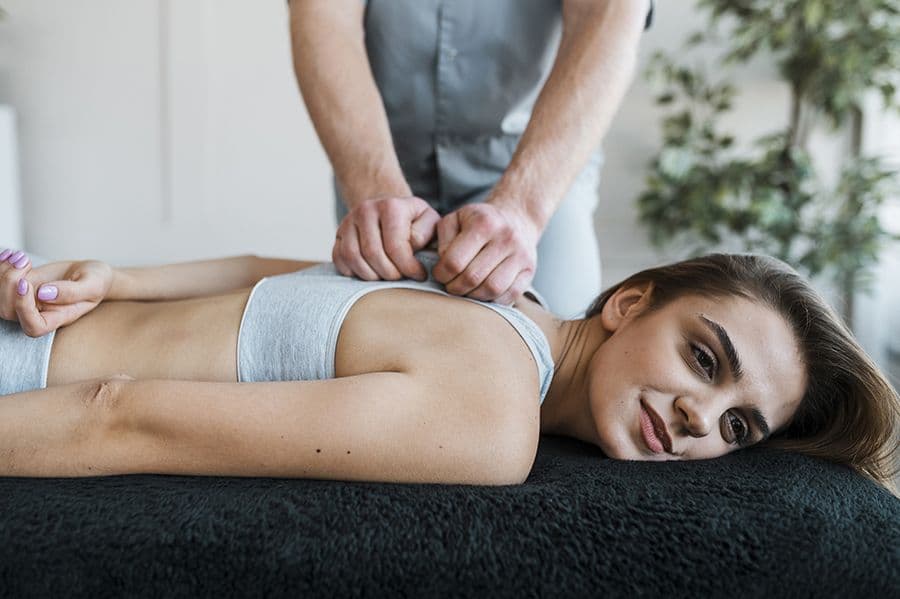
Feather-Light Touch — Gentle, rhythmic strokes that stretch the skin rather than compress muscle, following your body's natural lymph pathways. No oils, no deep pressure.
Supports Natural Drainage
Supports Natural Drainage — Encourages fluid movement toward your filtration nodes, helping ease puffiness and that heavy, sluggish feeling before it settles in.
Deeply Calming
Deeply Calming — Slow, deliberate touch triggers the parasympathetic response, leaving your limbs lighter and your nervous system at ease.
"It's not about pressure — it's about flow. This technique relies on skin stretching, not muscle compression, to guide lymph toward its natural filtration points."
What is lymphatic drainage massage?
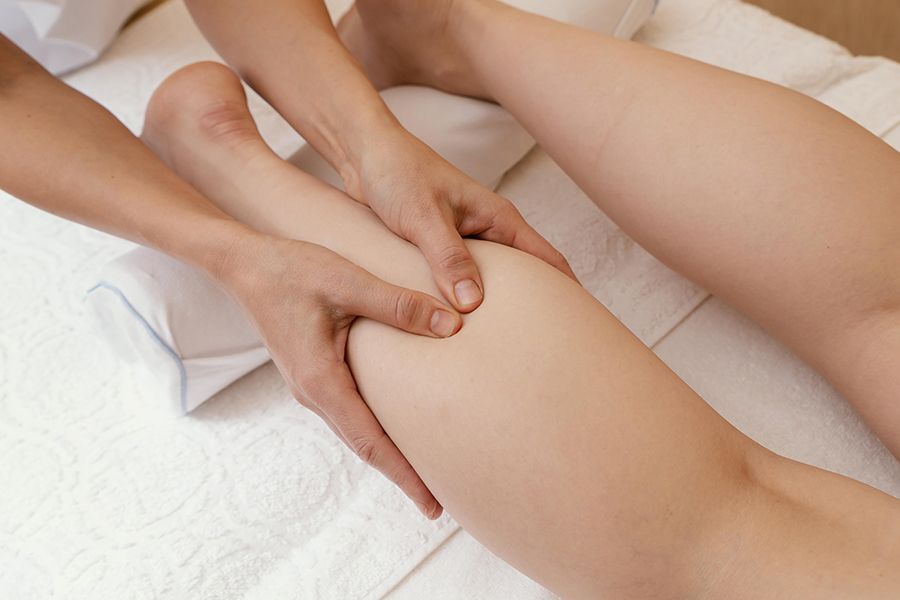
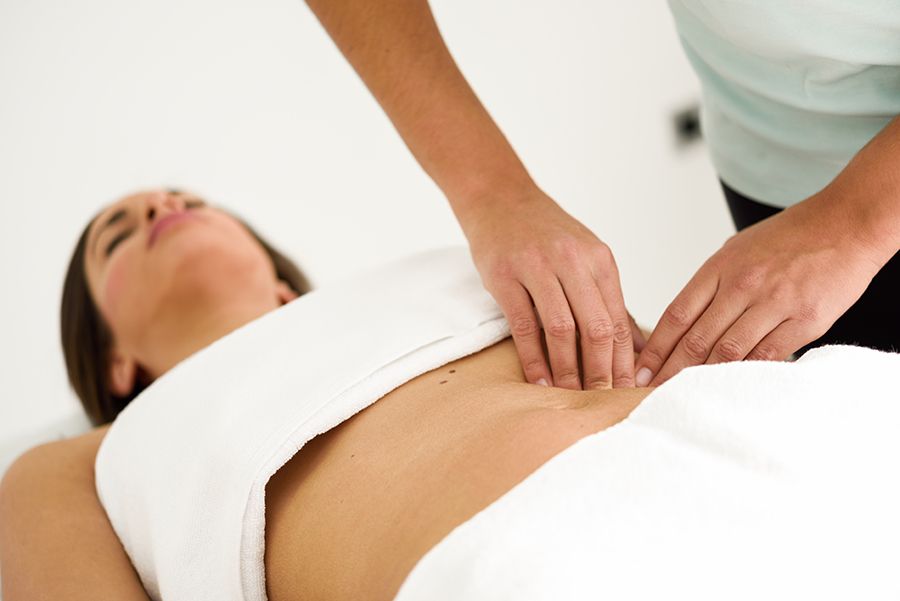
Manual Lymphatic Drainage, or MLD, is a gentle, rhythmic bodywork technique that supports the body's lymphatic network-a system of vessels and nodes that filters waste and maintains fluid balance. Unlike deep tissue or Swedish massage (which rely on firm pressure to release muscle knots), MLD uses feather-light pressure and slow, precise strokes that follow specific lymph pathways, beginning near the torso and moving outward. The work is done on bare skin, without oils, to allow precise traction.
This method relies on skin stretching, not muscle compression, to encourage the natural flow of lymph toward filtration nodes. The technique stimulates vessel walls and can even reroute lymph around blocked areas, a two-step process of clearing then reabsorption. Practitioners who offer MLD in a clinical context often complete at least 135 hours of specialized training. The technique may be used for relaxation, but its design is rooted in supporting fluid movement rather than simply easing muscle tension.
Why this matters for your body: When lymph moves efficiently, your body drains metabolic waste, reduces puffiness, and supports immune function. Without regular lymphatic support, fluid can accumulate in tissues, leaving you feeling sluggish, heavy, or prone to minor swelling. A consistent lymphatic drainage practice helps prevent this stagnation before it becomes noticeable.
What happens during a session?
A session unfolds in three gentle phases.
Your therapist begins with a brief consultation covering your health history and goals. This conversation helps tailor the session to your body's current needs.
The room is usually calm and quiet, often with soft lighting. On the table, the work is quiet and deliberate. The session typically begins with clearing the main drainage areas: the neck, underarms, and groin. Then, using skin-stretching movements rather than deep pressure, the therapist encourages fluid movement toward the lymph nodes. This clearing and reabsorption pattern works proximal to distal, opening pathways before addressing more distal regions. No oils or lotions are applied; the light grip relies on direct contact with the skin.
Afterward, you are encouraged to rest briefly and drink water. Hydration supports the body's natural flow after the session, and a moment of stillness allows the calming effects to settle. A subtle lightness often follows.
Why people try lymphatic drainage
People are drawn to lymphatic drainage massage for varied yet measured reasons. Many seek it to support post-activity recovery, aiming to ease temporary muscle soreness and encourage the body's natural return to balance. Others explore it to address occasional minor swelling or sensations of heaviness, when the rhythm of fluid circulation feels sluggish.
For individuals managing lymphedema, manual lymphatic drainage is a clinical necessity delivered by certified specialists. This therapeutic context stands apart from the versions offered in general wellness centers, which focus on relaxation and light support. It is essential not to confuse the two.
A calm warning applies: anyone with heart or kidney conditions, active infections, or fevers must secure medical clearance first. This gentle technique does not detoxify the body or burn fat. Clarifying these boundaries ensures realistic expectations.
Your first session: what to expect
Arriving well-hydrated is a simple way to support your body's lymphatic flow. The session begins with light, repetitive skin-stretching strokes around the neck and collarbones to open key drainage pathways. Pressure remains exceptionally gentle throughout, more akin to a rhythmic sweep than deep muscle work. Three sensations commonly reported after a session include lighter-feeling limbs, a calmer nervous system due to the parasympathetic response triggered by slow touch, and a noticeable shift in subjective well-being. It is helpful to set realistic timelines; while some individuals notice a difference after one appointment, many integrate this practice into a long-term wellness routine rather than relying on it as a one-time fix. Following your session, increased urination is normal as the body processes mobilized fluid.
Lymphatic Drainage Massage
Get More Wellness Inspiration
Join our community of seekers. Bi-weekly dispatches on holistic science, sustainable living, and hidden wellness gems.

Helena Park
Beauty and longevity writer tracking skincare, recovery culture, and the data-driven approaches shaping women’s health and modern self-care.