Journal Prompts: 20 Thoughtful Questions for a More Intentional Writing Practice


Staring at a blank page with generic journal prompts often leaves you stuck after two sentences, unsure how long to sit, how many days to continue, or when the exercise is finished.
A question on its own provides a topic, but a method gives you a repeatable boundary. Structured protocols define exact time limits, daily schedules, and clear endpoints so your writing practice builds genuine clarity instead of stalling after week one.
In a hurry? Skip to the notebooks and books
Why a question is not a method
Relying on disconnected questions leaves your routine without structure or boundaries. Without defined endpoints, duration rules, and structured constraints, open questions easily turn into rumination or stall after a few days.
The notebooks and books behind each method
Two of these methods only work in the right notebook, and three of them come from a specific book. Here are the four notebooks worth writing in and the three books where the techniques were first set down.
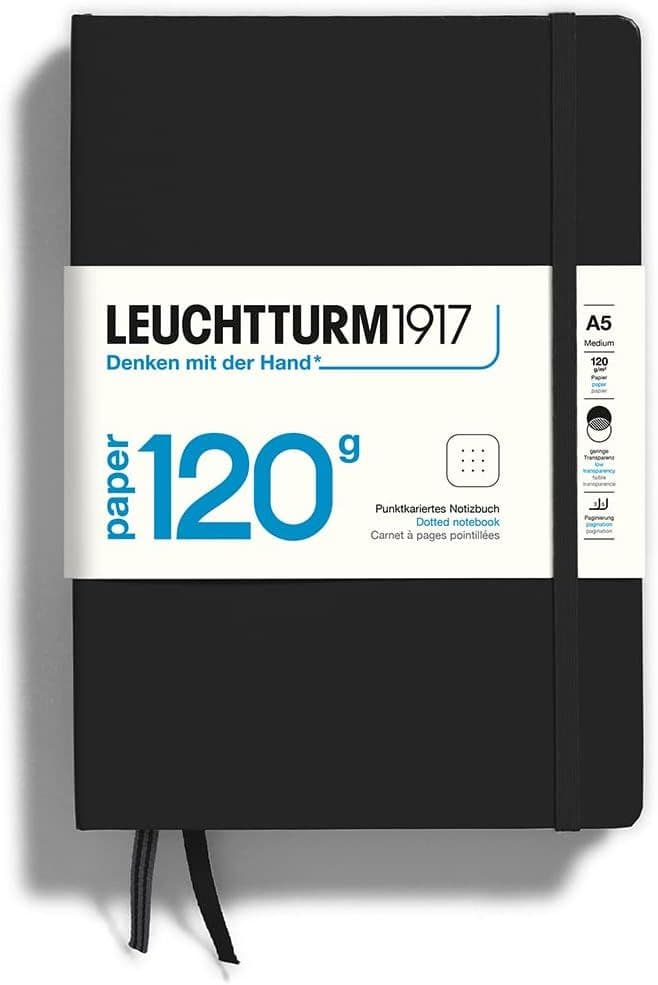
1. For the Rapid Log: Leuchtturm1917 120G A5 Dotted
The Rapid Log runs on page numbers and an index, and this notebook comes with both printed in. The dot grid keeps your bullets aligned.
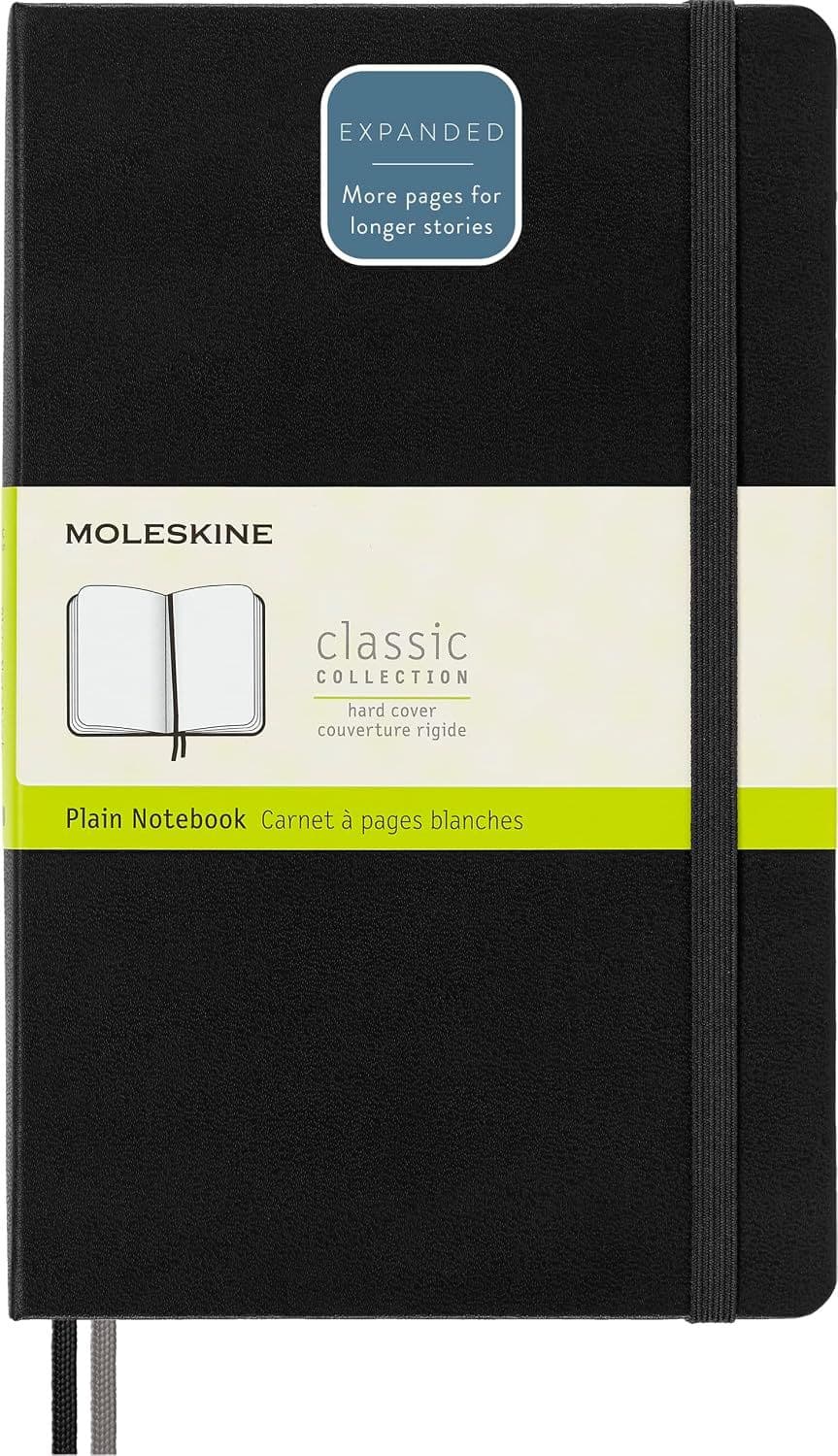
2. For Morning Pages: Moleskine Classic Expanded Large Plain
Morning Pages ask for three longhand pages a day, which uses up a standard notebook in about six weeks. With 400 plain pages, this one lasts much longer, and no lines means your handwriting can sprawl as fast as your thoughts.
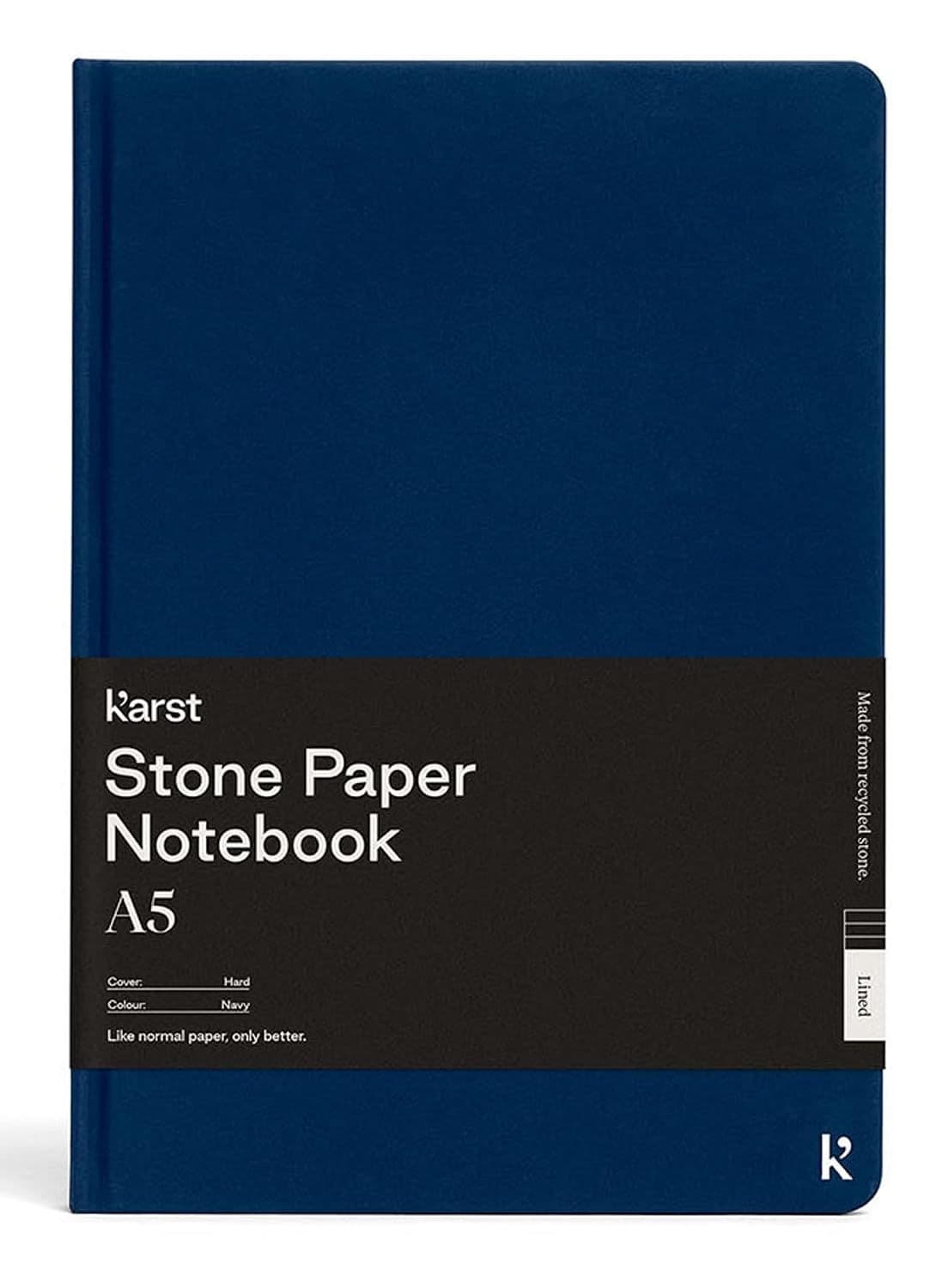
3. Tree-free paper: Karst A5 Stone Paper Blank
Karst makes its paper from ground stone instead of wood pulp, so no trees go into it. The blank pages suit short sessions: one focused prompt, or five things you can sense right now.
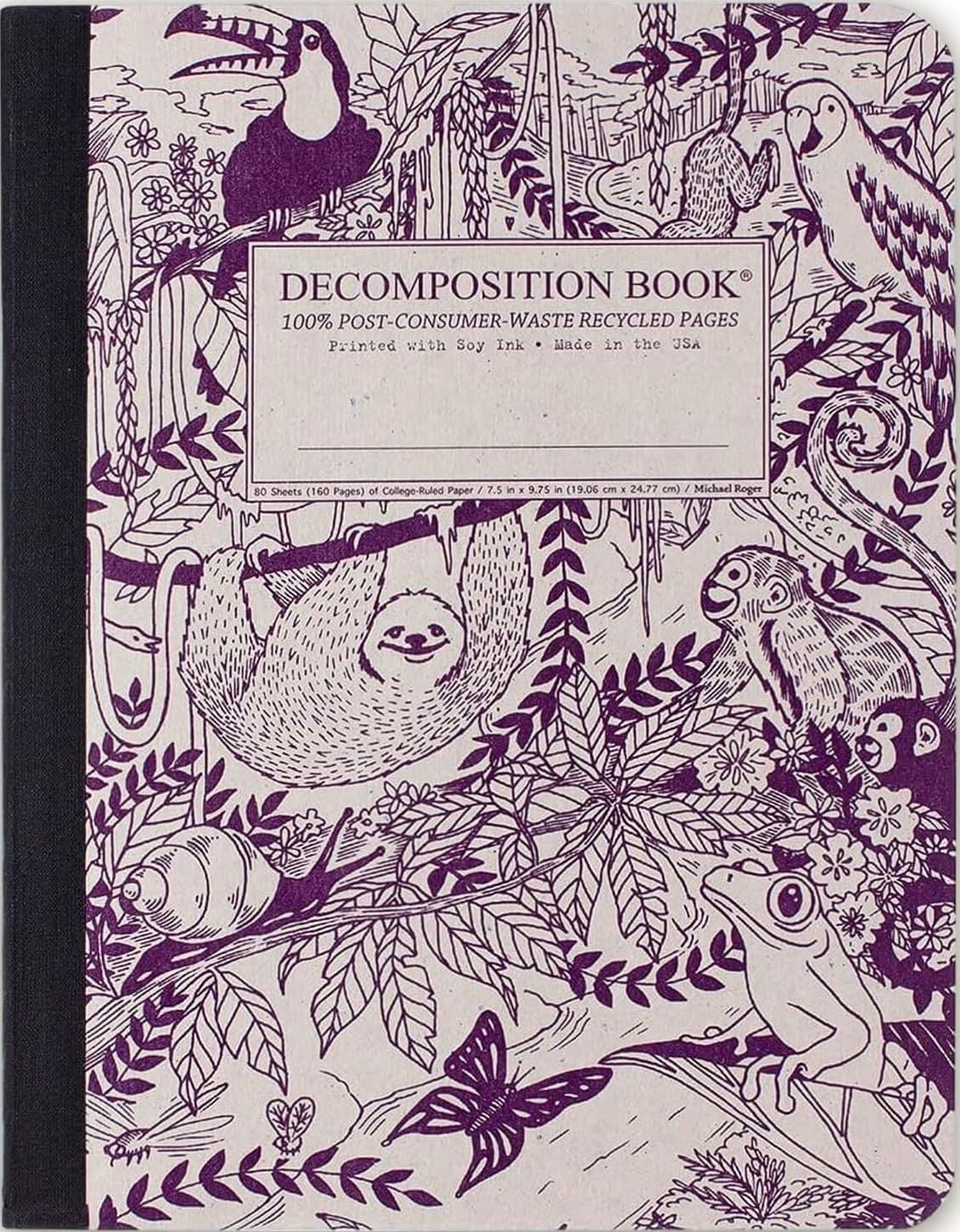
4. Recycled and made in the USA: Decomposition Rainforest
Every page is 100% recycled paper, and the book is made in the USA. It is a plain, unfussy notebook, which is exactly what the Four Days needs: pages you fill fast, without correcting a word, because no one else will read them.
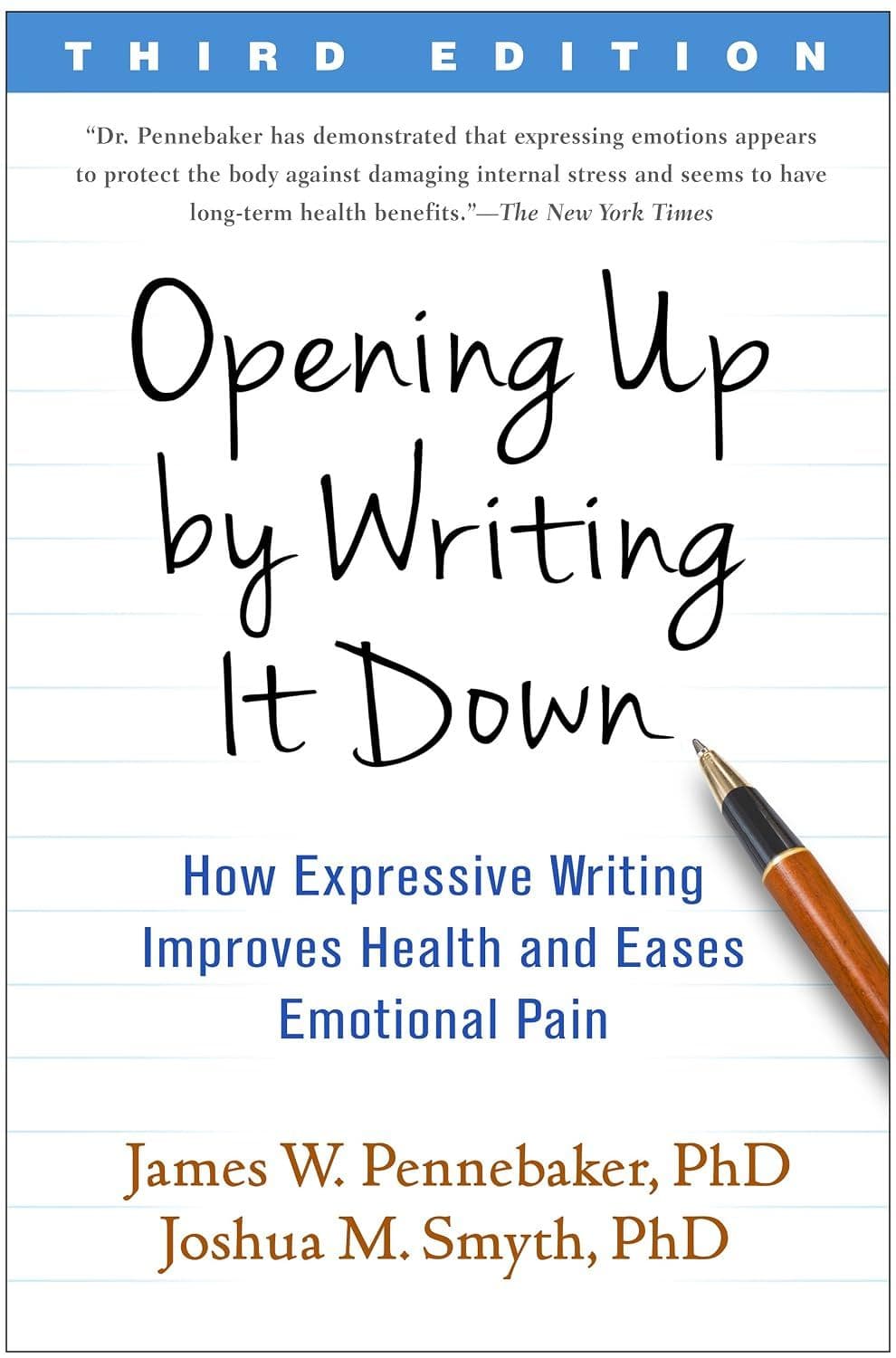
5. The source of the Four Days: Opening Up by Writing It Down
James Pennebaker ran the first expressive writing studies in the 1980s. This book, written with Joshua Smyth, explains what those studies found and how to run the exercise on your own, at your own kitchen table.
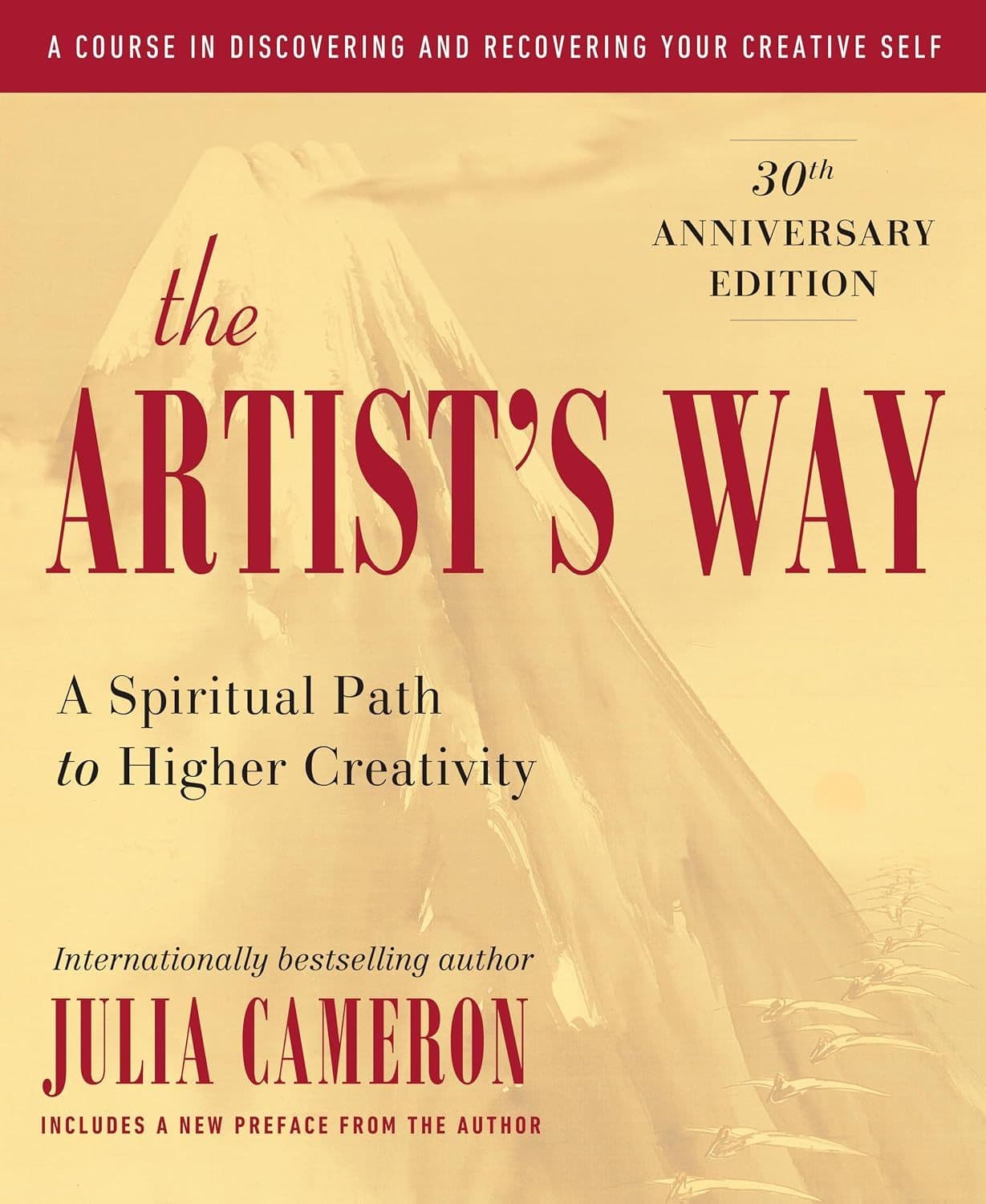
6. The source of Morning Pages: The Artist's Way
Julia Cameron introduced Morning Pages in this book in 1992: three longhand pages, first thing every morning, no editing. Read it for the method in its original words, plus the twelve-week course Cameron built around it.
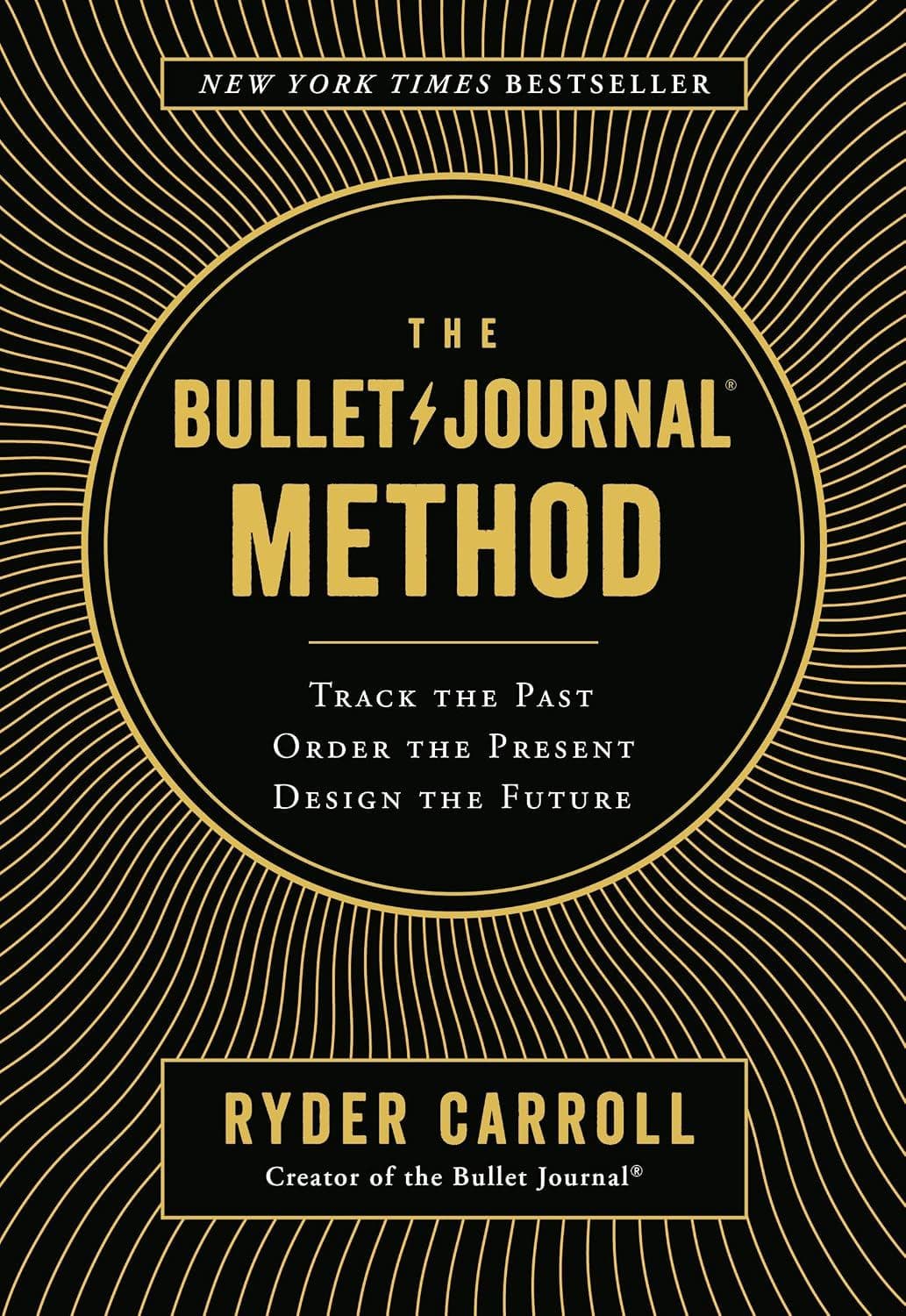
7. The source of the Rapid Log: The Bullet Journal Method
Ryder Carroll created the Bullet Journal and the Rapid Log that powers it. His book walks you through the bullets, the index and the monthly migration that keeps the system from turning into an abandoned to-do list.
This guide includes affiliate links. If you buy through them, Holisteek may earn a small commission at no extra cost to you.
The Four-Day Expressive Protocol
Research on expressive writing shows that an emotional writing practice functions best as a short, closed protocol rather than an indefinite habit.
- Pick four consecutive days at the exact same time, setting a timer for twenty minutes each session.
- Write the deepest version of the unresolved thought or emotional challenge that keeps surfacing.
- Do not correct spelling, punctuation, or wording, because no one else will read these pages.
- When the twenty-minute timer rings, put down the pen and stop immediately for the day.
- On day five, stop the practice completely; four days represents the entire intervention, not a preliminary warm-up.
Why a prompt can make a blank page feel more approachable
A blank page isn't just empty. It can feel like a silent demand to produce something meaningful right away. Prompts disrupt that pressure by offering a specific entry point, a question that narrows the vastness into something answerable.
When you face a clear question, your mind shifts from worrying about the void to engaging with a thought that is already formed. This structure acts like a mirror, reflecting what you already carry internally but have not articulated.
A prompt simply makes starting approachable enough that a few honest sentences can reveal more than a blank page.
5 prompts for noticing the present
The present moment isn't a concept. It's the weight of your shoulders, the hum of the room, the quality of your breath. Noticing where feeling lives in the body begins with direct observation. These questions help you do that, without reliving anything.
Pick one. Let it sit for a minute. The mind will chatter. Just return to the sensation. This is presence in practice: raw, direct, and free of judgment.
- Where in your body do you feel the most tension right now?
- What three sounds can you hear without straining your ears?
- If you could name the emotion sitting in your chest, what would you call it?
- What temperature does the air have against your skin?
- What texture or object in your space catches your eye first?
5 prompts for values and choices
Personal values are not just abstract ideals. They are the quiet compass behind every decision, from career moves to daily habits. These five questions help you listen to that compass.
- If you could wave a magic wand and change one thing about your daily life, what would you shift today?
- Honestly, imagine your life five years from now. Which decision today would earn the deepest gratitude from your future self?
- What personal strength do you lean on most when you are forced to choose without all the absolutely vital information?
- Think of the self you are most proud of. What one value does that person truly hold above all others?
- When you ignore the opinions of others, what choice would you make that you have been most quietly postponing recently?
5 prompts for gratitude and relationships
Gratitude deepens when it touches the people who walk beside us. Think of your journal as a time capsule for the relationships that matter most. Use these prompts to capture the connections that anchor you.
Who has been a steady source of support for you recently, and what do you wish you had told them?
What small moment of connection this week deserves to be remembered as a time capsule memory?
Which relationship in your life makes you feel most seen, and when did you last express that?
If you could thank one person for shaping who you are, what would you say?
What act of kindness from someone else changed your day, and how can you pay it forward?
These questions are not about evaluating your social circle. They are about noticing the gold that's already there. Start with the prompt that feels easiest, and let the writing unfold without judgment.
5 prompts for the week ahead
When caught in daily obligations, a shift in perspective helps. These five prompts borrow from self-distanced writing, an evidence-based method where you write in the third person using your own name to describe what happened and why, focusing on causes rather than raw feelings. In a study published in Emotion (2016, 16(3)), Park, Ayduk, and Kross showed that expressive writing increased self-distancing, and this distance predicted lower emotional reactivity both one month and six months later.
Step out of your own story, and notice what surfaces. From that slight distance, a fresh path often becomes visible. This simple practice can bring clarity before the week begins.
- What would a deeply satisfying Monday look like if you removed all unnecessary noise from your schedule?
- Which upcoming conversation needs your full presence, and what intention would shift its tone?
- Where is tension showing up in your body when you picture the next few days?
- What one small boundary could create more breathing room before Friday?
- Imagine you are reviewing your week on Sunday evening: what moment do you most want to remember?
Which journaling method fits your routine?
Take this four-question diagnostic to identify your ideal method, its core instructions, and the notebook style that supports it best.
- Q1: What actually happens when you sit down to write? My thoughts race faster than my hand; my mind goes completely blank; or I freeze trying to pick the right words.
- Q2: When would you realistically write? First thing upon waking; right before falling asleep; or during small transitional pockets during the workday.
- Q3: How long are you willing to write for? Exactly two to three minutes; ten focused minutes; or twenty unhurried minutes.
- Q4: What would make this worth doing? Clear mental bandwidth, emotional processing, or an organized record of daily life.
Match your responses below to receive your tailored setup:
| Method | Core Instructions | Recommended Notebook |
|---|---|---|
| Rapid Logging | Use bullet symbols to capture brief tasks, events, and quick observations without full sentences. | Leuchtturm1917 120G A5 Dotted, with numbered pages and an index. Source book: The Bullet Journal Method. |
| Morning Pages | Write three full pages of longhand stream of consciousness immediately after waking, without editing. | Moleskine Classic Expanded Large Plain, 400 pages for three a day. Source book: The Artist's Way. |
| Targeted Inquiry | Answer a single focused self-reflection prompt for five to ten minutes to resolve a specific question. | Karst A5 Stone Paper Blank, tree-free paper. |
| Gratitude Logging | Write down three specific, grounded moments from the past day each evening before bed. | Decomposition Rainforest, 100% recycled and made in the USA. |
| Expressive Writing | Write continuously for fifteen to twenty minutes about an emotional challenge across four consecutive days. | Decomposition Rainforest, for pages no one else will read. Source book: Opening Up by Writing It Down. |
| Sensory Noticing | Record five direct physical sensations in the present moment to anchor your nervous system. | Karst A5 Stone Paper Blank, smooth pages for five quick notes. |
Frequently Asked Questions
At Holisteek, we see reflection as a practice, not a performance. Explore our Guide & Glossary for more tools that help you slow down and reconnect, or go back to the notebook that matches your method.
Get More Wellness Inspiration
Join our community of seekers. Bi-weekly dispatches on holistic science, sustainable living, and hidden wellness gems.
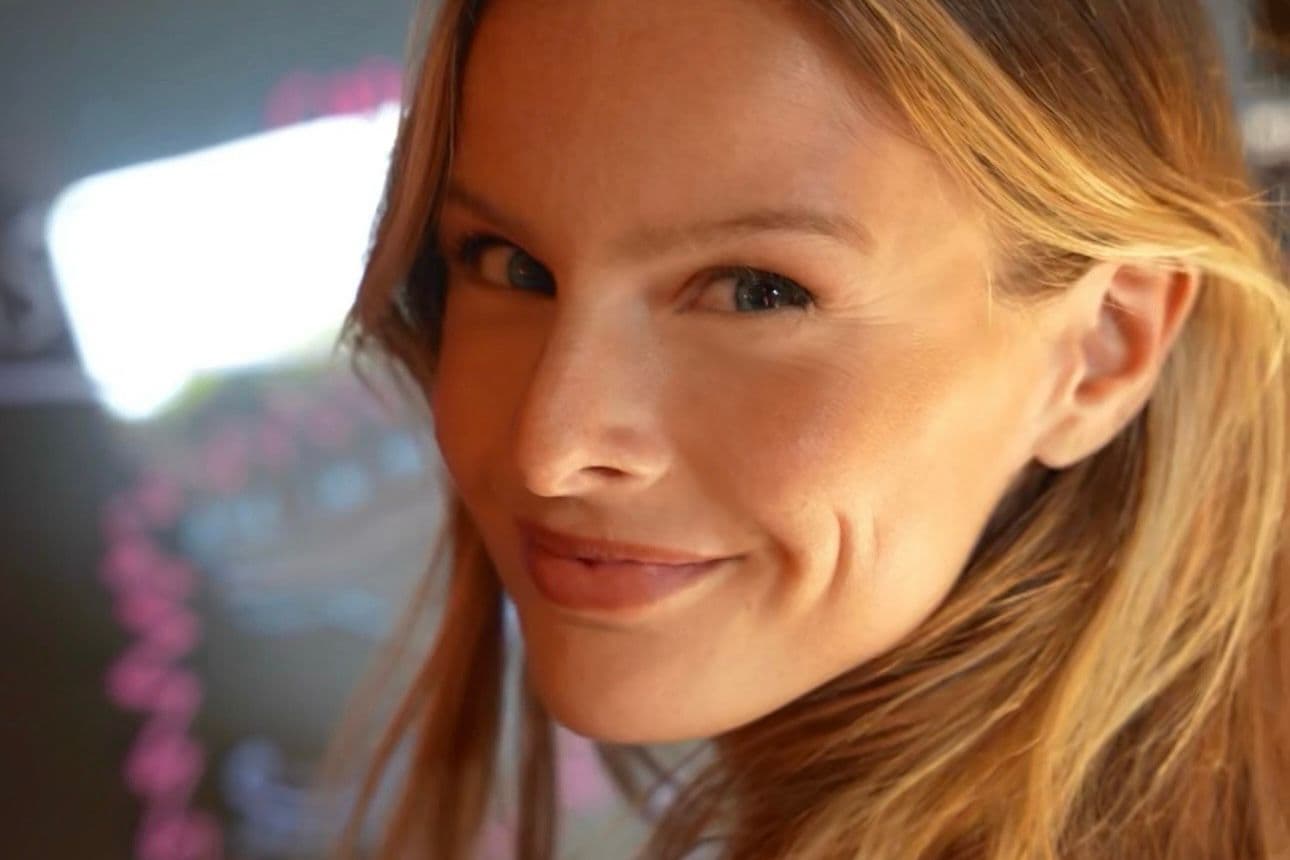
Sol Chocano
is a yoga and somatic movement teacher, wellness entrepreneur, and founder of Holisteek. Born and raised in Peru, she helps people cultivate wellbeing, balance, and connection.