Answer four simple questions to find the exact singing bowl suited to your daily routine and space.
1. Who is the bowl for?
Just me at home
Me, and I move around a lot
I want to play for other people
I teach or hold sessions already
2. Which sound pulls you more?
Warm and complex
One clear note that hangs in the air
I have no idea yet
3. What will you actually use it for?
Coming down at the end of the day
Opening and closing a sitting practice
Lying down and getting washed in sound
Working with specific notes
4. How much do you want to carry?
It stays on the nightstand
It fits in my bag
Heavy is fine
Recommended: Medium Metal Singing Bowl
A 5 to 7-inch hand-hammered bronze bowl offers rich harmonic overtones, easy palm handling, and a balanced weight suited for daily practice.
Recommended: Small Metal Singing Bowl
A compact 3 to 4-inch brass bowl delivers bright, crisp sound and easily packs into bags for travel or desk resets.
Recommended: Large Metal Singing Bowl
A 9 to 10-inch hand-hammered bowl produces deep, room-filling vibrations felt directly in the body during seated floor meditation.
Recommended: Quartz Crystal Singing Bowl
An 8-inch frosted quartz bowl produces a sustained, crystalline tone tuned to a single pitch that easily fills larger practice spaces.
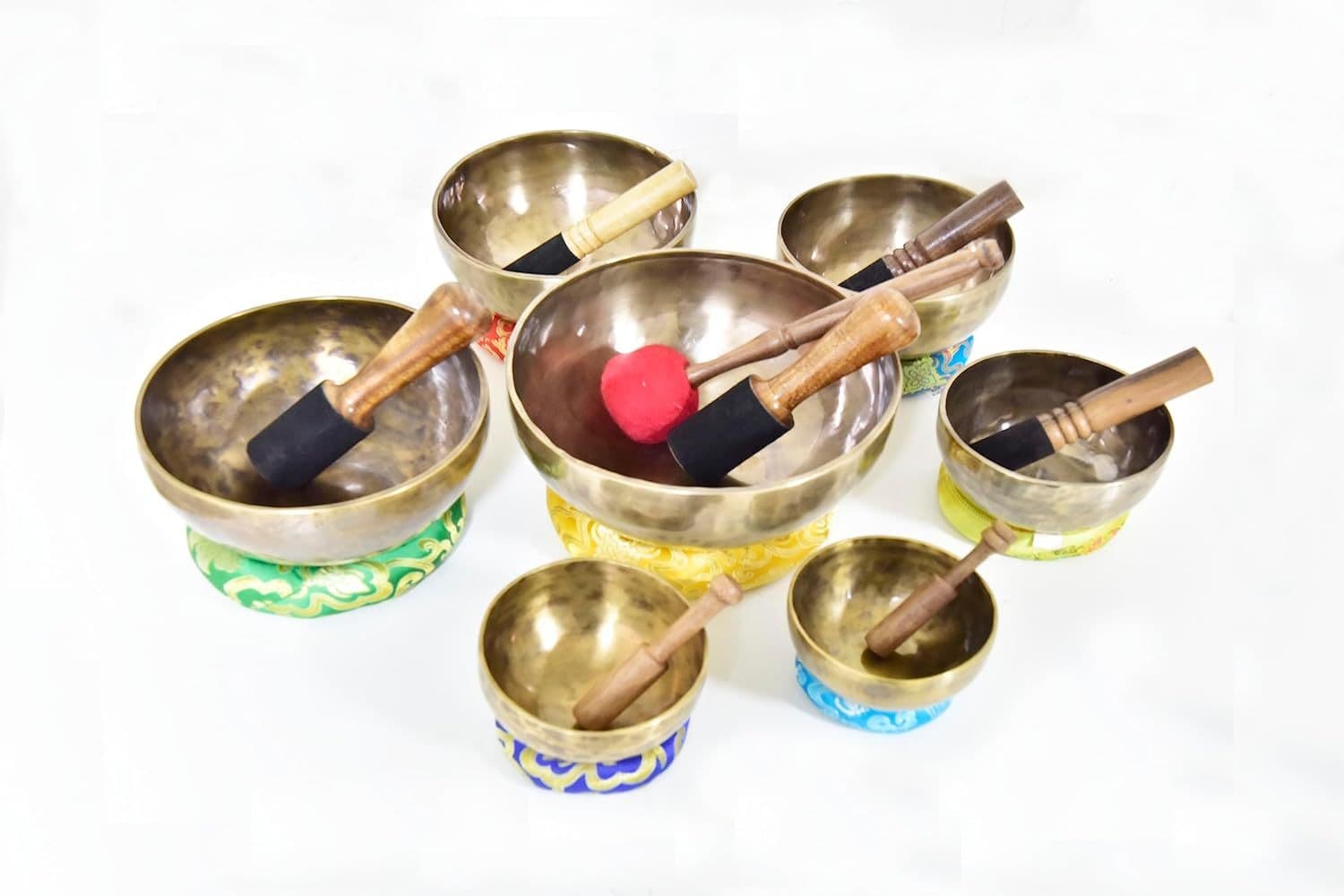
Recommended: Set of Seven Singing Bowls
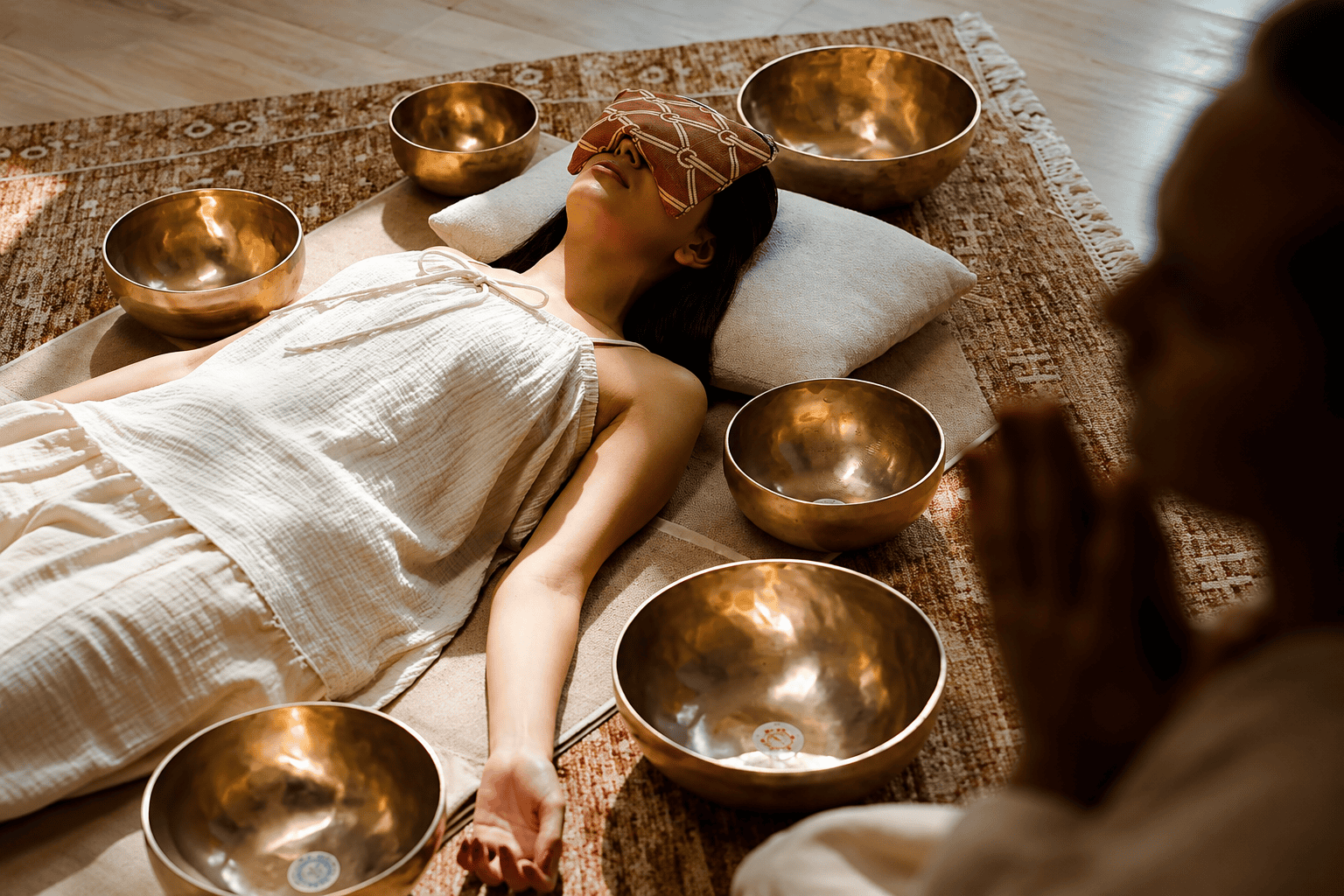
A complete 7-bowl harmonic set provides full tonal progression across multiple notes, ideal for leading sound baths or acoustic sessions.
Best singing bowl for beginners
A mid-size metal bowl, 5 to 7 inches, hand-hammered. Heavy enough to hold a long tone, light enough to rest on your palm, and wide enough at the rim that circling the mallet actually works on the first evening.
A medium bowl, roughly 5 to 7 inches in diameter, offers the most forgiving learning curve. It balances manageable weight with a clear, sustained tone, and it works equally well for personal meditation or small-room practice.
Top 5 Singing Bowls for Home Practice
Choosing a bowl for home use comes down to tone, weight, and material quality. These five models cover the most practical setups for daily practice.
1. Hand-Hammered Tibetan Himalayan Bowl (6-Inch)
Crafted from traditional bell metal bronze, this medium-sized bowl produces warm, layered overtones that sustain easily with a leather striker.
2. Frosted Quartz Crystal Singing Bowl (8-Inch, 432 Hz)
Tuned to 432 Hz, frosted quartz bowls deliver high volume and sustained, single-note purity that easily fills living rooms or personal studios.
3. Compact Travel Brass Singing Bowl (4-Inch)
Lightweight and small enough for a backpack, this bowl rings with a bright, clear pitch suited for desk spaces and short reset sessions.
4. Low-Resonance Deep Metal Meditation Bowl (9-Inch)
With its wider base and extra weight, this bowl produces low, resonant hums that create grounding physical vibrations during seated meditation.
5. Clear Quartz Handle Singing Bowl (6-Inch)
Designed with an integrated rod handle, this clear quartz bowl allows direct mobility, letting you direct acoustic vibrations around personal spaces.
Singing Bowl Size Scale
Diameter determines pitch, resonance time, and ease of play. Match your bowl size to where and how you plan to practice at home.
3 to 4 inches: High, bright tone with brief sustain. Fits neatly on desks or travel bags.
5 to 7 inches: Balanced mid-range pitch with effortless rim play. Ideal baseline for personal meditation.
8 to 10 inches: Deep, slow resonance that carries across rooms and creates perceptible physical vibration.
11 inches and up: Heavy, sub-bass tones requiring dedicated floor cushions, suited for long acoustic sessions.
Why people try singing bowls and sound baths
The most common motivation is stress reduction. The sustained vibrations may slow a racing mind and trigger a relaxation response many compare to deep meditation, but without requiring years of practice.
In an observational study of 62 people, a sixty-minute singing bowl meditation produced a significant drop in reported tension, from 1.26 to 0.14 on the scale used, along with falls in anger and fatigue and a rise in spiritual wellbeing (Goldsby et al., 2017). Participants who had never done this before showed a significantly greater reduction in tension than the experienced ones, though the study was observational without a control group.
Others arrive seeking mental clarity or emotional release. The non-verbal nature of the experience appeals to people who find talking therapies exhausting. It is a physical, felt sense of unwinding.
Discover practitioners near you: Explore our directory of local sound healing experiences and feel these benefits firsthand.
Comparing Metal vs. Crystal Singing Bowls
Choosing between metal and quartz comes down to sound complexity, room volume, and durability. Both materials offer distinct acoustic profiles and handling requirements for daily practice.
Metal Singing Bowls
Hand-hammered from an alloy, usually bronze, copper, and iron.
Several overtones sound together, shifting as the resonance fades.
Warm and grounding, producing the classic sound most people picture.
More forgiving to play, making rim technique easier for beginners, and harder to break.
Each one is slightly different due to traditional artisan crafting.
Crystal Singing Bowls
Made from quartz crystal, producing a tone that is single, pure, and very sustained.
Easier to pick out a specific note, which is why sound therapists use them.
Louder and brighter in an open room than metal bowls of the same size.
Fragile by nature, requiring an O-ring or dedicated stand to play safely.
Sold by specific musical note, allowing you to build an intentional set over time.
Singing Bowl Size and Sound Scale
Size directly shapes sound: larger bowls create deeper, slower frequencies, while smaller ones ring higher.
3 to 4 inches: High and bright, fades quickly, travels well. Best for travel.
5 to 7 inches: Mid range, long sustain, easy to play around the rim. Start here.
8 to 10 inches: Low and slow, loud enough to fill a room, felt in the body. Ideal for sound baths.
10 inches and up: Very deep, very heavy, needs a dedicated cushion. Built for practitioners.
Many practitioners choose alloy bowls for a grounding, earthy resonance that feels rooted in tradition. Crystal bowls are often preferred when clear, precise frequencies are needed for therapeutic work. Ultimately, the bowl that calms your mind fastest is the right one.
5 Steps to Playing Your First Singing Bowl
Learning the technique takes patience, but a few clear steps make it easier. Start with a quiet space and take a few slow breaths to settle your attention.
Place the bowl on your open palm or a stable cushion, keeping contact minimal so the metal can vibrate freely.
Tap the bowl lightly with the striker at a 45-degree angle near the rim. This first strike wakes up the tone.
Press the striker against the outer rim and move it in a steady circle. Use your wrist, not your full arm, for smooth, even friction.
Adjust speed and pressure as the sound builds. A lighter touch produces a higher harmonic; a firmer, slower motion deepens the vibration.
Many find the singing bowl responds best when you stay relaxed and let the sound guide your rhythm.
If your bowl will not sing during the first few minutes, the issue almost always comes down to one of three common mistakes:
Holding the bowl too tightly. Gripping the base dampens vibrations before they can resonate. Keep your hand completely flat or rest the bowl on a cushion.
Moving your arm instead of your wrist. Circling from the elbow or shoulder makes pressure uneven. Keep your arm steady and guide the mallet fluidly from the wrist.
Circling too quickly. Rushing the rim causes the mallet to bounce and rattle. Slow your circle down and maintain firm, constant contact against the outer rim.
Your first singing bowl: What to expect
• Emotional connection. You may feel an immediate sense of calm, as if the bowl's tone is speaking directly to something inside you. Many first-time owners describe a moment of recognition.
• Physical vibration. When you strike the bowl, the vibration travels through your hand, arm, and body, creating a gentle tingling sensation that feels comforting and deeply grounding. The experience is tactile and immediate, helping you feel more present in your own skin.
• Immediate groundedness. The bowl's sustained tone pulls your attention away from mental chatter and anchors you in the present moment. After just a few minutes, many people notice a quieter mind and a gentle shift toward inner stillness, without effort.
Frequently Asked Questions
Recommended Singing Bowls to Buy
Finding a reliable instrument is simple when you focus on proven models. Here are five verified singing bowls that suit different goals and budgets.
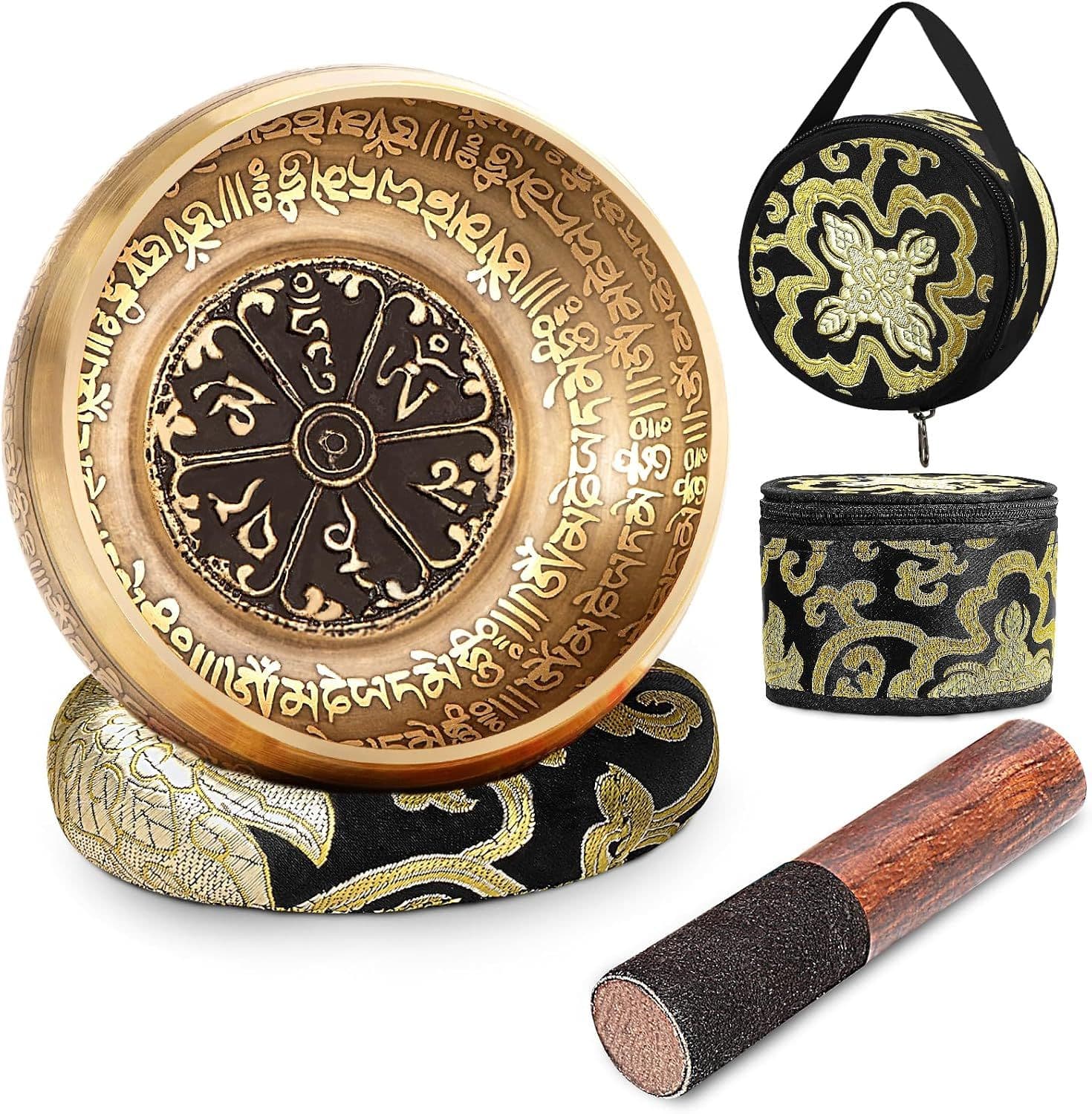
SHANSHUI 5 inch Tibetan Singing Bowl Set
A hand-hammered metal bowl that balances portability with rich resonance. It fits comfortably in the palm and sings reliably on the first attempt.
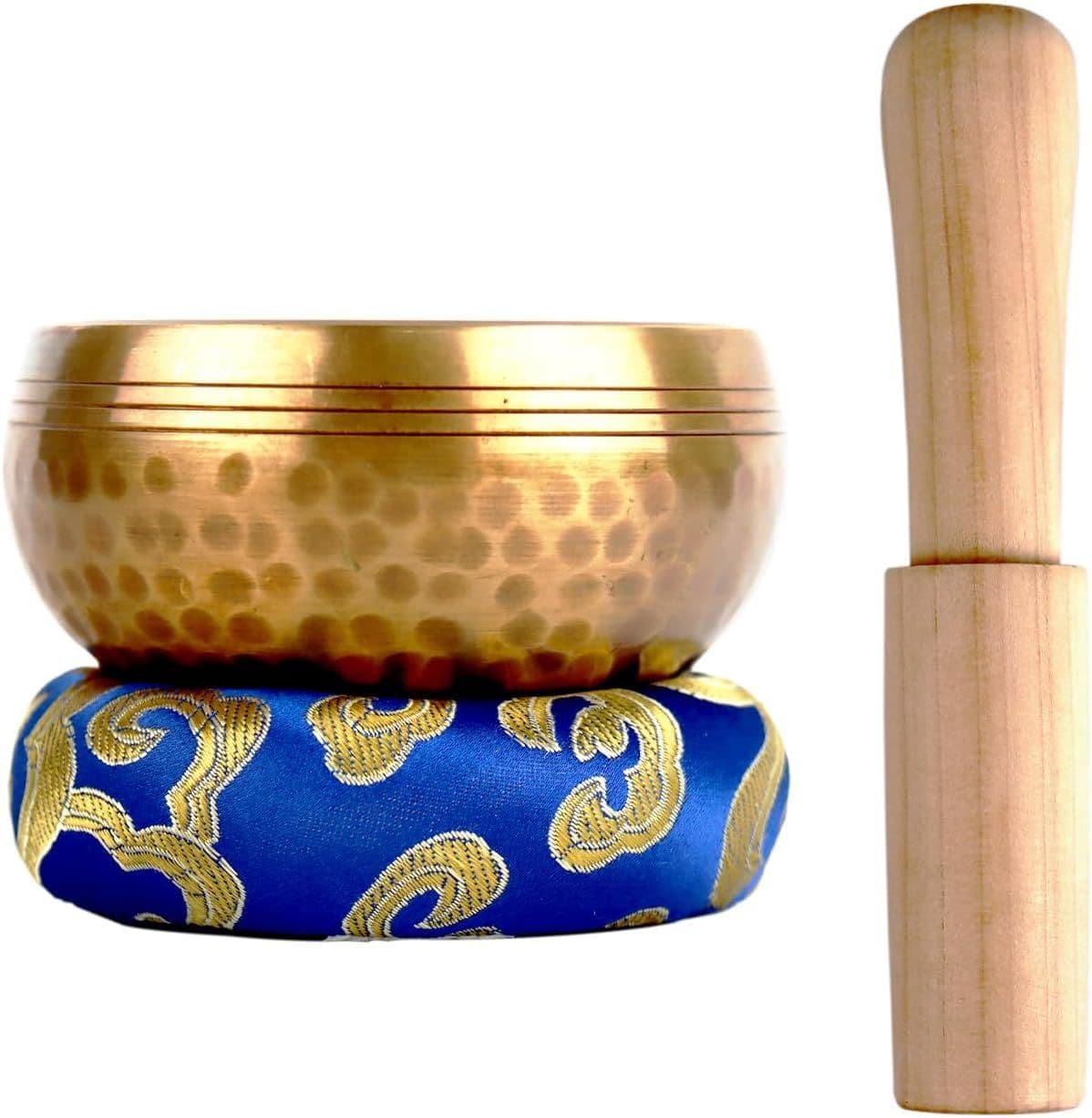
alasemo Tibetan Singing Bowl Set 3.15 inch
Compact copper singing bowl designed for desk setups and travel meditation. It rings with a crisp, bright tone that clears mental fatigue quickly.
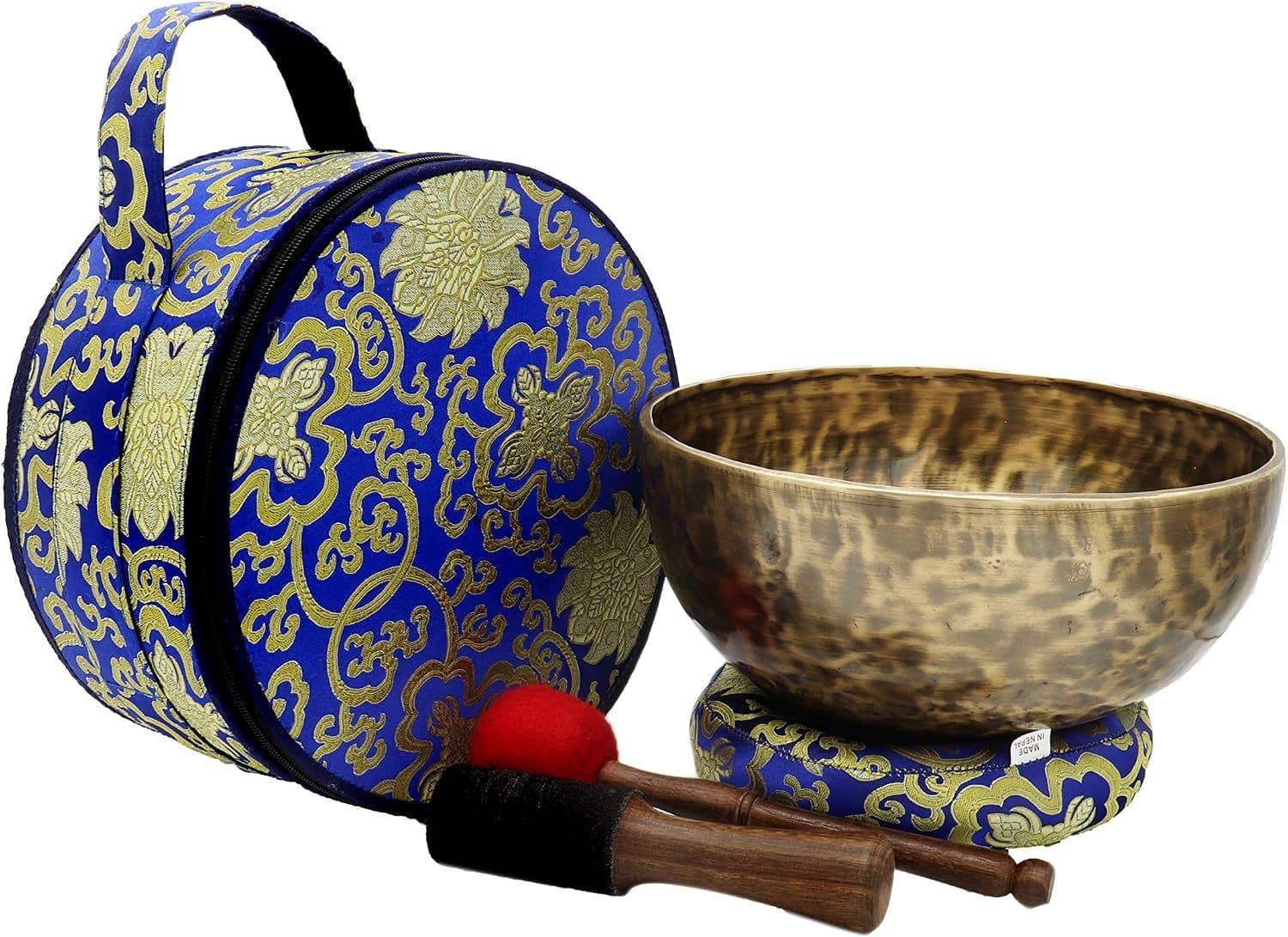
Large Tibetan Singing Bowl Set 10 inch
A substantial hand-hammered instrument capable of deep, full-bodied resonance. Its low vibrations carry across large spaces and support sustained relaxation practices.
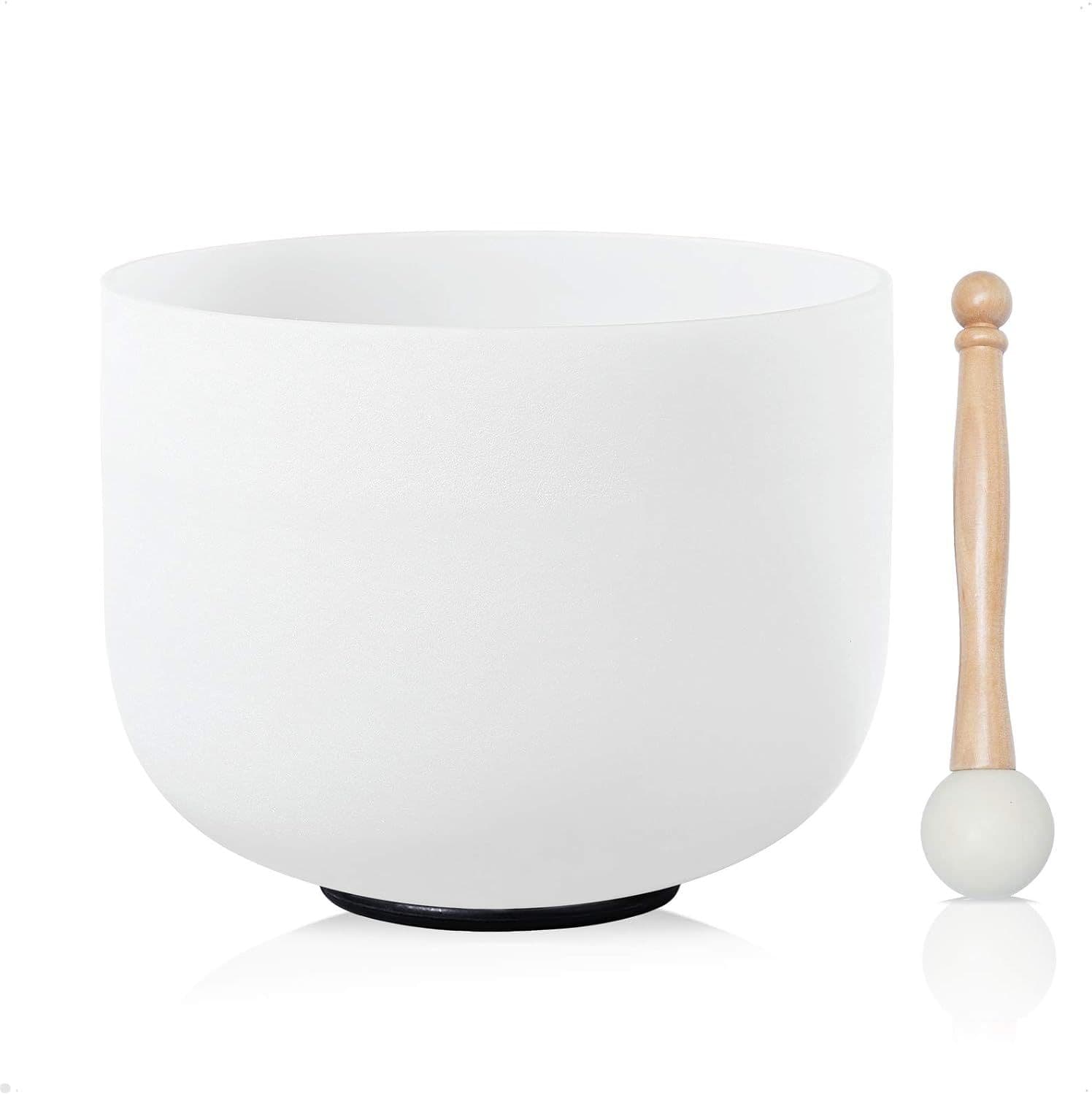
CVNC 8 inch Frosted Quartz Crystal Singing Bowl, C note
Tuned to the C note, this frosted quartz instrument provides pure, room-filling sound. The sustained clarity suits practitioners exploring focused tone therapy.
Chakra Healing Tibetan Singing Bowls set of seven
A complete seven-bowl Himalayan set designed for acoustic depth and harmonic progression. Each handcrafted piece contributes to an immersive sound session.
Choosing your first singing bowl is a personal journey, not a technical specification sheet. Let your ear decide what feels right, or find a local sound healer in the Places directory to experience a live session before you commit.
Get More Wellness Inspiration
Join our community of seekers. Bi-weekly dispatches on holistic science, sustainable living, and hidden wellness gems.

Luz Altamira
Editora enfocada en longevidad, salud femenina y hábitos sostenibles para una vida más equilibrada.