Forest Bathing: What It Is, How to Try It in 3 Steps, and What to Expect

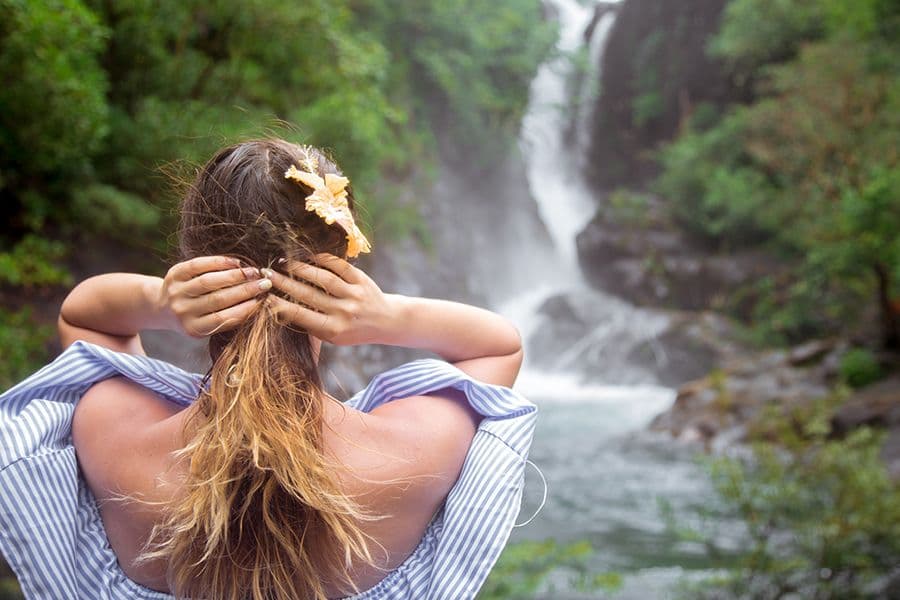
The average person now spends close to five hours a day looking at a phone. That is about seventy days a year, awake, indoors, with your attention being auctioned off in real time. Forest bathing offers a simple alternative: sensory immersion in nature without agenda or intensity.
In a hurry? Skip to the three things for your next walk
What forest bathing is and what it is not
In 1982, Japan's Forestry Agency coined the term shinrin-yoku, which translates literally to "forest bath," and began encouraging people to spend dedicated time among trees.
It was created as a nationwide public health programme rather than a wellness trend, with government-backed research exploring how immersion in natural forest environments affects human well-being.
The core practice focuses on unhurried sensory presence. Instead of tracking pace or pursuing a workout, you let sights, scents, and sounds guide your attention.
| Practice | What you are doing | What the research shows | Best for |
|---|---|---|---|
| Forest bathing | Slow sensory immersion among trees without physical goals or tracking pace. | Lower salivary cortisol, higher parasympathetic nervous activity, and reduced fight-or-flight response. | Stress recovery, mental decompression, and restoring s |
| Hiking | Navigating trails at a sustained pace, often tracking distance, elevation, and speed. | Cardiovascular endurance, physical stamina, and aerobic conditioning. | Physical fitness and exploring challenging outdoor terrain. |
| A walk in the city | Walking along paved streets amid urban sounds, traffic, and built environments. | Serves as the baseline control; higher cortisol and sympathetic tone than forest walks.* | Daily transit, basic step counts, and convenient urban mobili |
| A meditation app | Following guided audio prompts indoors using a digital screen or headphones. | Short-term reductions in perceived anxiety and improvements in focused attention. | Desk-side mental pauses and structured mindfulness routines. |
*Note: The city walk was literally the control group, which is what makes the forest figures meaningful.
How to try forest bathing: 3 steps for sensory attention
Forest bathing unfolds through presence, not distance covered. The methodology invites you to slow your pace and open your senses.
Put the phone away and pause.
Put the phone away before you go in. Not on silent in your pocket. Away, in a bag or a box, so reaching for it is a decision rather than a reflex. Stand still at the edge of the trees for one full minute and take five slow breaths.
Engage your senses while moving slowly.
Walk at a fraction of your normal pace. Touch the rough bark of a trunk, crush a fallen leaf between your fingers to smell the damp earth, and pause to watch sunlight filter through the canopy above.
Conclude with a seated pause.
Sit down on a bench, a dry rock, or the ground for the final five minutes of your session. Keep your hands empty, take three deep breaths, and let your eyes adjust before walking back to your daily routine.
Why people are drawn to it: attention, rest, and accessibility
For many, forest bathing answers a quiet need. In a landmark 2010 study published in Environmental Health and Preventive Medicine, researchers Park, Tsunetsugu, Kasetani, Kagawa, and Miyazaki evaluated 280 participants across 24 forests in Japan, comparing measurements taken in forest environments to city settings.
The researchers reported that walking in a forest environment resulted in a 15.8% decrease in salivary cortisol, a 102% increase in parasympathetic activity, and a 19.4% decrease in sympathetic nervous activity compared to city walks. A key limitation of the study was that all participants were young men.
Attention restoration theory suggests that natural environments help mental fatigue. As urbanization rises, nature-deficit deepens. More than half the world lives in cities and that share keeps climbing. This leaves many overstimulated and fatigued.
Many people find that simply slowing down and noticing the way light falls through leaves, a concept the Japanese call komorebi, is enough to shift their state. The practice invites reflection without pressure or performance.
Forest bathing also offers mental space. In daily life, attention fragments across notifications, conversations, and tasks. A forest walk consolidates attention on one sensory stream: the forest itself. This focused, undivided attention often feels restorative.
Accessibility note: you do not need vast wilderness. While research often centers on dense woodlands, the underlying mechanism does not require a remote forest. A city park works well. Real trees, quiet surroundings, and leaving screens behind provide the essential elements for sensory restoration.
Your first forest bathing walk: 3 essential takeaways
Before you enter the trees, pick a spot you already know. Familiar terrain removes the mental load of navigation, so attention stays with your senses. Your first walk should feel easy to repeat.
Leave your phone on silent and out of reach. Digital disconnection is part of the practice, not an afterthought. The sounds you hear should come from leaves, birds, or your own breath.
Set a slow, self-paced rhythm. There is no distance to cover and no correct speed. Stop, stand still, or sit when something holds your attention. Think of it as wandering rather than walking.
Forest bathing works best as a regular practice. Even brief visits-20 to 40 minutes-can offer sensory connection and a mental pause. Consistency matters more than duration or perfect technique.
Frequently Asked Questions
Three things for your next walk
Putting the phone away is the step most people never manage on their own. Each of these three picks solves a real moment in this practice: the reflex to check your screen, the research behind the walk, and the thought you want to keep.
1. For step one: KSafe Phone Lock Box with Timer
Drop your phone in, set the timer for the length of your walk, and the lid stays locked until it runs out. Reaching for the screen stops being a reflex, which is exactly what step one asks of you.

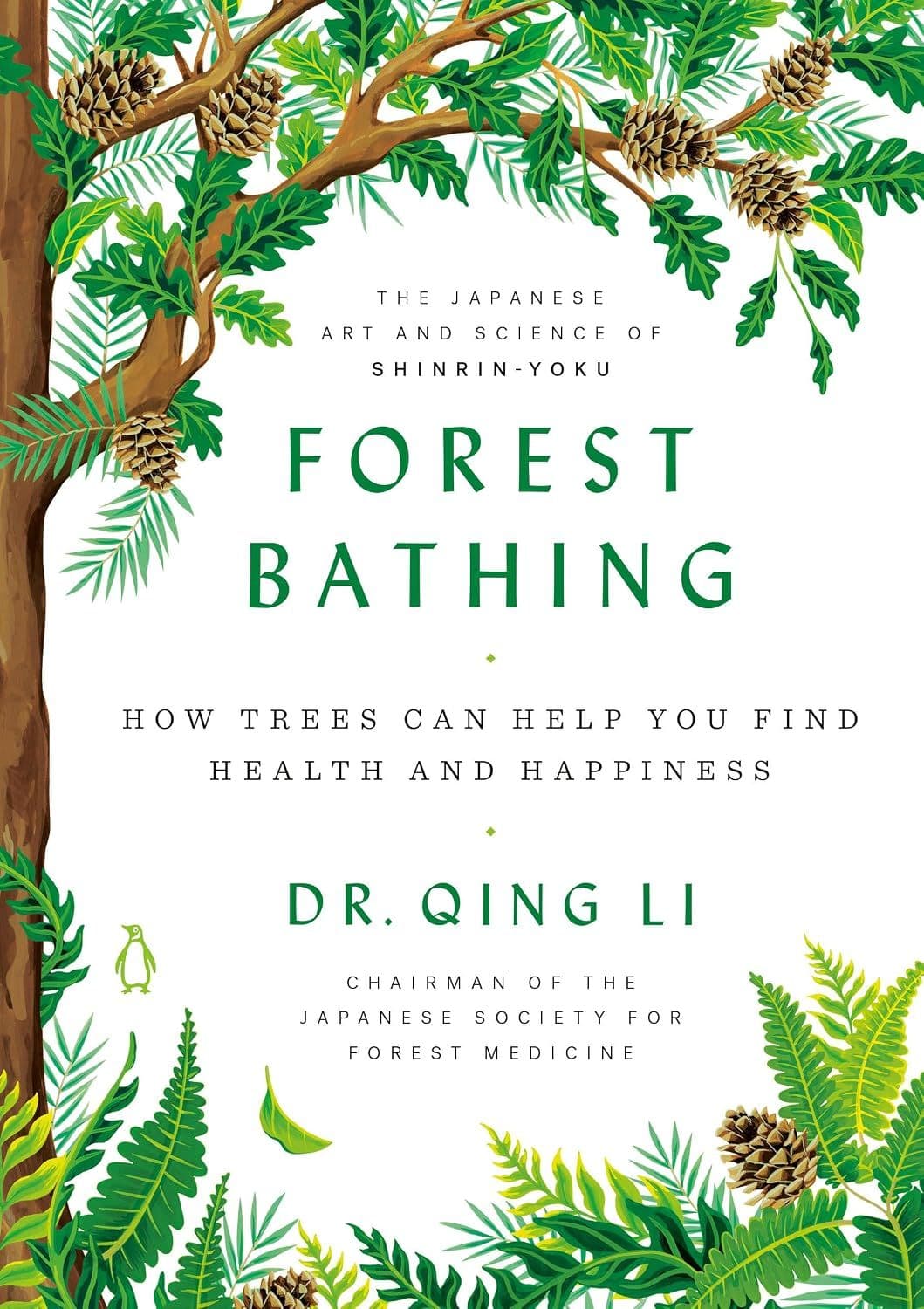
2. The research behind it: Forest Bathing, Dr Qing Li
Dr Qing Li is the immunologist behind the natural killer cell research cited in this guide. His book explains what happens in your body among trees and gives you simple ways to bring the practice into a busy week.
3. For the thought you want to keep: Rite in the Rain Weatherproof Notebook, pack of 3
When something catches your attention, write it on paper instead of unlocking your phone. The weatherproof pages handle damp air and drizzle, so one notebook can live in your jacket pocket for every walk.

This guide includes affiliate links. If you buy through them, Holisteek may earn a small commission at no extra cost to you.
Discover more nature-based wellness experiences and guides on Holisteek to deepen your practice and explore other pathways to calm.
Get More Wellness Inspiration
Join our community of seekers. Bi-weekly dispatches on holistic science, sustainable living, and hidden wellness gems.

Sol Chocano
is a yoga and somatic movement teacher, wellness entrepreneur, and founder of Holisteek. Born and raised in Peru, she helps people cultivate wellbeing, balance, and connection.
Related Articles

How to Choose the Best Meditation Cushion for Comfort and Posture

The 5 Best Books on Transcendental Meditation to Transform Your Practice

Lymphatic Drainage Massage: 60-Minute Sessions vs. Regular Massage

Why You Need a Shadow Work Journal
Singing Bowl Guide: Four Questions to Find Your First Bowl