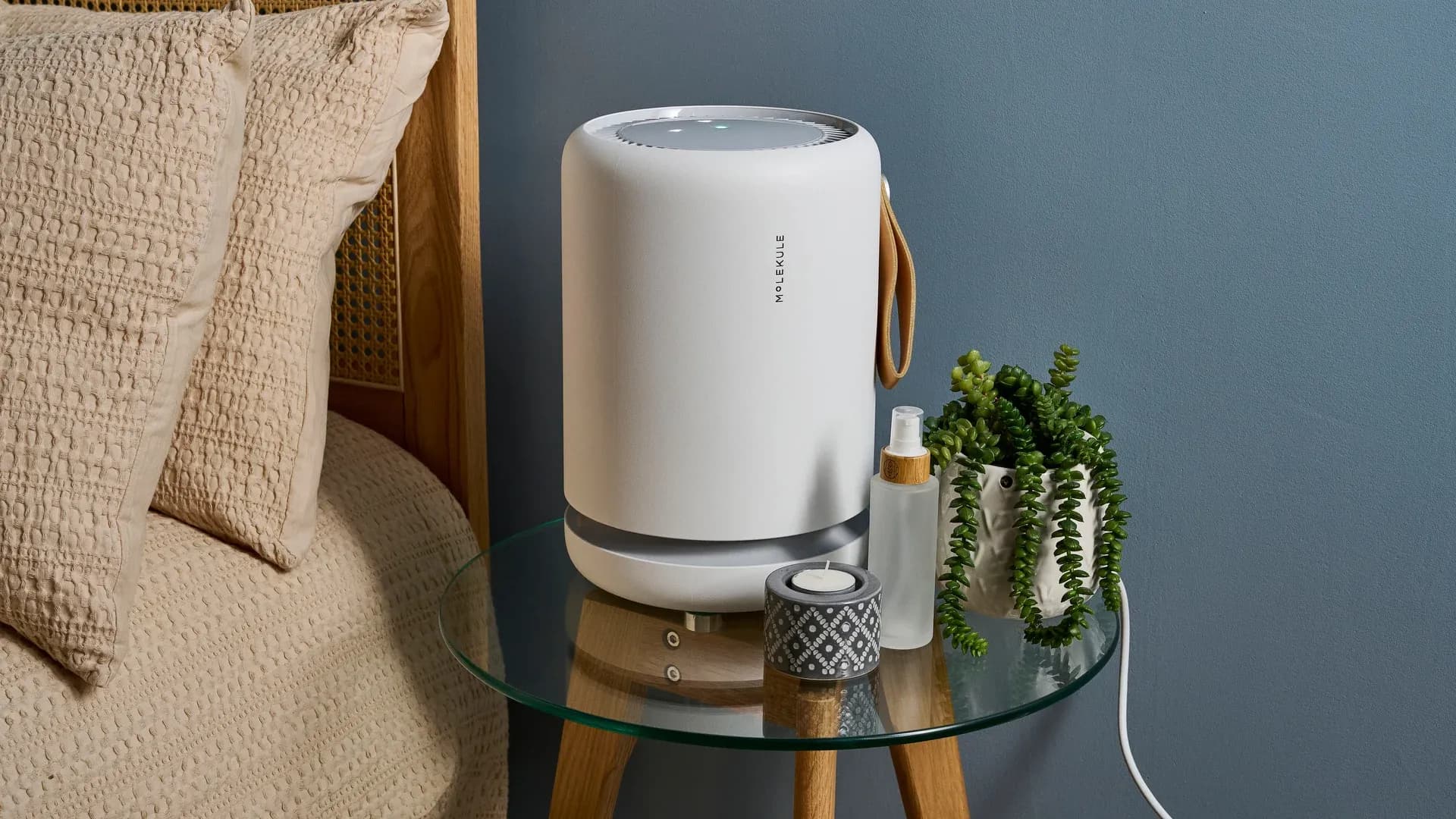
The EPA says indoor air can be two to five times more polluted than outdoor air. Most people have never thought about that once.
You cannot see dust mites, mold spores, or VOCs. You cannot smell most of them either. But they are there, and your body responds to them whether you notice or not. Congestion, fatigue, headaches, disrupted sleep. Things you have probably been writing off as something else.
An air purifier is not a wellness upgrade. At this point it is basic maintenance.
| If you notice this... | Your indoor air quality might be the cause |
|---|---|
| Morning congestion that clears once outside | Indoor dust mites, mold spores, or pet dander |
| Persistent fatigue with no clear reason | Poor ventilation or elevated indoor CO2 levels |
| Frequent headaches when at home | VOCs from furniture, paint, or cleaning products |
| Itchy eyes or skin irritation indoors | Airborne allergens including pet dander and pollen |
| Worsening allergy symptoms at home | Accumulated dust, mold, and airborne particles |
| Disrupted sleep or difficulty breathing at night | Particulate matter affecting respiratory function |
How Air Purifiers Work
Air purifiers pull room air through a filtration system, trap or destroy pollutants, and return clean air to the space. Most models cycle the room air multiple times per hour. Three core technologies handle the actual filtering:
🌬️ HEPA filtration. Captures 99.97% of particles at 0.3 microns. That includes dust, pollen, pet dander, mold spores, and most bacteria. HEPA is the standard used in medical facilities and clean rooms.
🪨 Activated carbon. Absorbs odors, smoke, and VOCs through adsorption. Gas molecules get trapped in the porous structure of activated charcoal. This is the layer that handles cooking smells, candle residue, and chemical fumes.
💨 HEPASilent technology. Blueair's proprietary system combines mechanical and electrostatic filtration to capture particles as small as 0.1 microns at lower fan speeds. Quieter operation with stronger particle capture than standard HEPA alone.
Room coverage is measured by CADR (Clean Air Delivery Rate). Higher CADR means faster pollutant removal. Always match the purifier's rated square footage to your actual room size.
Air Purifier Benefits for Your Home
Consistent use of an air purifier may support the following:
🌿 Reduces allergens. HEPA captures pollen, dust mites, and pet dander that trigger seasonal and year-round allergy symptoms. Running a purifier continuously in bedrooms and living areas lowers airborne allergen concentration.
🦠 Filters bacteria and airborne particles. HEPASilent technology traps particles down to 0.1 microns, including bacteria, mold spores, and wildfire smoke. Effective for homes with pets, poor ventilation, or sensitivity to particulates.
🕯️ Neutralizes odors and VOCs. The activated carbon layer absorbs cooking smells, smoke, and chemical fumes from furniture, paint, and cleaning products. Useful in kitchens, home offices, and any space with limited airflow.
😴 Supports better sleep. Cleaner air makes breathing easier at night. Purifiers with quiet operation (under 40 dB) run in the background without disrupting sleep. Auto mode adjusts fan speed based on real-time air quality.
🐾 Helps with pet environments. Pet dander and hair are among the most common household allergens. A purifier with strong particle capture reduces what circulates in the air between cleaning sessions.
Do Air Purifiers Really Work?
The short answer is yes, and the research is not ambiguous. HEPA filtration is used in hospitals, operating rooms, and laboratories precisely because particle-free air is not optional in those environments. The same principle applies at home.
Studies consistently show that indoor air contains higher concentrations of pollutants than outdoor air. Dust mites, mold spores, pet dander, VOCs from furniture and cleaning products, and residue from cooking all circulate in enclosed spaces. Without filtration, you breathe all of it.
A purifier does not solve everything. It does not remove what has already settled into carpets or walls. But it handles what is actively floating in the air, which is the part that reaches your lungs.
Air Purifier vs Humidifier: What Is the Difference?
These two devices serve completely different purposes and are often confused. Here is the short version:
| Feature | Air Purifier | Humidifier |
|---|---|---|
| Purpose | Removes particles and pollutants | Adds moisture to dry air |
| Best for | Allergies, smoke, odors, bacteria | Dry skin, static, sinus dryness |
| Technology | HEPA, carbon, HEPASilent | Ultrasonic mist or evaporative |
| Work together? | Yes, they serve different needs | Yes, they serve different needs |
If you are dealing with airborne particles, allergens, or odors, you need an air purifier. If dry air is the problem (cracked lips, static, sinus irritation), you need a humidifier. If both apply, both devices can run at the same time without interfering with each other.
How to Choose the Right Air Purifier
Four criteria matter most:
📐 Room size. Match the purifier's rated square footage to your actual room. Undersizing means incomplete coverage. For open-plan spaces, choose a model rated well above your square footage.
🔬 Filter type. True HEPA or HEPASilent is the minimum standard. Add a carbon layer for odors and VOCs. Avoid ionizers if you are sensitive to ozone.
🔇 Noise level. Look for models rated under 40 dB on low speed. Auto mode adjusts fan speed based on air quality sensors, so you do not have to manage it manually.
📱 Smart features. App connectivity lets you monitor air quality in real time, track filter life, and control settings remotely. Useful for understanding whether the purifier is actually working.
Our Top Pick
Best air purifier for large rooms — Blueair Blue Pure 211i Max
Blueair Blue Pure 211i Max $269.99
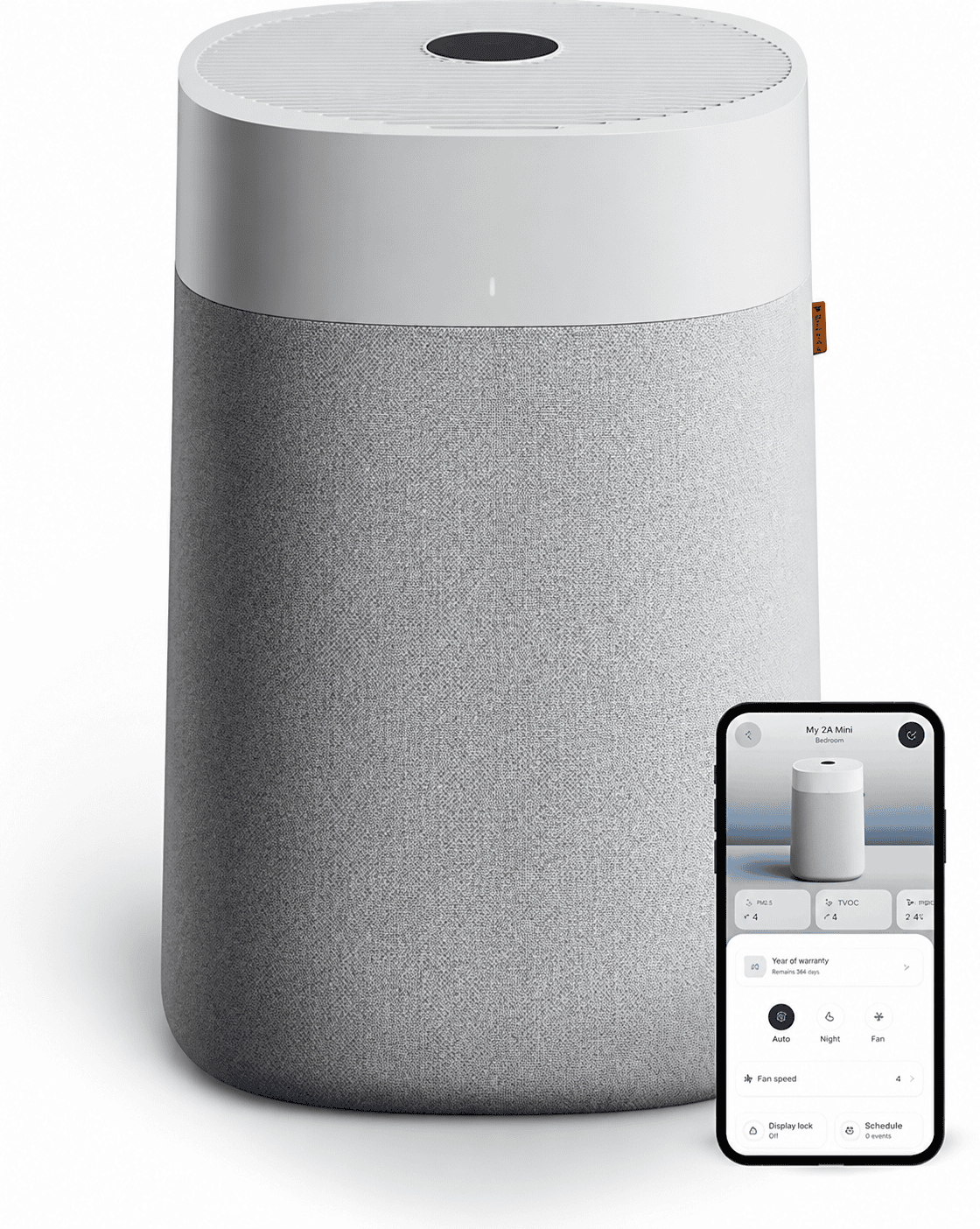
Blueair Blue Pure 211i Max
HEPASilent technology: captures particles down to 0.1 microns
Covers up to 3,235 sqft (cleans 674 sqft in 12.5 minutes)
Noise level: 23 dB on lowest setting, Quiet Mark certified
Filter type: activated carbon + HEPASilent
Smart app control: Amazon Alexa, iOS, Android compatible
Auto mode: adjusts fan speed based on real-time air quality sensors
Washable fabric pre-filter included
46 watts
How to Use an Air Purifier Effectively
Placement and runtime determine how well a purifier performs.
Place it where you spend the most time. Bedroom or living room first. Air purifiers clean one room at a time, not an entire home.
Keep 12 inches of clearance around the unit. Air intake and output vents need unobstructed space. Do not tuck it behind furniture.
Run it continuously on low or auto mode. Intermittent use lets pollutants accumulate again when the device is off. Auto mode handles the rest.
Replace filters on schedule. Most HEPA filters last 6 to 12 months. A dirty filter reduces airflow and filtration efficiency. Check the app or indicator light.
Wipe down the exterior monthly. Dust buildup on vents reduces circulation. A microfiber cloth takes 30 seconds.
Build a Cleaner Home Environment
Clean air is the foundation. These four products complete the picture: scent, humidity, and atmosphere that work with your purifier, not against it.
Best scent diffuser — The Magic Scent Bluetooth Diffuser
The Magic Scent Bluetooth Diffuser $149.95
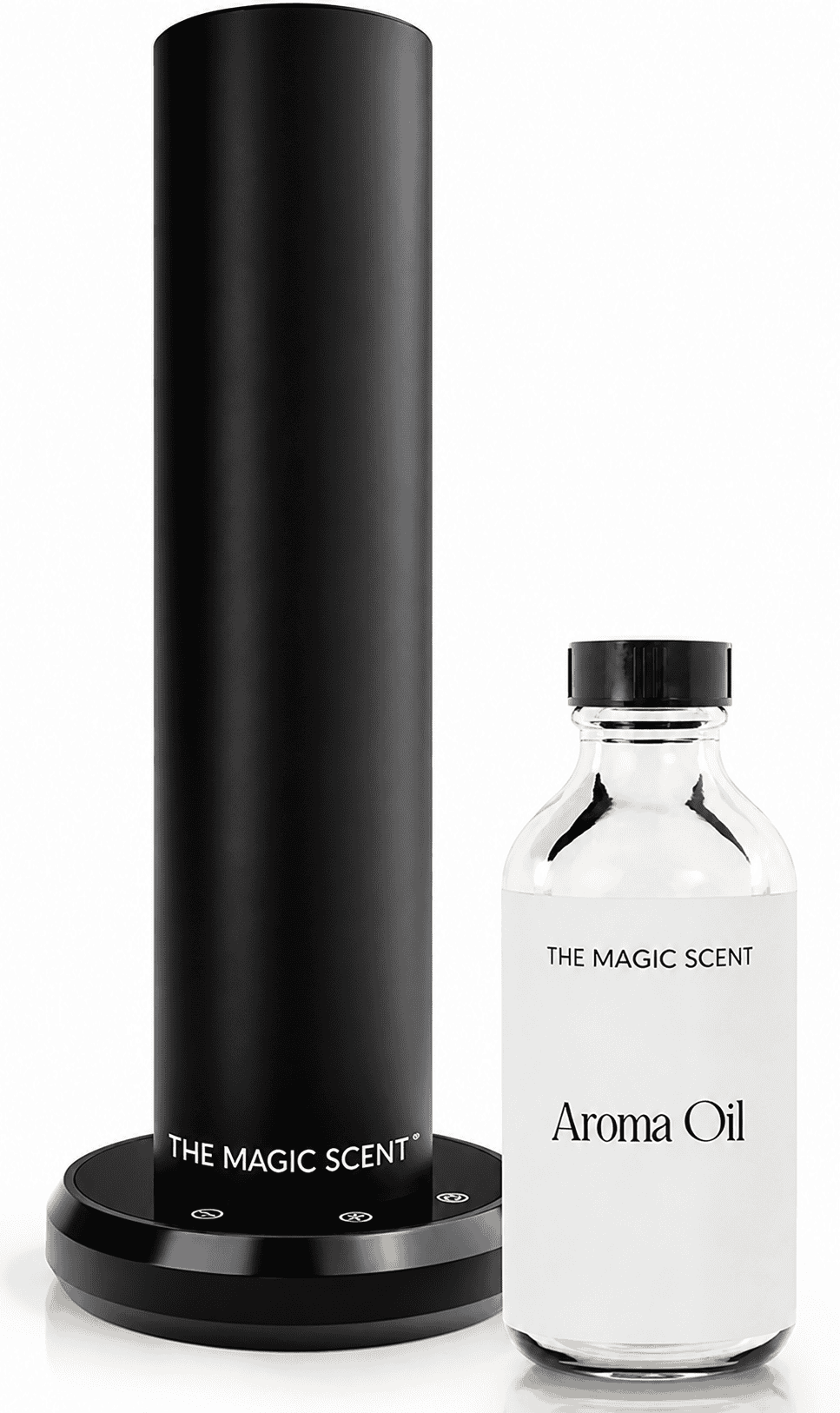
The Magic Scent Bluetooth Diffuser
Waterless cold-air diffusion (no heat, no residue)
Covers up to 1,000 sqft
10 intensity levels and 24/7 programmable timer
Bluetooth app control
Recycled aluminum body
Premium aroma oil included
Best essential oil — Plant Therapy Organic Lavender Essential Oil
Plant Therapy Organic Lavender Essential Oil $42.99
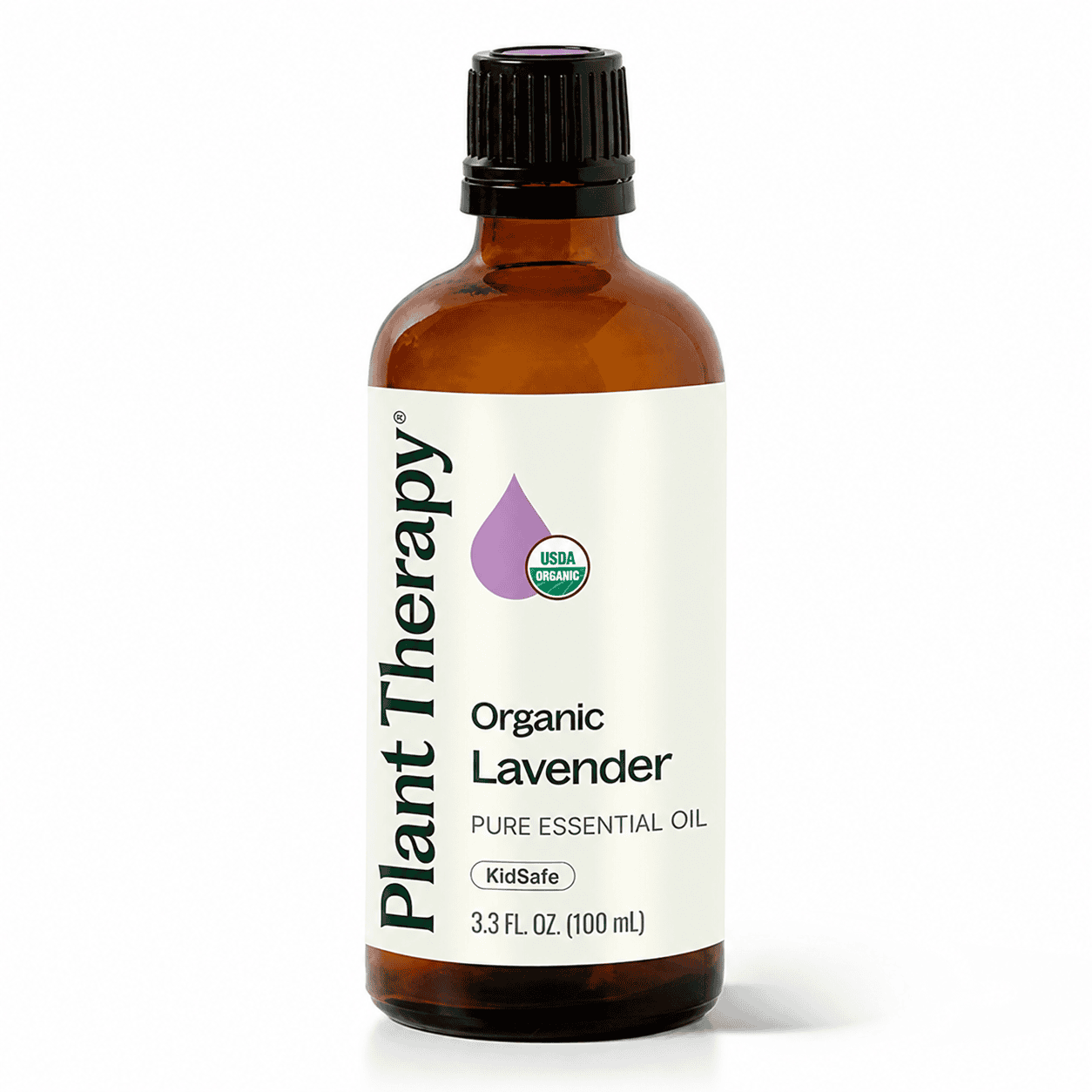
Plant Therapy Organic Lavender Essential Oil
100% pure, USDA certified organic lavender
Undiluted, therapeutic grade
100 mL bottle
Batch-specific GC-MS tested by third-party labs
Suitable for aromatherapy and diffusion
Best humidifier — Canopy Bedside Humidifier 2.0
Canopy Bedside Humidifier 2.0 $159.00
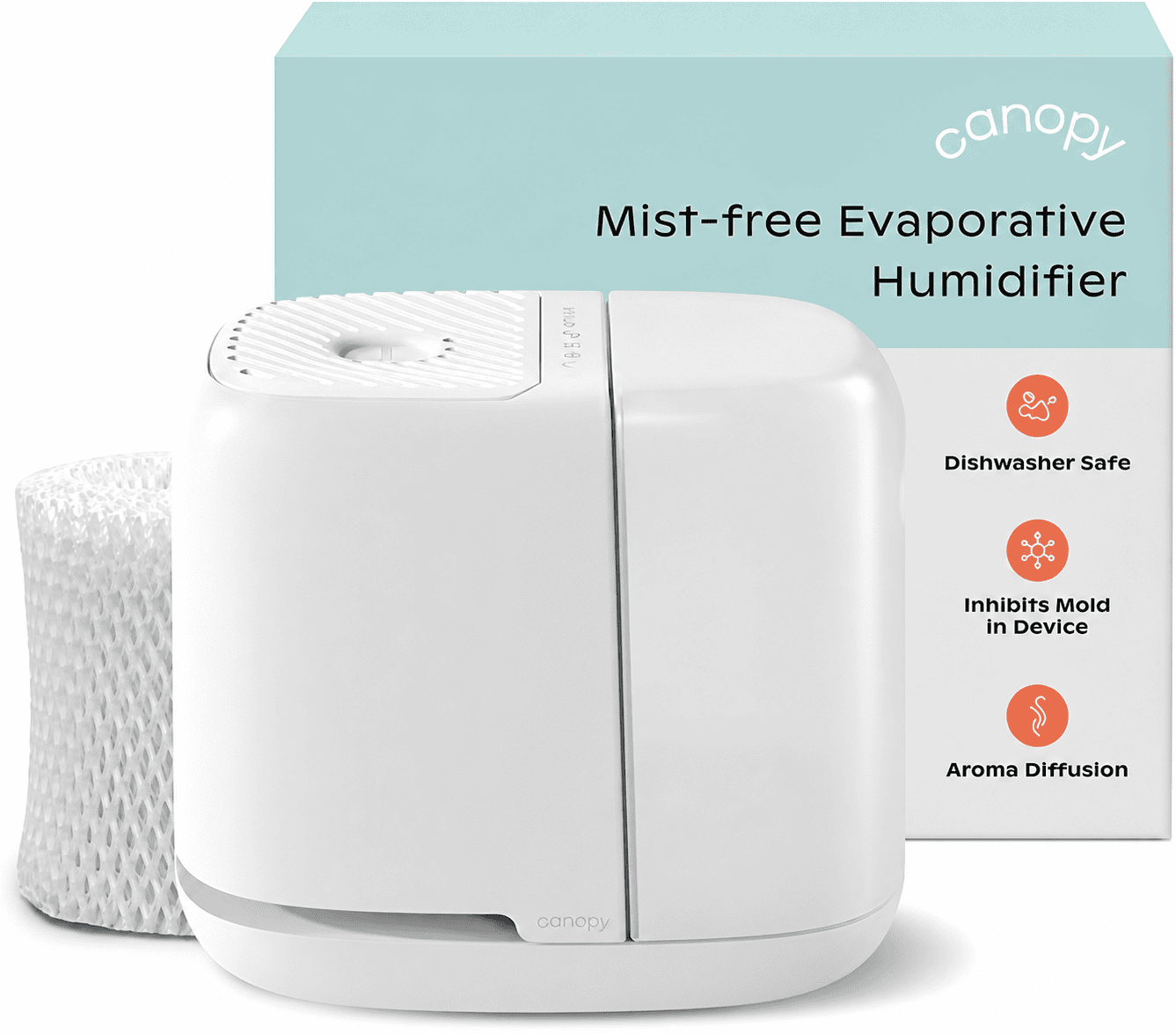
Canopy Bedside Humidifier
2.5 liter capacity, 36-hour runtime
Covers up to 500 sqft
Mist-free evaporative technology with UV purification
Antimicrobial filter core inhibits mold growth
Dishwasher-safe parts for easy cleaning
White noise setting, reading light, and aroma diffusion
Best candle for home air — Nidra Scented Candle
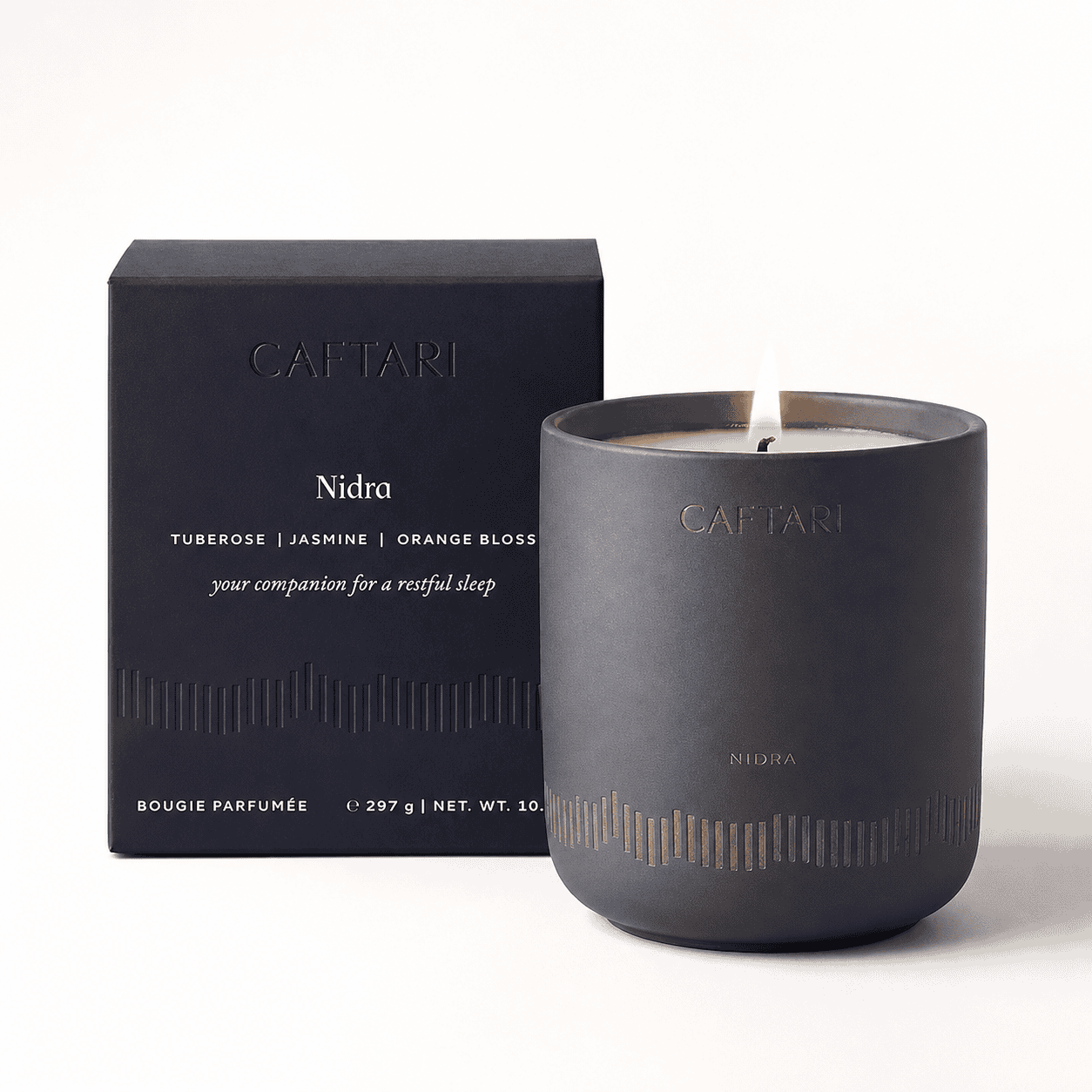
Nidra Scented Candle
Non-toxic coconut-soy wax blend
Scent: jasmine, tuberose, neroli
60-hour burn time
Zero soot, zero drip, zero synthetic dyes
Vegan and cruelty-free
Reusable ceramic jar
FAQ
The Air You Breathe at Home Is a Choice
Most people do not think about indoor air quality until they develop chronic congestion, persistent fatigue, or unexplained allergies. By that point, the exposure has been accumulating for months or years. An air purifier does not reverse that. But it stops it from continuing. Clean air is not a wellness upgrade. It is maintenance.
Clean air is one piece of a home that actually supports how you feel. The other is a space to slow down in , a quiet corner where you can sit, breathe the air you've just cleaned, and let your nervous system reset. One of the best meditation cushions is a small addition that turns that corner into somewhere you actually use.
Get More Wellness Inspiration
Join our community of seekers. Bi-weekly dispatches on holistic science, sustainable living, and hidden wellness gems.

Romina Ricca
Yoga and Meditation Teacher Certified in Dynamic Yoga, Therapeutic Yoga, and Surya Vinyasa, with deep expertise in Meditation and Mindfulness practices. Founder and Director of Ser Presente. I help individuals integrate mindfulness and breathwork into their daily routines, focusing on reducing stress, enhancing focus, and alleviating anxiety.
Related Articles
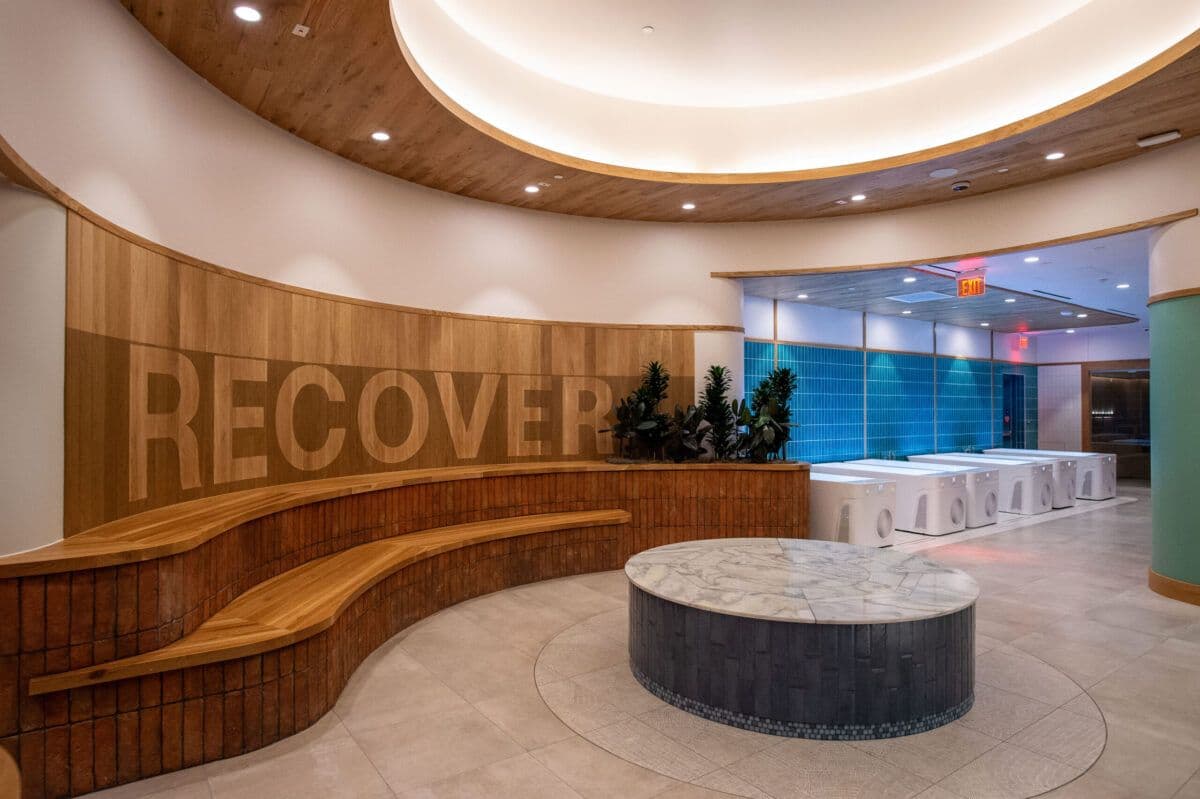
Top Wellness Centers in Los Angeles for Holistic Healing
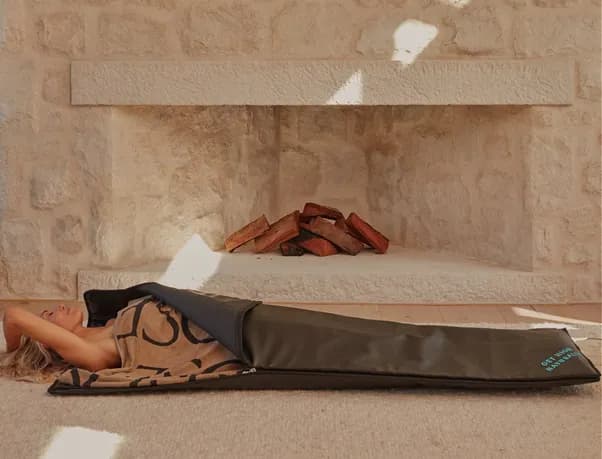
The Best At-Home Wellness Recovery Tools (That Actually Work)
The Best Meditation Cushions and Essentials for a Serious Practice

Why Barcelona’s Hottest Party This Summer Started With Breathwork Instead of Tequila

How to Plan a Wellness Retreat Abroad (And Why It's Harder Than You Think)
Anti-Aging Serums for Sensitive Skin (Without the Backfire)
Top Wellness at Home Trends to Improve Your Well-Being
Precision Wellness: A Smarter Daily Routine

Best Red Light Therapy Panel for Home Wellness