Top Wellness at Home Trends to Improve Your Well-Being

Wellness
Wellness Stopped Waiting for an Appointment
There used to be a whole ritual to feeling better. You booked something. You drove somewhere. You waited two weeks for the opening. Wellness lived in specific buildings, on someone else's schedule, and you had to go find it.
That building is now your living room.
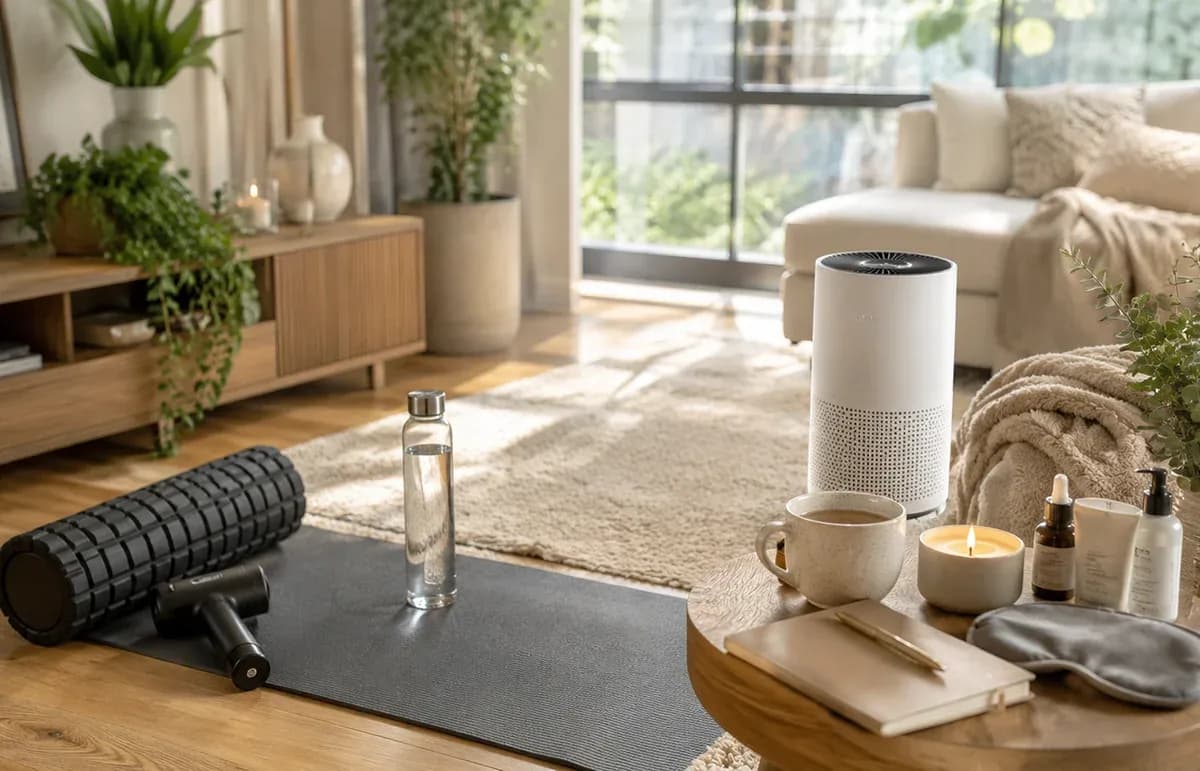
The tools that once required a membership card or a receptionist are sitting on nightstands and bathroom shelves. Not because people got lazier about their health, but because they got smarter about where it actually happens: in the small, repeatable moments of an ordinary week, not the occasional big production.
It helps to notice what actually broke down. The old model assumed you had a free afternoon, a car, and enough notice to plan around it. Most weeks don't offer any of that. So instead of abandoning the goal, people started redesigning it around the life they actually have. A recovery session that used to eat three hours now takes twenty minutes and happens on the couch. A spa visit that required a babysitter now happens after the kids are asleep, in the same room they'll wake up in tomorrow.
None of this is really about convenience for its own sake. It's about consistency. Something you do once a quarter barely moves the needle. Something you do most days changes how you feel, and that's the entire premise the home wellness shift is built on.
| Then | Now |
|---|---|
| Book a spa day weeks in advance | Ten minute ritual before bed |
| Recovery means a clinic appointment | Recovery tool lives in the bedroom |
| Air quality is an afterthought | Air purifier runs quietly, every day |
| Wellness happens occasionally | Wellness happens by default |
The Air You're Not Thinking About
Here's an uncomfortable fact: you probably only think about your air when it's already a problem. A stuffy room. A sneeze that won't quit. Someone in the house coughing for the third day straight.
But you breathe roughly 20,000 times a day, which makes air one of the few inputs running underneath everything else you're trying to fix. Sleep better? Depends on the air in that room. Focus longer? Same story. You can buy the perfect mattress and still wake up groggy if the air is working against you all night.
The tricky part is that bad air rarely announces itself. It's not like a leaky faucet or a broken light. It builds slowly, in dust that resettles every time you sit on the couch, in whatever your cooking releases into the kitchen air, in the exhaust that drifts in from an open window on a busy street. You adapt to it without noticing, the same way you stop smelling your own house after a while. The air just becomes part of the background, for better or worse.
That's the quiet logic behind why air purifiers stopped being a specialty item and became a baseline one, alongside things like a good pillow or blackout curtains. It doesn't do anything dramatic. It just runs, in the background, doing one job well, every single hour you're not paying attention to it. And unlike a lot of wellness purchases, it doesn't ask anything of you. No routine to remember, no habit to build. You plug it in once and it keeps working long after the motivation that bought it has faded
Recovery Doesn't Wait for a Marathon Anymore
Recovery used to be reserved for athletes. A pulled hamstring, a big race, an injury that finally justified the appointment. Everyone else just powered through, because recovery felt like something you had to earn.
That line is gone now.
A demanding week counts. A bad night of sleep counts. A body that's tired of sitting in the same chair for eight hours counts. Recovery has quietly become basic maintenance, not a reward, which is exactly why sauna blankets and other recovery tools are showing up in bedrooms instead of gym locker rooms. Nobody's waiting for a marathon. They're reaching for it on a regular Tuesday, because Tuesday was rough too.
Part of what makes this shift stick is how much friction disappeared. A sauna session used to mean packing a bag, driving to a gym, waiting for a free slot, and showering somewhere that isn't your own bathroom. Now it means closing the bedroom door for twenty minutes. The tool didn't get more powerful. It got more available, and availability is what actually determines whether something becomes a habit or stays a good intention.
There's also a mindset shift hiding underneath the practical one. Treating recovery as optional implies the body can just absorb stress indefinitely, which it can't. Treating it as maintenance, the same way you'd never skip an oil change, changes the relationship entirely. It stops being indulgent and starts being obvious.
The Spa Day You Don't Have to Leave the House For
Picture the old version: a full afternoon blocked off, a drive across town, a receptionist checking you in, a bill that stings a little. It still exists. It's just not how most people are actually practicing self care anymore.
What replaced it is smaller, quieter, and happens far more often. A corner of the bathroom set up for it. A ritual that takes less time than scrolling your phone before bed. The win isn't a bigger reset once a season, it's a small one you'll actually repeat.
That's the role meditation cushions and a vibration plate play here. Not spa replacements exactly, more like spa fragments you can reach for on a random Wednesday, no appointment required.
What's interesting is how little space this actually requires. A cushion tucked in a closet. A vibration plate that fits under a bed. None of it demands a dedicated room or a renovation, which used to be the biggest excuse for skipping self care altogether: not enough space, not enough time, not enough reason to justify carving out either. Small tools quietly remove all three excuses at once.
Room by Room: How This Actually Looks in Practice
It's one thing to talk about trends. It's another to picture what they actually look like on a Tuesday night. So here's the practical version, broken down by the rooms where most of this plays out.
In the bedroom, the air purifier runs quietly on the nightstand, usually next to a lamp nobody thinks twice about anymore. The recovery tool lives in the closet or under the bed, close enough to grab without it becoming a whole project. This is also where the ritual tends to happen, since it's the last room of the day and the one most people are trying to protect from screens and noise.
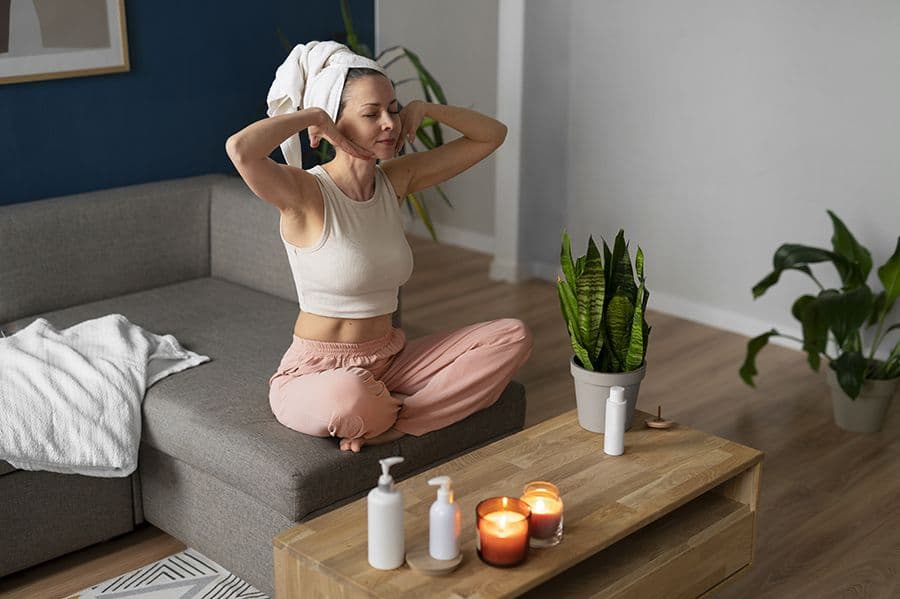
In the bathroom, small self care tools take over a shelf or a drawer. This is the room built for short, repeatable moments: five minutes before a shower, ten minutes before bed. It's rarely where the big investment goes, but it's where the daily habit actually lives.
In the living room, air quality tends to matter most simply because it's where people spend the most waking hours. It's also where a vibration plate or a stretching routine tends to fit best, somewhere with enough floor space to actually move.
None of this requires a dedicated wellness room, which is honestly the biggest myth holding people back. The trend isn't about carving out a spa in your house. It's about letting a few tools quietly earn their place in rooms you already use every day.
Where to Actually Start no repitas tanto actually
You don't need to overhaul your home in a weekend, and honestly, trying to would probably backfire. This works better as an accumulation. One piece, added when you actually need it, not all three because a trend told you to.
| Step | What to Do | Why It Works |
|---|---|---|
| 🌬️ 1. Clear the air | Add an air purifier to the room you spend the most time in | It runs in the background, no habit required |
| 💆 2. Treat your body | Pick one recovery tool for whatever's actually bothering you | Targeted beats generic every time |
| 🕯️ 3. Build the ritual | Attach it to something you already do, like brushing your teeth | Habits stick when they piggyback on existing ones |
Start with the air in the room you spend the most time in. Add a recovery tool for whatever your body has been complaining about, a sore lower back, a mind that won't switch off after work. Then build one small ritual around it, short enough that you'll still be doing it in a month, not just this week. Estas repitiendo lo de el air p en el bedroom. No repetir cosas
If you're not sure where to begin, start with whichever pillar you already complain about most. If you constantly mention feeling tired or foggy, start with air. If your body is the thing that's always sore, start with recovery. If it's your mind that never seems to switch off, start with the ritual. The order matters less than actually starting somewhere specific instead of everywhere at once.
That's the real shift underneath all of this. Home wellness was never about buying more. It's about building a home that quietly does its part, so feeling better stops being something you have to schedule around.
Key Takeaways
Wellness moved out of studios and clinics and into daily, at home rituals.
Air quality is now a baseline priority, not just a reaction to allergies or illness
Recovery tools once reserved for athletes are now everyday household items.
Small, repeatable rituals beat occasional big resets, and they're easier to actually keep.
None of this requires a dedicated room, just a few tools placed where you already spend time.
The smartest approach is one piece at a time, not a full overhaul in a weekend.
Wellness Essentials
Loading shop products...
FAQ
Get More Wellness Inspiration
Join our community of seekers. Bi-weekly dispatches on holistic science, sustainable living, and hidden wellness gems.
Camila Rios
Nutrition journalist and recovery-focused writer translating complex studies into clear guidance on food, hormones, energy, and daily resilience.
Related Articles
Top Wellness Centers in Los Angeles for Holistic Healing

How Did David Beckham’s Wellness Brand Reach $100 Million in Just 11 Months?
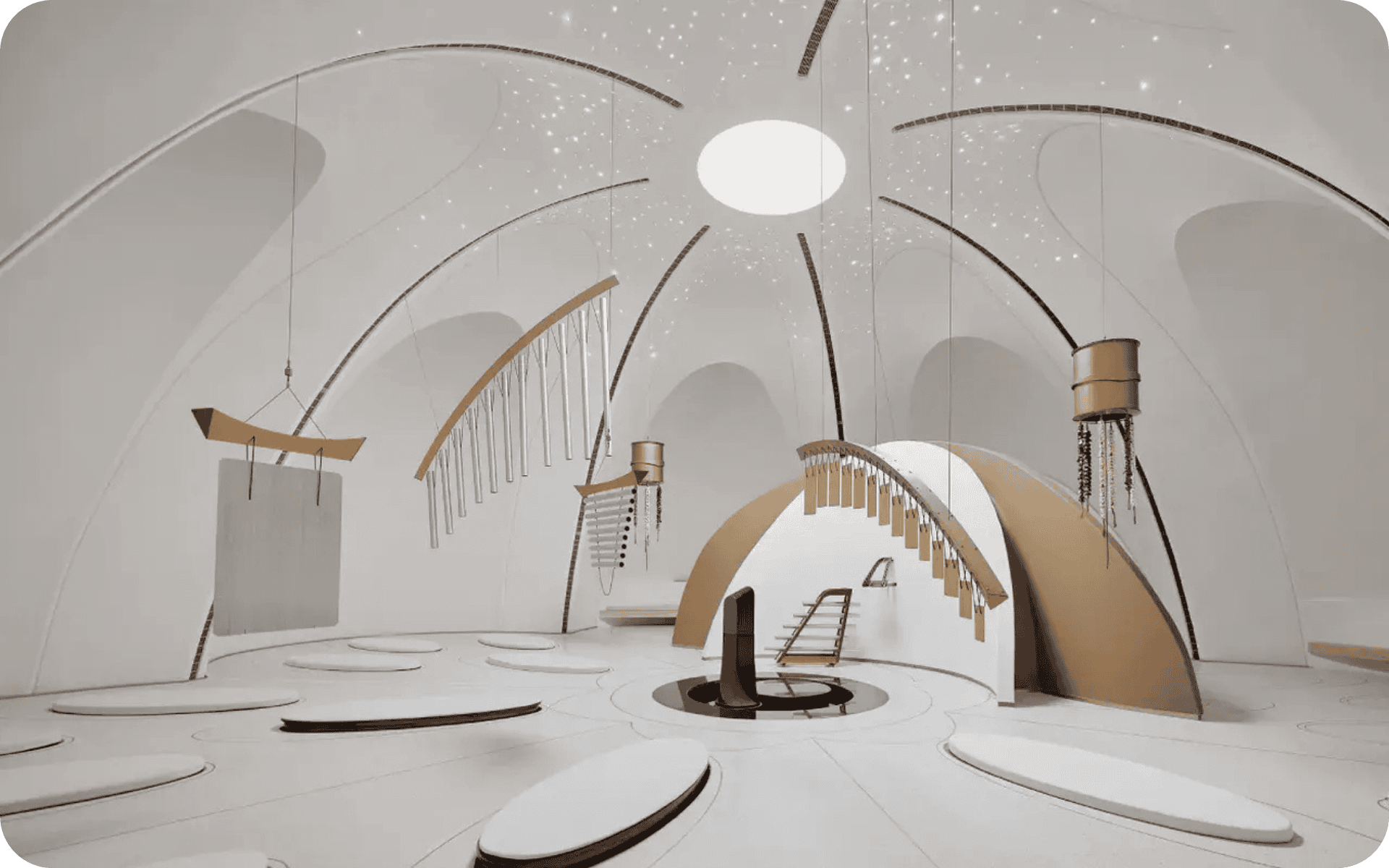
Inside Tulah's Sonorium: The Sound Healing Dome Designed to Reset Your Nervous System

Is Kim Kardashian Becoming the New Wellness Kardashian?

What Happens When Longevity Finally Starts Studying Women?

10 wellness spots we discovered in Lisbon

How to Plan a Wellness Retreat Abroad (And Why It's Harder Than You Think)
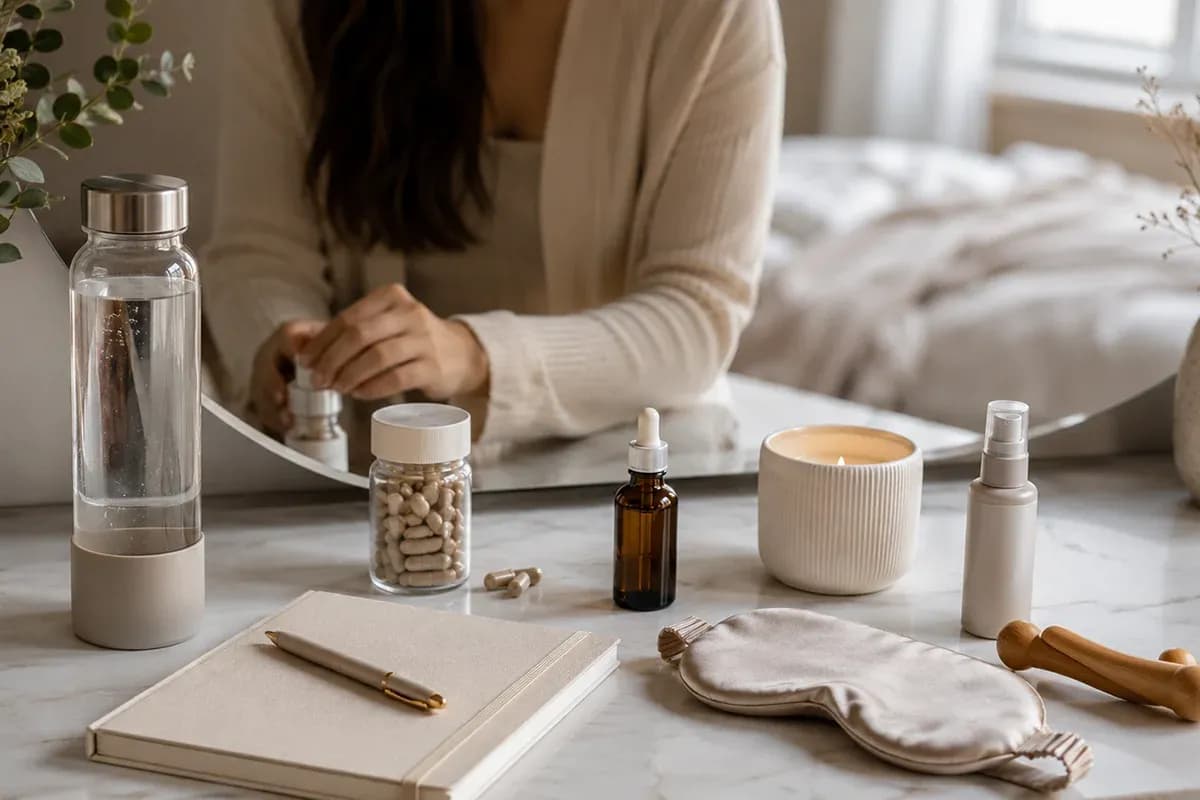
Precision Wellness: A Smarter Daily Routine
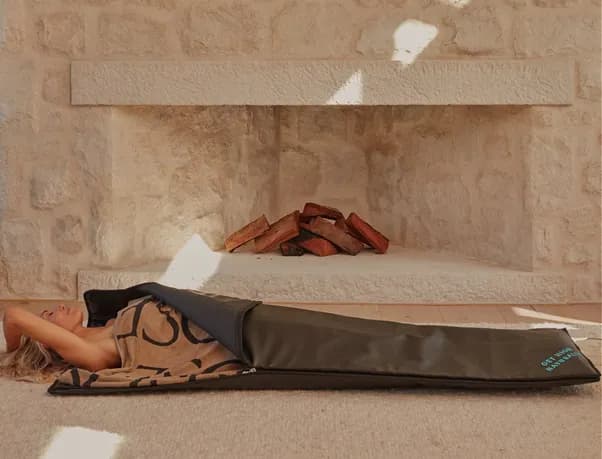
The Best At-Home Wellness Recovery Tools (That Actually Work)