Your Toothpaste and Mouthwash Are Killing Bacteria You Actually Need: How to Choose the Best Natural Toothpaste

Your Toothpaste and Mouthwash Are Killing Bacteria You Actually Need: How to Choose the Best Natural Toothpaste
Oral Care
This guide includes affiliate links.
Your mouth is an ecosystem, and almost everything sold for it treats it like a surface to sterilize. Antiseptic mouthwash does not distinguish between the bacteria causing bad breath and the bacteria regulating your blood pressure.
Your toothpaste has its own list: a detergent linked to mouth ulcers, dyes that do nothing, an opacifier the EU banned from food, and a mineral that concentrates in a small gland in your brain more than in any other soft tissue.
The fix is a like-for-like swap, not a compromise: a natural toothpaste built on nano-hydroxyapatite, the mineral your enamel is already made of, a rinse that leaves your helpful bacteria alone, and one free change in how you brush.
The Mouthwash Dilemma: Antiseptic Rinses and the Oral Microbiome
Mouthwash carries the strongest and most surprising research in oral care. Antiseptic rinses do not distinguish between problematic microbes and species that support cardiovascular health.
Specialized bacteria on the tongue convert dietary nitrate into nitrite. The human body then transforms this nitrite into nitric oxide, a signaling molecule that dilates blood vessels and helps manage blood pressure.
Common 0.12% chlorhexidine rinses can eliminate more than 90% of these beneficial tongue bacteria. That microbial loss cuts oral nitrate-to-nitrite conversion by roughly 85%, according to findings reviewed in the International Journal of Dentistry.
In one study by Tribble et al. published in Frontiers in Cellular and Infection Microbiology (2019), 26 healthy individuals used chlorhexidine rinse twice daily for one week.
Participants experienced a statistically significant increase in resting systolic blood pressure. Once the rinse stopped, the nitrate-reducing community recolonized the tongue and baseline metrics returned.
Across several human trials, the observed blood pressure rise ranged between 2 and 5 mmHg. At a population level, a 2 to 5 mmHg shift is the kind of change public health campaigns spend years chasing in the opposite direction.
The Ingredients Worth Questioning in Toothpaste and Mouthwash
Reading a label is a skill, and a short one to learn. Understanding the actual function of conventional additives alongside common consumer concerns helps separate genuine formulation needs from unnecessary compounds.
| Ingredient | What It Is Actually For | Why People Avoid It |
|---|---|---|
| Sodium Lauryl Sulfate (SLS) | Surfactant creating rich foam and spreading the paste | Commonly associated with tissue irritation and recurring aphthous ulcers |
| Triclosan | Antibacterial agent targeting plaque and gingivitis | Concerns regarding endocrine disruption and environmental accumulation |
| Artificial Dyes (Blue 1, Red 40, Yellow 5) | Cosmetic coloring to create bright paste appearance | Purely aesthetic addition offering zero dental benefit |
| Titanium Dioxide | Makes the paste opaque white | Banned as a food additive in the EU over genotoxicity concerns; cosmetic function only |
| High RDA Abrasives | Mechanical scrubbers to clear surface stains quickly | Risk of wearing down enamel and exposing dentin over time |
| Saccharin | Artificial sweetener masking bitter mineral notes | Synthetic origin with lingering aftertaste and zero nutritional or oral support |
Toothpaste Ingredients Under Scrutiny
| Ingredient | What It Is Actually For | Why People Avoid It |
|---|---|---|
| Chlorhexidine | Broad-spectrum antimicrobial targeting oral bacteria | Disrupts beneficial tongue bacteria that aid systemic nitric oxide production |
| Alcohol | Solvent for active oils and fast antiseptic carrier | Dries out oral mucosa and can worsen chronic bad breath |
| Cetylpyridinium Chloride (CPC) | Antiseptic agent reducing plaque accumulation | Indiscriminate antimicrobial action that may alter the balanced oral microbiome |
| Artificial Dyes | Provides vivid blue or green liquid coloring | Unnecessary synthetic additives serving strictly visual marketing purposes |
Mouthwash Ingredients Under Scrutiny
Screening for verified clean toothpaste ingredients helps identify formulas free from hidden foaming agents and unnecessary additives. For background on microbiome-friendly oral care, see our Guide & Glossary.
4 Types of Natural Toothpaste: From Remineralizing to Ayurvedic
Natural toothpaste is not one category but four, and the label tells you which one you are holding. Knowing the difference matters before you compare products.
Hydroxyapatite-based. This remineralizing formula uses a calcium phosphate compound that mimics enamel. It offers fluoride-free cavity support with minimal sensitivity.
Fluoride-based natural. A clean base paired with fluoride, it bridges conventional cavity protection and short ingredient lists. Expect fewer botanical extras.
Herbal and Ayurvedic. Botanical extracts such as neem, clove, and miswak follow traditional oral care. Flavor is earthy, and clinical data is thinner.
Prebiotic. These microbiome-friendly pastes skip antibacterial agents to protect oral bacteria balance. Best if you have no active decay and value gentleness over fast whitening.
Ingredient concentrations, abrasiveness, and active minerals vary significantly across these categories, setting distinct baselines for daily dental care.
The One Technique Change That Matters Most
Do not rinse your mouth with water after brushing. Spit and stop. Rinsing immediately washes the active ingredients off your enamel before they have any meaningful contact time.
Wait 30 minutes before eating or drinking. This simple, free routine adjustment doubles the benefit you get from whichever paste you choose to buy.
Our Top Picks: Natural Toothpaste and Mouthwash That Complete the Swap
Two nano-hydroxyapatite toothpastes and one hydroxyapatite rinse cover both halves of the swap, each around $12 to $13.
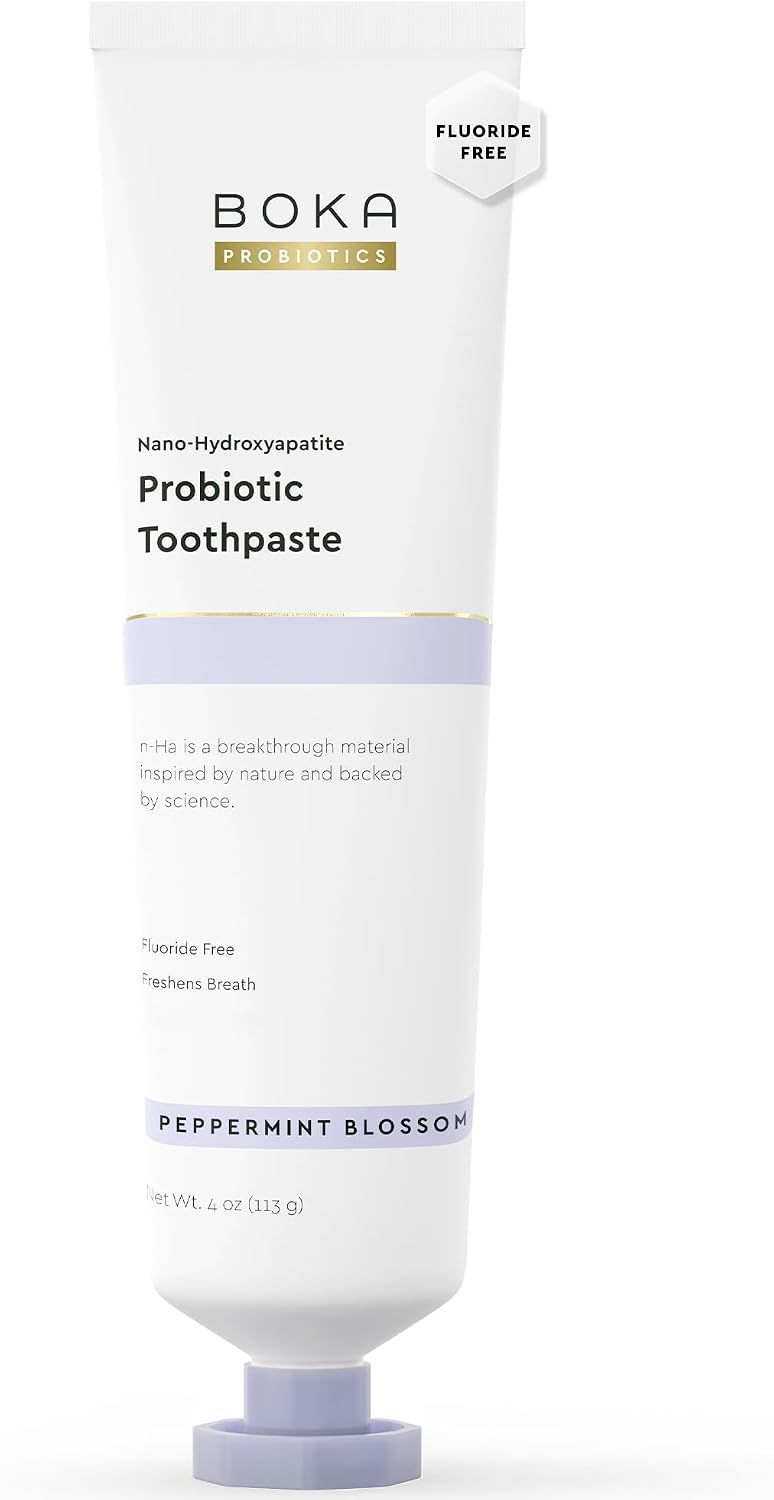
1. Boka Probiotic Toothpaste
Around $13. What's inside and why:
Nano-hydroxyapatite. Replaces fluoride as the remineralizing active, mimicking the mineral your enamel is already made of.
Dental-Lac probiotics. Add beneficial strains rather than killing everything.
Xylitol. Starves decay-associated bacteria without feeding them.
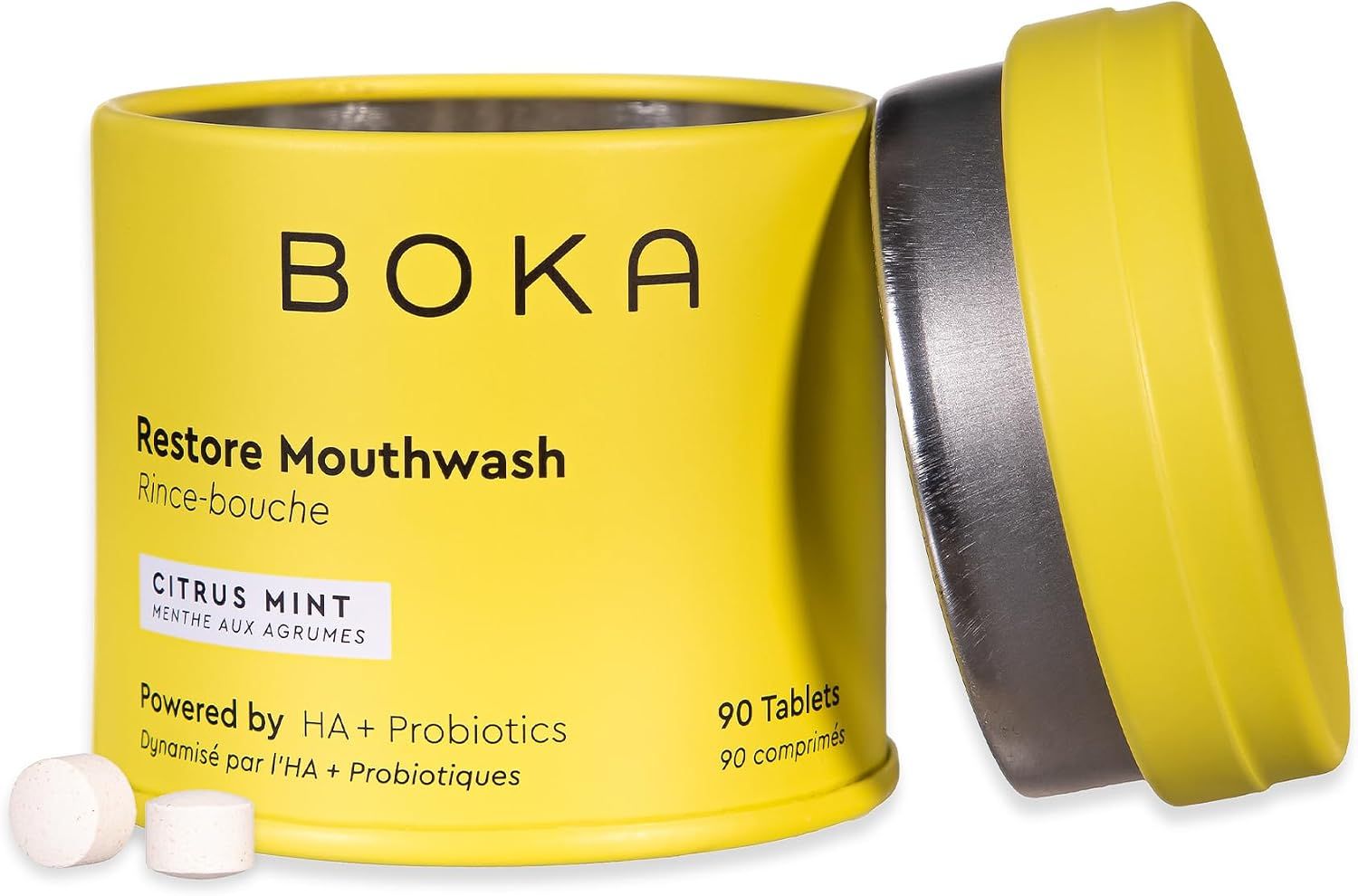
2. Boka Hydroxyapatite Mouthwash Tablets
Around $13. What's inside and why:
Hydroxyapatite. The same enamel mineral as the paste, in a rinse, so you get freshness without the collateral damage to beneficial oral bacteria.
Tablet format. Takes the place of the chlorhexidine, alcohol, or CPC rinse in your cabinet.
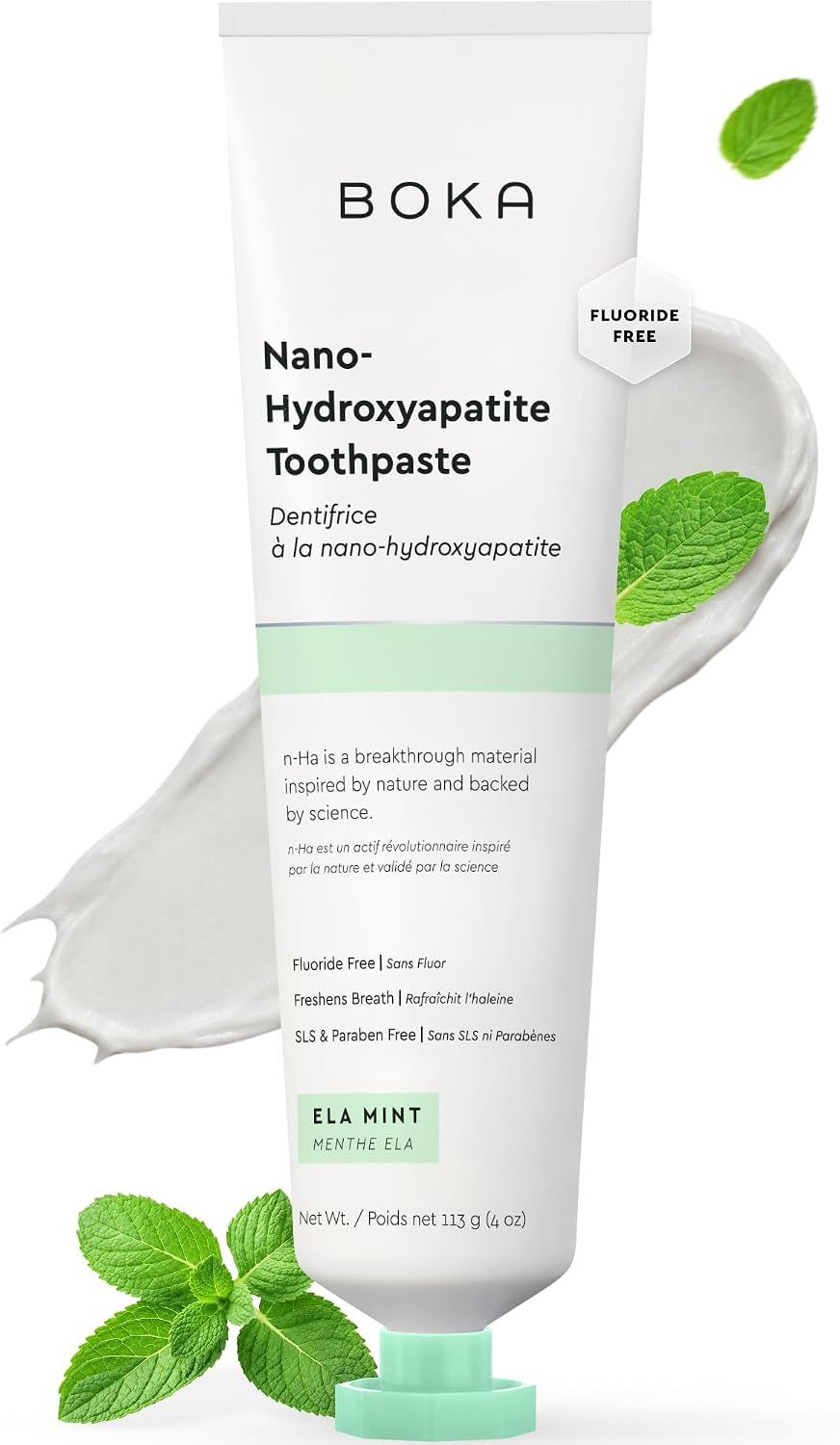
3. Boka Toothpaste Ela Mint
Around $12. What's inside and why:
Nano-hydroxyapatite. The same remineralizing active as the probiotic paste, in place of fluoride.
Lower price. About a dollar less than the probiotic version.
Natural Toothpaste Value Scale: Pricing vs. Specialization
Price alone rarely explains what a tube delivers. Mainstream natural toothpaste usually sits between $7 and $10, while specialized biological formulas with nano-hydroxyapatite or vitamin K2 climb toward $17. Cost per ounce, not the sticker price, is the honest measure.
A $9 tube holding 4.5 ounces costs about $2 per ounce. A $17 tube at 3 ounces runs closer to $5.70. That gap buys concentrated actives, independent testing, and clean toothpaste ingredients screened against biological dentistry standards.
Where does the extra money actually go? Specialized brands fund smaller batches, fluoride free natural toothpaste positioned for sensitive teeth, and mineral sources that cost more than standard calcium carbonate. They also absorb the price of clinical testing.
$7 to $10: everyday natural toothpaste, widely available.
$11 to $14: targeted formulas for whitening or gum support.
$15 to $17: biological and remineralizing pastes with premium actives.
Value, then, is relative. Comparing price per ounce against active mineral concentrations reveals whether higher costs stem from formulation or marketing.
Materials and Actives Matter: Hydroxyapatite vs. Fluoride
The active ingredient decides what a formula can realistically do. Hydroxyapatite is the calcium phosphate that makes up roughly 97% of tooth enamel, which is why nano-hydroxyapatite (n-Ha) is often described as biomimetic.
Its particles bind to exposed enamel and may support a natural remineralization process. Fluoride works differently: it forms fluorapatite, a harder mineral layer commonly associated with stronger cavity prevention.
Fluoride also demonstrates notable biological accumulation. A study examining post-mortem human pineal glands measured a mean fluoride concentration of 297 mg per kg, compared with 0.5 mg per kg in muscle tissue (Luke J., Fluoride deposition in the aged human pineal gland, Caries Research, 2001).
This is roughly 600 times higher than muscle tissue, representing the highest concentration in any soft tissue, with a strong correlation between fluoride and calcium. Crucially, the study documents accumulation; whether it disrupts melatonin in living humans at normal exposure remains unstudied.
Animal work showing endocrine effects used doses well above realistic human exposure. Thus, fluoride carries decades of documented cavity prevention for active decay, while concentrating measurably in pineal tissue in ways researchers have not fully resolved.
The trade-off is honest. For high cavity risk, fluoride remains the benchmark many dentists recommend. If you avoid fluoride, n-Ha is the most studied alternative. Many people find n-Ha formulas feel gentler, though the evidence base is younger than fluoride's decades of research.
Check the percentage of n-Ha on the label, since several formulas list around 10%.
Neither is a cure. Both need consistent brushing, and neither replaces professional care. If your priority is enamel repair language on the label, n-Ha fits; if it is proven cavity prevention, fluoride does.
Care and Maintenance: Getting the Most Out of Natural Formulas
Natural toothpaste rewards a slightly different routine than the conventional tube you grew up with, and the adjustments are minor.
| Remove from Cabinet | Replace With |
|---|---|
| Antiseptic mouthwash with chlorhexidine, alcohol, or CPC | Alcohol-free rinse with prebiotics or dissolvable tablets |
| Toothpaste containing SLS | Nano-hydroxyapatite toothpaste, ideally around 10% |
| Formulas with artificial dyes or titanium dioxide | Paste sweetened naturally with xylitol |
| Daily high-abrasion whitening paste | Gentle tongue scraper for mechanical freshening |
| Triclosan formulas | Two full minutes of gentle brushing with no water rinse after |
Two habits, dry brushing and patience after brushing, change how much of the formula stays on your enamel. Nothing here is complicated, but the details decide whether a clean formula performs like the label promises.
Give it two minutes. Botanical actives need contact time, and the two-minute rule matters more in a preservative-free formula.
Store it cool and closed. Without synthetic preservatives, shelf life runs shorter, so keep the cap tight and the tube out of a humid shower.
If a tube separates or smells off sooner than expected, that is usually storage, not a bad batch. Replace it and note the date you opened it so you can track freshness.
How to Decide: Choosing Your Path to Cleaner Oral Health
Three questions settle this choice faster than any ranking.
Start with your risk profile. If you have active cavities, exposed roots, or enamel a dentist flagged as demineralizing, a fluoride formula stays the safer default.
If your enamel is stable and you simply prefer to limit daily fluoride, hydroxyapatite is a reasonable path, not a compromise.
Next comes ingredient philosophy. If you check every label, strictly fluoride-free, plant-based brands fit. If you want proven actives without SLS, synthetic dyes, or artificial sweeteners, choose functional natural formulas with xylitol or nano-hydroxyapatite.
Flavor decides what you actually reach for twice a day. Salty mineral pastes and herbal blends split opinion; classic mint keeps a routine consistent.
Test one tube, roughly $17, and judge sensitivity and taste before committing to a full switch. Reading the label turns a preference into a routine that lasts.
Frequently Asked Questions
Key Takeaways
Antiseptic mouthwash is not neutral. Research suggests it may destroy over 90% of beneficial oral bacteria involved in blood pressure regulation.
Alcohol-free does not mean microbiome-safe. Many formulas rely on cetylpyridinium chloride (CPC), which remains a broad antibacterial agent.
Eliminate SLS first for mouth ulcers. Sodium lauryl sulfate is the primary ingredient to remove if you experience recurring aphthous ulcers.
Fluoride concentrates in the pineal gland. A post-mortem study documented accumulation roughly 600 times higher than in muscle tissue, though the functional impact remains unstudied.
Hydroxyapatite is a like-for-like alternative. It provides biomimetic enamel support as a true replacement rather than an efficacy compromise.
Stop rinsing after you brush. Spit and walk away. Rinsing with water washes the active ingredients off your teeth before they can act.
Start your clean switch today. Browse Holisteek's Guide and Glossary for more on clean ingredients and everyday oral care.
Get More Wellness Inspiration
Join our community of seekers. Bi-weekly dispatches on holistic science, sustainable living, and hidden wellness gems.

Luz Altamira
Editora enfocada en longevidad, salud femenina y hábitos sostenibles para una vida más equilibrada.