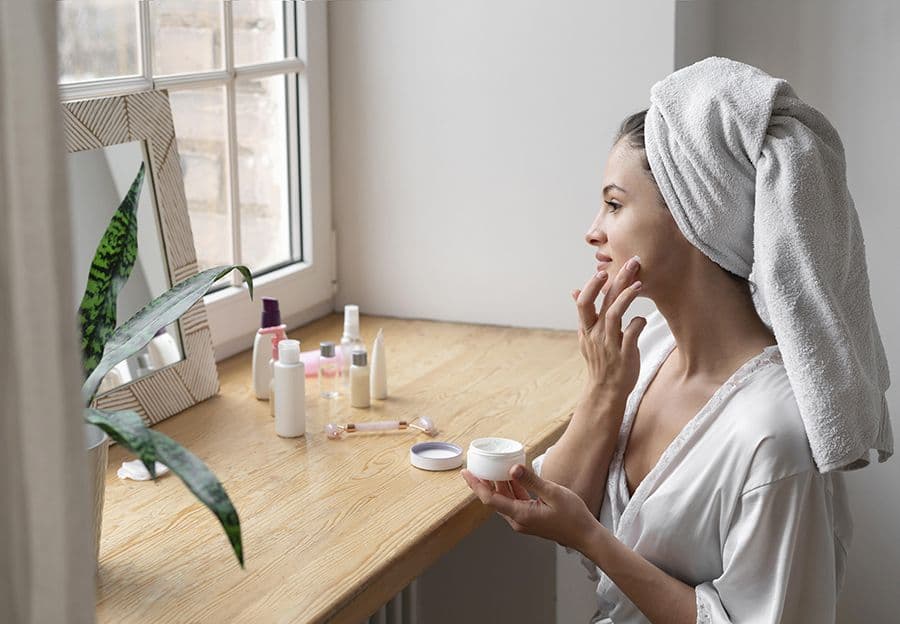
Dry Brushing: How the Practice Works, a 3-Step Routine, and What It Can and Cannot Do for Skin

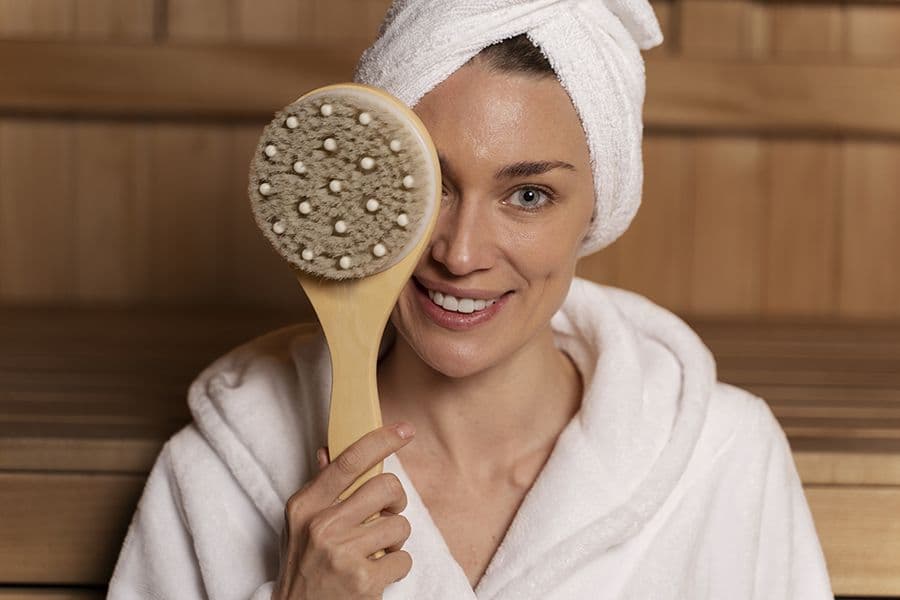
You slept eight hours and you still look tired. Your face is fuller than it was last night, your rings are tight, and by six in the evening your legs feel like they belong to someone heavier.
That is fluid, and fluid is a plumbing problem, not an age problem.
Five tools and two books: choose yours
Your face, your back and your legs each want a different tool. The table matches each pick to its bristle and its job, so you can go straight to the one you need.
| Pick | Bristle | What it is for |
|---|---|---|
| goop G.Tox Ultimate Dry Brush | Body bristle, a gentle start | Your first sessions: long sweeps along arms and legs |
| Esker Beauty Dry Brush | Firm bristle | A thorough polish on thighs, knees and elbows once light strokes feel easy |
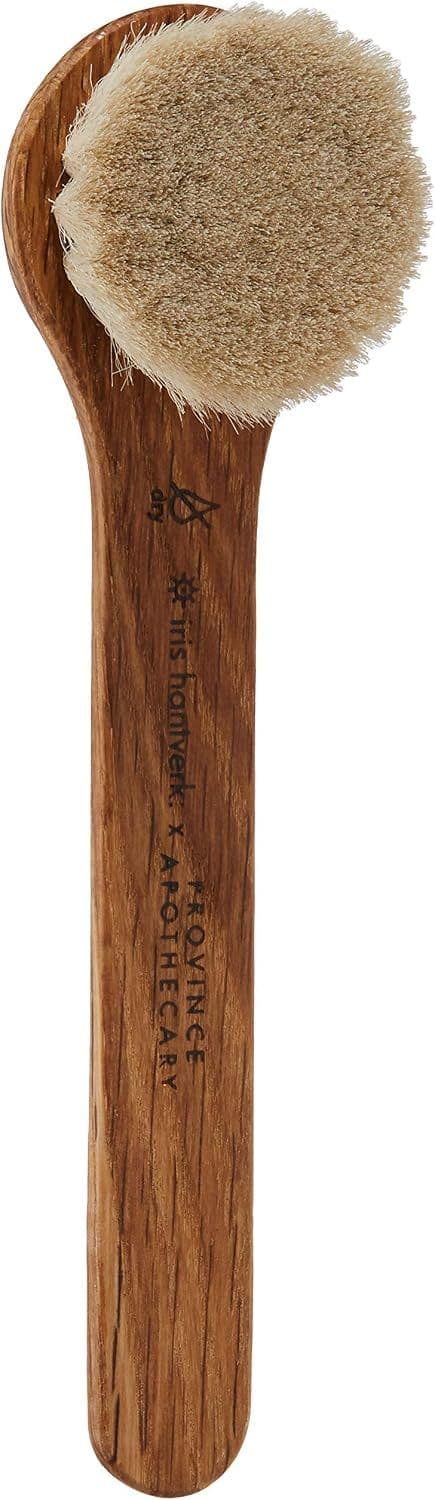
| Province Apothecary Daily Glow Facial Dry Brush | Soft facial bristle | Face and neck only |
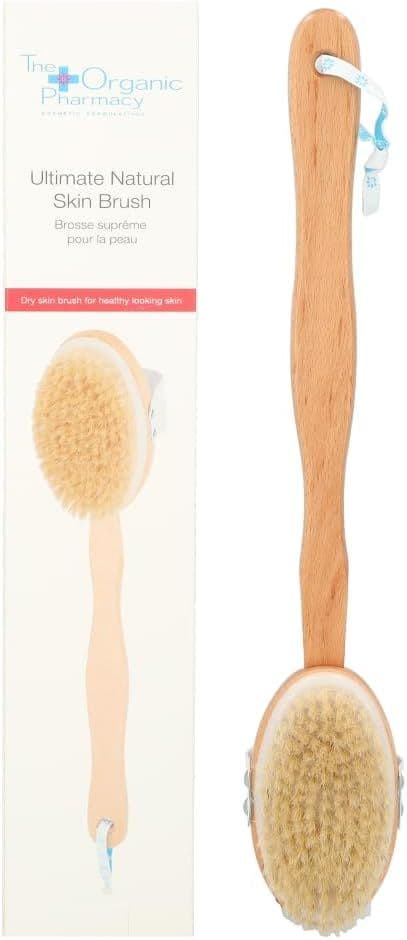
| The Organic Pharmacy Skin Brush | Body bristle on a detachable long handle | Mid and upper back, then arms and legs with the handle off |
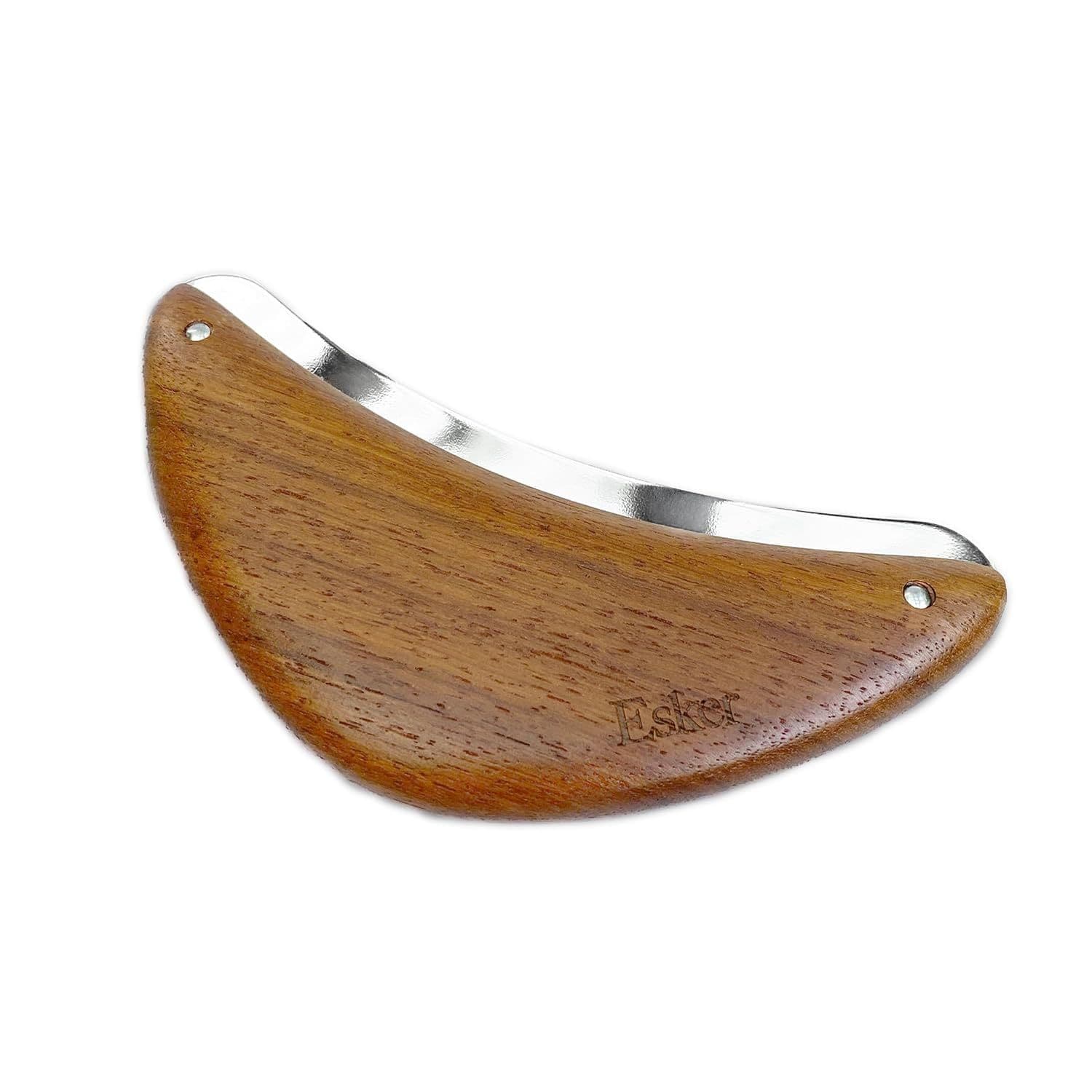
| Esker Body Plane | No bristle: smooth stainless steel | Wet skin in the shower, with oil or cleanser |
1. Start here: goop G.Tox Ultimate Dry Brush
If you have never dry brushed, this is the one to learn on. Use it for the long sweeps along your arms and legs, and let your skin show you how much bristle you like before you move up.
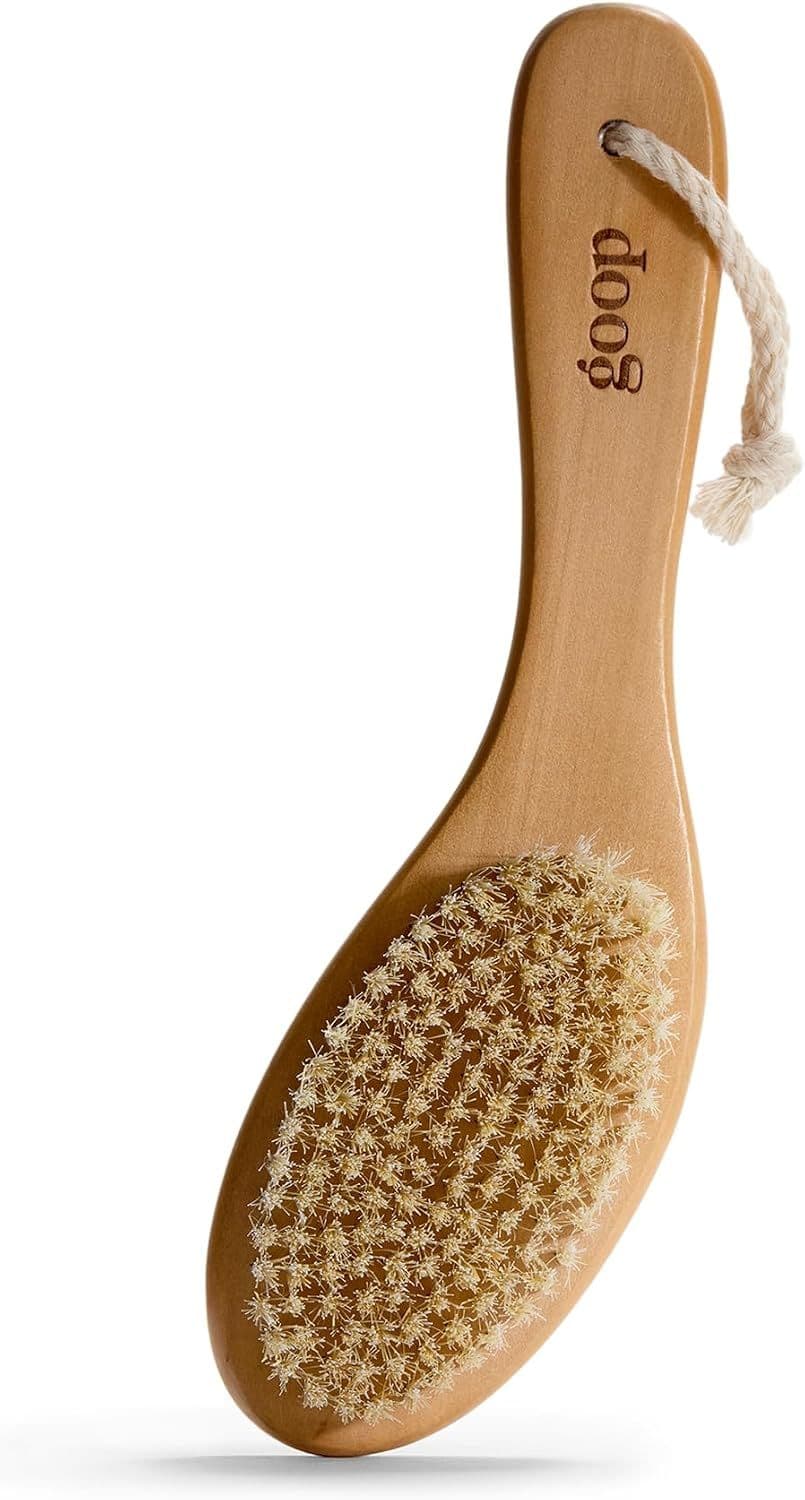
2. Firm bristle: Esker Beauty Dry Brush
Once light strokes feel easy, the firmer bristle gives a more thorough polish to the tougher skin on your thighs, knees and elbows. Keep the same light hand: the bristle does the work, not your arm.
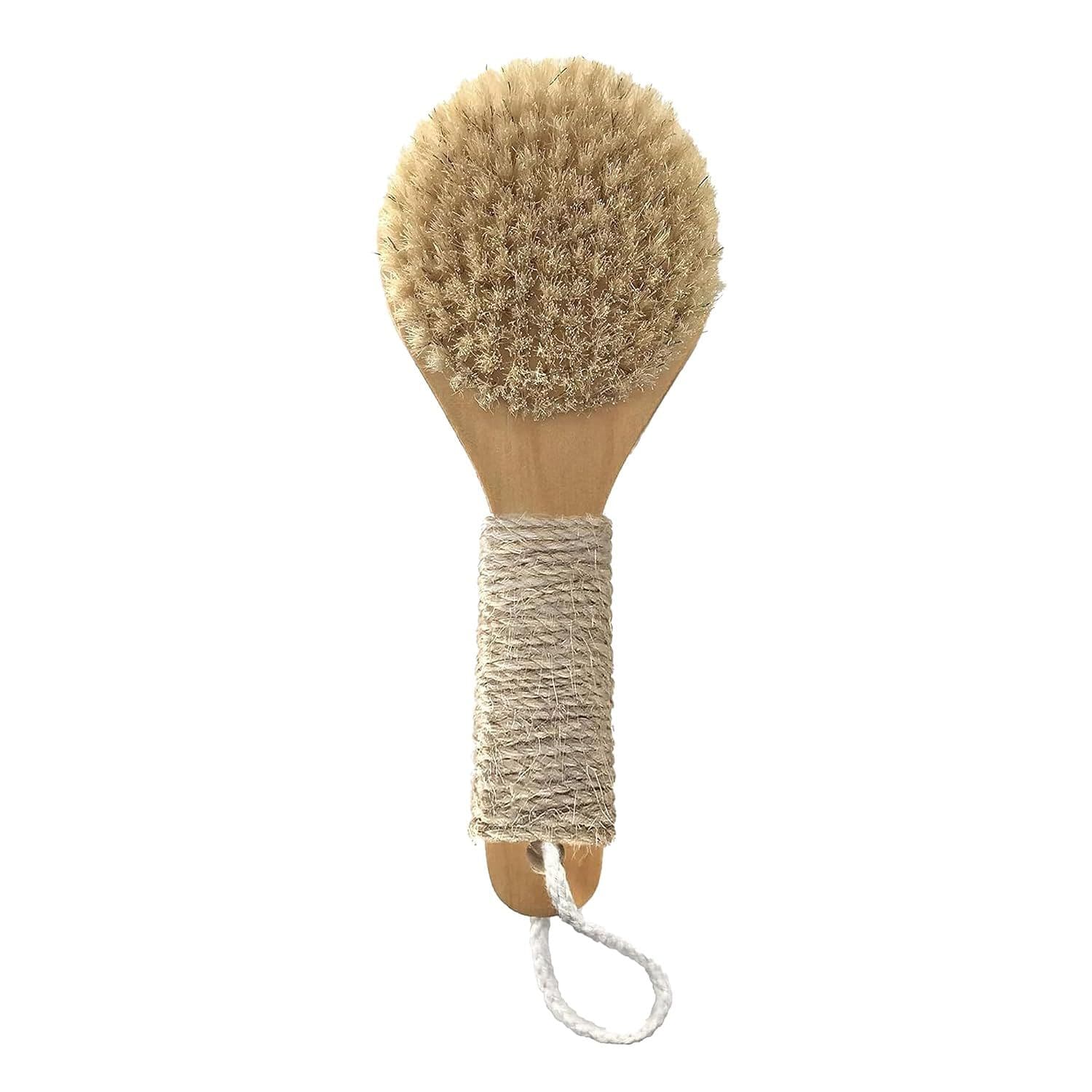
3. Face only: Province Apothecary Daily Glow Facial Dry Brush
Your face gets its own brush, because the skin there is thinner and the capillaries sit closer to the surface. This one is made for it: soft bristles for slow sweeps along your jaw, cheeks and neck.
4. For your back: The Organic Pharmacy Skin Brush
The long handle reaches the middle and upper back that a palm brush never gets to. Take the handle off and it becomes a compact brush for arms and legs, so one tool covers the whole routine.
5. Wet skin: Esker Body Plane
No bristles at all: a smooth stainless steel tool you glide over wet skin with oil or cleanser in the shower. It turns the shower step of your routine into the exfoliating one.
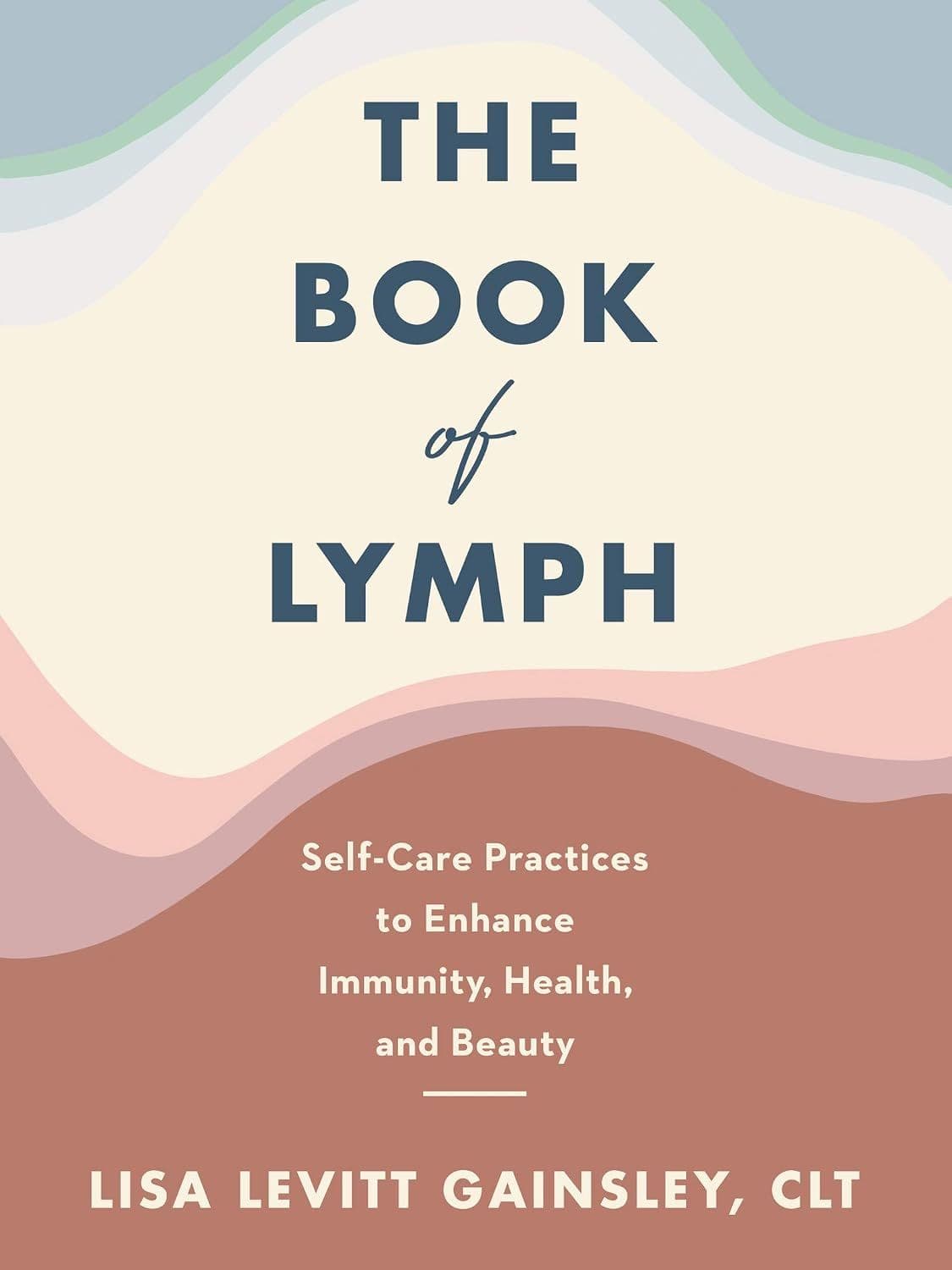
6. Daily practice: The Book of Lymph
Lisa Levitt Gainsley is a lymphatic therapist, and her book turns the lymphatic system into simple self-care practices you do with your own hands. It is the natural next step once brushing becomes a habit.
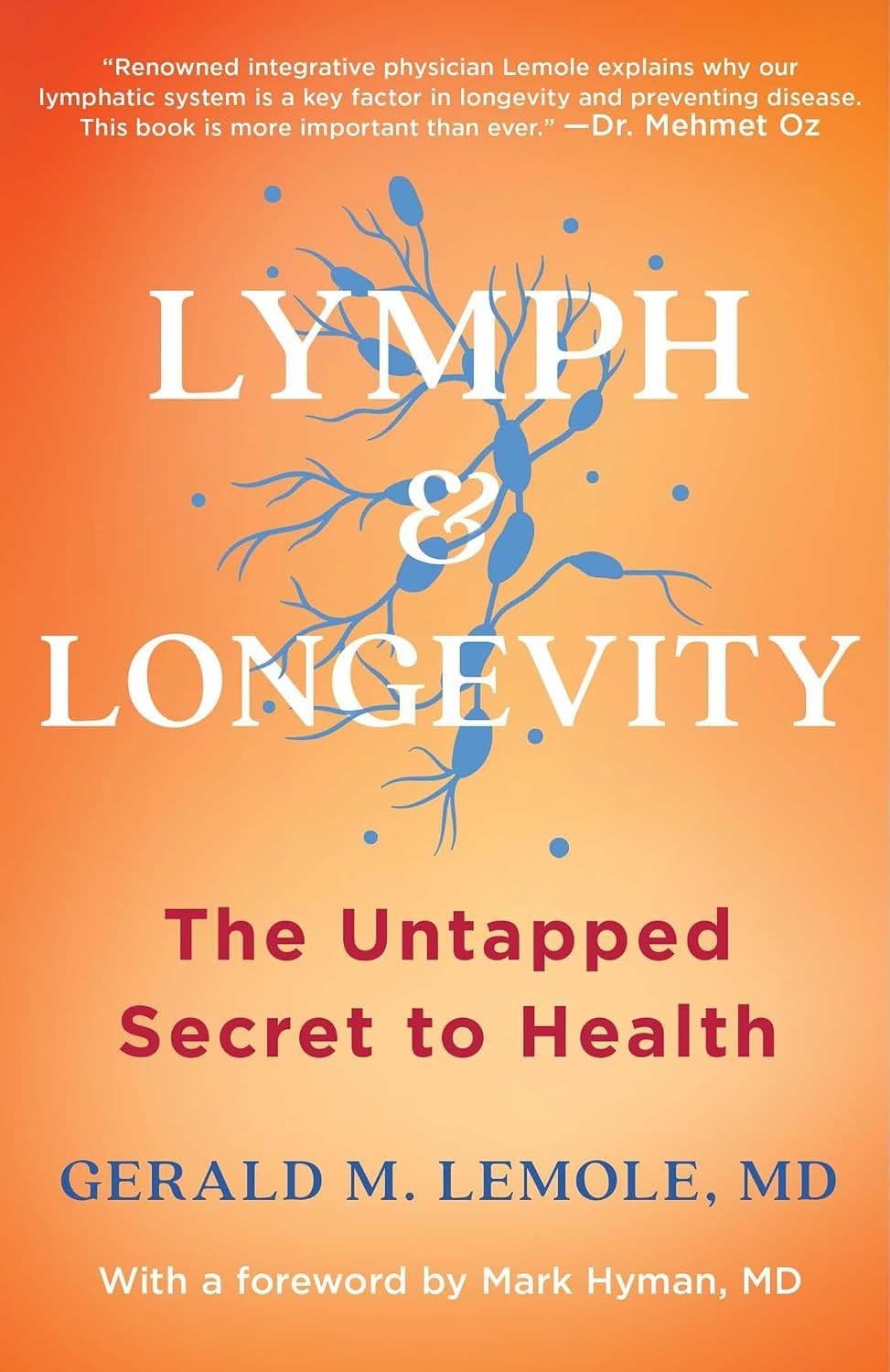
7. The bigger picture: Lymph & Longevity
Gerald Lemole, a cardiac surgeon, explains why the lymphatic system matters for long-term health and which everyday habits keep it moving. Read it for the science behind why keeping lymph moving matters.
This guide includes affiliate links. If you buy through them, Holisteek may earn a small commission at no extra cost to you.
What is dry brushing?
Dry brushing is a technique where you brush completely dry skin with a stiff, natural bristle brush before showering. The motion lifts away dead cells from the skin's outermost layer, the stratum corneum, providing gentle mechanical exfoliation.
Practitioners typically use long, light strokes toward the heart, following the body's lymphatic pathways.
What is happening beneath the skin
Beneath the surface sits your lymphatic network, a drainage system that lacks an active central pump. Instead, three distinct physiological mechanisms keep lymph moving through the vessels.

Skeletal muscle contraction
Everyday movement compresses surrounding vessels, pushing fluid forward through internal one-way valves.
Respiratory pressure changes
Deep diaphragmatic breathing creates pressure differentials between the chest and abdomen that draw lymph upward toward venous return.
Arterial pulsation
The rhythmic expansion of nearby arteries transmits gentle mechanical pressure directly to adjacent lymphatic collectors.
Today, the practice is valued for its ability to resurface the skin's texture and create a moment of mindful self-attention. You have two circulatory systems. Blood has a dedicated pump; the heart beats roughly 100,000 times each day to keep surface circulation active and visible skin glowing.
The lymphatic system has no pump. Muscular contraction, deep breathing, arterial pulsation, and vessels contracting six to ten times per minute keep it moving. Internal one-way valves guide the fluid upward until it empties just above the collarbones.
Sedentary hours and shallow chest breathing slow this process, explaining why stagnation builds when nothing compresses the tissue.
What dry brushing reliably offers is smoother skin and a grounding sensory ritual.
How to dry brush: A 3-step routine
Beginning at the extremities directs stimulation toward the heart, following the body's natural lymphatic flow.
The vessels you are trying to reach sit in the top layer of skin, which is why pressing hard goes straight past them. Clinical manual lymphatic drainage works at around 30 torr, with the rule that the motion should never cause redness or pain.
Your skin should pink faintly and return to normal within a minute. If it stays red, or if it stings, you are pressing far harder than any therapist would. Two to three times a week suits most skin types; sensitive complexions may prefer once weekly.
Start at your feet.
Using a natural bristle brush on dry skin, begin with long, sweeping strokes from the ankles up the calves and thighs. Keep movements fluid and unhurried.
Clear the nodes and sweep toward them.
Lymph drains into veins above the collarbones, not directly into the heart. Always clear downstream pathways first. Begin with five or six light strokes into the hollows of your collarbones. Next, use small circles into each armpit and each groin crease to open the nodal clusters. Only then sweep toward the nearest nodes: arms toward the armpit, legs toward the groin, chest inward toward the armpits, lower belly down toward the groin, and the belly in slow clockwise circles.
Shower and moisturize.
Rinse thoroughly to remove loosened cells. While skin is still damp, apply a natural oil or fragrance-free lotion. This supports the skin barrier and leaves it feeling soft, never stripped.
What it does and what it does not do
Dry brushing offers two concrete benefits. First, it provides gentle mechanical exfoliation, lifting away dead surface cells to reveal softer skin. This can also help your moisturizer or body oil absorb more effectively.
Second, the ritual itself can be a grounding moment of self-attention, a quiet pause before the day begins. Many people find the increased blood flow leaves skin feeling temporarily invigorated.
Looking clearly at the evidence helps set realistic expectations. Exfoliation itself is well documented, including work by Rodan et al. (2016), which also confirms that overdoing it impairs the skin barrier.
Clinical manual lymphatic drainage has formal backing, supported by a systematic review from Thompson et al. (2020). For dry brushing specifically, no clinical trials have been published.
What you have is sound anatomy, confirmed exfoliation, and extensive lived experience, which is an honest foundation rather than clinical proof.
The practice cannot permanently erase cellulite. Any improved appearance is a short-lived effect of surface circulation, not fat removal. It does not reduce stretch marks or cause weight loss.
Dry brushing also does not detoxify your body. That role belongs to your liver and kidneys. Claims of deep internal cleansing are not supported by science.
Before you start: what to expect
Immediately after your first session, skin feels noticeably softer. The mechanical exfoliation sweeps away surface dullness, revealing a smoother, more receptive canvas. Many people find that moisturizers absorb better afterward. This effect is temporary, refreshing your skin until new dead cells accumulate.
Dry brushing offers a quiet moment of self-attention. The rhythmic strokes can feel meditative, anchoring you in your body. This brief practice invites you to slow down and reconnect, turning a simple habit into a daily act of care.
Keep your body brush off your face, which needs its own soft facial brush, and skip over eczema, psoriasis, or sunburn. Broken skin and active infections are also clear signs to wait. This home practice is not a substitute for clinical lymphatic drainage.
Over-brushing can compromise the skin barrier, so less is often more. Clean your brush weekly with mild soap and water, then dry it in sunlight to prevent mold.
Dry brushing is a simple, sensory practice that rewards consistency. The right brush and a mindful approach make all the difference.
Dry Brushing as a Sustainable Self-Care Ritual
Dry brushing works best as a consistent, mindful practice rather than a quick fix. When done correctly with a natural bristle brush and gentle technique, it delivers smoother skin and a grounding moment of self-attention.
The key is managing expectations: it exfoliates and may temporarily invigorate circulation, but it cannot erase cellulite, reduce stretch marks, or detoxify your body. By understanding what dry brushing can and cannot do, you can integrate it authentically into your wellness routine.
Ready to explore natural tools and complementary rituals that support your self-care journey. Discover our curated collection of wellness products and guides at Holisteek.
Frequently asked questions
Get More Wellness Inspiration
Join our community of seekers. Bi-weekly dispatches on holistic science, sustainable living, and hidden wellness gems.

Sol Chocano
is a yoga and somatic movement teacher, wellness entrepreneur, and founder of Holisteek. Born and raised in Peru, she helps people cultivate wellbeing, balance, and connection.
Related Articles
Best Natural Face Cleanser: 4 Formulas for Sensitive, Oily, and Dry Skin, Starting Under $10

Restless Nights, Sore Muscles, Sensitive Skin: The Best Magnesium Lotion for Each

Best Rosemary Oil for Hair Growth: 3 Formulations for Dilution, Scalp Use, and What the Research Shows
Your Toothpaste and Mouthwash Are Killing Bacteria You Actually Need: How to Choose the Best Natural Toothpaste
If Your Face Feels Tight After Exfoliating, You're Using the Wrong One: The Best Natural Face Exfoliators