Best Natural Face Cleanser: 4 Formulas for Sensitive, Oily, and Dry Skin, Starting Under $10


This guide includes affiliate links. If you buy through them, Holisteek may earn a small commission at no extra cost to you.
The best natural face cleanser is not the one with the greenest label. It is the one whose surfactants, pH and carrier oils match your skin barrier.
A gentle natural cleanser for sensitive skin looks nothing like a natural acne face wash. Creams buffer dry skin. Gels cut oil. Oils dissolve sunscreen without stripping lipids.
"Natural" does not mean hypoallergenic. Botanical extracts can still trigger reactions, and coconut oil can clog pores. Patch testing is not optional.
Understanding Your Formula: Gels, Creams, and Oils
Format decides more than marketing does. A gel with a perfect ingredient list will still strip dry skin.
Which one are you?
A: Oily or acne-prone. Shine, frequent blemishes, surface oiliness.
B: Dry or reactive. Persistent flaking, tightness, redness, barrier sensitivity.
C: Combination or congested. Clogged pores, dullness, an uneven T-zone.
Find yourself below and skip the other two. Every pick still needs a patch test first.
How to Patch Test
Apply a small amount along your jawline, leave it three nights in a row, and watch for redness, itching or small bumps. "Natural" does not mean hypoallergenic. Botanical extracts trigger reactions too.
Profile A: Oily or Acne-Prone Skin
Excess sebum requires lightweight formulas that clarify pores without stripping essential moisture. Balanced gel washes and linoleic-heavy oils help dissolve impurities while maintaining skin equilibrium.
Look for: linoleic-rich oils (grapeseed, hemp), willow bark BHA, tea tree hydrosol, aloe vera and gentle non-sulfate plant surfactants. They decongest pores without triggering rebound oiliness.
Avoid: coconut oil, which is highly comedogenic, plus heavy oleic oils, rich cocoa butter, harsh foaming sulfates and drying alcohol bases.
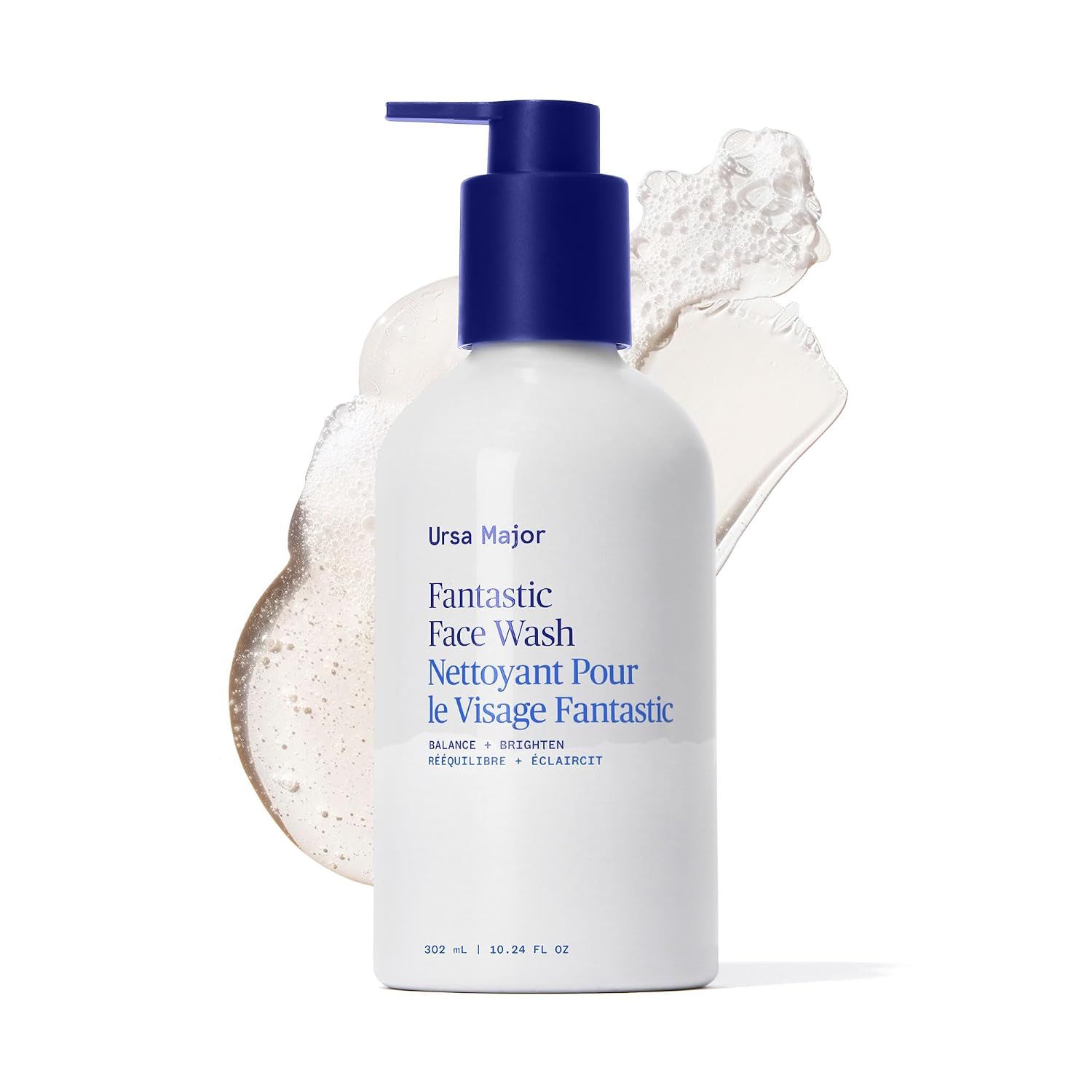
Ursa Major Fantastic Face Wash
Brand: Ursa Major
Price: Around $28
Best for: Oily, combination, and acne-prone skin.
Trade-off: The mint tingle can be too much for reactive skin.
Look for: colloidal oat, aloe vera, unpasteurized raw honey, shea and other plant butters, jojoba, evening primrose, calendula, chamomile hydrosol, marshmallow root and fatty alcohols. They protect lipid reserves, soften flaking and quiet redness.
Avoid: foaming sulfates, synthetic fragrance, essential oils, drying alcohols, undiluted fruit acids and undiluted apple cider vinegar.
Profile B: Dry or Reactive Skin
Compromised moisture barriers demand nourishing cream or honey textures that cleanse without disturbing natural surface lipids. Gentle buffering agents prevent that familiar post-rinse tightness.
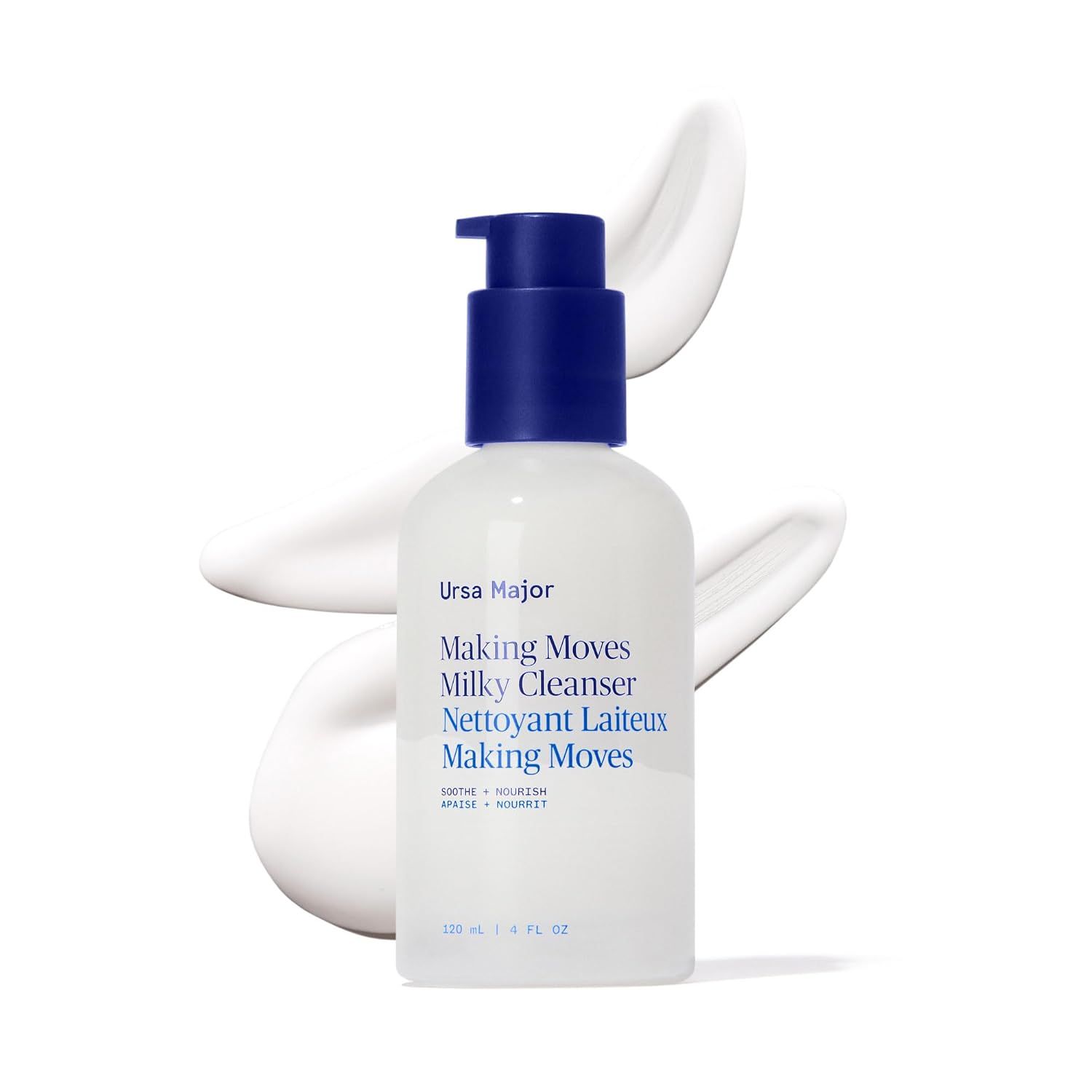
Ursa Major Making Moves Milky Cleanser
Brand: Ursa Major
Price: Around $34
Best for: Dry and sensitive skin.
Trade-off: At around $34, it costs more than three times the Burt's Bees cream.
A milky cream cleanser, the format that buffers dry skin instead of stripping it.
Same brand as Fantastic Face Wash, in a cream texture instead of a foaming gel.
Sits in the $28 to $50 specialty band of the cleansing scale.
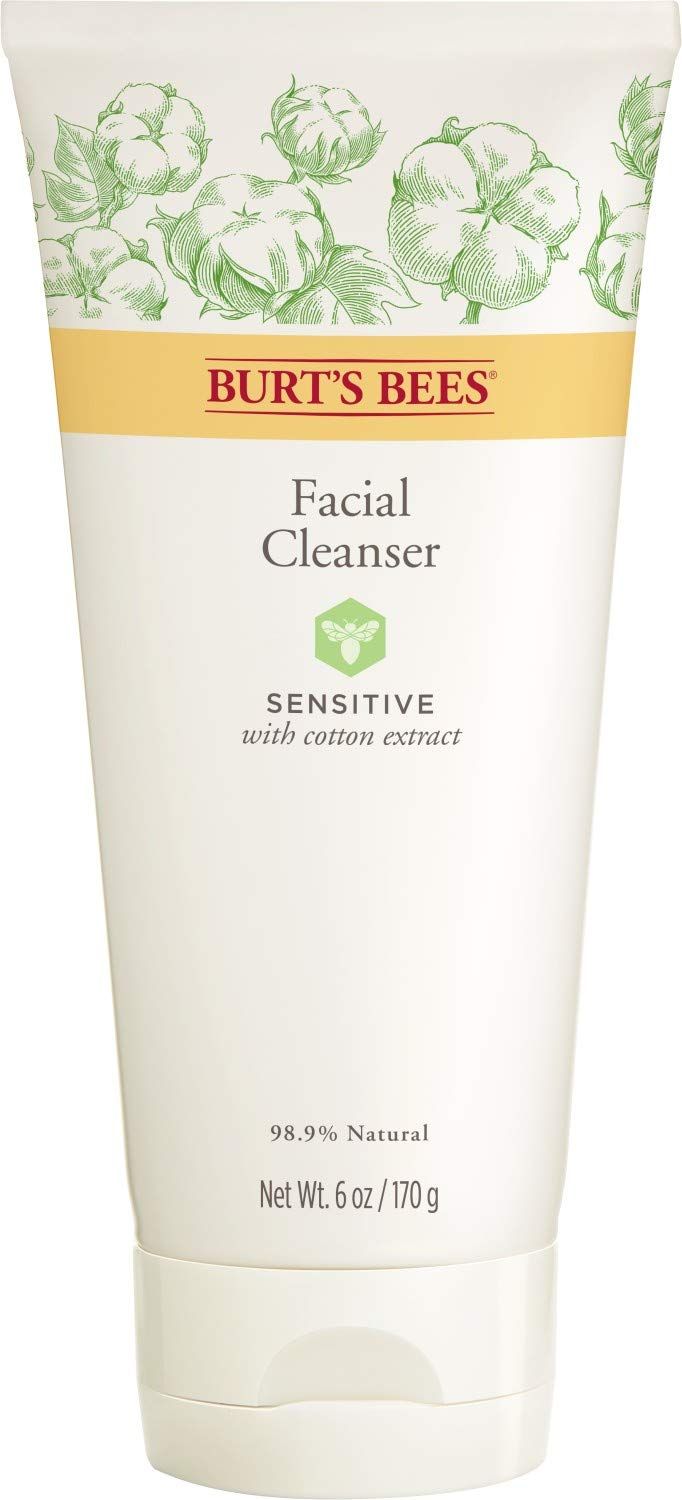
Burt's Bees Gentle Cream Cleanser with Aloe
Brand: Burt's Bees Price: Around $9 Best for: Sensitive skin on a budget.
Trade-off: Fragrance-light rather than fragrance-free, so patch test it first if scent triggers your skin.
Carries the National Eczema Association Seal of Acceptance, the only pick here that does.
98.9% natural origin.
Key ingredient: aloe, in a gentle cream base.
Profile C: Combination or Congested Skin
Uneven texture and localized congestion require gentle daily polishing and targeted pore clearing. Versatile gels and exfoliating botanical washes refine surface buildup while respecting balanced zones.
Look for: a balanced pH near 5.5, aloe and green tea listed high on the label, gentle fruit AHAs, apricot microspheres, jojoba beads or esters, and balancing hydrosols. They refine rough texture without drying delicate cheek zones.
Avoid: plastic microbeads, harsh synthetic astringents, and heavy occlusive or pore-clogging waxes.
Tata Harper Regenerating Cleanser
Brand: Tata Harper
Price: Around $88
Best for: Dull, congested skin wanting a daily gentle exfoliating glow ritual.
Key ingredients include apricot microspheres and willow bark BHA.
Gently polishes and cleanses without synthetic plastic microbeads.
Helps clarify clogged pores while preserving barrier moisture.
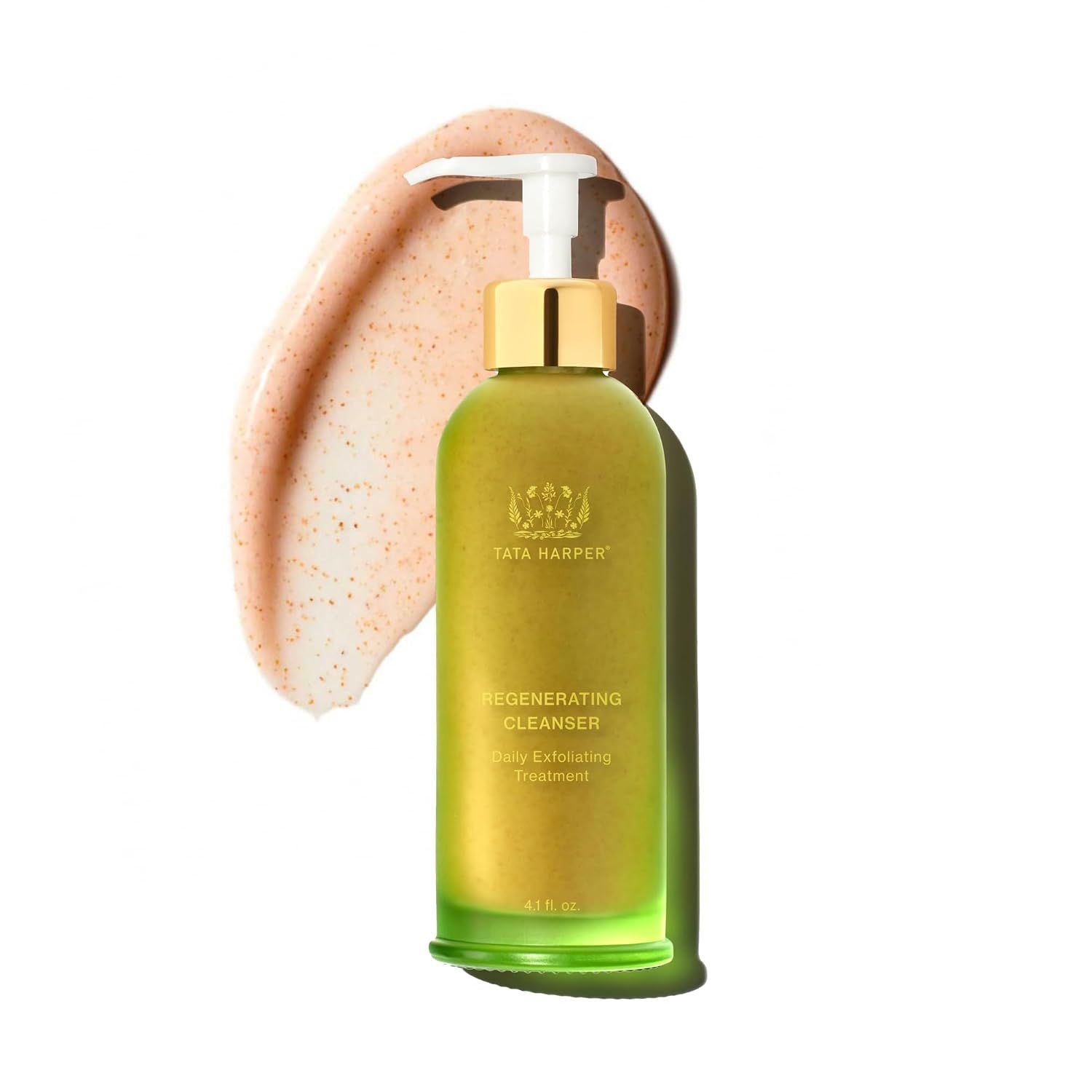
Trade-off: Steep investment for a wash-off product, and natural scent may irritate reactive skin.
Also recommended: Ursa Major Fantastic Face Wash, around $28, a sulfate-free foaming gel that also suits combination skin.
The Purity Checklist: Ingredients to Look For and Avoid
Reading a label is the fastest way to judge a natural face wash. Formula matters more than the front-of-bottle claim.
Textured plant fibers, such as apricot microspheres or jojoba beads, for gentle manual exfoliation.
Linoleic acid (Omega-6), a non-comedogenic fatty acid many people with acne-prone skin find supportive.
Malic acid from apple cider vinegar, a mild AHA that may help soften dead surface cells.
Botanical extracts like aloe and green tea, listed high, signal real concentration rather than token amounts.
Fragrance-free formulas, since natural scent oils can still irritate reactive skin.
Avoid undiluted apple cider vinegar, which can burn and disrupt the lipid barrier.
Avoid coconut oil if you are acne-prone; it ranks high on the comedogenic scale.
A note on preservatives: seeing phenoxyethanol on a natural label is not a red flag. Water-based formulas need a preservative system or they grow bacteria. Preservative-free is not automatically better, it just means shorter shelf life.
A clean face wash ingredient list is shorter, not longer. Check pH too: balanced formulas sit near 5.5, which helps the lipid barrier stay intact.
The Natural Cleansing Scale: From Budget to Luxury
Price is not a purity score. Still, cost does track what a formula can realistically contain. Three broad bands cover most natural face washes, and each one buys something different.
Range 1, under $15. Burt's Bees Gentle Cream Cleanser with Aloe, around $9, is fragrance-light, 98.9% natural origin, and the only pick here carrying the National Eczema Association Seal of Acceptance.
Range 2, $28 to $50. Specialty wellness brands invest in cold-pressed oils, balanced pH and fewer filler ingredients. Expect better texture, more transparent sourcing and a formula tested for the skin barrier. Both Ursa Major picks sit here, at around $28 and $34.
Range 3, $80 and above. Luxury botanical performance pays for higher concentrations of active ingredients, glass packaging and documented sustainable sourcing. Tata Harper's Regenerating Cleanser sits here at $88.
No band is automatically gentler. A $12 gel can suit sensitive skin better than a $90 cream. Spend more only when the formula matches your skin goal, and stay in Range 1 when it does not.
Materials Matter: Oils vs. Water-Based Carriers
A cleanser's base decides how it treats your lipid barrier. Water-based formulas rely on aloe vera or floral hydrosols, and they feel light, rinse clean, and suit oily or combination skin.
Oil-based carriers use jojoba oil, hemp, or grapeseed. Jojoba sits close to skin's own sebum, so it dissolves makeup and sunscreen without stripping.
The oil cleansing method (OCM) means massaging oil in for two minutes, then removing it with a warm, damp cloth. The full method takes about two minutes of massage plus a warm cloth removal, against roughly thirty seconds for a gel.
Here is the trade-off. Oil cleansing preserves the lipid layer better than soap-based gels, yet it is not hydrophilic, so a second water-based wash often helps.
Choose oils if your barrier feels tight or reactive. Choose water-based if you want speed and a squeaky-clean finish.
Care & Maintenance: Keeping Your Natural Routine Effective
Natural cleansers often skip harsh preservatives, so they need more careful handling. A little attention to storage and hygiene extends shelf life and limits oxidization. It also prevents waste.
Storage: Keep jars away from direct sunlight and steam, since preservative-free formulas oxidize faster. A dark cabinet works better than a bathroom shelf.
Hygiene: Use a clean spatula for balms and creams to avoid introducing bacteria. Never dip fingers into open jars.
Water Temperature: Rinse with lukewarm water, never hot, to protect your lipid barrier and natural oils. Hot water can strip moisture and trigger tightness.
Lukewarm water keeps capillaries from dilating too quickly, which many people find gentler on reactive skin.
Preservative-free formulas oxidize faster than conventional ones. These three habits are what keep them usable for their full shelf life.
Choosing Your Best Natural Face Cleanser: The Final Decision
Three pillars settle the choice: your skin goal, your budget, and your effort level. Everything else is detail.
Your skin goal. Clearing congestion or hydrating a tight barrier? Acne-prone skin generally does better with a linoleic-rich cleansing oil or a gel built on gentle surfactants. Dry or reactive skin often prefers a cream or raw honey base that leaves the lipid layer intact.
Your budget. A cleanser under $10, like Burt's Bees Gentle Cream Cleanser with Aloe, can work as a daily staple if the ingredient list stays short. Specialty and luxury formulas, from $28 to $88, buy higher active phytonutrients, glass packaging, and traceable sourcing.
Your effort level. A quick gel rinse takes thirty seconds. The two-step oil method rewards patience but demands consistency.
Splurge when actives earn their price, like the Tata Harper Regenerating Cleanser, an exfoliating natural face wash for dull, congested skin. Save on the second cleanse, where a simple, non toxic face cleanser performs the same job.
Patch test everything botanical, then browse Holisteek's shop for clean beauty staples.
Frequently Asked Questions
Sensitive skin usually tolerates fragrance free natural cleanser formats best, while oily skin often prefers gel textures with gentle surfactants. Compare labels honestly: plant based does not always mean non comedogenic.
Browse Holisteek's guide and glossary hub to compare ingredients, formats and skin goals before you buy. For more on holistic skincare routines, explore our resources section.
Get More Wellness Inspiration
Join our community of seekers. Bi-weekly dispatches on holistic science, sustainable living, and hidden wellness gems.
Camila Rios
Nutrition journalist and recovery-focused writer translating complex studies into clear guidance on food, hormones, energy, and daily resilience.