Biohacking for Women: What the Blueprint Protocol and Kate Tolo's Experiment Actually Mean


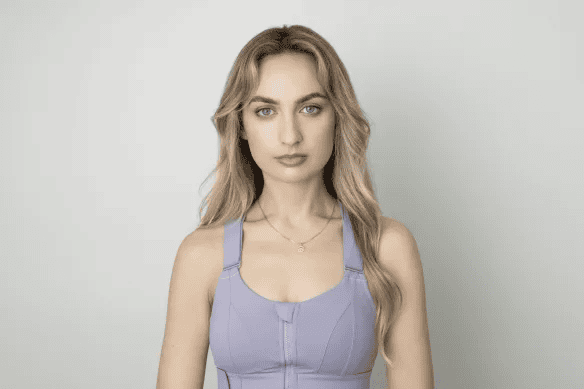
Bryan Johnson has spent five years turning his body into a data set. More than 1.5 billion data points collected. A full-time medical team. A daily protocol built around sleep, nutrition, exercise, and recovery. He calls it Blueprint.
Now Blueprint is being applied to a woman for the first time.
Kate Tolo is the co-founder of Blueprint. In 2026, she is committing to the most thorough female longevity experiment ever attempted: building a female-specific protocol from scratch, tracking everything, and sharing all findings publicly.
The questions being asked are ones that most clinical research has never properly addressed. What does a female sauna protocol look like? How does intermittent fasting interact with cycle phases? Should women cold plunge the same way men do?
Biohacking for women is moving from conversation to documented science.
Who Is Bryan Johnson and Why Does Blueprint Matter?
Bryan Johnson is a technology entrepreneur who sold his company Braintree to PayPal in 2013 for $800 million. He has since dedicated a significant portion of his resources to one goal: slowing biological aging.
Blueprint is his protocol. It covers every measurable aspect of health, from sleep quality and cardiovascular fitness to gut microbiome and hormone levels. Johnson tracks hundreds of biomarkers and adjusts his routine based on data, not intuition.
The project attracted attention not just for its ambition but for its transparency. Johnson publishes his results, his mistakes, and his costs publicly. That openness turned Blueprint from a personal experiment into a reference point for the broader biohacking community.
The limitation, until now, has been obvious. Every data point collected has come from one male body. Most of the interventions Blueprint uses, from cold exposure to time-restricted eating, were studied primarily in men.
Kate Tolo's experiment is the first attempt to close that gap at scale.
Meet Kate Tolo: The Most Measured Woman in History
Kate Tolo is the co-founder of Blueprint. She has been building the project alongside Johnson since day one, which means she understands the protocol from the inside: the discipline it requires, the data it generates, and the cost it carries.
Starting in 2026, she is committing to something no woman has done before at this scale. Three months of baseline measurement across four time points per cycle, doing the same things every day, with a dedicated full-time medical team tracking everything.
For context: men on the Blueprint protocol can establish a baseline in one to two weeks. For women, the same process takes three months. The female body operates on a longer, more complex rhythm, and that complexity is exactly what this experiment is designed to map.
The questions Kate's experiment aims to answer are ones that mainstream research has largely skipped:
- Can fertility be improved through lifestyle interventions?
- Should women cold plunge, and if so, how?
- What does a female sauna protocol look like?
- How does dosage and recovery change across cycle phases?
- What keeps a cycle regular?
- Can perimenopause be slowed?
- Does stress impact men and women the same way?
Kate has suspected endometriosis, a condition affecting roughly 10% of women. The experiment will attempt to address that too, with care and without overpromising outcomes.
What the Blueprint Protocol Actually Tests in Women
This is where the experiment gets specific. The practices being tested are not new to wellness circles, but the female-specific data around most of them is thin. Here is what the protocol is examining and what current research suggests for women.
Cold plunge Cold water immersion has become one of the most discussed recovery tools in the biohacking space. Most of the existing data comes from male subjects. For women, the hormonal and thermoregulatory response to cold exposure may differ across cycle phases. The experiment aims to establish what a female-specific cold plunge protocol looks like, including timing, duration, and temperature.
Sauna Heat exposure is associated with cardiovascular benefits and recovery support. For women, the question of how sauna use interacts with cycle phases, hydration needs, and hormonal fluctuations has not been studied at the scale Blueprint is attempting.
Intermittent fasting and cycle phases Time-restricted eating has been widely studied in men. For women, emerging research suggests that fasting protocols may need to be adjusted depending on cycle phase to avoid disrupting hormonal balance. This is one of the areas the experiment is expected to address directly.
Sleep optimization Sleep quality affects nearly every measurable health marker. Blueprint tracks sleep with precision, and Kate's experiment will map how sleep patterns shift across cycle phases and what interventions most effectively support recovery.
Biomarker tracking The experiment will track hundreds of biomarkers across the full cycle, building what Johnson describes as a repeatable waveform of life-critical data points. Once the baseline is established, interventions begin.
What This Means for Women's Wellness in 2026
The Blueprint experiment does not exist in isolation. It is arriving at a moment when interest in women's longevity and personalized health is growing faster than the research can keep up.
For decades, the default in clinical science was to study men and apply the findings broadly. The FDA banned women from clinical trials from 1977 to 1993, citing hormonal variability as a confounding factor. The result is a significant gap in the data: most of what we know about nutrition timing, cold exposure, exercise recovery, and supplementation is based on male physiology.
N=1 medicine is gaining ground precisely because of that gap. Individual science experiments generate signals that population-level studies miss, and for women, those signals may be more important than for any other group.
What Kate Tolo's experiment represents is a shift in how women's wellness is being approached: not as a variation of male wellness, but as its own field requiring its own data.
This matters for anyone interested in biohacking for women, women's longevity, or simply building a wellness routine that is grounded in something more specific than generic advice.
Wellness Practices Women Can Explore Today
You do not need a $2 million protocol to start exploring the practices Blueprint is testing. Many of them are already available through wellness retreats, spas, and holistic centers across the US.
Cold plunge and contrast therapy programs are now offered at a growing number of wellness retreats, often as part of structured recovery or detox programs. Sauna sessions, both traditional and infrared, are widely available as standalone experiences or integrated into longer retreat programs.
Sleep optimization, breathwork, and mindfulness programming are core offerings at most wellness retreats, with formats ranging from weekend resets to week-long immersions. These are the same pillars Blueprint is testing in a clinical context, available in a supported, guided environment.
For women specifically, there is a growing number of retreats designed around female physiology, hormonal health, and cycle-based wellness. These programs combine movement, nutrition, rest, and community in ways that align closely with what the Blueprint experiment is attempting to document scientifically.
FAQ
What is the Bryan Johnson Blueprint protocol?
Blueprint is a longevity protocol developed by entrepreneur Bryan Johnson. It covers sleep, nutrition, exercise, and recovery, and tracks hundreds of biomarkers to measure biological aging. Johnson has been following the protocol on himself since 2021, collecting over 1.5 billion data points in the process. All findings are shared publicly.
Who is Kate Tolo?
Kate Tolo is the co-founder of Blueprint. In 2026, she became the first woman to follow a full Blueprint-style longevity protocol, with the goal of building a female-specific data set that addresses gaps in existing wellness research. Her baseline measurement phase spans three months and covers four time points per cycle.
Is biohacking safe for women?
Biohacking covers a wide range of practices, from sleep tracking and nutrition adjustments to cold exposure and supplementation. Many of these practices are generally considered safe when approached gradually and with professional guidance. That said, individual responses vary, and some interventions may interact with hormonal cycles or existing health conditions. Consulting a healthcare provider before starting any new protocol is always recommended.
What is N=1 medicine?
N=1 medicine refers to self-experimentation where a single individual serves as both the subject and the researcher. Rather than drawing conclusions from large population studies, N=1 medicine generates personalized signals based on one body's response to specific interventions. It is particularly useful in areas where population-level data is limited, such as women's health.
How is biohacking for women different from men?
Most biohacking protocols were developed using data from male subjects. Women's hormonal cycles, thermoregulatory responses, and metabolic rhythms differ significantly from men's, which means interventions like fasting, cold exposure, and exercise recovery may need to be adjusted based on cycle phase. The Blueprint experiment is one of the first attempts to build a rigorous, female-specific data set to address that gap.
Where to Take Your Wellness Further
The Blueprint experiment is asking questions that should have been asked years ago. What works for women, specifically, when it comes to sleep, recovery, cold exposure, and fasting? What does a longevity protocol built on female data actually look like?
Those answers are still being collected. But the practices being tested are not waiting for the results. Cold plunge, infrared sauna, breathwork, sleep optimization, and movement-based recovery are available right now, at wellness retreats across the US, in formats designed to support exactly the kind of reset Blueprint is attempting to measure.
You do not need a clinical protocol to start. You need the right environment and the right support.
Get More Wellness Inspiration
Join our community of seekers. Bi-weekly dispatches on holistic science, sustainable living, and hidden wellness gems.
Romina Ricca
Yoga and Meditation Teacher Certified in Dynamic Yoga, Therapeutic Yoga, and Surya Vinyasa, with deep expertise in Meditation and Mindfulness practices. Founder and Director of Ser Presente. I help individuals integrate mindfulness and breathwork into their daily routines, focusing on reducing stress, enhancing focus, and alleviating anxiety.
Related Articles
Top Wellness Centers in Los Angeles for Holistic Healing
The Best At-Home Wellness Recovery Tools (That Actually Work)
The Best Meditation Cushions and Essentials for a Serious Practice
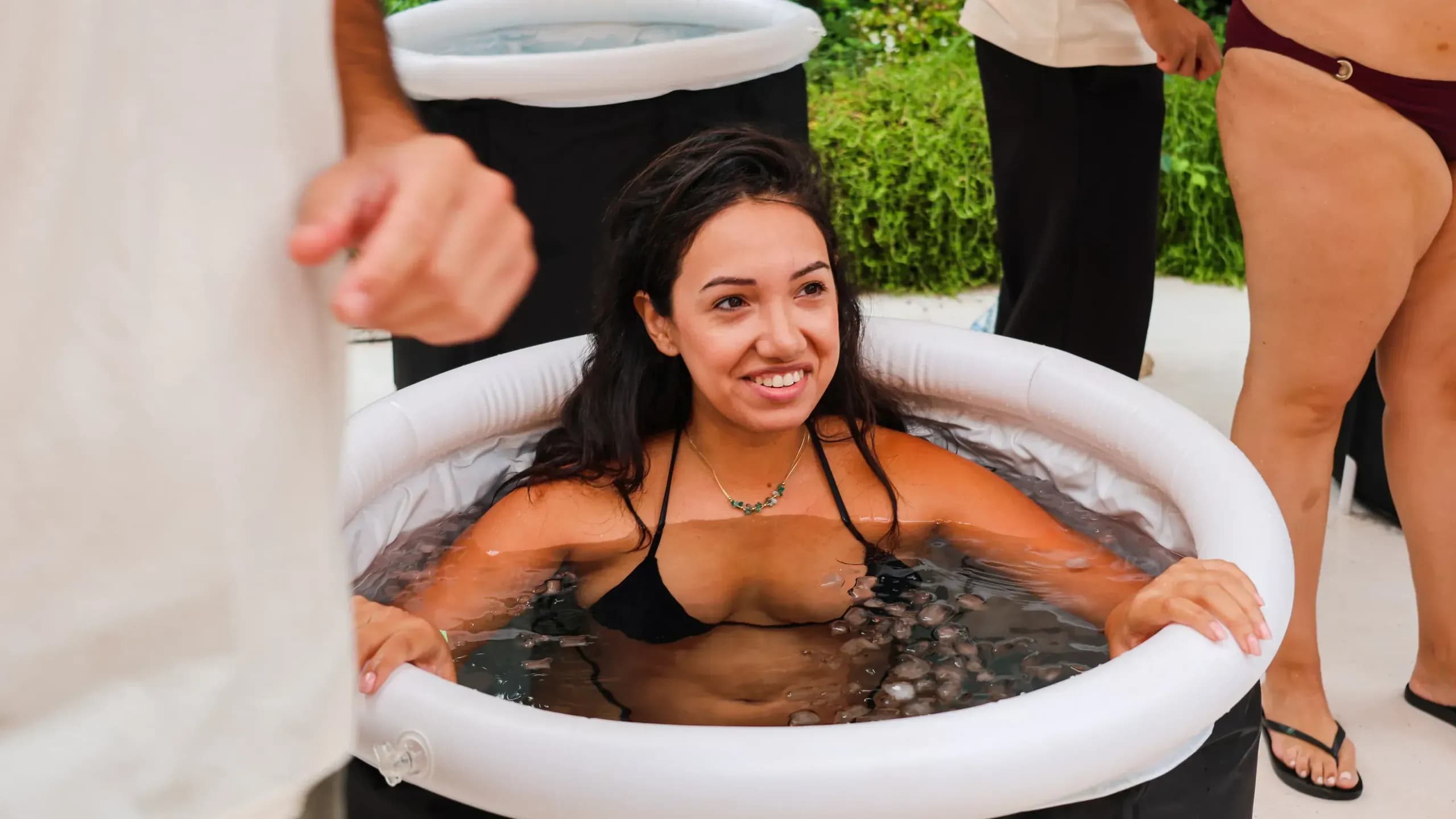
Why Barcelona’s Hottest Party This Summer Started With Breathwork Instead of Tequila
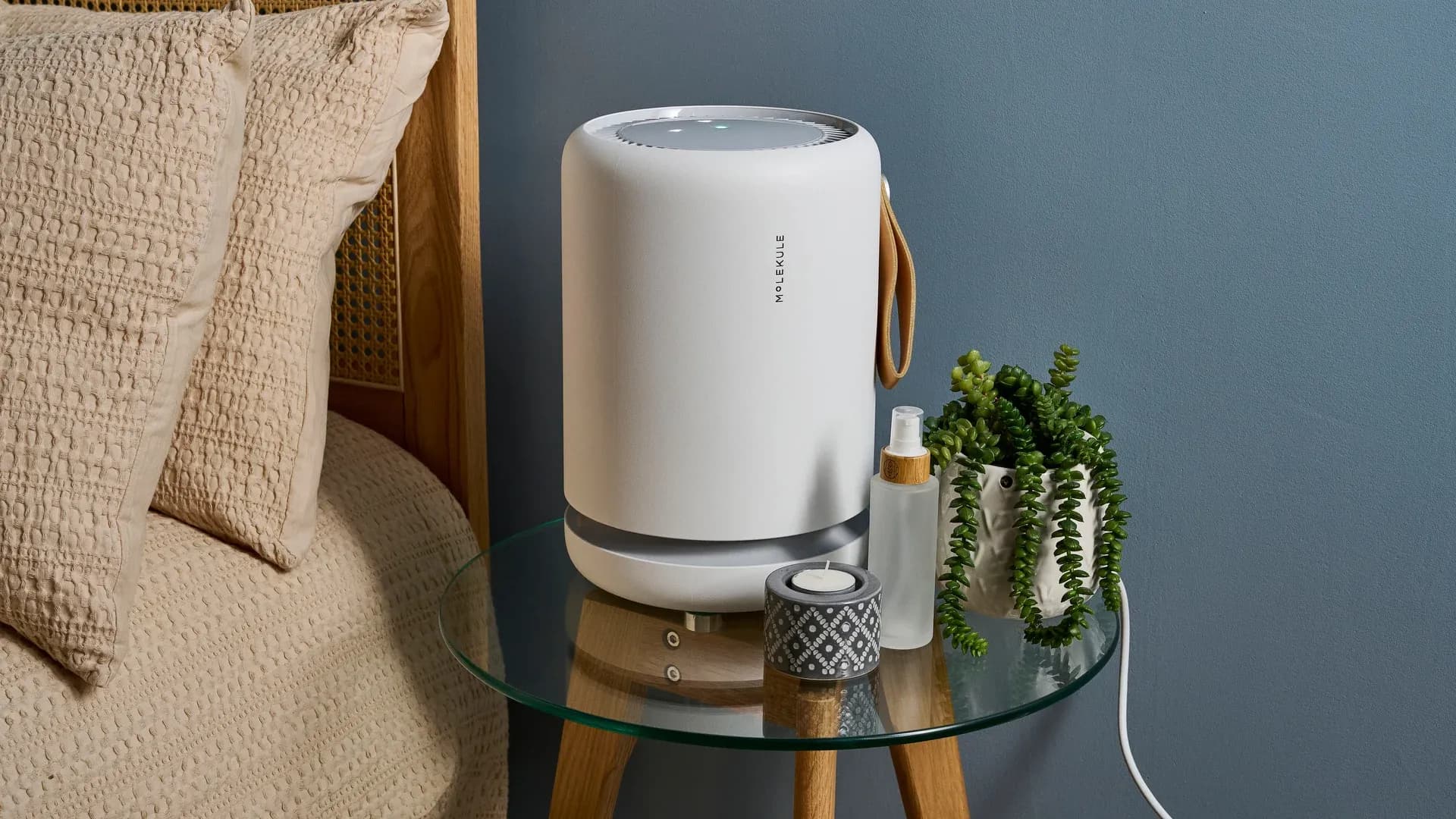
How Air Purifiers Work (And Why Your Home Needs One)
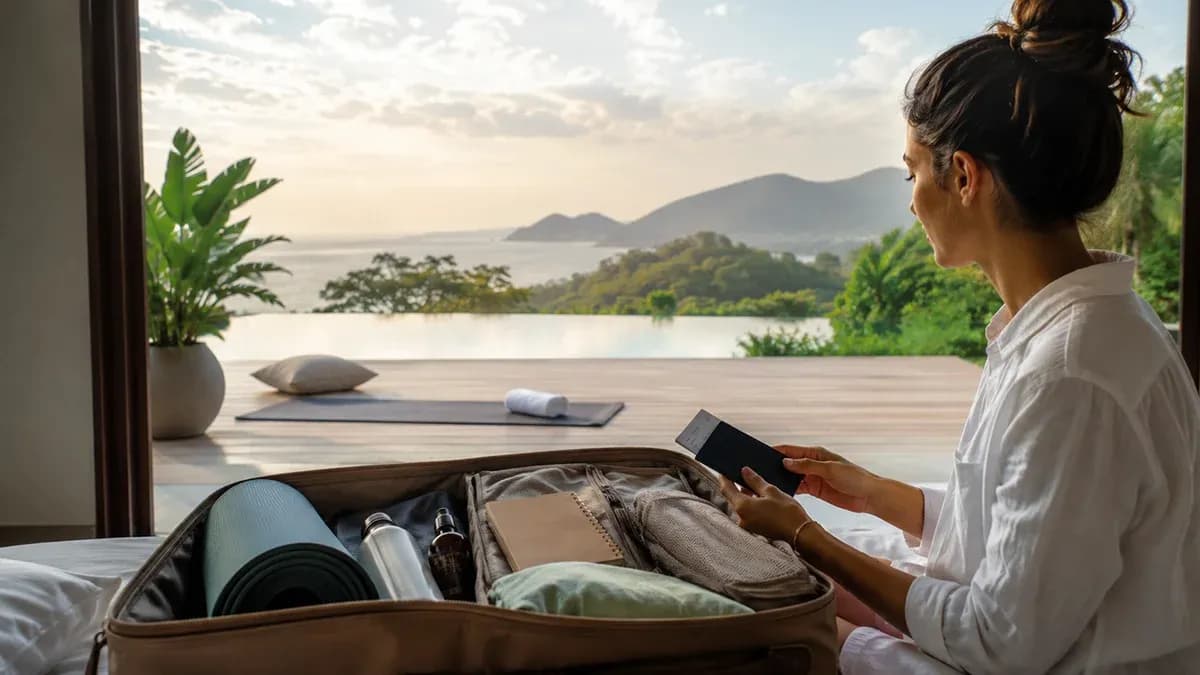
How to Plan a Wellness Retreat Abroad (And Why It's Harder Than You Think)
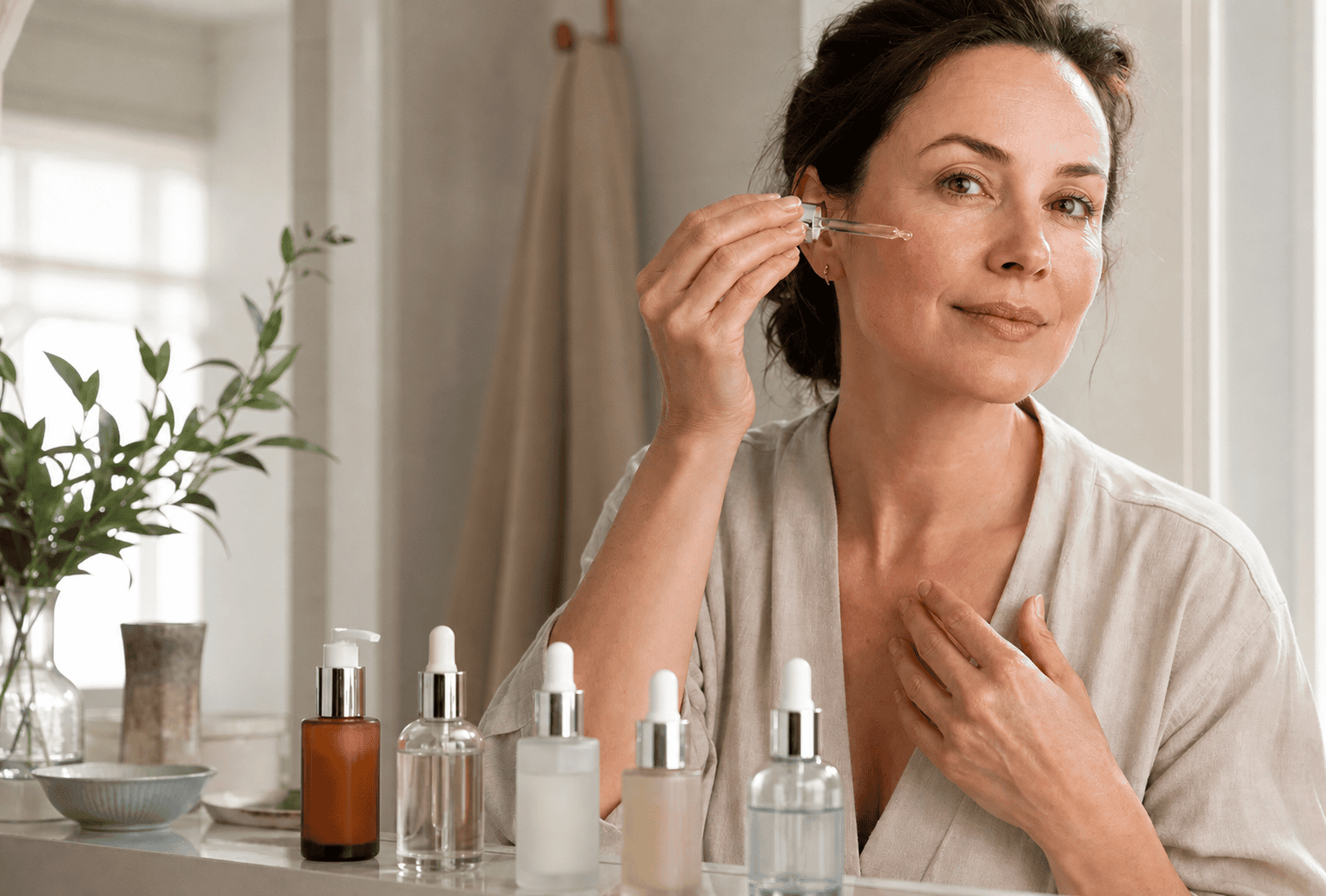
Anti-Aging Serums for Sensitive Skin (Without the Backfire)
Top Wellness at Home Trends to Improve Your Well-Being
Precision Wellness: A Smarter Daily Routine