Wellness Centers and Spas
Published:
How to Choose the Right Women’s Wellness Retreat in the USA (2026 Guide)

Table of Contents
If you’re searching for a women’s wellness retreat, you’re likely navigating a transition. Burnout. Caregiving fatigue. A career shift. A relationship change. Or simply the sense that you need space that feels different from everyday life.
There isn’t one “best” retreat. The right choice depends on your stage of life and what you’re seeking right now — rest, clarity, healing, structure, or community. Some retreats focus on embodied practice. Others center emotional processing, spiritual exploration, or leadership development.
Before booking, it helps to understand the different formats available and how they vary in intensity, group size, and facilitation style. Alignment matters more than aesthetics.
Explore women’s wellness retreats across the USA on Holisteek.
What Is a Women’s Wellness Retreat?
A women’s wellness retreat is a structured experience designed specifically for women’s physical, emotional, and psychological needs. Unlike a general wellness retreat, these programs are built around shared lived experience and gender-informed facilitation.
Most retreats for women fall into one of two categories: women-only or women-centered.
Women-Only vs Women-Centered
Women-only retreats limit participation to women and are often built around psychological safety and shared experience. The intention is to reduce social performance and create space for honesty.
Women-centered retreats may be open to broader audiences but are designed with women’s health, leadership, or emotional development as the primary focus.
Both formats can be effective. The key is whether the environment supports the type of reflection or work you want to engage in.
Emotional Safety and Shared Experience
Many women choose retreats for women because of the relational environment. Shared experience often includes:
- Navigating caregiving roles
- Career pressure or identity shifts
- Hormonal and health transitions
- Relationship and boundary challenges
In a well-facilitated women’s health retreat, programming is structured to support both individual reflection and community connection without forcing disclosure.
Psychological containment matters. Look for retreats that clearly outline facilitation credentials and group structure.
Facilitated Programming vs Unstructured Space
Some wellness retreats for women are highly structured, with defined daily schedules, workshops, and guided exercises. Others prioritize rest, nature immersion, and optional participation.
Before booking, review:
- Daily schedule
- Facilitator involvement
- Group size
- Emotional intensity level
Prioritize what you’ll actually do each day. Setting matters, but structure is what drives the outcome.
Types of Women’s Wellness Retreat Experiences
Not all retreats for women serve the same purpose. The most effective way to compare options is by intention — not price or location.
Below are the most common formats of a women’s wellness retreat in the USA.
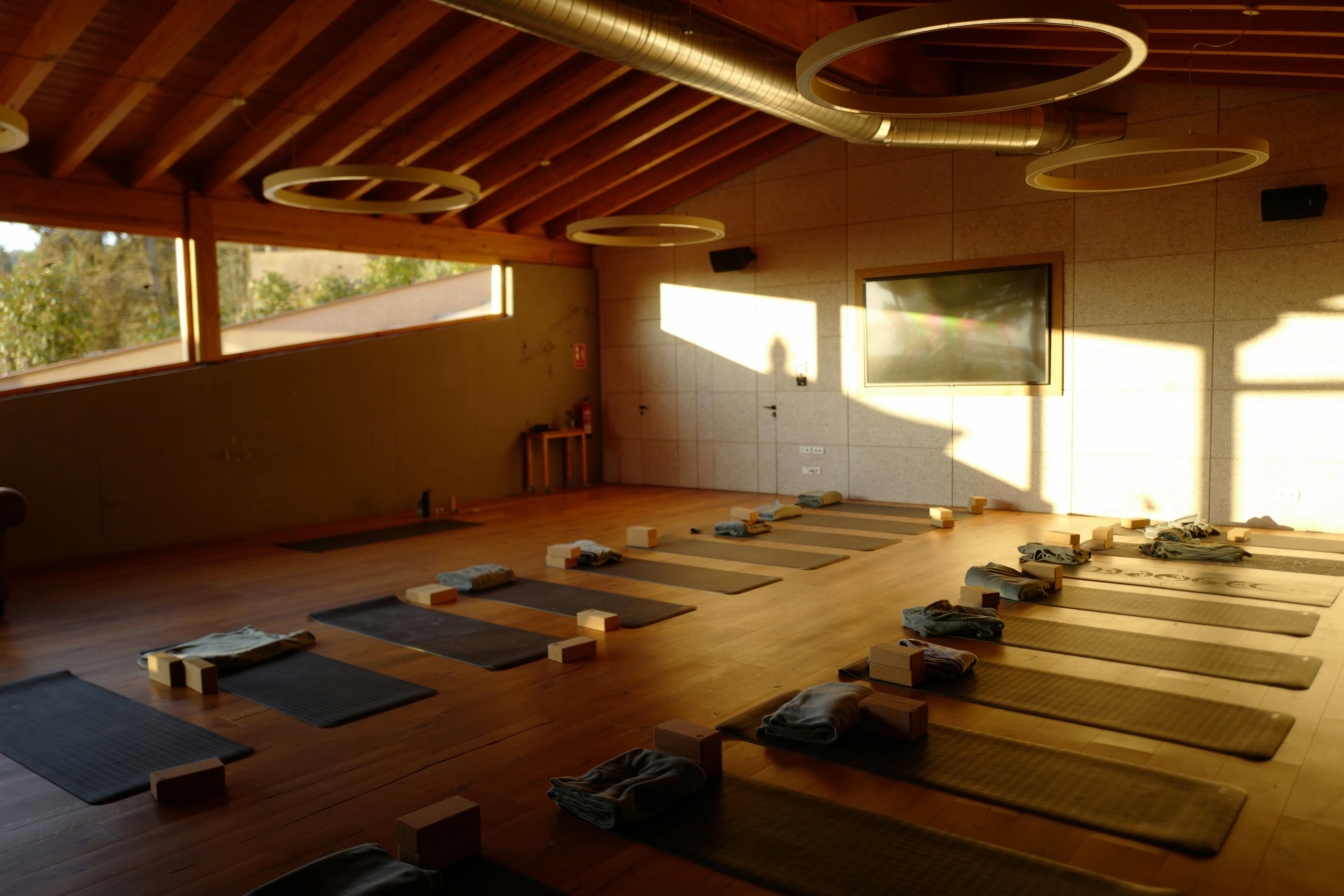
Women’s Yoga Retreats
A women’s yoga retreat centers on embodied practice. The focus is usually physical regulation, breath, and reconnection with the body.
Common elements:
- Daily yoga sessions (often twice per day)
- Breathwork or guided relaxation
- Nature immersion
- Community meals and shared downtime
These retreats are often designed to regulate the nervous system and restore physical awareness. The pace may be structured but not emotionally intensive.
Best suited for:
- Women experiencing burnout or physical tension
- Those seeking embodied grounding rather than deep emotional processing
- Participants comfortable with daily movement practice
Yoga-focused formats emphasize physical presence as the entry point for reset.
Smaller-format programs such as The Wright Place Private Pilates Retreats in Denver integrate mat-based movement, structured daily itineraries, and intimate group settings that emphasize embodied reset.
Women’s Meditation & Mindfulness Retreats
A women’s meditation retreat focuses on mental clarity, emotional awareness, and sustained attention.
Formats vary:
- Silent retreats
- Guided mindfulness programs
- Structured reflection sessions
- Optional group sharing
Intensity depends on structure. Silent formats can feel psychologically demanding, especially for participants new to extended stillness. Guided programs are typically more accessible.
Best suited for:
- Women seeking emotional reset
- Those navigating transitions or identity shifts
- Participants comfortable with quiet reflection
Mindfulness-based retreats support awareness and internal clarity rather than external activity.
Silent and spiritually structured programs such as those hosted at Saint Clare’s Retreat Center in Northern California offer guided stillness, reflection, and faith-centered retreat formats within a contained environment.
Healing & Spiritual Retreats for Women
A women’s healing retreat or spiritual retreat for women often integrates somatic work, therapeutic exercises, and symbolic practices.
Common elements may include:
- Trauma-informed facilitation
- Somatic release or body-based therapy
- Ritual or symbolic reflection practices
- Guided emotional processing
Grounded facilitation is essential. Look for clear credentials and transparent methodology. Avoid programs that rely on vague promises or unstructured emotional intensity.
Best suited for:
- Women processing grief, transition, or emotional overwhelm
- Participants seeking integrative healing formats
- Those comfortable with facilitated vulnerability
These retreats can be transformative — but readiness matters.
In Southern California, centers such as Villa Kali Ma offer women-focused residential programs integrating trauma-informed care, somatic healing, and structured recovery environments designed specifically for women.
Empowerment & Personal Growth Retreats
An empowerment retreat for women or self-discovery retreat for women focuses on identity, leadership, and forward momentum.
Common formats:
- Coaching frameworks
- Goal-setting workshops
- Career clarity exercises
- Boundary and communication training
- Leadership development
These retreats are often less inwardly focused and more action-oriented.
Best suited for:
- Women navigating career transitions
- Entrepreneurs or leaders seeking clarity
- Those ready for structured growth and direction
Empowerment retreats emphasize movement forward rather than recovery alone.
Where Women’s Wellness Retreats Are Most Common in the USA
Women’s wellness retreats are offered nationwide, but certain states consistently host stronger inventory due to retreat infrastructure, climate, and wellness culture.
Below is a general overview of where a women’s wellness retreat is most commonly found in the US. Availability may vary by season and retreat programming.
California
California supports one of the largest markets for wellness retreats for women.
Common positioning:
- Luxury wellness properties
- Mindfulness and yoga-based formats
- Empowerment and leadership retreats
- Coastal and mountain settings
The state’s established wellness culture supports both high-end and mid-range retreat options.
Arizona
Arizona is often associated with desert-based healing and reset environments.
Typical characteristics:
- Boutique retreat centers
- Women’s healing retreat positioning
- Nature immersion and quiet environments
- Structured yoga and meditation programs
The desert setting appeals to women seeking space and separation from daily noise.
Resort-based properties such as The Wilde Resort & Spa in Sedona combine spa amenities, wellness programming, and desert immersion, appealing to women seeking structured relaxation within a hospitality setting.
Colorado
Colorado offers mountain-based retreats focused on grounding and nature integration.
You’ll often find:
- Women’s yoga retreat formats
- Self-discovery retreat for women
- Smaller group sizes
- Outdoor-integrated programming
Seasonal access can influence availability, particularly in winter months.
Florida
Florida attracts women seeking coastal relaxation and spa-forward experiences.
Common offerings:
- Women’s health retreat programs
- All-inclusive wellness retreats
- Weekend-focused formats
Coastal settings often emphasize restoration and physical recovery.
National spa brands such as Woodhouse Spa, with locations across multiple states, offer women-centered spa environments that prioritize physical restoration and short-format wellness experiences rather than immersive retreat structure.
North Carolina
North Carolina supports nature-based immersion and retreat centers in forested and mountain regions.
Typical positioning:
- Women-centered mindfulness retreats
- Small group healing formats
- Quiet environments with simple accommodations
The region appeals to women seeking grounding and lower-stimulation environments.
Regional inventory shifts based on facilitator schedules, seasonal demand, and retreat center capacity. When choosing location, consider climate, travel logistics, and format availability — not just scenery.
How to Choose the Right Women’s Wellness Retreat
Choosing a women’s wellness retreat starts with clarity about where you are in your life — not where you think you should be.
Use this decision framework before comparing wellness retreats for women.
1. What Stage of Life Are You In?
Different retreats support different transitions.
Ask yourself:
- Am I recovering from burnout?
- Navigating caregiving fatigue?
- Moving through career change?
- Processing grief or identity shifts?
- Seeking momentum or direction?
Your stage of life should guide the retreat format.
2. Are You Seeking Rest or Transformation?
There is a difference between recovery and structured change.
- Rest-focused retreats prioritize regulation and restoration.
- Transformation-focused retreats include emotional processing, coaching, or facilitated work.
Both are valid. Choose based on capacity.
3. Preferred Group Size
Group size affects psychological safety and interaction level.
- Smaller groups allow more individualized attention.
- Larger groups may offer energy and community, but less one-on-one time.
Review participant limits before booking.
4. Comfort With Emotional Sharing
Some women’s retreat centers incorporate group dialogue and facilitated vulnerability.
Consider:
- Are you comfortable sharing in a group setting?
- Do you prefer private reflection?
- Do you want structured exercises or optional participation?
Intensity varies widely between retreats.
5. Duration Tolerance
Short formats (2–3 days) are accessible and manageable.
4–5 day immersions allow deeper progression.
Week-long retreats often increase emotional and physical intensity.
Choose a duration that supports follow-through.
6. Budget Range
Costs vary by:
- Accommodation type
- Facilitation credentials
- All-inclusive structure
- Location
Review what is included before comparing price tiers. Transparent programming is more important than aesthetics.
7. Travel Distance
Travel fatigue can impact your experience.
Consider:
- Flight time
- Transfer logistics
- Time zone differences
Sometimes a retreat closer to home provides better integration afterward.
Choosing well means aligning intensity, structure, and environment with your current capacity. The right retreat feels supportive — not overwhelming.
What Do Women’s Wellness Retreats Typically Cost?
Pricing for a women’s wellness retreat in the US varies by duration, accommodation type, facilitator credentials, and location. Cost reflects structure and level of support — not just amenities.
Below are general tiers to help set realistic expectations.
Weekend Retreats (2–3 Days)
Short-format retreats are the most accessible entry point.
Typically include:
- Shared workshops or yoga sessions
- Onsite lodging (often shared rooms)
- Group meals
- Limited one-on-one time
Weekend formats are common among retreats for women designed for burnout recovery or quick reset. They offer structure without requiring extended time away from work or family.
H3: 4–5 Day Immersions
Mid-length retreats allow for deeper progression and stronger group cohesion.
Often include:
- Multiple daily sessions
- Facilitated emotional or coaching work
- Embodied practices (yoga, somatic work)
- Structured reflection time
This range is common for a women’s healing retreat or empowerment-focused format.
Luxury Week-Long Programs
Higher-tier retreats typically include:
- Private accommodations
- Smaller group sizes
- Professional facilitation or licensed therapists
- Integrated wellness programming
- Premium hospitality
These may be positioned as a comprehensive women’s health retreat or transformational immersion.
What Influences Price?
When comparing wellness retreats for women, confirm:
- Private vs shared room options
- Meals included
- Number of facilitated sessions
- Additional add-ons (private coaching, spa treatments)
- Cancellation and transfer policies
Lower cost does not mean less effective. Higher cost does not guarantee depth. Structure and facilitator quality are more reliable indicators of value.
Common Mistakes When Booking a Women’s Retreat
Most dissatisfaction with a women’s wellness retreat comes from misalignment — not from the retreat itself. Clarity before booking reduces regret.
Here are the most common mistakes.
Choosing a Retreat That Doesn’t Match Emotional Readiness
Some retreats are restorative. Others are intensive.
If you are exhausted, a highly emotional women’s healing retreat may feel overwhelming.
If you are seeking momentum, a purely restorative spa-style format may feel underwhelming.
Match intensity to capacity.
Overlooking Facilitator Credentials
Not all retreats are led by trained professionals.
Before booking, review:
- Facilitator background
- Trauma-informed training (if applicable)
- Coaching or therapy credentials
- Clear methodology
Well-structured women’s retreat centers outline their approach transparently.
Confusing a Spa Getaway With a Structured Retreat
A scenic setting does not equal intentional programming.
Some retreats emphasize:
- Luxury accommodation
- Relaxation amenities
- Minimal facilitated work
Others prioritize:
- Defined schedules
- Guided exercises
- Emotional or psychological progression
Review the daily structure carefully before committing.
Ignoring Group Size
Group size affects safety and engagement.
Large groups may limit individual attention.
Very small groups may increase vulnerability and intensity.
Choose based on your comfort level.
Not Reviewing Cancellation Policies
Retreats are often booked months in advance.
Confirm:
- Refund deadlines
- Transfer options
- Minimum participant requirements
- Weather-related adjustments
Professional operations communicate policies clearly.
Choosing intentionally reduces risk. When structure, facilitation, and readiness align, wellness retreats for women can create meaningful clarity rather than temporary relief.
Frequently Asked Questions
What happens at a women’s wellness retreat?
A women’s wellness retreat typically includes structured programming such as yoga, meditation, workshops, coaching sessions, or guided reflection. The daily schedule varies by format, but most retreats combine facilitated sessions with downtime for rest and integration.
Some programs are restorative. Others are emotionally or professionally focused. Review the schedule to understand intensity before booking.
Are women-only retreats better?
Not necessarily — it depends on your goals.
Women-only retreats for women often prioritize emotional safety and shared lived experience. Many participants find it easier to speak openly in a women-centered environment.
However, mixed-format retreats can also be effective if the programming aligns with your needs. The key factor is facilitation quality, not exclusivity alone.
How long should I attend?
Duration depends on capacity and intention.
- 2–3 day formats are accessible and manageable.
- 4–5 day immersions allow deeper progression.
- Week-long retreats increase intensity and integration time.
Choose a length that supports follow-through rather than aspiration.
Are these retreats suitable for beginners?
Yes, many wellness retreats for women are beginner-friendly. Yoga, meditation, and empowerment-focused retreats often include introductory guidance.
However, healing-intensive formats may require emotional readiness. Always review prerequisites and facilitator notes before registering.
What should I bring?
Most retreat centers provide basic lodging, but you should confirm details.
Common items include:
- Comfortable clothing
- Layers for climate shifts
- Personal toiletries
- Journal or notebook
- Medications if needed
Check the retreat center’s preparation list before arrival.
Explore Women’s Wellness Retreats in the USA
Once you’ve clarified your stage of life, preferred intensity, and format, comparison becomes more straightforward.
Women’s wellness retreats vary in structure, duration, and facilitation style. Filtering by purpose — yoga, meditation, healing, empowerment, or health-focused — helps narrow your options efficiently.
Browse women’s wellness retreats on Holisteek. Use filters to compare women-focused listings and select the retreat that aligns with your current goals.
Choose the experience that meets you where you are.


Romina Ricca
Yoga and Meditation Teacher Certified in Dynamic Yoga, Therapeutic Yoga, and Surya Vinyasa, with deep expertise in Meditation and Mindfulness practices. Founder and Director of Ser Presente. I help individuals integrate mindfulness and breathwork into their daily routines, focusing on reducing stress, enhancing focus, and alleviating anxiety.