Wellness Centers and Spas
Published:
How to Choose the Right Couples Retreat in the US (2026 Guide)

Table of Contents
Interest in couples retreats has grown as many relationships get stretched by work pressure, parenting, and constant screen time. Couples often want real time to reconnect — but the options can look similar on the surface.
A romantic getaway is mostly rest and privacy. A structured couples retreat adds guided sessions, shared practices, or facilitated conversations to support connection.
There’s no single “best” retreat. The right fit depends on your goal: relaxation, intimacy, communication skills, or repair after conflict.
This guide breaks down the main types of couples retreats in the US, what each format includes, and how to compare options before booking.
Explore couples retreats across the US by format, duration, and location on Holisteek.
What Is a Couples Retreat?
A couples retreat is a structured experience designed to support connection, communication, and shared growth. Unlike a standard vacation, most retreats include intentional programming.
The structure varies depending on format, but common elements include:
Established retreat providers design these elements intentionally to create containment, progression, and measurable outcomes.
Structured Programming
Many couples retreats follow a daily schedule that may include:
- Guided workshops
- Facilitated discussions
- Communication exercises
- Shared mindfulness or movement sessions
- Private reflection time
The goal is to create focused time for the relationship without everyday interruptions.
Marriage Retreat and Therapist-Led Formats
A marriage retreat or relationship retreat often includes professional facilitation. These may be led by licensed therapists, certified coaches, or experienced relationship educators.
Common features:
- Conflict resolution tools
- Structured communication frameworks
- Emotional repair exercises
- Guided feedback sessions
These formats are designed for couples seeking practical tools rather than relaxation alone.
Wellness-Immersion Formats
Some couples retreats focus on shared wellness experiences rather than structured therapy.
These may include:
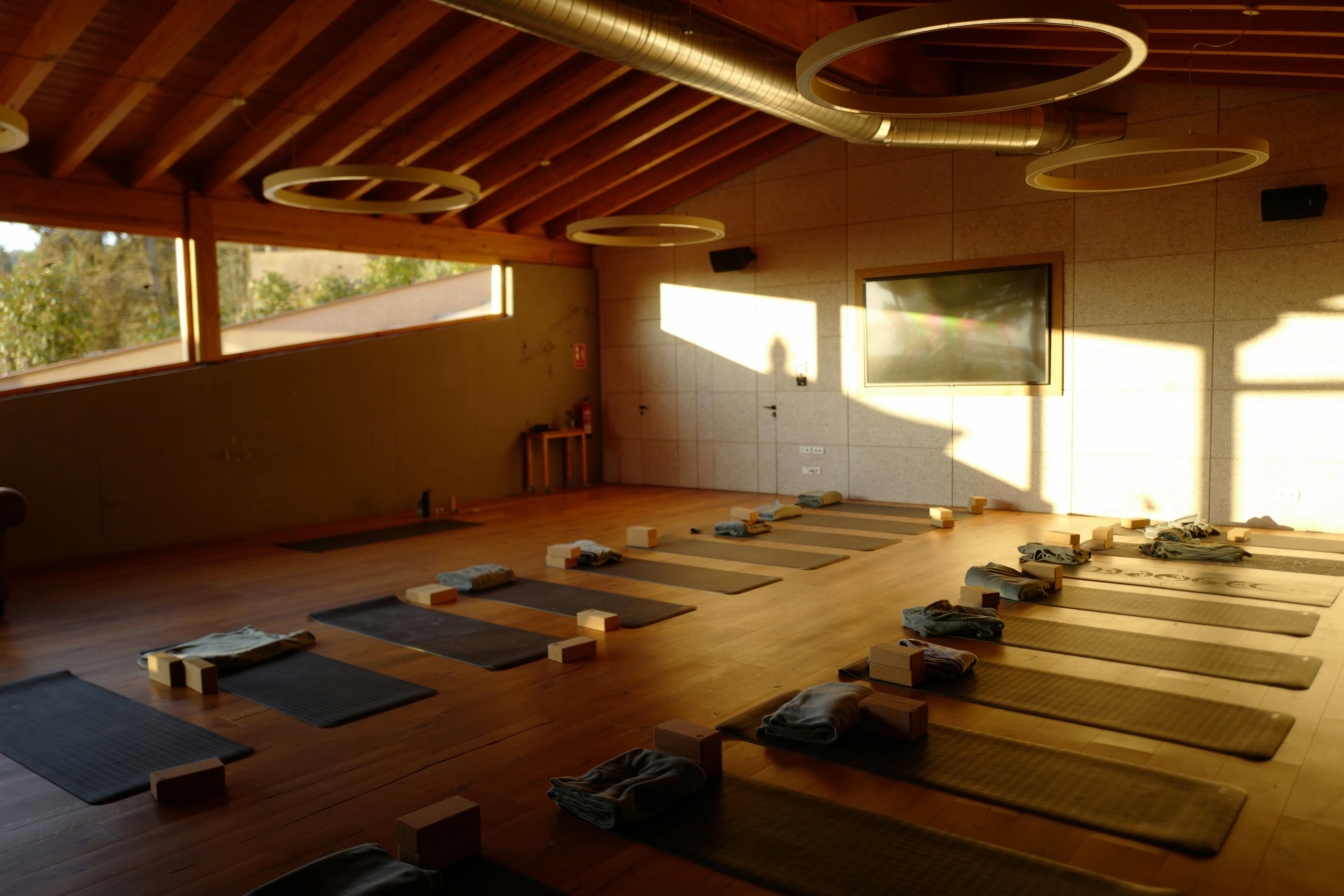
- Couples yoga sessions
- Mindfulness practice
- Outdoor activities
- Nutrition workshops
- Movement-based bonding
While less therapy-oriented, they still provide intentional connection through shared activity.
Retreat vs Romantic Getaway
A romantic getaway prioritizes privacy and atmosphere. A couples retreat includes guided structure.
Resort-style stays may offer:
- Scenic settings
- Spa access
- Dining experiences
- Free-flowing schedules
Structured retreats typically include:
- Defined session times
- Facilitator involvement
- Group participation (in some formats)
Clarifying this difference is essential. Many booking mistakes happen when couples expect structured support but choose a hospitality-focused experience instead.
A couples retreat creates dedicated space to focus on the relationship. The intensity, structure, and facilitation level vary widely — and should match your goals before booking.
Types of Couples Retreats in the US
Couples retreats in the US vary by structure and intensity. Some are essentially a high-end romantic getaway for couples with light programming. Others function more like a relationship retreat with facilitated work and clear outcomes.
Choose the category that matches your goal.
Romantic and Intimacy-Focused Retreats
These retreats prioritize privacy, atmosphere, and emotional reconnection. They often appeal to couples who feel disconnected but are not necessarily looking for structured repair.
What to expect:
- Scenic settings and quiet environments
- More private time than group programming
- Intimacy-building activities (often optional)
- Boutique, hospitality-forward feel
Important distinction: Many of these experiences are closer to a resort stay than a structured retreat. If you want skill-building or conflict repair, you may need a different format.
Best for:
- Couples wanting quality time and closeness
- Partners seeking a reset without heavy processing
- Short stays focused on rest and reconnection
Couples Wellness Retreats
A couples wellness retreat is built around shared health practices that support bonding. These retreats often combine movement, mindfulness, and lifestyle reset.
Common formats include a couples yoga retreat paired with:
- Meditation or breathwork
- Outdoor activities
- Nutrition-forward meals
- Workshops on stress management or habit change
Best for:
- Couples who connect through shared activities
- Partners rebuilding routines after stress or burnout
- Those seeking structure without intensive emotional work
This format can improve communication indirectly by improving regulation, energy, and shared rhythm.
Couples Spa and All-Inclusive Retreats
A couples spa retreat focuses on relaxation and recovery. In a couples retreat all inclusive format, core costs are bundled, which reduces planning and decision fatigue.
What to expect:
- Spa access (sauna, steam, pools)
- Optional treatments (often extra)
- Short-format stays (weekend-heavy)
- Luxury hospitality and comfort
Best for:
- Couples prioritizing rest and physical recovery
- Busy professionals who want a low-effort reset
- Partners who want comfort first, structure second
If your main goal is communication repair, spa-based formats may be too light unless they include facilitated programming.
In Southern California, properties such as Ocean Pearl Spa in Carlsbad offer couples-focused spa experiences within a resort setting, emphasizing massage, hydrotherapy access, and short-format reset stays.
In Sedona, resort properties such as Amara Resort and Spa provide couples-friendly spa access, curated packages, and scenic desert settings designed for short-format reconnection.
Marriage and Relationship-Focused Retreats
A marriage retreat or relationship retreat is structured around communication skills, conflict repair, and emotional reconnection. These are often facilitated by therapists, relationship educators, or trained coaches.
What to expect:
- Guided communication frameworks
- Structured exercises for conflict patterns
- Emotion-focused work (in some formats)
- Group workshops and/or private sessions
Best for:
- Couples stuck in repeated conflict
- Partners rebuilding trust or repairing disconnection
- Those who want tools they can use after the retreat
Before booking, review facilitator credentials and the retreat’s approach (skills-based, therapy-led, faith-based, etc.).
Weekend Couples Retreats
A weekend couples retreat is designed for accessibility. Most run Friday to Sunday and offer a condensed program format.
What to expect:
- 2–3 day immersion
- Clear schedule with limited time off work
- Often closer to home or near major airports
- A lighter version of longer retreats
Best for:
- Busy couples testing the retreat format
- Partners who want a reset without major logistics
- Couples who want structured time but limited intensity
Weekend retreats can be high value — as long as the format matches your goal (relaxation vs repair).
Where Couples Retreats Are Most Common in the US
Couples retreats are available nationwide, but certain regions consistently offer stronger inventory, more variety, and year-round programming. Availability shifts by season and retreat focus.
Below is a general overview of where couples retreats are most commonly found in the US.
California
California offers one of the widest ranges of formats, from luxury wellness properties to therapist-led relationship retreats.
Common themes:
- Couples wellness retreat programs
- Yoga and mindfulness-based formats
- Luxury hospitality-forward experiences
- Coastal and mountain settings
Northern and Southern California both support strong retreat ecosystems, making it one of the most diverse markets.
In Northern California, destinations such as Chaminade Resort & Spa combine mountain-view privacy with spa amenities and hospitality-forward couples packages, appealing to partners seeking reconnection in a resort environment.
Arizona
Arizona is known for desert-based immersion and quiet, focused environments.
Typical offerings:
- Intimacy-focused retreats
- Couples wellness retreat programs
- Boutique-style desert properties
The environment supports privacy and disconnection from daily routine, which many couples seek when prioritizing reconnection.
Boutique centers such as Gateway Cottage Wellness Center in Sedona offer intimacy-focused and spiritually oriented couples sessions within smaller, facilitator-led formats.
Florida
Florida tends to attract couples looking for spa and relaxation-driven formats.
You’ll commonly see:
- Couples spa retreat options
- Couples retreat all inclusive packages
- Coastal resort-style experiences
Short-format and weekend retreats are common due to strong regional travel demand.
Colorado
Colorado supports mountain-based retreats with a mix of structured relationship work and wellness immersion.
Common characteristics:
- Smaller retreat centers
- Outdoor-integrated experiences
- Couples yoga retreat formats
Season affects availability, particularly in high-altitude regions.
In Denver, historic properties such as The Spa & Salon at The Brown Palace integrate couples spa services within a classic hotel setting, blending structured relaxation with urban accessibility.
Texas
Texas has growing inventory, especially in ranch-style and rural immersion formats.
Often includes:
- Weekend couples retreat structures
- Workshop-based marriage retreat programs
- More accessible price tiers compared to coastal luxury markets
Central Texas regions frequently host short-format retreats designed for busy professionals.
Regional Availability Note
Inventory depends on season, facilitator scheduling, and demand. Peak travel months typically increase pricing, particularly for all-inclusive formats.
When comparing destinations, consider:
- Travel logistics
- Climate preference
- Format availability
- Budget alignment
Location shapes the experience — but retreat structure should guide your decision first.
How to Choose the Right Couples Retreat for Your Relationship
Not all couples retreats serve the same purpose. The most common booking mistake is choosing based on location or aesthetics instead of relationship goals.
Use this framework before selecting from different couples retreat packages.
1. Are You Seeking Relaxation or Repair?
Be specific.
- If you want rest and reconnection → a couples spa retreat or romantic format may be enough.
- If you are navigating recurring conflict → a structured marriage retreat is more appropriate.
Relaxation improves mood. Repair requires facilitation.
2. Guided Therapy or Self-Guided Experience?
Some couples retreats are therapist-led. Others are wellness-based with light structure.
Ask:
- Do we need communication tools
- Are we comfortable with facilitator feedback?
- Are we open to group workshops?
A relationship retreat with professional facilitation offers tools and frameworks. A wellness retreat supports connection indirectly through shared experience.
3. Luxury or Simple Immersion?
Comfort level matters.
- Couples retreat all inclusive formats prioritize hospitality and convenience.
- Smaller retreat centers may offer simpler accommodations but stronger structure.
Choose based on what reduces stress for you — not what looks appealing in photos.
4. Short or Extended Stay?
Duration impacts depth.
- A weekend couples retreat provides quick reset and clarity.
- 4–5 day formats allow more structured progression.
- Longer retreats are appropriate when deeper repair or skill-building is needed.
Match duration to your emotional capacity and schedule flexibility.
5. Comfort With Group Sharing
Many retreats include group exercises.
Consider:
- Are we comfortable sharing in front of others?
- Do we prefer private sessions only?
- Would small-group settings feel supportive or uncomfortable?
Not all couples benefit from the same environment.
6. Budget Considerations
Costs vary based on:
- Accommodation type
- Length of stay
- Facilitation credentials
- All-inclusive vs partial packages
Review what is included before comparing price tiers. Lower cost may mean fewer facilitated sessions. Higher cost may include private coaching or therapy blocks.
Align the format with your current relationship stage. A matched retreat supports clarity. A mismatched one creates frustration.
Browse couples retreats in the US on Holisteek.
What Do Couples Retreats Typically Cost?
Pricing for couples retreats varies widely depending on format, duration, location, and level of facilitation. Cost alone does not indicate quality — but it does reflect structure, accommodation type, and professional involvement.
Below are general US price tiers to help set expectations.
Weekend Couples Retreats (2–3 Days)
Short-format retreats are typically the most accessible.
General range:
- Mid-tier workshop-based retreats: moderate pricing
- Spa- or hospitality-forward weekend stays: higher per-night cost
Weekend formats often include:
- Shared workshops
- Limited private sessions (if any)
- Standard lodging
A weekend couples retreat offers strong value when you need clarity or reconnection without extended time off work.
Mid-Range 3–5 Day Programs
These retreats allow for deeper progression and more structured sessions.
Typically include:
- Multiple facilitated workshops
- Communication exercises
- Wellness components (yoga, mindfulness)
- Onsite accommodation
Mid-range programs often strike a balance between structure and comfort. Many structured marriage retreat formats fall into this category.
Luxury and All-Inclusive Retreats
A couples retreat all inclusive format bundles lodging, meals, programming, and sometimes spa access into one package.
Higher-tier programs may include:
- Private coaching sessions
- Premium accommodations
- Personalized schedules
Limited group size
Luxury pricing reflects hospitality level, facilitator credentials, and staff-to-guest ratio.
Additional Cost Factors
When comparing couples retreat packages, confirm:
- Private vs shared room pricing
- Therapist-led vs workshop-led structure
- Meals included
- Transportation
- Cancellation policies
Total cost includes travel, time off work, and emotional investment — not just tuition.
Choose a retreat that aligns with both your budget and your goals. Lower cost does not mean ineffective. Higher cost does not guarantee depth. Structure and facilitation matter more than labels.
Common Mistakes When Booking a Couples Retreat
Even well-intentioned couples can misjudge which format fits their needs. Most dissatisfaction comes from misalignment — not from the retreat itself.
Here are the most common mistakes when choosing among couples retreats.
Choosing a Format That Doesn’t Match Your Goal
A romantic setting does not equal structured support.
If your goal is:
- Conflict repair
- Communication tools
- Rebuilding trust
A hospitality-focused retreat may feel too light. Conversely, if you simply need rest, an intensive relationship retreat may feel unnecessarily heavy.
Be clear about the outcome you want before choosing the format.
Ignoring Facilitator Credentials
Not all retreats are led by licensed therapists or trained relationship educators.
Before booking a marriage retreat, confirm:
- Facilitator background
- Professional credentials
- Experience working with couples
- Retreat methodology
Credentials matter, especially for emotionally intensive formats.
Underestimating Emotional Intensity
Structured retreats can surface vulnerability, conflict patterns, and long-standing tension.
If you are attending a therapist-led program, expect:
- Honest conversations
- Guided feedback
- Emotional discomfort at times
This is part of the process. Emotional intensity is not a sign that something is wrong — but preparation matters.
Confusing a Resort Stay With a Structured Retreat
Many properties market themselves as retreats but offer minimal programming.
Before booking, verify:
- Daily schedule
- Number of facilitated sessions
- Whether exercises are guided or optional
A romantic getaway for couples can be valuable — but it is different from a structured retreat experience.
Not Reviewing Cancellation Terms
Retreats are often booked months in advance.
Confirm:
- Refund timelines
- Transfer options
- Minimum participant requirements
Weather-related policies (for outdoor retreats)
Clarity prevents last-minute financial stress.
Choosing intentionally reduces risk. When structure, facilitation, and goals align, couples retreats can create meaningful momentum rather than temporary relief.
Explore Couples Retreats Across the US
Once you’ve clarified your goal — relaxation, reconnection, structured repair, or shared wellness — comparison becomes more efficient.
Couples retreats differ significantly in format, facilitation, duration, and price. Filtering by category first helps narrow your options:
- Romantic and intimacy-focused retreats
- Couples wellness retreat formats
- Couples spa retreat and all-inclusive experiences
- Structured marriage retreat or relationship retreat programs
- Weekend couples retreat options
Location, climate, and season matter. But structure should guide your decision.
Browse couples retreats directly on Holisteek. Use filters to compare couples retreat packages, review inclusions, and identify the experience that aligns with your relationship goals.
Choose the retreat that matches where you are — not where you think you should be.


Romina Ricca
Yoga and Meditation Teacher Certified in Dynamic Yoga, Therapeutic Yoga, and Surya Vinyasa, with deep expertise in Meditation and Mindfulness practices. Founder and Director of Ser Presente. I help individuals integrate mindfulness and breathwork into their daily routines, focusing on reducing stress, enhancing focus, and alleviating anxiety.