

Spiritual Retreats for Healing: One Pick for Each Reason People Go


Most retreat directories give you an endless catalog of options and leave you to decide alone. Real renewal starts by naming exactly what is depleted right now.
Here are the six distinct life situations and the single retreat format built for each one.
| Your Situation | The Single Recommendation |
|---|---|
| Burnt out from work | A Bali yoga retreat |
| Coming out of a breakup | A guided spiritual retreat |
| Grieving someone | A monastery stay |
| Cannot switch off at night | A short silent retreat |
| Your body is the thing that is done | Ayurvedic panchakarma, a cleansing programme of set diet, daily oil treatments, and massage |
| You already practise and nothing moves | Ten days of vipassana, silent courses watching breath and body sensations |
Our Top Picks: Healing and Renewal Programs
The catch: the scene is largely unregulated, so vet facilitators carefully. A verified booking platform is worth using here.
Vipassana Centers, Worldwide
Book this: If you are seeking deep discipline and mental clarity through sustained introspection.
Not this: Not if you are burnt out. Ten days of total silence strips away your existing coping habits before replacing them, which often worsens exhaustion.
Program: A ten-day course in complete noble silence, meaning no talking, no reading, no phone, and no eye contact. Vipassana means seeing things as they are. You spend around ten hours a day observing breath and body sensations without reacting.
Mechanism: Introspective silence surfaces deep behavioral patterns that ordinary daily conversation obscures, removing habitual mental reactions.
Trade-off: The intensity is demanding; this is not a relaxing spa break but a deep mental and physical challenge.
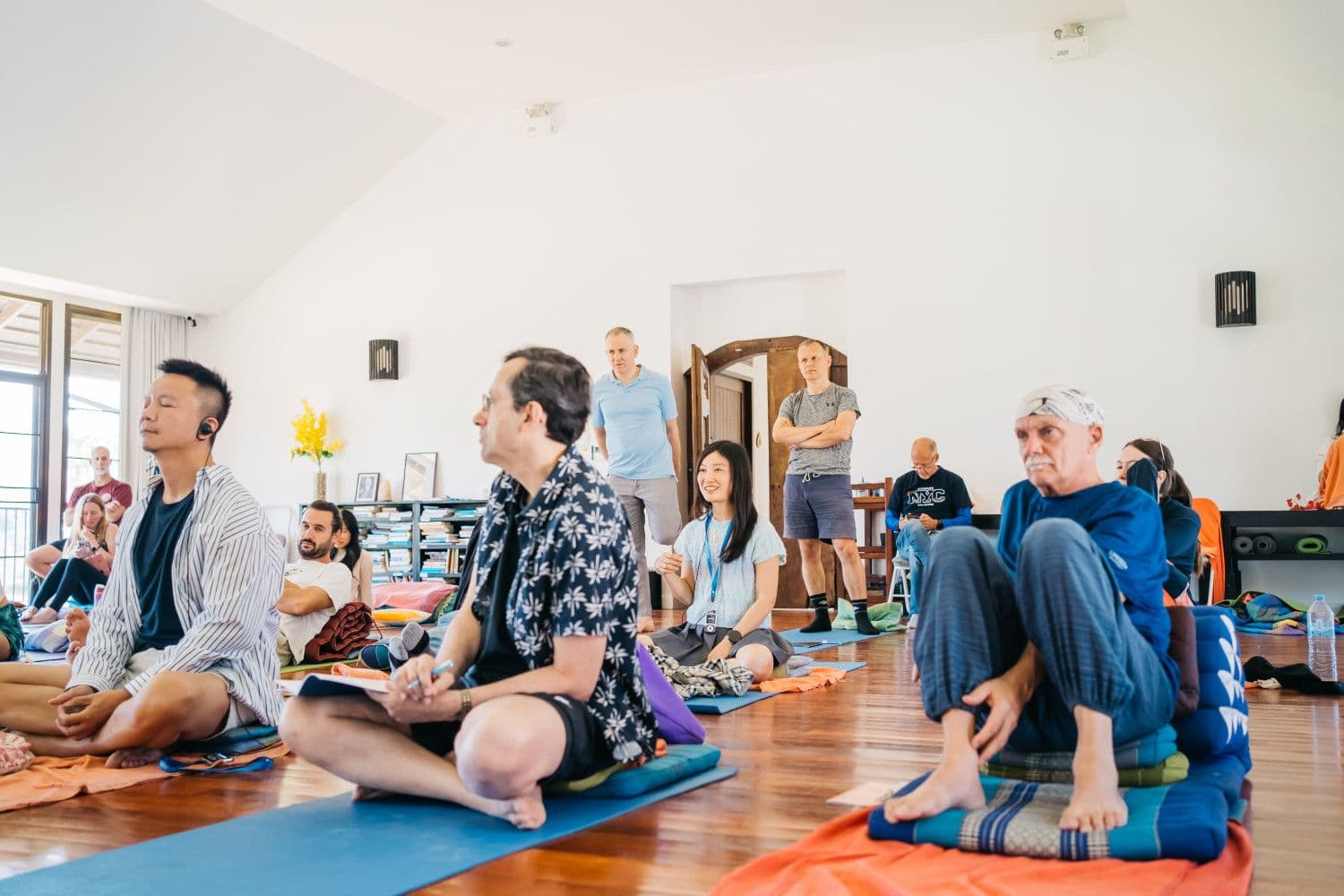
Silent Retreats
Book this: When sensory overload or mental chatter prevents deep rest and mental recovery.
Program: Immersive quiet environments designed to remove digital noise and conversational demands, allowing the nervous system to settle naturally.
Mechanism: A thorough digital detox removes screen input and notification loops, creating room for your nervous system to recalibrate baseline stress levels.
Trade-off: Stepping into total quiet can initially heighten anxious thoughts before mental stillness takes root.
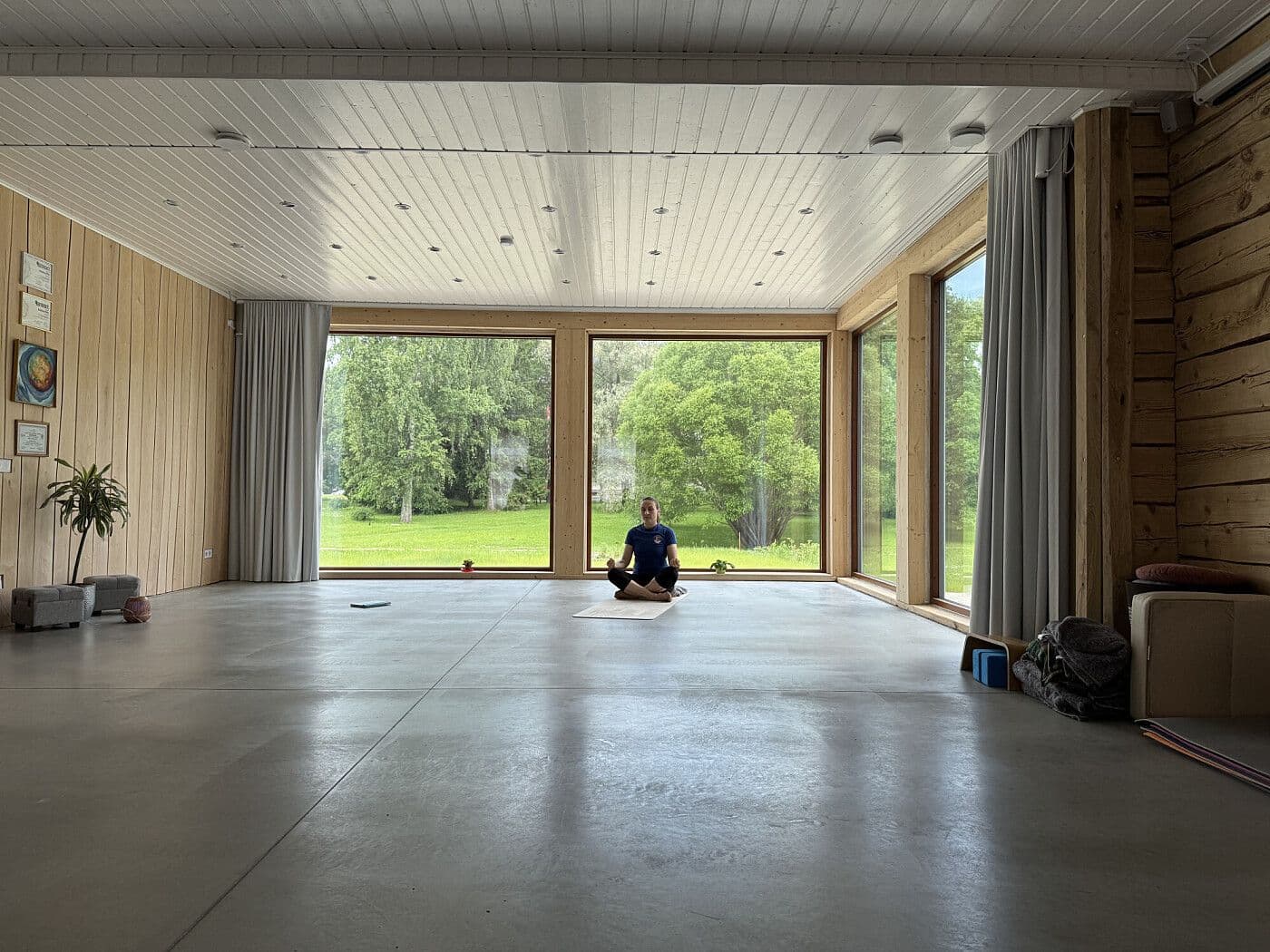
Zen Meditation Retreats and Sesshin
Book this: Dedicated practitioners looking for structured zazen meditation, rigorous daily schedules, and mindfulness in every movement.
Program: Intensive seated meditation paired with walking meditation, mindful labor, and personal teacher interviews.
Mechanism: Sustained introspective silence combined with strict physical posture trains attention and strips away non-essential mental dialogue.
Trade-off: Physical discomfort from prolonged floor sitting requires physical stamina and discipline.
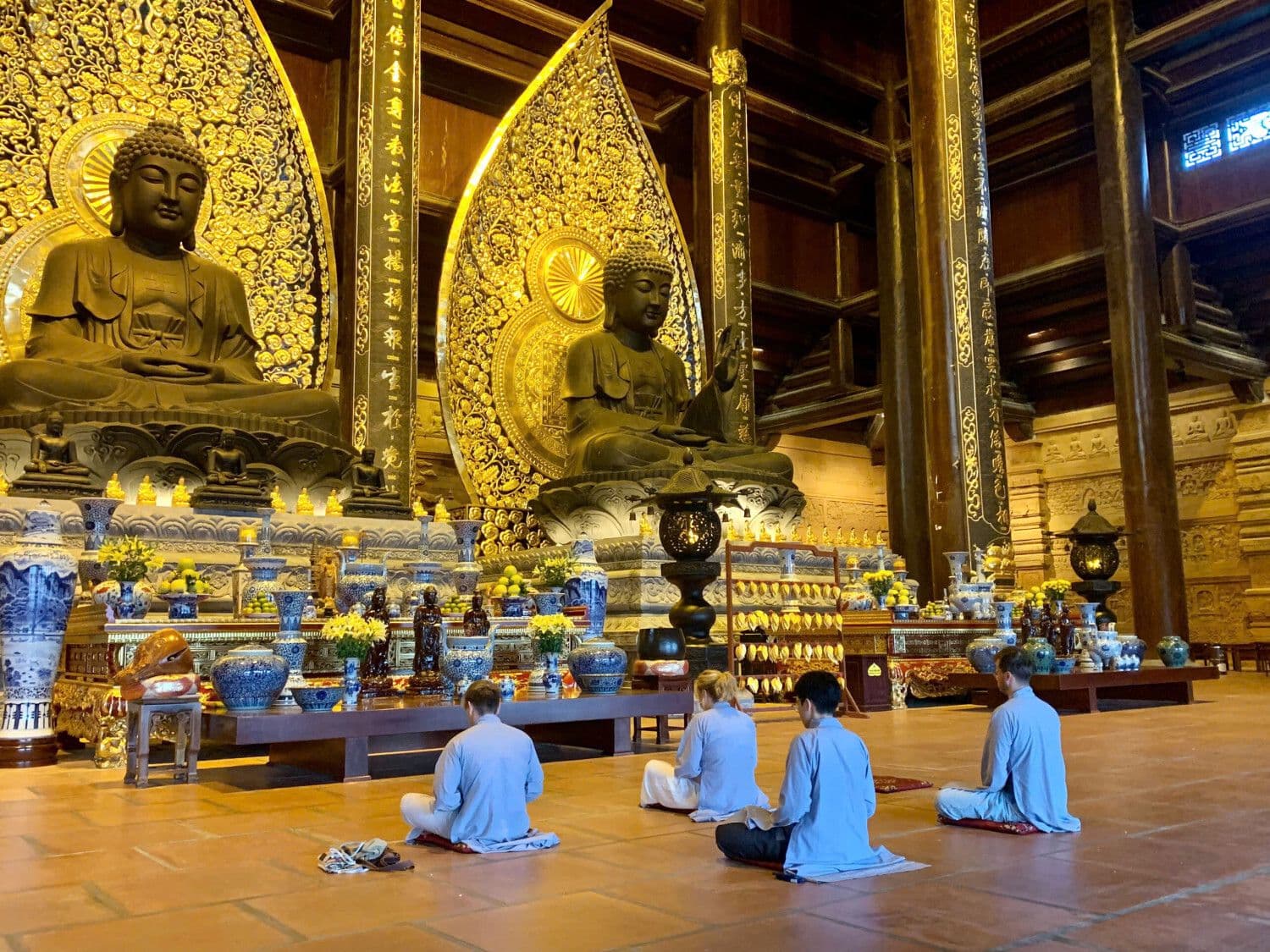
Monastery Stays
Book this: Anyone carrying heavy grief or seeking contemplative solitude within sacred, grounded routines.
Program: Structured daily rhythm centered around communal silence, simple meals, and optional contemplative chanting or meditation.
Mechanism: Ancestral rituals and centuries-old communal rhythms reconnect participants with traditional lineage, sacred space, and cyclical time.
Trade-off: Simple accommodations and strict communal rules leave little room for luxury amenities.
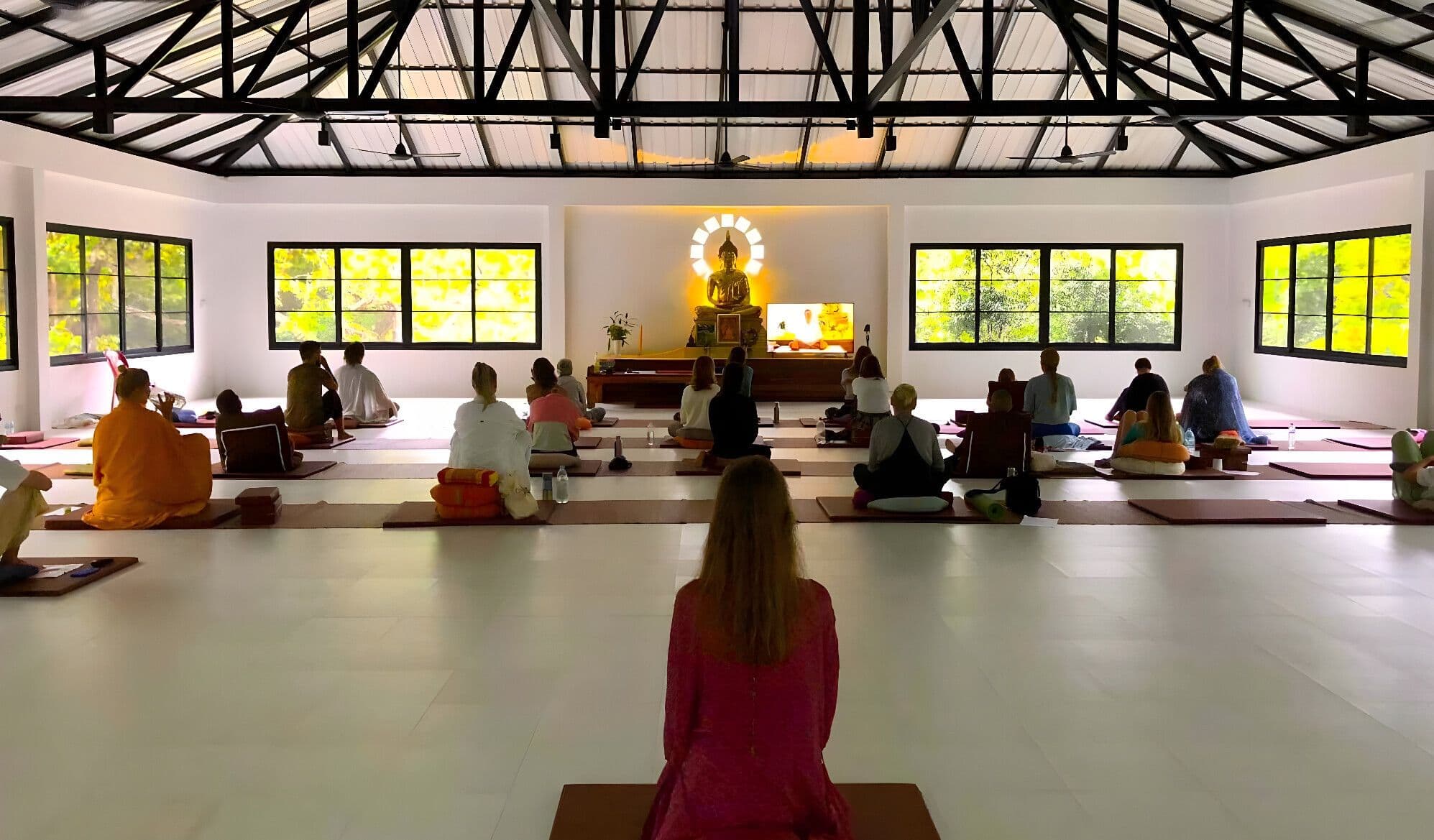
Guided Spiritual Retreats
Book this: Seekers moving through major life transitions or relationship ends who need active emotional holding.
Program: Expert facilitator-led sessions combining breathwork, personal reflection, somatic work, and mindful sharing.
Mechanism: Somatic release through guided breathwork and body-centered practices helps unlock emotional residue without requiring forced verbal processing.
Trade-off: Group dynamics and interpersonal emotional processing require openness and vulnerability.
Explore Guided Spiritual Retreats
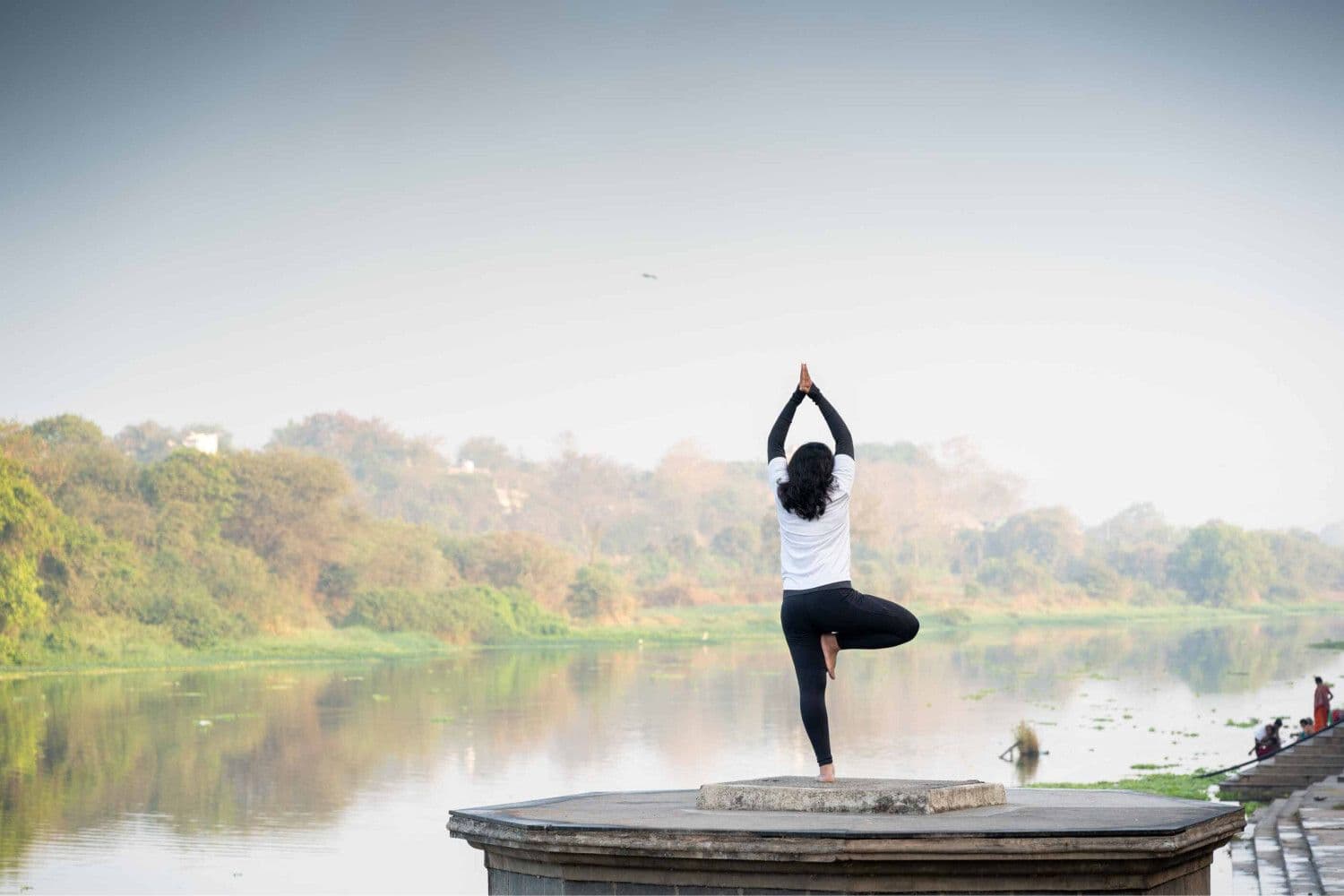
Ayurvedic Retreats and Panchakarma
Best for: Wellness seekers pursuing physical and energetic purification through classic Panchakarma.
Program: In-residence Ayurvedic detox rooted in traditional medicine. Panchakarma includes a constitution assessment, set cleansing diet, daily warm herbal oil treatments, and targeted massage.
Mechanism: Ancestral healing rituals and traditional therapies align physiological rhythms with dietary protocols honed across centuries of medical tradition.
Trade-off: Clinical protocols and dietary restrictions limit leisure time and social activities.
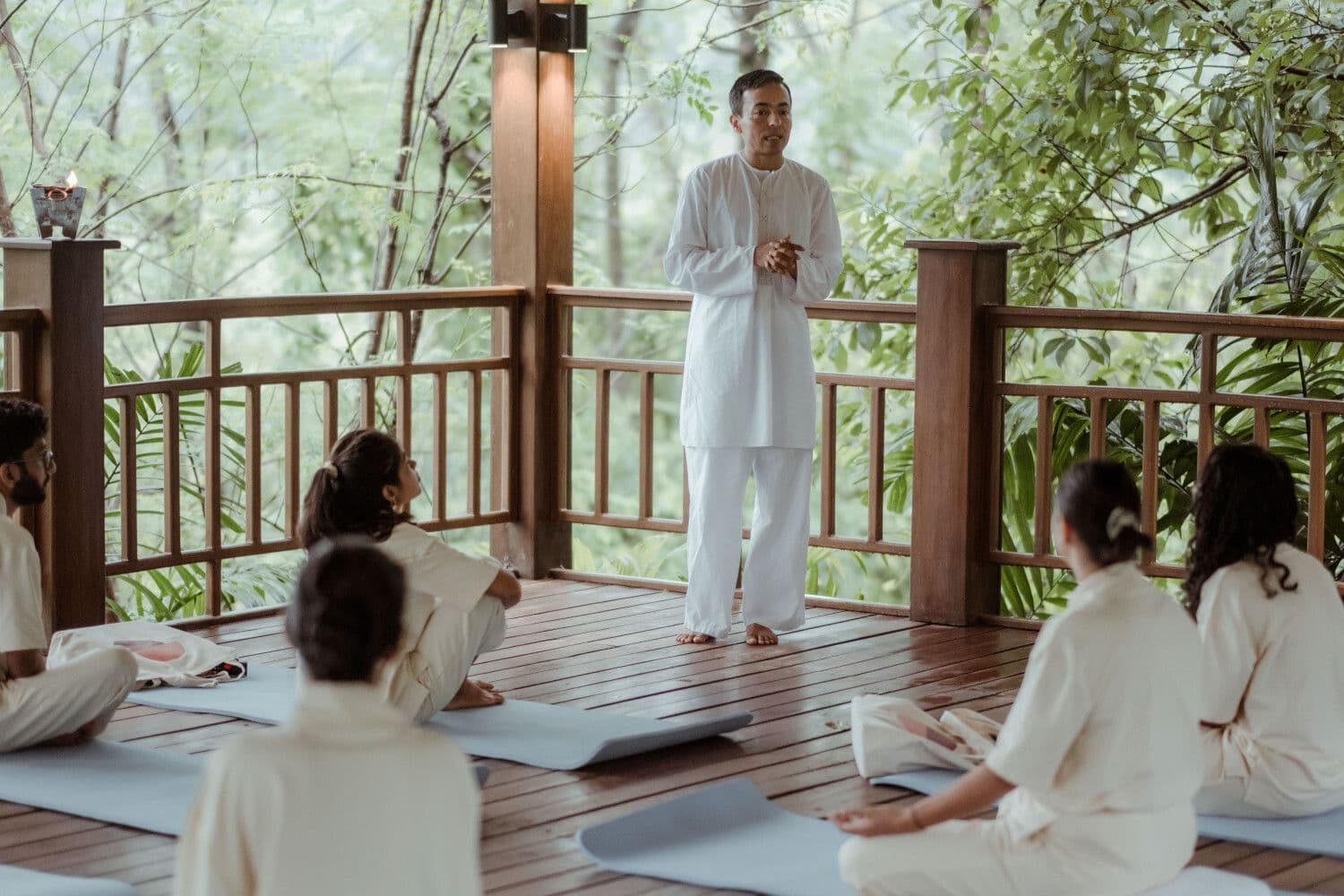
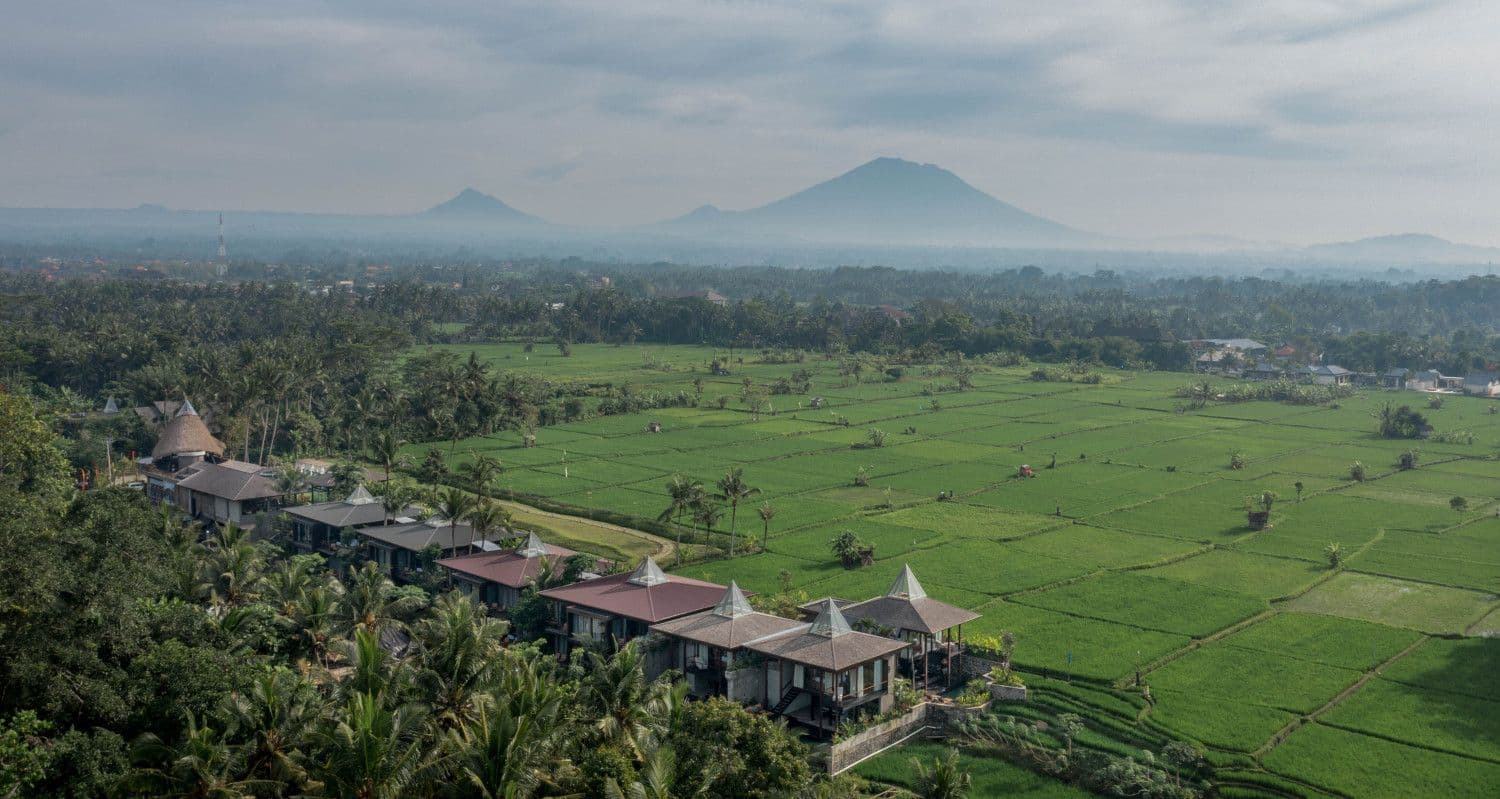
Yoga and Emotional Healing Retreats
Best for: Individuals navigating post-traumatic healing, heartbreak, or burnout who need a gentle, nurturing space.
Program: A mix of daily yoga, meditation, nutrient-dense plant food, and holistic therapies in a lush tropical setting.
Mechanism: Somatic movement and restorative breath practices release accumulated muscular holding patterns while a digital detox calms sensory fatigue.
Trade-off: High popularity in major wellness corridors means surrounding areas can feel commercialized.
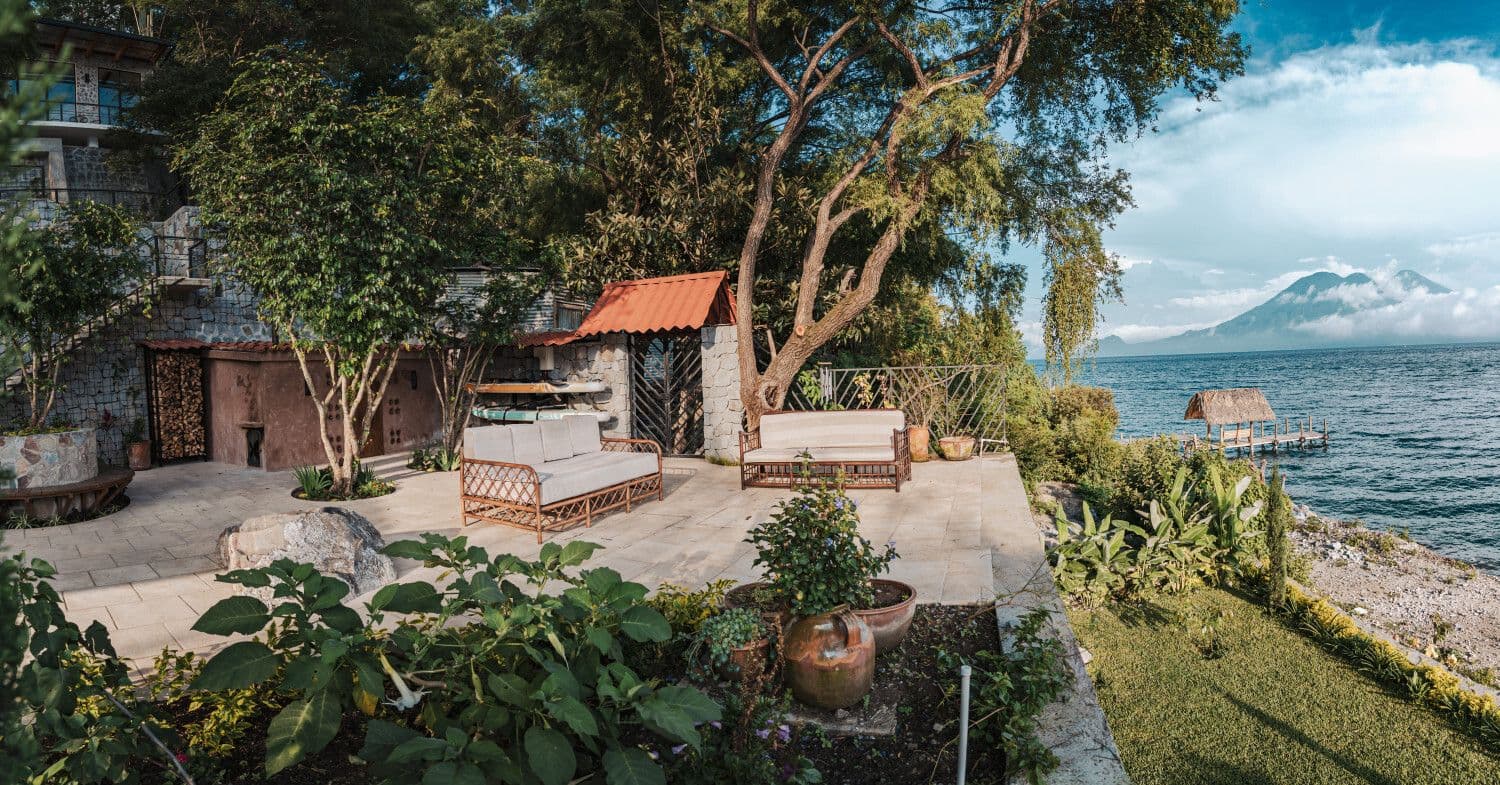
Nature-Based Somatic Retreats
Best for: Creative souls drawn to a grounding presence in nature, combining energy work, meditation, and dreamwork.
Program: Immersive workshops on lucid dreaming, mindfulness, and somatic practices framed by Lake Atitlán's volcanic backdrop.
Mechanism: Immersion in living landscapes pairs with somatic release and local ancestral rituals to restore a deep, grounded connection to the earth.
Trade-off: Lake access and village pathways require continuous walking, and local facilitators vary in approach.
This guide includes affiliate links. If you buy through them, Holisteek may earn a small commission at no extra cost to you.
Comparing Modalities for spiritual retreats for healing and renewal
The silent intensity of a Zen sesshin, an intensive retreat of seated meditation called zazen alternating with walking, chanting, and chores, differs sharply from an Ubud retreat. A Vipassana course demands rigorous discipline through silent observation, while nature-based programs around Lake Atitlán focus on energetic fluidity.
The Camino de Santiago offers a long pilgrimage for physical and spiritual renewal, and an Ayurvedic residency in Fairfield provides a structured detox. Choosing the right modality is less about the setting and more about the inner work it supports.
Prices range from donation-based to $4,000+ per week. Use the scale: $ = under $500, $$ = $500-$1,500, $$$ = $1,500-$3,000, $$$$ = $3,000+.
| Venue | Zone | Price Range | Best for |
|---|---|---|---|
| Vipassana | Global centers | $ | Deep introspection through silence |
| Ubud, Bali | Emotional healing | $$-$$$ | Post-traumatic recovery, sensory reconnection |
| San Marcos, Guatemala | Nature immersion | $$ | Reiki, meditation, dreamwork |
| Camino de Santiago | Pilgrimage | $$$ | Physical endurance and spiritual reflection |
| Fairfield, Iowa | Ayurvedic detox | $$$ | Panchakarma, constitution-based healing |
These price estimates are approximate; always check the retreat's website for current fees.
You Need a Complete Mental Disconnect
Constant connectivity creates chronic mental fatigue. When screen time and back-to-back commitments fill every waking hour, attention fragments and creative clarity disappears entirely.
A digital detox retreat removes mobile devices, computers, and external notifications. Replacing screen stimulation with silent nature walks and unstructured time gives cognitive faculties space to recover.
You Are Seeking Pilgrimage and Movement
Sitting still in meditation does not work for every restless body. Long-distance walking routes convert physical exertion into a steady, rhythmic form of moving contemplation.
Pilgrimage walks like the Camino de Santiago combine daily physical endurance with open communal paths. Daily miles untangle mental loops through simple repetitive steps and changing horizons.
You Need Earth-Centered Restoration
Modern indoor routines disconnect our sensory systems from natural terrain, weather shifts, and natural light cycles. That distance can leave you feeling disoriented and spiritually unmoored.
Wilderness and forest-immersion retreats center healing on direct contact with living ecosystems. Facilitated nature connection, open-sky sleeping, and earth-centered rituals anchor attention back into physical geography.
You Are Burnt Out From Work
Chronic overwork drains your central nervous system until ordinary choices feel paralyzing. Demanding silence or rigid schedules can worsen that depleted state by removing rest before your body recovers.
A restorative setting like a Bali yoga retreat offers warm movement, nourishing meals, and open schedules. This gentle pacing helps restore baseline energy without enforcing harsh physical or mental discipline.
You Are Coming Out of a Breakup
The sudden loss of a partnership brings disorientation and grief that total isolation often intensifies. Sitting alone in unbroken silence can leave your thoughts circling without resolution.
A guided spiritual retreat provides structured facilitator support, somatic practices, and mindful sharing circles. This creates a stable container to process raw emotional shifts alongside trained guides.
You Are Grieving Someone
Deep bereavement requires a space where sorrow does not have to be performed, explained, or solved. Trying to maintain bright social interactions often feels exhausting during profound loss.
A monastery stay provides quiet communal living anchored by ancient daily rhythms, simple meals, and gentle contemplative silence. The steady schedule holds you without demanding active emotional conversation.
You Cannot Switch Off at Night
Constant screen exposure and mental chatter keep your nervous system locked in continuous vigilance. When your brain refuses to settle, additional input only delays restorative sleep.
A short silent retreat removes notifications, conversational demands, and social expectations. Stripping away digital noise gives your system the quiet necessary to re-establish natural rest patterns.
Your Body Is the Thing That Is Done
Physical exhaustion often shows up as persistent fatigue, poor digestion, and chronic muscle tightness. Mental reframing alone cannot fix tissues and organs that are genuinely run down.
An Ayurvedic Panchakarma retreat focuses on deep physiological purification using targeted herbal oils, constitution-specific nutrition, and daily therapeutic bodywork to restore physical equilibrium.
You Already Practise and Nothing Moves
When daily meditation plateaus, familiar routines can turn into a comfortable holding pattern rather than active inquiry. Gentle retreats rarely generate the friction needed to break through old mental habits.
A ten-day Vipassana course provides the rigorous, silent observation required for sustained introspection. Watching body sensations for hours each day directly dismantles subtle layers of mental reactivity.
Preparing for Your Journey: A 4-Step Guide
What you do before a retreat shapes what unfolds during it. A handful of deliberate steps can turn a good experience into a deeply grounded one.
Set a clear intention.
Ask yourself what you genuinely need: rest, emotional clarity, or a shift in perspective. Write it down without overthinking, and revisit it during the journey.
Research the lineage and tradition.
A silent Vipassana retreat follows a strict Buddhist framework. A nature-based program in Ubud might draw from Balinese animism. Knowing the worldview you are stepping into prevents confusion and fosters respect.
Wean off screens gradually.
Start your digital detox three days early. Delete social media apps for the weekend. This softens the nervous system’s initial shock and allows you to settle faster.
Plan the integration period.
Protect the days after. Block two or three days when you get back with nothing urgent in them. This is the step almost everyone skips, and it is the one that decides whether anything you found stays with you. Schedule gentle activities like journaling. The insights need quiet space to root themselves in your daily life.
"The real work begins when the silence ends," a Zen teacher's reminder echoed across many centers.
Frequently Asked Questions
Whether you need silence, movement, or nature, the right retreat exists. Healing is personal, and the right space makes all the difference. The retreats listed here each offer a distinct journey. What matters most is finding the one that aligns with where you are right now. Take your time, listen to your instincts, and trust that the right place will reveal itself. Choosing the right environment is the first step toward true renewal.
First retreat: go somewhere that holds you
A Bali yoga retreat gives you warm movement, nourishing meals and open afternoons, so your first time away feels like rest rather than a test.
See Bali yoga retreats on BookRetreats
Going alone: women-only changes the room
Arriving solo feels different when every seat at the table is held by a woman.
See women-only retreats on BookRetreats
Ready for depth: ten days of silence
If you already practice and nothing moves, a ten-day Vipassana course gives you the friction gentle retreats cannot: hours of silent observation that loosen old mental habits.
This guide includes affiliate links. If you buy through them, Holisteek may earn a small commission at no extra cost to you.
Get More Wellness Inspiration
Join our community of seekers. Bi-weekly dispatches on holistic science, sustainable living, and hidden wellness gems.

Romina Ricca
Yoga and Meditation Teacher Certified in Dynamic Yoga, Therapeutic Yoga, and Surya Vinyasa, with deep expertise in Meditation and Mindfulness practices. Founder and Director of Ser Presente. I help individuals integrate mindfulness and breathwork into their daily routines, focusing on reducing stress, enhancing focus, and alleviating anxiety.
Related Articles
The Ultimate Guide to Yoga Retreats in 2026

Best Retreats in Sedona for Healing, Spirituality and Relaxation

Best Wellness Retreats for Women: Yes, There's a Difference
Best Yoga Retreats Around the World
How to Choose the Best Meditation Retreat in the US (2026 Guide)

How to Choose the Best Wellness Retreat in the US (2026 Guide)

How to Choose the Right Couples Retreat in the US (2026 Guide)

How to Choose the Right Women’s Wellness Retreat in the USA (2026 Guide)
What to Expect from a Vipassana Meditation Retreat
