Sauna Benefits: 3 Common Formats, Research Insights, and a Safety Checklist for Beginners

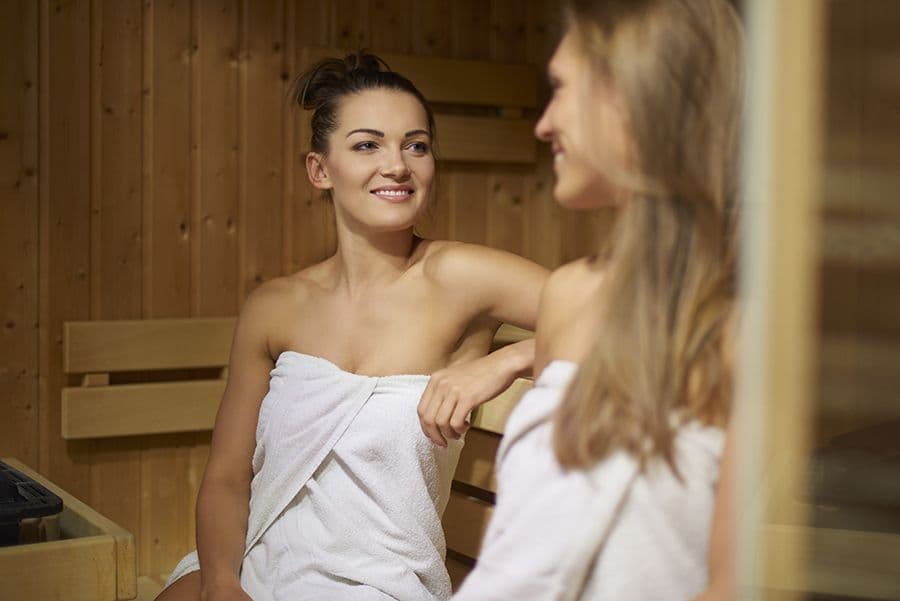
Finland has one sauna for roughly every two people, and in 1984 researchers started following 2,315 middle-aged Finnish men to see what difference it made. They followed them for twenty years.
Let's explore how to transform a simple sweat session into a powerful, science-backed daily ritual.
In a hurry? Skip to what to take in and the three home saunas
Understanding the Three Main Sauna Formats
Traditional Finnish sauna relies on dry air heated between 150°F and 195°F. Humidity stays low, typically below 20 percent. The ritual of löyly, pouring water onto hot stones, creates a brief burst of steam and intense sensation.
Infrared saunas operate differently. They use infrared lamps to warm the body directly without heating the surrounding air as aggressively. Temperatures are gentler, from 110°F to 149°F. This format appeals to those who find the extreme heat of a traditional sauna challenging.
Steam rooms deliver a distinct experience entirely. Rather than dry heat, they surround you with moist air at one hundred percent humidity. Temperatures in a steam room are usually lower, around 110°F to 120°F, but the humidity makes it feel more intense.
The warmth feels enveloping and can help hydrate the respiratory tract.
Each format represents a form of passive heat therapy. The Finnish findings come from traditional dry saunas, not infrared. Infrared is pleasant, accessible, and much easier to live with, and it has not been through the same twenty-year cohort.
If you are buying specifically because of the numbers at the top of this page, that is worth knowing. Choosing a traditional dry sauna aligns directly with that documented data, while infrared remains a comfortable, practical alternative.
Four Things to Take Into the Sauna
The routines people share most come down to the same short list: something on your head, natural cotton against your skin, and cold on hand for the areas that need it. These four cover all of it.
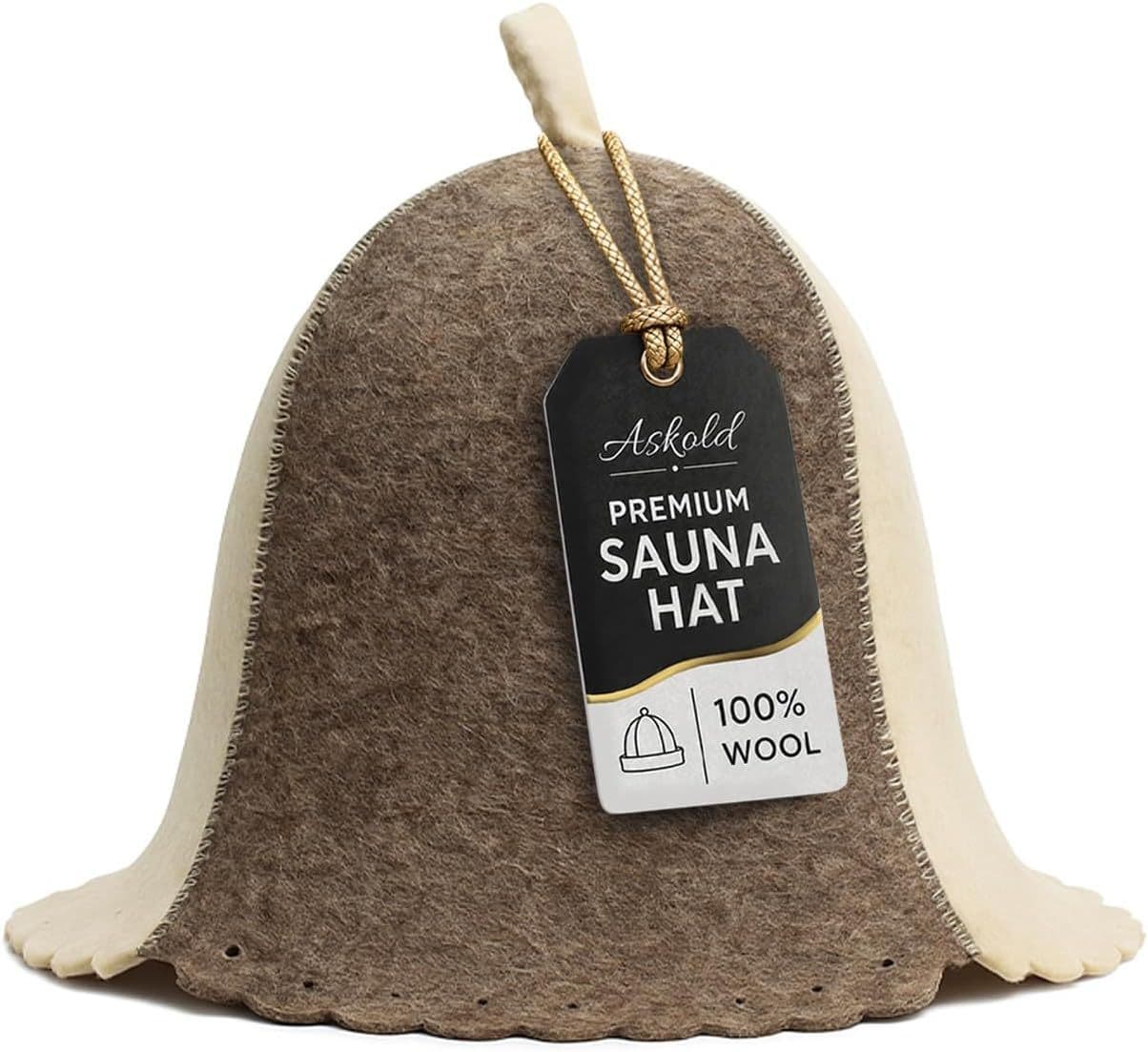
1. For your head: ASKOLD Wool Felt Sauna Hat
Heat collects near the ceiling, and your head takes the most of it. Felted wool insulates, so your scalp and hair stay cooler while the rest of you warms through. It is a long-standing sauna habit, and the first thing regulars pack.
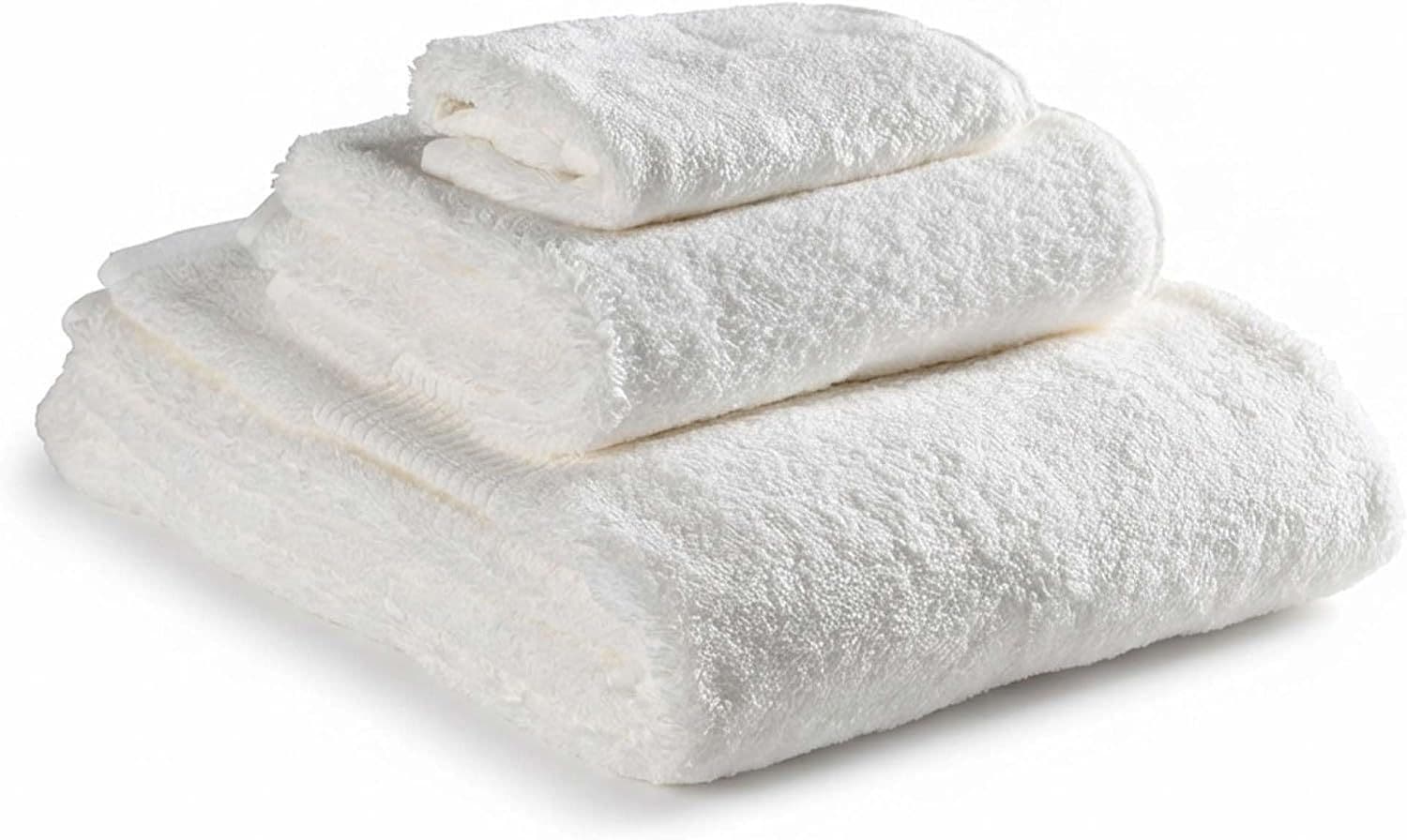
2. To sit on and dry off: Delilah Home Organic Turkish Cotton Towels
Natural cotton breathes in the heat where synthetic fabric clings. Lay one on the bench, keep one for afterwards, and wrap one around your ice pack. Organic Turkish cotton is absorbent and quick to dry between rounds.
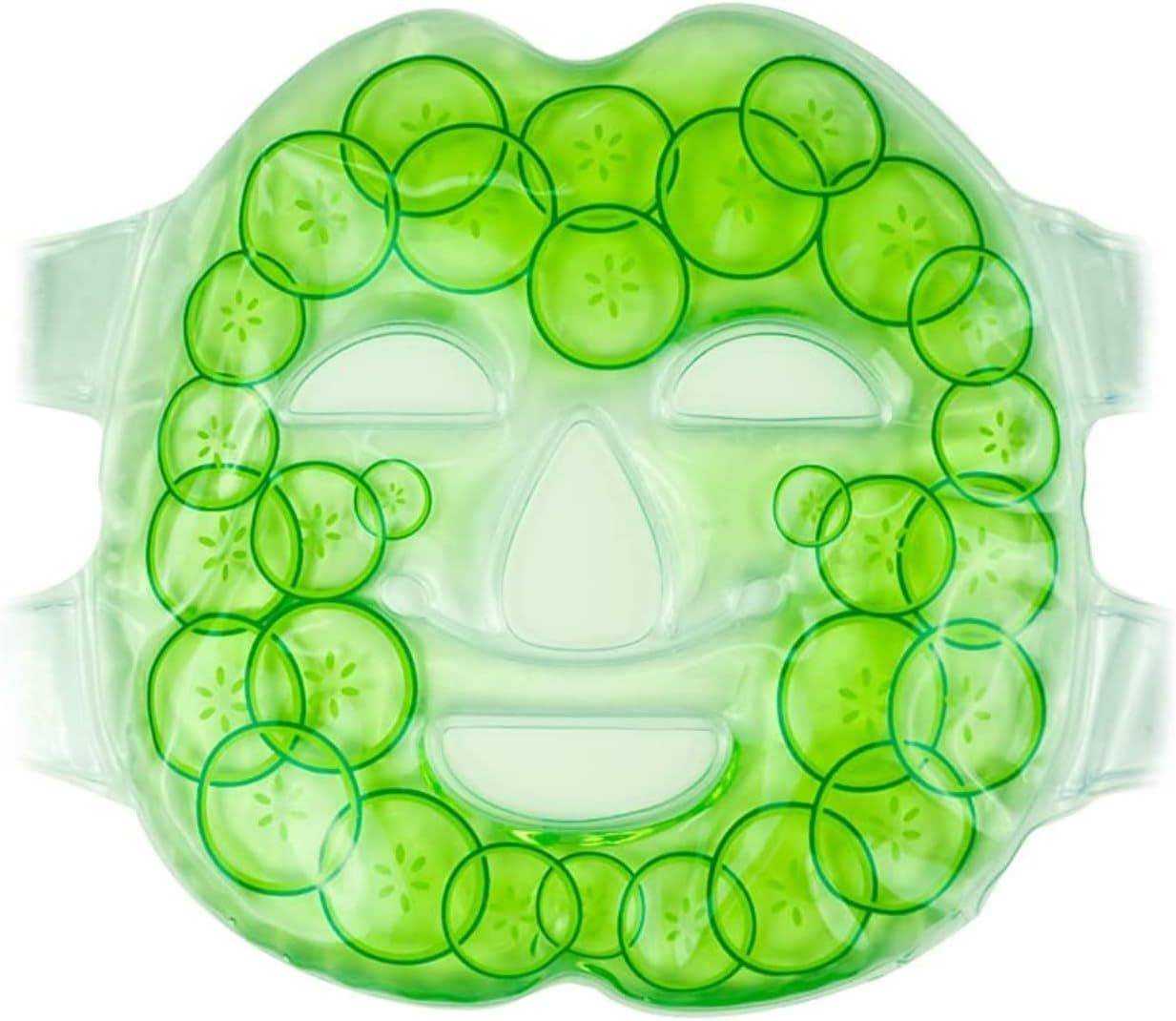
3. For your face between rounds: WORLD-BIO Reusable Gel Ice Face Mask
Keep it in the freezer and press it on during the cool-down. A cold face after the heat feels like a reset, and the soft gel shape settles around your eyes and cheekbones.
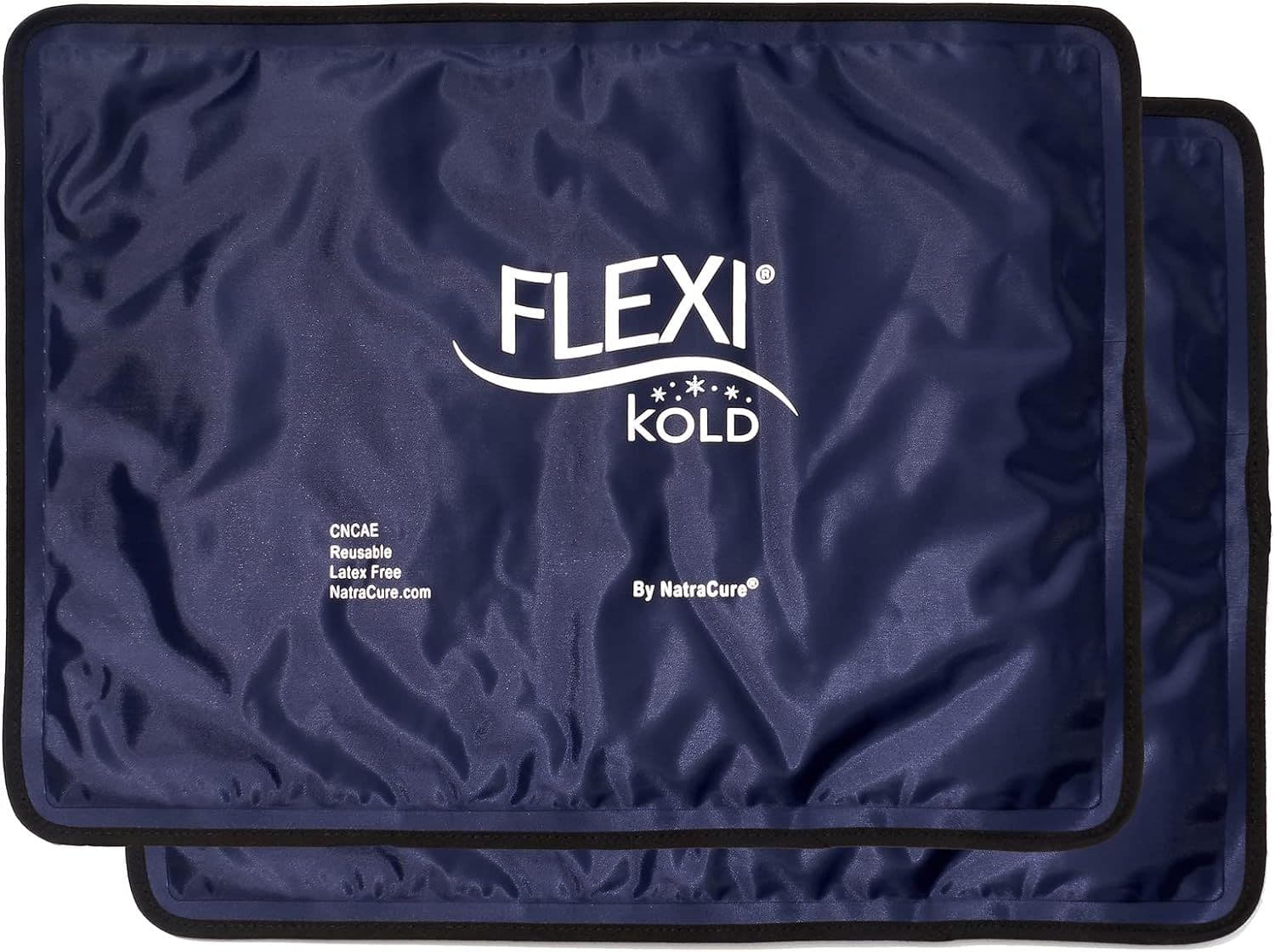
4. For targeted cooling: FlexiKold Gel Ice Packs
This is the ice pack from the protocol described below: wrapped in a towel, on the groin or over the head, during long hot sessions. FlexiKold makes reusable gel packs for physical therapy, flexible enough to sit where you place them.
Three Saunas for Home
One of these is the traditional dry format the Finnish cohort studied. The other two are infrared: gentler heat, simpler to install, and easier to fit into an ordinary home.
1. For small spaces: HigherDOSE Infrared Sauna Blanket
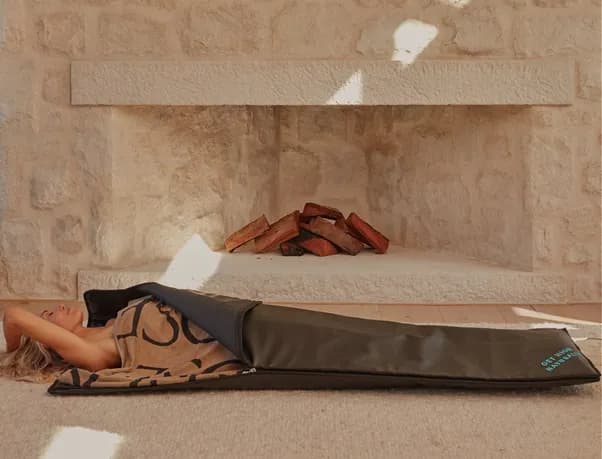
A sauna you lie down in and fold away afterwards. It fits an apartment or a shared home where a cabin never will, and it makes a daily session realistic on a busy weekday.

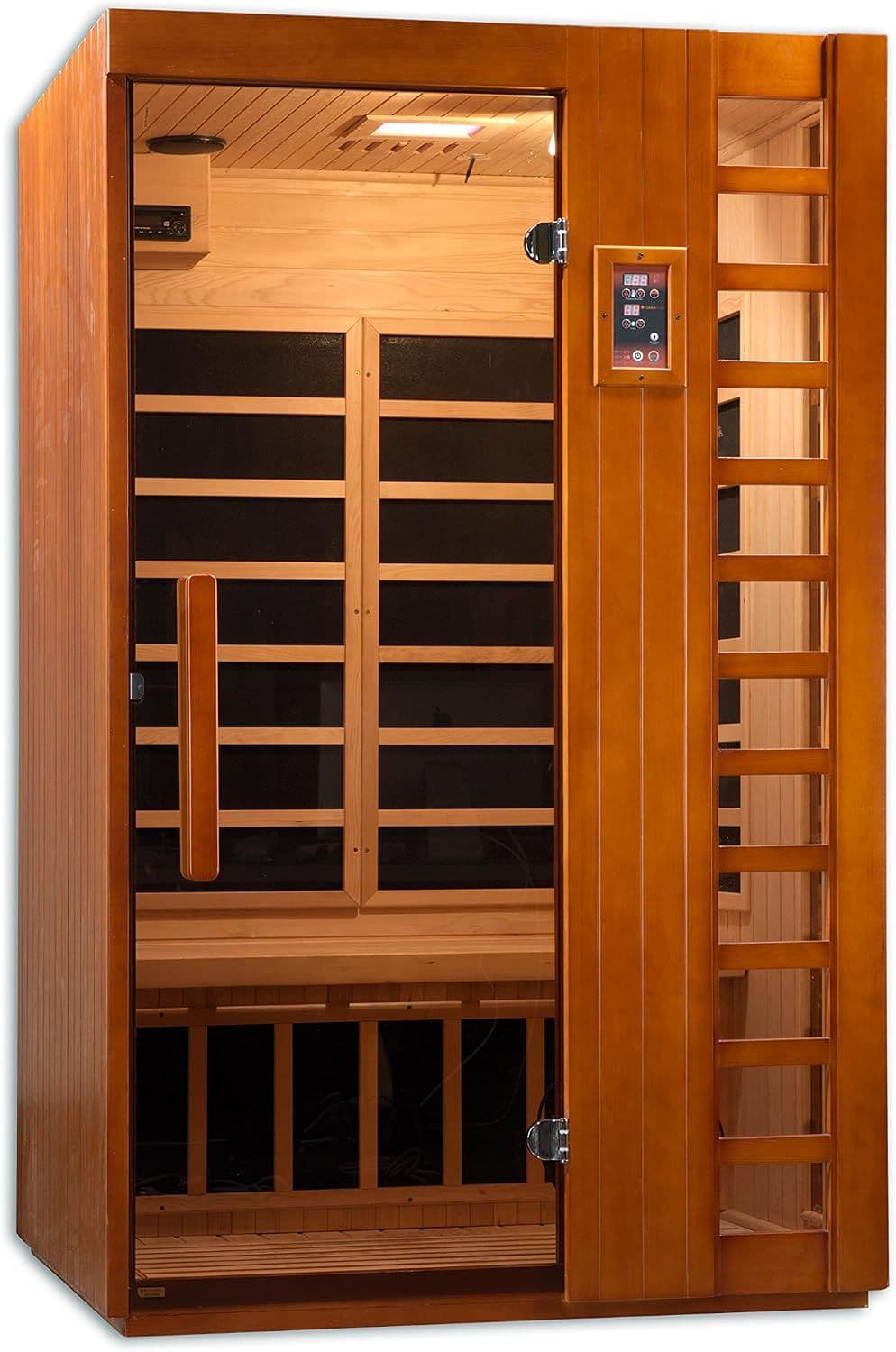
2. For two people: Golden Designs Forli 2-Person Far Infrared
A wooden cabin for indoor use that seats two, so a session can be shared. Far infrared warms you at gentler temperatures, which many beginners find easier to stay in from start to finish.
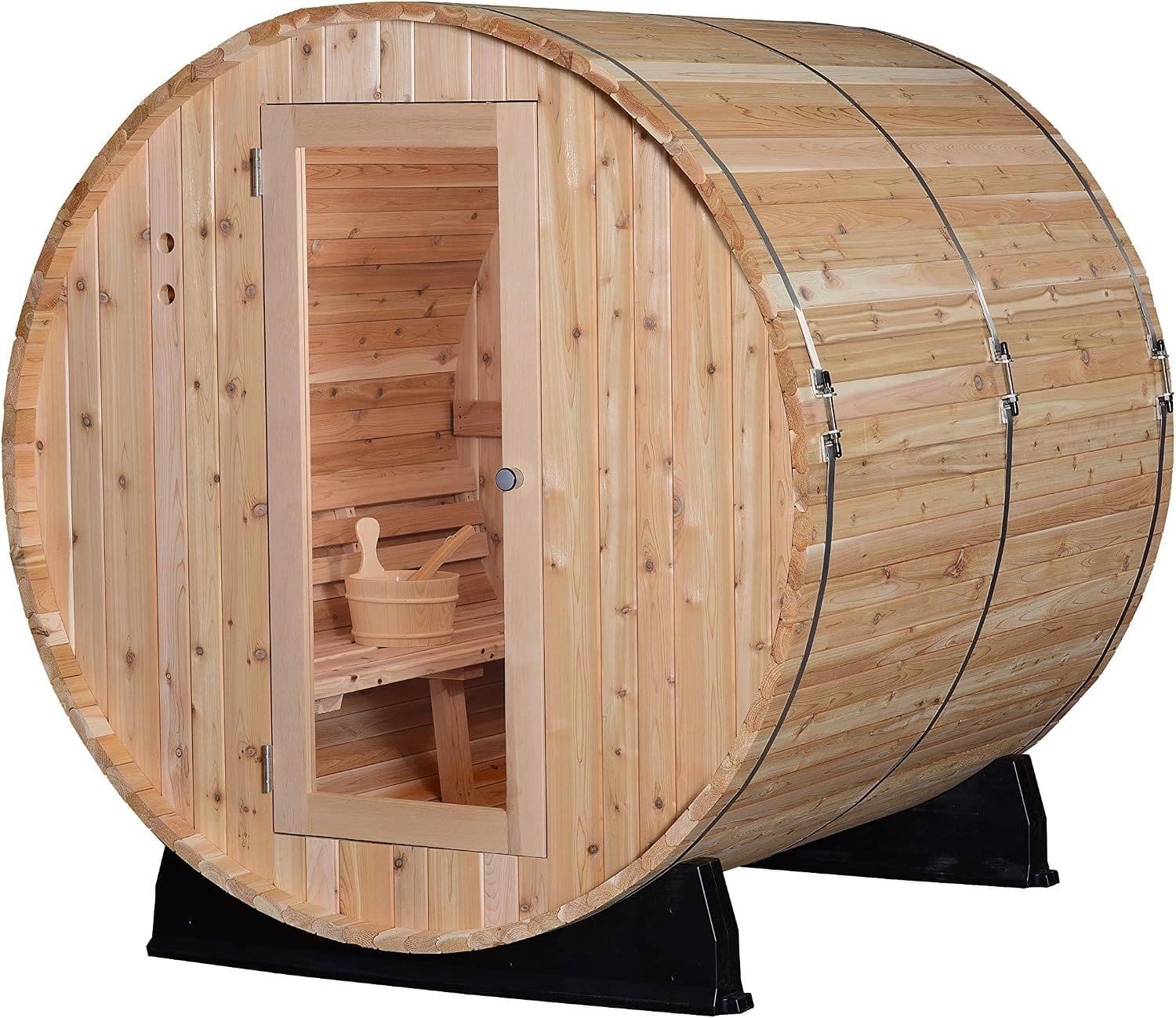
3. The format the studies used: Almost Heaven Saunas
Almost Heaven builds traditional Finnish-style saunas: wood, hot stones and dry heat you can splash for löyly. This is the format behind the twenty-year Finnish findings below, the one to choose if you are building a sauna around that research.
This guide includes affiliate links. If you buy through them, Holisteek may earn a small commission at no extra cost to you.
What Happens During a Session: A Three-Step Process
Warm Up Gradually.
Enter and let your body acclimate to the heat. Sitting on a lower bench first is wise, as temperatures are milder farther from the ceiling. This gradual approach allows your body to adapt to thermal stress without shocking the system.
Cool Down and Rest.
After 5-20 minutes, exit to allow your body temperature to normalize. A cool shower or quiet rest in fresh air helps your circulation reset and prepares you for another round if desired. Many traditional sauna cultures alternate heat with cool plunges, but even a simple pause outdoors works well.
Rehydrate.
You lose salt as well as fluid. Water alone after heavy sweating can leave you feeling worse, so add electrolytes, or eat something salty with it.
Avoid alcohol before or during sessions, as it can increase dehydration risk and mask your body's signals.
Modern Longevity Protocols and Heat Exposure
Modern longevity protocols have renewed widespread interest in heat exposure, shifting attention toward precise daily routines. Longevity investor Bryan Johnson posted his exact regimen to his own account: "Dry sauna: 200F / 93C. 20 min daily, 7 days a week. With an ice pack on the groin to protect testicular/sperm health."
Published information detailing his broader heat routine notes that he places an ice pack wrapped in a towel over his head to protect his hair follicles from high temperatures. He also chooses natural cotton garments rather than synthetic fabrics during sessions.
Behind the localized ice pack is standard textbook physiology. The testicles reside outside the body cavity because sperm production requires an environment a few degrees cooler than core body temperature. Sustained, elevated heat exposure causes a temporary, reversible reduction in sperm production.
For individuals sustaining daily twenty-minute sessions at 200 degrees Fahrenheit, or anyone actively trying to conceive, actively cooling that area is a rational physiological precaution.
Observational Research and Reported Experiences
Much of what we understand comes from large-scale observational research. A landmark 2015 study by Laukkanen, Laukkanen, Khan, and Zaccardi in JAMA Internal Medicine examined frequent sauna use compared to once-weekly sessions.
These large numbers are not proof. This is one cohort, all of them men, all of them Finnish, and it is observational. Nobody randomly assigned participants to a sauna for twenty years, and someone attending seven times weekly may simply be healthier or more sociable from the start.
Key cardiovascular outcomes from four to seven weekly sessions:

63% lower risk
of sudden cardiac death
48% lower risk
of fatal coronary heart disease
50% lower risk
of fatal cardiovascular disease
40% lower risk
of all-cause mortality
Source: Laukkanen et al., JAMA Internal Medicine, 2015. 2,315 Finnish men aged 42 to 60, followed for a median of almost 21 years.
They simply highlight a strong correlation that continues to draw scientific interest.
Researchers are also looking closely at neurocognition. A 2016 study by Laukkanen T, Kunutsor, Kauhanen, and Laukkanen JA in Age and Ageing followed the same cohort of 2,315 Finnish men. Men using the sauna four to seven times a week had a 66 percent lower risk of dementia and a 65 percent lower risk of Alzheimer's disease than men who went once a week.
Subjective reports often focus on perceived improvements in sleep quality and a sense of mental relaxation, likely connected to a notable drop in cortisol levels. A clear understanding is essential: any immediate weight lost is only water weight from sweat. It will return upon rehydration.
Starting Safely: Three Titled Takeaways
Start with Short Sessions. Your first few sauna visits should be brief-5 to 10 minutes. Pay attention to how your body responds. Dizziness, nausea, or excessive sweating are clear signals to exit. There is no benefit to pushing through discomfort.
Hydration Is Essential. Simply drinking plain water falls short after heavy sweating. You lose sodium alongside fluids, and drinking water alone can make you feel worse. Add electrolytes or pair water with salt before and after sessions.
Hard safety rules: no alcohol before or during a sauna, and never sauna alone if you feel unwell. Listening to your body and seeking professional advice ensures your sauna experience remains restorative, not risky.
No research paper can replace the wisdom of paying close attention to how you feel in the heat. Your body will tell you when to stay and when to step out.
That internal dialogue is what transforms sauna use from a routine into a lasting wellness ritual.
Cultivate that awareness over time and let it guide your frequency, duration, and even the format you choose. For a home setup, remember that Finnish research specifically studied traditional dry saunas, not infrared units, though infrared remains simpler to install.
Making Sauna Part of Your Wellness Routine
Sauna use may support cardiovascular health, cognitive function, and mental relaxation when approached with proper hydration and gradual progression. The key is consistency, listening to your body, and choosing the format that feels right for you.
Whether you prefer the intense dry heat of a traditional sauna, the gentler warmth of infrared, or the enveloping humidity of a steam room, regular sessions can become a cornerstone of your wellness practice.
Discover wellness centers and saunas near you on Holisteek to begin your journey today.
Key Takeaways
2,315 Finnish men, twenty years: The seminal research followed this single group over two decades to track long-term health outcomes.
Observational, one cohort, all men: Current cardiovascular data reflects specific demographics, meaning findings show strong correlation rather than proven causation across all populations.
Traditional dry heat is the format that was studied: Documented longevity benefits specifically examine traditional Finnish saunas rather than newer alternatives.
Wool hat first, cotton always: Protect your head from intense overhead heat and choose breathable natural fabrics during each session.
Five to ten minutes to begin, salt with your water, never with alcohol: Start with brief exposures, replenish essential electrolytes alongside fluids, and strictly avoid alcohol.
Saunas and spas near you
Try a traditional sauna or a steam room before you build one at home. The Holisteek guide gathers wellness centers and spas in one place.
Places on the map
Search the Holisteek Places directory by location and find somewhere to sweat close to home.
Frequently asked questions
Get More Wellness Inspiration
Join our community of seekers. Bi-weekly dispatches on holistic science, sustainable living, and hidden wellness gems.

Sol Chocano
is a yoga and somatic movement teacher, wellness entrepreneur, and founder of Holisteek. Born and raised in Peru, she helps people cultivate wellbeing, balance, and connection.
Related Articles
Top Wellness Centers in Los Angeles for Holistic Healing

How Did David Beckham’s Wellness Brand Reach $100 Million in Just 11 Months?

Inside Tulah's Sonorium: The Sound Healing Dome Designed to Reset Your Nervous System

Is Kim Kardashian Becoming the New Wellness Kardashian?

What Happens When Longevity Finally Starts Studying Women?

10 wellness spots we discovered in Lisbon

How to Plan a Wellness Retreat Abroad (And Why It's Harder Than You Think)

Precision Wellness: A Smarter Daily Routine
The Best At-Home Wellness Recovery Tools (That Actually Work)