Published:
How to Choose the Best Meditation Retreat in the US (2026 Guide)
Table of Contents
Interest in meditation retreats continues to grow across the US. Some people search because they feel burned out and need structured time away. Others want to deepen an existing practice or explore a specific tradition. The intention behind the search matters.
There is no single “best” retreat. The right choice depends on your experience level, comfort with silence, preferred tradition, and how long you’re prepared to step away from daily life. A weekend mindfulness format is very different from a 7–10 day silent immersion.
This guide breaks down the main types of meditation retreats in the US, what to expect from each format, and how to evaluate programs before booking. The goal is clarity — so you choose a retreat that matches your readiness and objectives.
Explore meditation retreats across the USA on Holisteek.
What Is a Meditation Retreat?
A meditation retreat is a structured residential program designed to support sustained practice. Unlike a drop-in class, a retreat creates immersion — removing daily distractions so attention can stabilize.
Most meditation retreats share four core elements.
Established meditation retreat centers structure these elements intentionally to create continuity and containment.
Structured Daily Schedule
A typical schedule includes:


- Multiple sitting meditation periods
- Walking meditation
- Dharma talks or instructional sessions
- Designated meal times
- Evening reflection or Q&A
The structure is intentional. Repetition and rhythm help train attention and reduce external stimulation.
Residential Immersion
Participants stay onsite at a meditation retreat center or designated property. This residential format removes commuting and daily obligations.
Immersion allows:
- Consistent practice blocks
- Reduced digital exposure
- Stable sleep and meal routines
- Clear boundaries around external contact
Environment matters. Retreat centers are typically designed for quiet and simplicity rather than luxury.
Silence (When Applicable)
Many retreats incorporate partial or full silence. In a silent format, participants refrain from speaking, using phones, or engaging socially.
Silence supports:
- Reduced cognitive stimulation
- Heightened self-awareness
- Deeper concentration
It also increases psychological intensity. Silence can surface emotions and thought patterns that are usually buffered by conversation and activity.
Not all meditation retreats require silence. Some formats include guided discussion and group sharing.
Teacher-Guided vs Self-Directed Formats
Most US retreats are teacher-led. Instruction may include:
- Technique explanation
- Posture guidance
- Structured practice instructions
- One-on-one interviews
Some centers offer more self-directed formats for experienced practitioners. These require prior familiarity with the method.
When reviewing meditation retreats in the USA, clarify whether the program is instructional, traditional, or silent with minimal guidance.
Example retreat:
Center for Integrative Wellness in Pacifica, California, offers practitioner-led meditation and sound healing programs in small-group formats. The structure emphasizes guided facilitation rather than extended self-directed silence, making it suitable for participants who prefer instructional support.
A meditation retreat is structured practice time. The schedule, level of silence, and teacher guidance determine how intensive the experience will be.
Understanding these elements makes it easier to evaluate the type of retreat that aligns with your readiness.
Types of Meditation Retreats in the US
Meditation retreats in the US vary by tradition, structure, and intensity. The most important difference is not location — it’s format. A weekend program with guided instruction is fundamentally different from a silent, discipline-based retreat.
Below are the main categories you’ll see when comparing meditation retreats in the US.
Silent Meditation Retreats
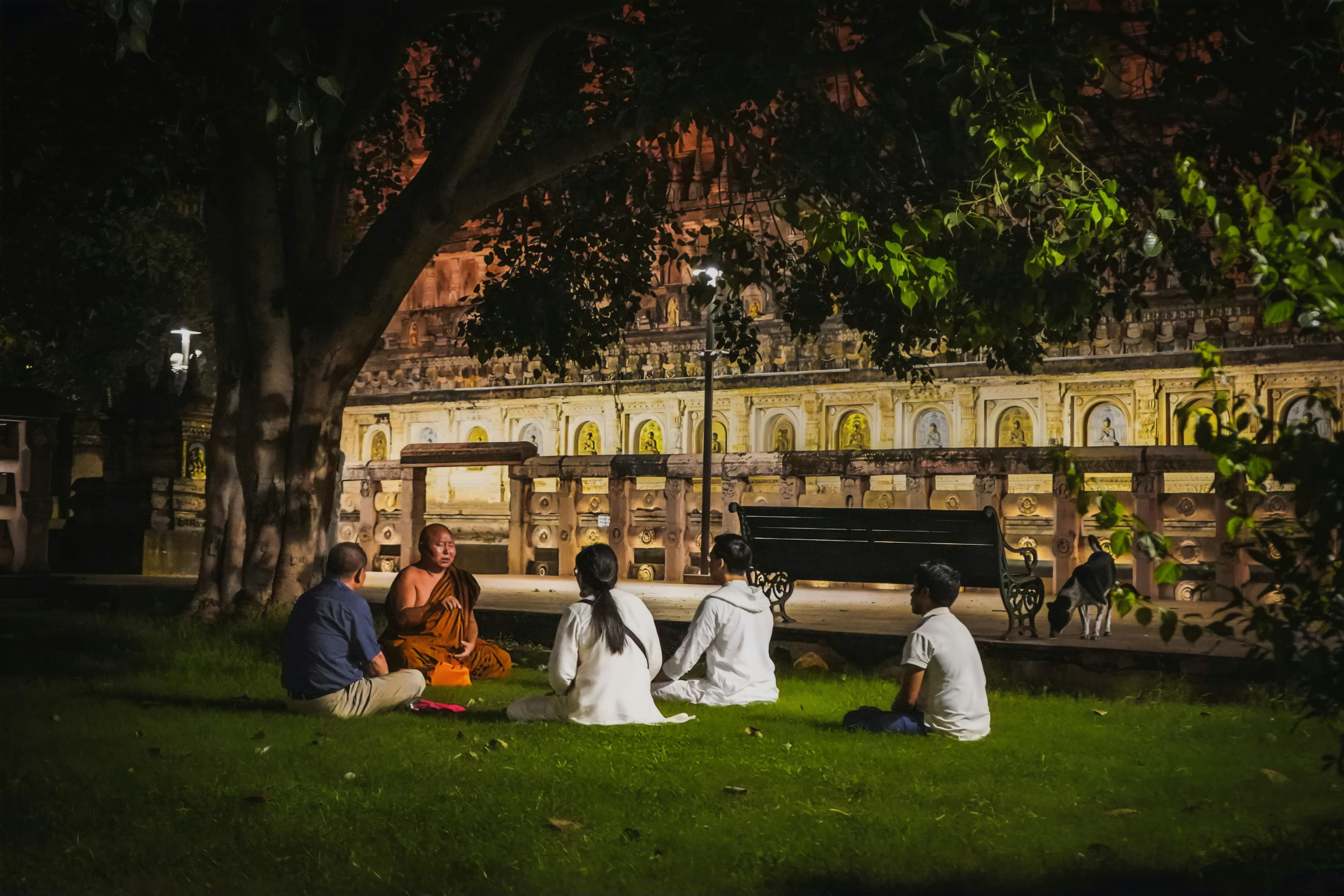
A silent meditation retreat emphasizes minimal external input. Many centers follow “noble silence,” meaning no speaking, no eye contact, and no social interaction during the retreat period.
What to expect:
- Long practice blocks (sitting + walking meditation)
- Limited stimulation (no music, no media, no casual conversation)
- Simple meals and basic routines
- Quiet environments designed for deep focus
Silence can be highly effective for concentration, but it also increases psychological intensity. Without conversation and distraction, thoughts and emotions become louder. That is the point — and also the challenge.
Best suited for:
- Practitioners who already meditate regularly
- People comfortable with solitude and internal focus
- Those seeking deeper concentration or insight work
If you’re new to meditation, a fully silent format can feel overwhelming. It’s not “too advanced,” but it demands emotional regulation and patience.
Vipassana and Buddhist Meditation Retreats
A vipassana retreat (and many forms of Buddhist meditation retreat) is typically discipline-based and tradition-led. These programs focus on insight meditation — observing experience clearly, with consistent method and structure.
Common features:
- Clear ethical and behavioral guidelines
- Early wake-up times and long days of practice
- Formal instruction rooted in lineage
- 7–10 day structures are common (sometimes longer)
Many retreats in this category are Dhamma-centered or explicitly Buddhist in orientation, even when presented in a secular tone. The difference is not branding — it’s framework. You’re practicing within a defined system.
Best suited for:
- Practitioners who want a traditional container
- People ready for intensity and repetition
- Those seeking deep practice rather than relaxation
Before booking, verify the tradition and teaching style. “Vipassana” is used broadly in the US; actual formats vary.
Mindfulness and Guided Meditation Retreats
A mindfulness retreat or guided meditation retreat is typically more accessible and instruction-forward. These retreats are often shorter and include more teacher guidance, making them easier for beginners or people returning to practice.
What to expect:
- Guided sits with technique coaching
- Shorter practice periods
- Optional group sharing or Q&A
- Workshops on stress, attention, or emotional regulation
These formats work well if you’re building consistency, learning fundamentals, or using meditation for stress recovery. They still require commitment, but the container is more supportive and less intense than strict silent retreats.
Best suited for:
- Beginners or intermittent meditators
- People seeking tools for daily life
- Travelers looking for structure without strict silence
Example retreats:
L’Auberge de Sedona in Sedona, Arizona, offers guided meditation and holistic wellness experiences within a resort setting. Programming combines structured mindfulness sessions with spa and nature-based elements, appealing to participants who want meditation practice within a comfort-oriented environment.
Spiritflow Sedona offers private and small-group meditation retreats that integrate breathwork, sound therapy, and guided mindfulness practices. The format is immersive but structured, supporting participants who want depth without a fully silent container.
Weekend Meditation Retreats
A weekend meditation retreat is usually a 2–3 day immersion designed to be accessible. Many programs run Friday to Sunday and focus on foundational practice, reset, and gentle structure.
What to expect:
- Several practice sessions per day
- Introductory instruction
- Shorter silent periods (sometimes partial silence)
- Low barrier to entry
These are strong options if you want a real retreat experience without committing to a full week. They also work well as a first step before longer silent formats.
Best suited for:
- First-time retreat participants
- People with limited time off
- Those testing a tradition before committing longer
7-Day and Extended Meditation Retreats
A 7-day meditation retreat (or longer) creates a deeper training environment. The first few days often involve mental restlessness, emotional activation, and resistance. After that, practice can stabilize — but only if you’re prepared to stay with the process.
What to expect:
- Longer practice days
- Increased silence and reduced stimulation
- Stronger emotional surfacing over time
- Greater dependence on routine and support systems
Longer retreats are not automatically “better,” but they are different. They require psychological readiness, basic physical comfort with sitting, and realistic expectations.
Best suited for:
- Serious practitioners
- People with prior retreat experience
- Those seeking depth over convenience
If you’re choosing duration, err on the side of manageable. Many people benefit more from a well-matched shorter retreat than a longer one they are not ready to complete.
Where Meditation Retreats Are Most Common in the US
Meditation retreats are offered nationwide, but certain regions have stronger infrastructure, longer-standing retreat centers, and more consistent programming. Availability varies by season and teacher schedule.
Below are regions where meditation retreats in the US inventory is typically concentrated.
California
California has one of the highest densities of meditation retreat centers in the country.
Common formats:
- Zen-based retreats
- Vipassana and insight meditation
- Secular mindfulness programs
- Longer silent immersions
Northern California in particular has a strong history of Buddhist and insight meditation communities. Retreat schedules are often consistent year-round.
Arizona
Arizona supports desert-based retreat environments that emphasize silence and simplicity.
Typical characteristics:
- Quiet, remote locations
- Strong Vipassana and mindfulness presence
- Clear separation from urban distraction
Desert settings tend to attract practitioners seeking immersion and focus rather than weekend-style programs.
Colorado
Colorado offers mountain-based retreat centers with a mix of traditional and contemporary formats.
You’ll commonly see:
- Insight meditation retreats
- Nature-integrated silent retreats
- Short-format mindfulness programs
Season matters. Winter programming may be limited in certain mountain regions, while summer and fall schedules are more active.
New York
New York supports shorter-format retreats and weekend programs, particularly accessible from major metropolitan areas.
Typical formats:
- Weekend meditation retreats
- Guided mindfulness retreats
- Urban-accessible retreat centers
These are often practical choices for first-time participants or those unable to travel cross-country.
Example retreat:
Rockaway Retreat House in Queens, New York, hosts small-scale meditation events and weekend-format retreats near the Atlantic coast. Its intimate setting makes it accessible for Northeast participants seeking short immersive practice without cross-country travel.
Regional Availability Note
Meditation retreat schedules depend heavily on teacher availability, seasonal programming, and retreat center capacity. A location may offer multiple 7–10 day retreats one season and fewer the next.
When choosing region, consider:
- Travel time and transportation access
- Climate and seasonal comfort
- Program intensity
- Length of stay
Location affects logistics and environment — but format and tradition should guide your decision first.
How to Choose the Right Meditation Retreat
Choosing among different meditation retreats requires honesty about readiness. The goal is not to select the longest or most traditional format — it’s to select the one you can complete with stability.
Use this checklist before booking.
Experience Level
Assess your current practice realistically.
Ask yourself:
- Do you meditate regularly?
- Can you sit comfortably for 30–45 minutes?
- Have you practiced without guided audio?
Beginners often benefit from a guided meditation retreat or shorter mindfulness format before attempting extended silence.
Comfort With Silence
A silent meditation retreat removes conversation, phone use, and most social interaction. This intensifies awareness.
Consider:
- How do you respond to solitude?
- Have you spent extended time offline?
- Are you prepared for emotional activation without distraction?
Silence is effective — but not casual.
Tradition Preference
Different retreats follow different frameworks.
Examples:
- Secular mindfulness programs
- Insight or Vipassana-based structures
- Explicitly Buddhist meditation retreats
- Mixed-format spiritual retreat meditation programs
Clarify whether you want a secular approach or a lineage-based structure. Teacher philosophy matters.
Duration Tolerance
Retreat length changes the psychological experience.
- Weekend formats are accessible and structured.
- A 7-day meditation retreat introduces deeper cycles of restlessness and stabilization.
- 10-day programs require sustained focus and emotional regulation.
Choose duration based on current capacity — not aspiration.
Psychological Readiness
Meditation retreats reduce external stimulation. That can surface:
- Restlessness
- Anxiety
- Old emotional material
- Fatigue
If you’re currently in acute stress or instability, a shorter or teacher-supported format may be more appropriate than strict silence.
Structured guidance provides containment.
Cost and Inclusions
Compare:
- Tuition vs lodging costs
- Shared vs private rooms
- Meals included
- Transportation
- Cancellation policies
Some meditation retreat center programs operate on donation models. Others have fixed pricing. Transparency matters more than price alone.
Choosing well means matching intensity to readiness. A properly aligned retreat supports growth. A mismatched one creates unnecessary strain.
Browse meditation retreats across the US on Holisteek.
Common Mistakes When Booking a Meditation Retreat
Many people approach meditation retreats with strong motivation but limited preparation. Most difficulties arise not from the practice itself, but from mismatched expectations.
Here are the most common mistakes — and how to avoid them.
Choosing a Duration That’s Too Long
A 7–10 day retreat may sound appealing, especially if you want meaningful change. But extended formats demand sustained concentration, physical endurance, and emotional regulation.
If you:
- Don’t meditate regularly
- Struggle with long sitting periods
- Have never attended a retreat
Start shorter. A weekend or 3–4 day format often provides a more stable introduction than a full-length silent immersion.
Underestimating Silence
A silent meditation retreat is not simply “quiet time.” Silence removes conversation, social buffering, and distraction.
Without these outlets:
- Thoughts become louder
- Emotions intensify
- Restlessness increases
This is part of the training. But it requires preparation. Review the retreat’s silence policy carefully before committing
Ignoring Teacher Lineage and Method
Not all meditation instruction follows the same framework. A vipassana retreat differs from a secular mindfulness program. A Buddhist meditation retreat may include chanting, ethical precepts, or traditional forms.
Before booking, clarify:
- What method is taught
- Whether the approach is secular or religious
- The teacher’s training and background
Alignment with tradition reduces confusion during the retreat.
Not Reviewing the Daily Schedule
Retreat intensity varies widely.
Some programs include:
- 8–10 hours of meditation daily
- Early wake-up times
- Strict discipline
Others incorporate:
- Shorter sits
- Guided sessions
- Discussion periods
Always request or review a sample schedule. Structure determines the experience more than marketing language.
Overlooking Cancellation Policies
Life circumstances change. Especially for meditation retreats USA scheduled months in advance, policies matter.
Verify:
- Refund timelines
- Transfer options
- Minimum participant requirements
Professional retreat centers communicate this clearly.
Preparation increases stability. When expectations match format, meditation retreats become structured training environments — not unpredictable experiences.
Frequently Asked Questions
Are meditation retreats suitable for beginners?
Yes — but format matters. Beginners often benefit from a guided meditation retreat or short weekend meditation retreat before committing to extended silence. Programs that include instruction, Q&A, and moderated discussion are typically more accessible than strict silent formats.
If you are new to meditation, choose a retreat that clearly states it is beginner-friendly.
What happens during a silent meditation retreat?
A silent meditation retreat usually includes structured sitting and walking meditation, simple meals, and minimal external interaction. Participants refrain from conversation, phone use, and social engagement.
Silence increases concentration but also heightens internal awareness. Emotional and cognitive patterns may become more noticeable due to reduced distraction. Teacher interviews or brief check-ins are often available.
How much do meditation retreats cost?
Costs vary depending on duration, accommodation type, and location.
- Weekend formats are generally lower in total cost.
- A 7-day meditation retreat or longer will increase tuition and lodging expenses.
- Some meditation retreat centers operate on donation-based models.
- Others have fixed pricing with included meals and lodging.
Always review what is included before comparing programs.
How long should I attend?
Duration depends on experience and readiness.
- Beginners often benefit from 2–3 day formats.
- Intermediate practitioners may choose 5–7 days.
- Extended formats (7–10+ days) are better suited for those with consistent practice and prior retreat exposure.
Longer is not automatically better. Alignment with capacity matters more than duration.
What should I bring?
Most meditation retreats provide basic accommodations, but you should confirm details.
Common items include:
- Comfortable clothing
- Layers for temperature shifts
- Personal toiletries
- A cushion or meditation bench (if required)
- Any necessary medications
Review the retreat center’s preparation guidelines in advance.
Explore Meditation Retreats Across the US
Once you’ve clarified your experience level, comfort with silence, and preferred tradition, comparison becomes more straightforward.
Meditation retreats vary by duration, structure, and teaching style. Filtering by format first — silent, Vipassana, mindfulness, weekend, or extended immersion — helps narrow your search.
Select the retreat that matches your readiness and capacity.


Romina Ricca
Yoga and Meditation Teacher Certified in Dynamic Yoga, Therapeutic Yoga, and Surya Vinyasa, with deep expertise in Meditation and Mindfulness practices. Founder and Director of Ser Presente. I help individuals integrate mindfulness and breathwork into their daily routines, focusing on reducing stress, enhancing focus, and alleviating anxiety.
Related Articles