Alternative and Holistic Practices
Kate Tolo and the New Conversation Around Longevity

Wellness is moving away from generic advice and toward something more personal, measurable, and realistic.
Kate Tolo sits at the center of that shift.
As co-founder of Blueprint, Dont Die, and Immortals, she has become part of one of the most visible longevity conversations in the world.
What makes her story especially relevant is the way it brings female health, hormones, sleep, stress, and emotional context into a space that has often been dominated by male data.
Why Kate Tolo Matters in Todays Wellness Culture
The future of longevity may not be more data. It may be better data.
Modern wellness is no longer only about clean eating, hard training, or rigid routines.
People want to understand how their bodies actually respond to sleep, food, exercise, and recovery.


That curiosity has made longevity and data-driven wellness feel less like a trend and more like a practical tool for everyday life.
Kate Tolo's work matters because it pushes that conversation toward a more human and more female-specific model.
The Rise of Female Longevity
For years, much of health research was built around male physiology.
That left a gap in the way wellness protocols, biomarkers, and performance standards were applied to women.
Female longevity is changing that by recognizing that hormones, menstrual cycles, perimenopause, sleep patterns, stress responses, and recovery needs are not identical to male baselines.
A protocol that works for one body may not work the same way for another.
The bigger shift is not about chasing perfection. It is about creating better fit.
Data Can Help, But It Should Not Replace Intuition
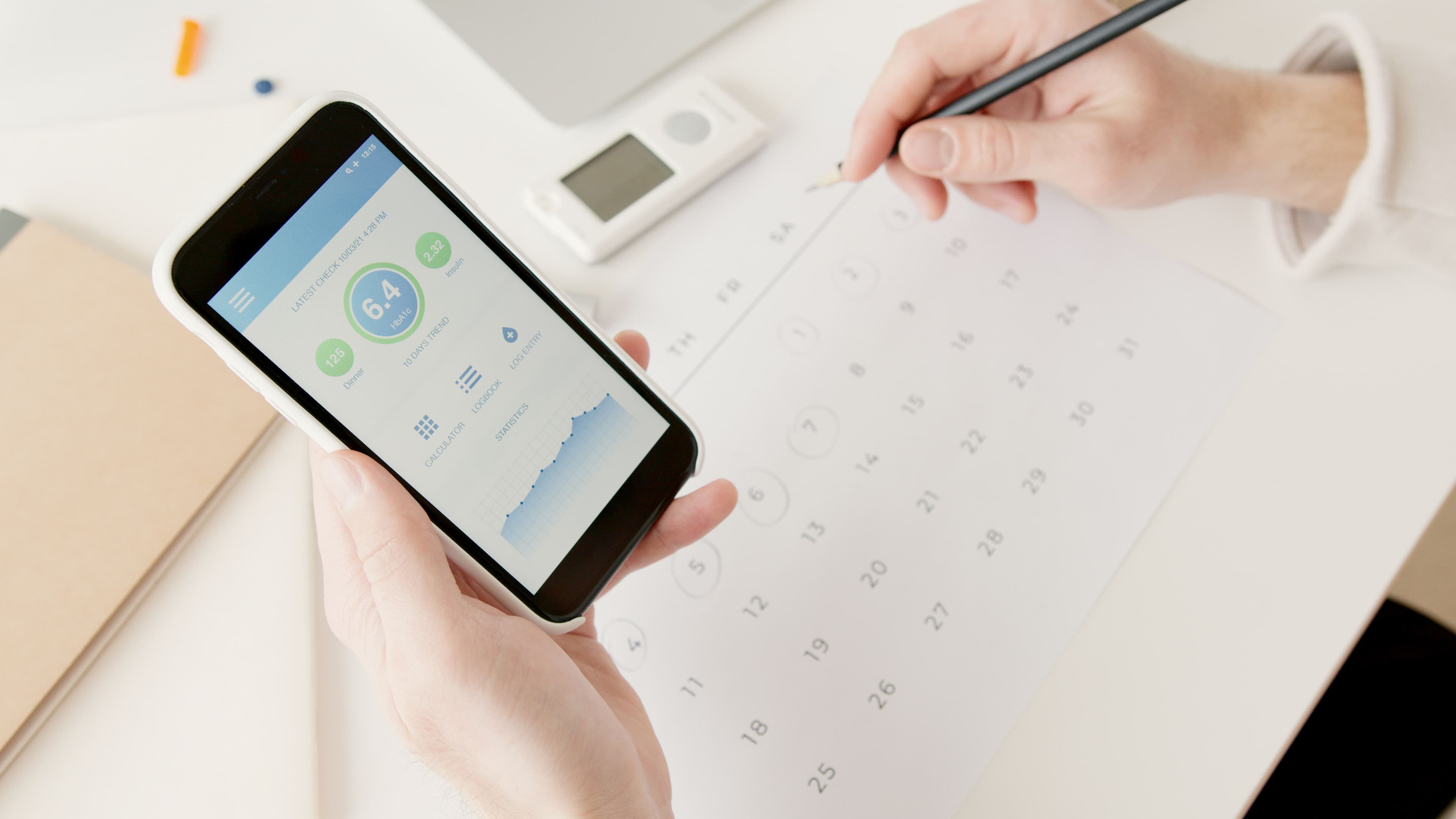
Wearables, sleep trackers, blood tests, and health apps can reveal patterns that are easy to miss.
They can show how sleep changes mood, how food affects energy, and how stress shows up in recovery data.
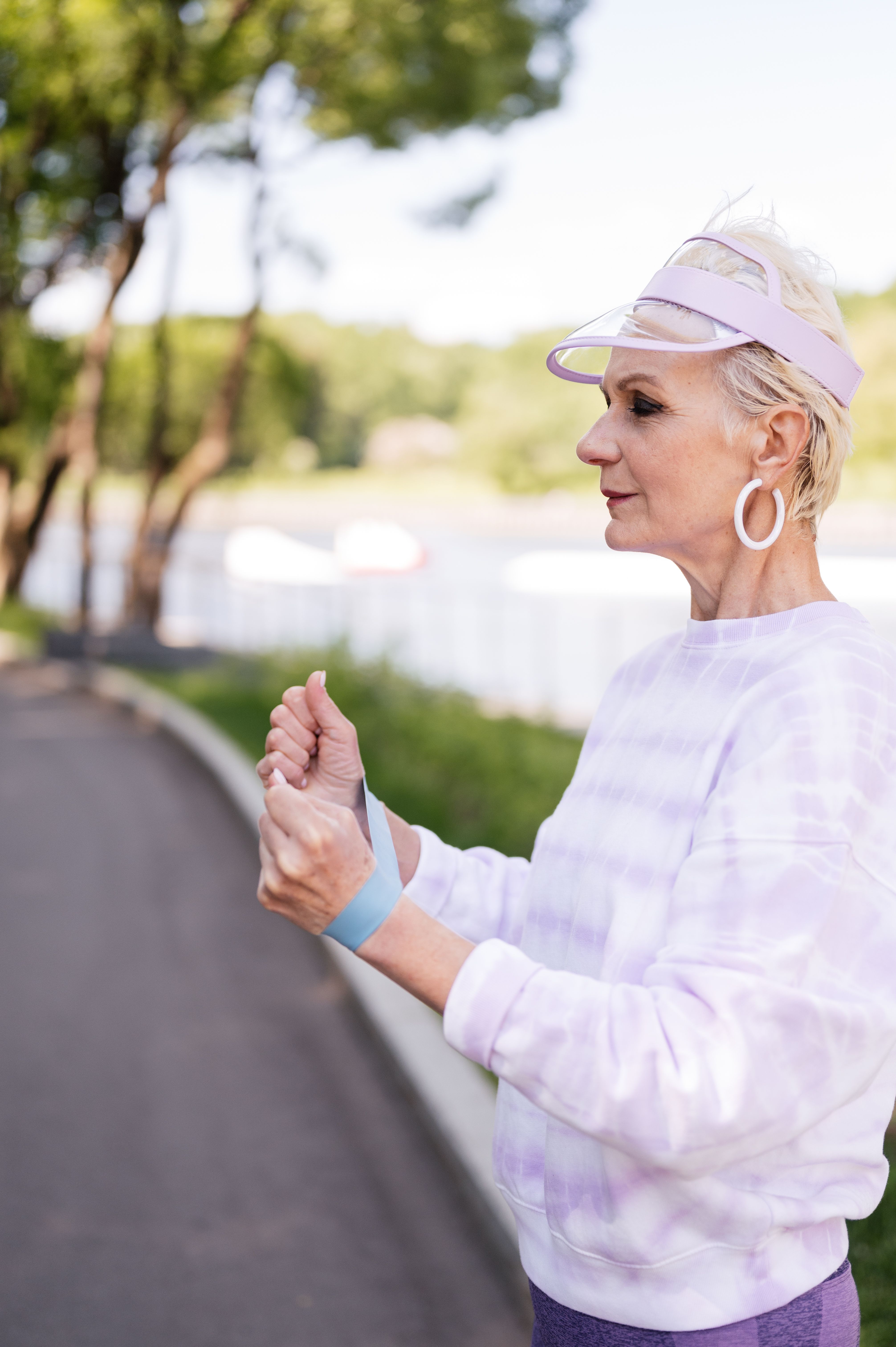
Female longevity and movement in an active wellness routine
But data becomes less useful when it starts to create anxiety.
The healthiest version of data-driven wellness uses numbers as signals, not judgments.
It should help people listen better, not feel like they are failing every time a metric changes.
The Problem With Perfection-Based Wellness
One of the biggest issues in modern wellness is the pressure to optimize everything.
Sleep must be perfect. Food must be clean. Exercise must be consistent. Relaxation must be productive.
That mindset can turn self-care into self-criticism.
Kate Tolo's story is useful because it opens the door to a more nuanced conversation: wellbeing should feel supportive, not punishing.
Longevity Is Not Just About Living Longer
For most people, longevity is not really about living forever.
It is about having more energy, clearer thinking, better sleep, emotional steadiness, and a stronger body for longer.
In that sense, longevity is also a lifestyle conversation.
The question is not only how long can we live. It is also how well can we live while we are here.
Wellness Travel and Longevity Experiences
As longevity becomes more mainstream, travel is changing too.
Many people now look for places that help them recover physically and mentally: wellness retreats, sleep-focused stays, meditation programs, and nature-based experiences.
For travelers comparing those options, platforms like BookRetreats can be useful for reviewing programs and destinations carefully.
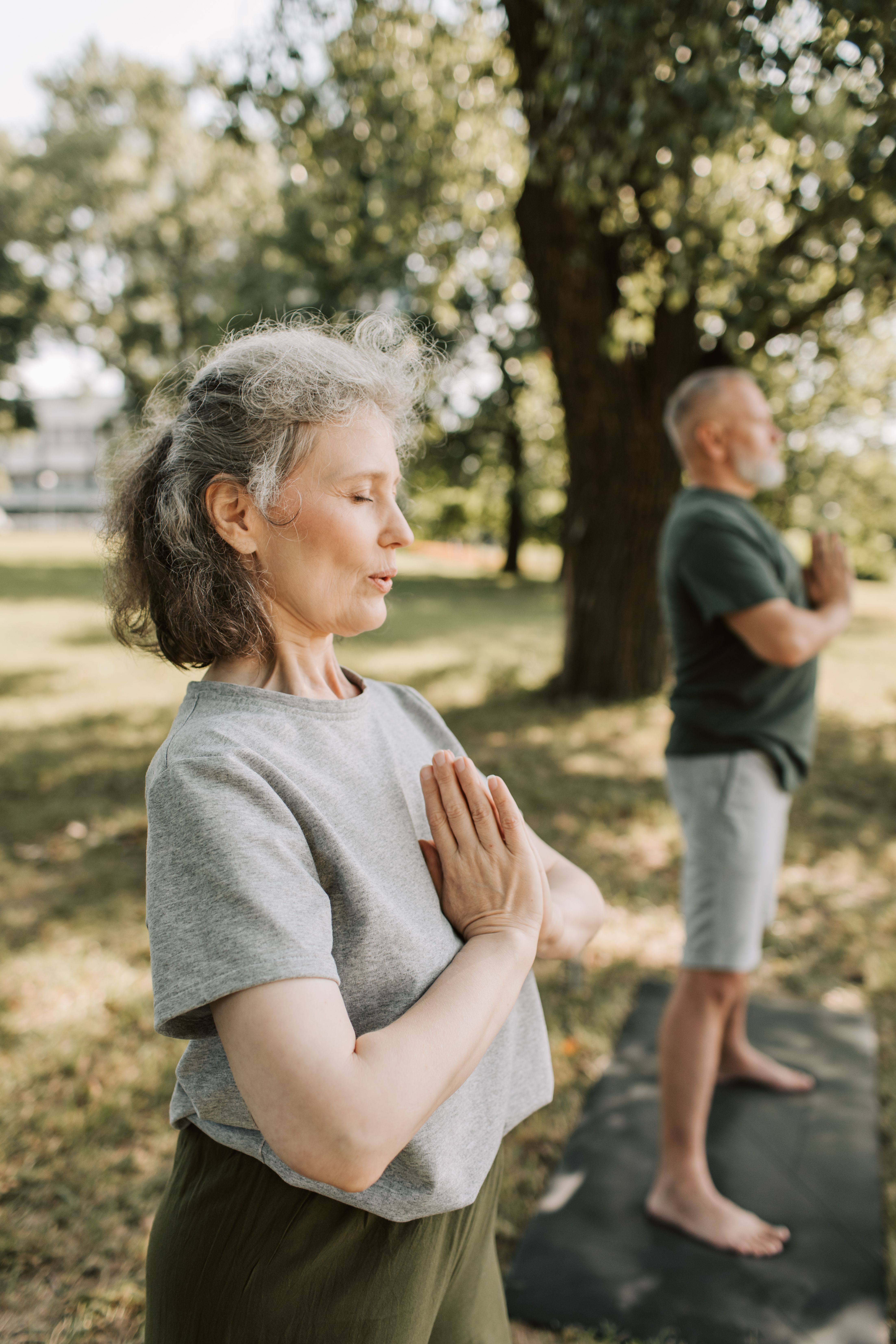
Mindful aging and recovery in a calm outdoor setting
The key is to look at the full experience: the facilitators, the schedule, the accommodation, the setting, and whether the retreat actually fits your needs.
Health Protection Is Part of Conscious Travel
If you are traveling for a retreat or a longer wellness stay, it also makes sense to think about medical coverage.
Unexpected illness or an emergency abroad can quickly become stressful without the right plan in place.
For frequent travelers and remote workers, flexible international health coverage can be a smart part of the picture.
How to Start With Data-Driven Wellness
Track your sleep for one week
Notice when you go to bed, how long you sleep, and how you feel the next day.
Pay attention to your cycle
Energy, mood, and recovery can shift across the month. Observing those changes can make your routine more realistic.
Make food personal
A healthy diet is not only about trends. Notice which meals give you stable energy and which ones leave you feeling heavy or foggy.
Use data without obsession
Metrics are helpful when they support awareness. They are not useful when they become identity.
Build a flexible routine
The best wellness routine is one you can actually live with over time.
FAQ
What is Blueprint XX?
Blueprint XX is a women-specific version of a broader optimization conversation, with more attention paid to female physiology and hormonal context.
Why does female-specific data matter?
Because women are not simply smaller versions of men. Biology, cycles, and stress responses can all change how wellness strategies should be applied.
How can someone start today?
Start with sleep, cycle awareness, food patterns, and a flexible routine. Small signals are often more useful than extreme protocols.
Why This Matters
Kate Tolo's work reflects a bigger shift in wellness: people are moving away from generic advice and toward more personal, informed, and sustainable choices.
That matters because your wellbeing is not a checklist, and your body is not a trend.
The future of wellness is not only about more data. It is about better understanding, better questions, and a life that feels more connected to what your body actually needs.
Get More Wellness Inspiration
Join our community of seekers. Bi-weekly dispatches on holistic science, sustainable living, and hidden wellness gems.
Romina Ricca
Yoga and Meditation Teacher Certified in Dynamic Yoga, Therapeutic Yoga, and Surya Vinyasa, with deep expertise in Meditation and Mindfulness practices. Founder and Director of Ser Presente. I help individuals integrate mindfulness and breathwork into their daily routines, focusing on reducing stress, enhancing focus, and alleviating anxiety.