NMN With TMG vs NMN Alone: What TMG Adds, and Who Actually Needs It


Regulatory Update (September 2025): Good news if you have been looking for NMN in the US. In late September 2025, the FDA reversed its November 2022 decision and confirmed that NMN is not excluded from the definition of a dietary supplement. It is lawful to sell again, which is why major retailers and shelves refilled.
NMN is a direct precursor to NAD+, a critical coenzyme that declines naturally with age.
Converting NMN into NAD+ consumes methyl groups, drawing from the same pool required for DNA repair, neurotransmitter synthesis, and cellular detoxification.
TMG, commonly sold as betaine anhydrous, acts as a dedicated methyl donor that rapidly replenishes that methyl pool.
At doses below 500 mg daily, most people do not need a methylation buffer.
At 500 mg and above, or for carriers of an MTHFR gene variant, the demand rises significantly, establishing the standard 1:1 ratio.
A routine serum homocysteine blood test removes the guesswork and reveals your exact methylation status.

NAD+
The molecule your cells use to turn food into usable energy and to repair themselves. Levels decline naturally with age.
Methyl Group
A tiny chemical tag your body hands out to get vital cellular jobs done. You have a limited supply at any given moment.
Homocysteine
A substance in your blood that climbs when your methyl supply is running behind. You can measure it with a normal blood test.
Trimethylglycine (TMG), also called betaine, is a methyl donor. It refills that methyl pool, helping maintain healthy homocysteine levels and supporting methylation-dependent processes.
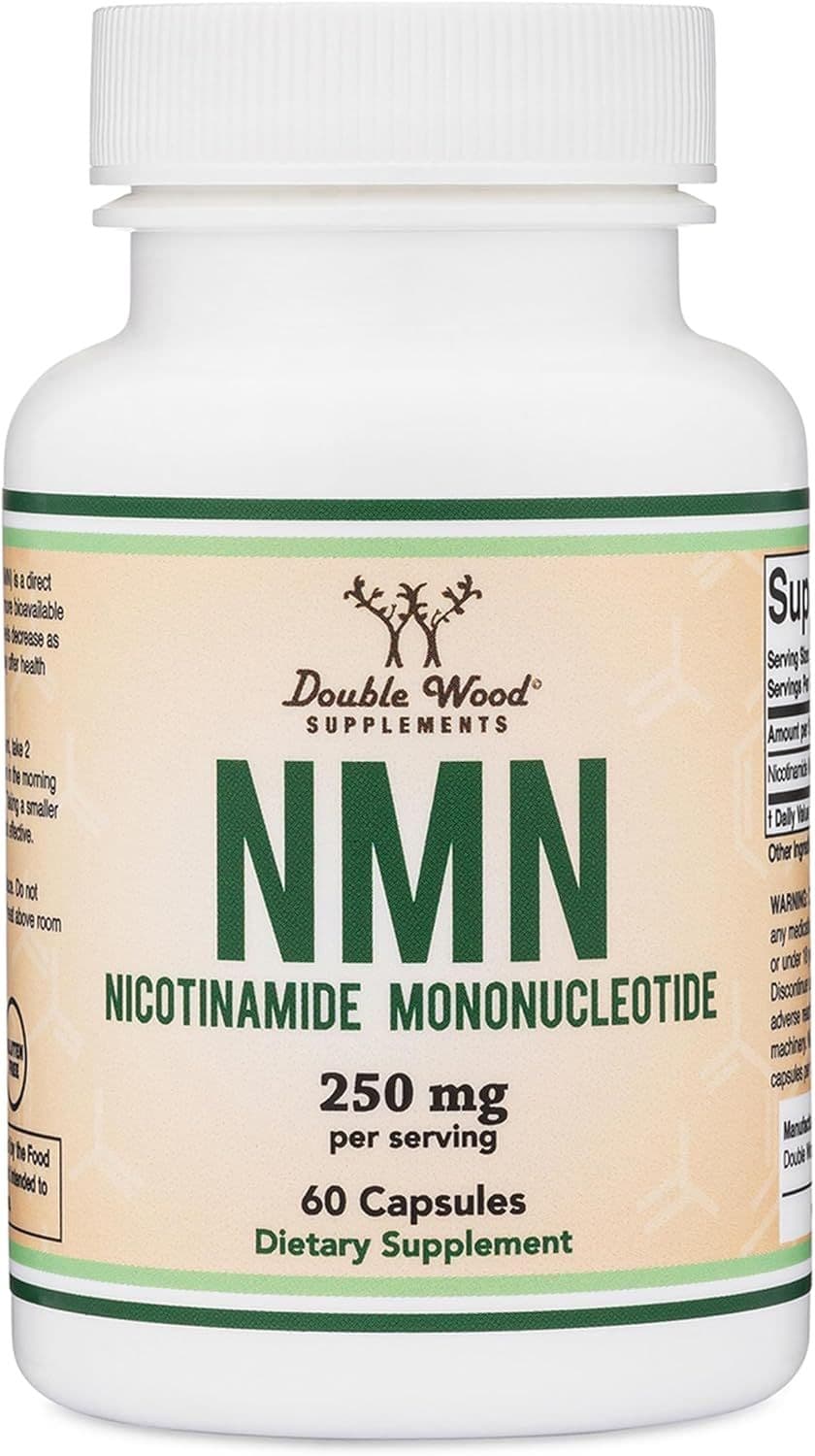
If you are new to NAD+ and want to start low: Choose a baseline standalone precursor like Double Wood NMN 250 mg.
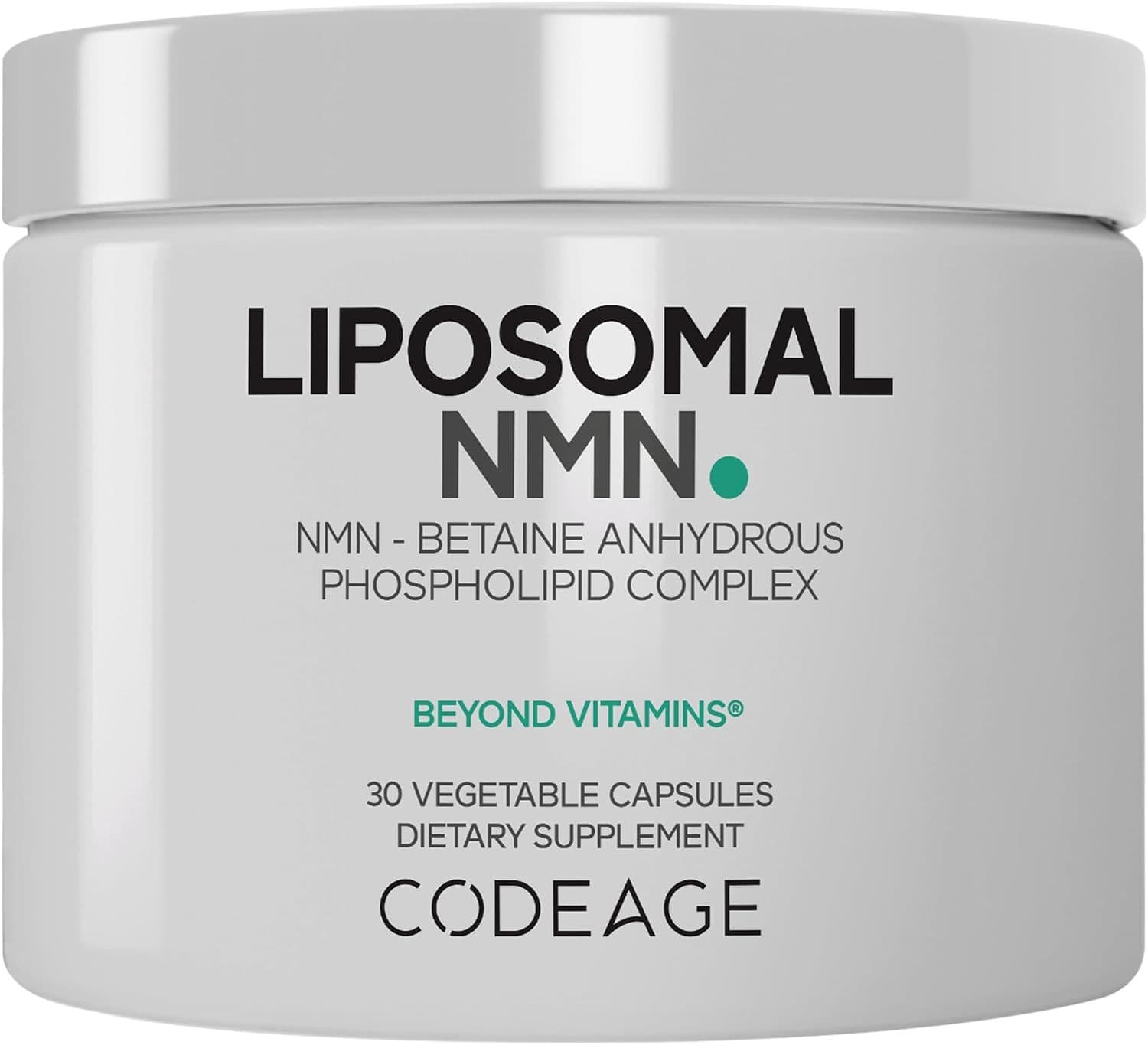
If you want one capsule that covers both: Take an all-in-one formula like Codeage Liposomal NMN & TMG.
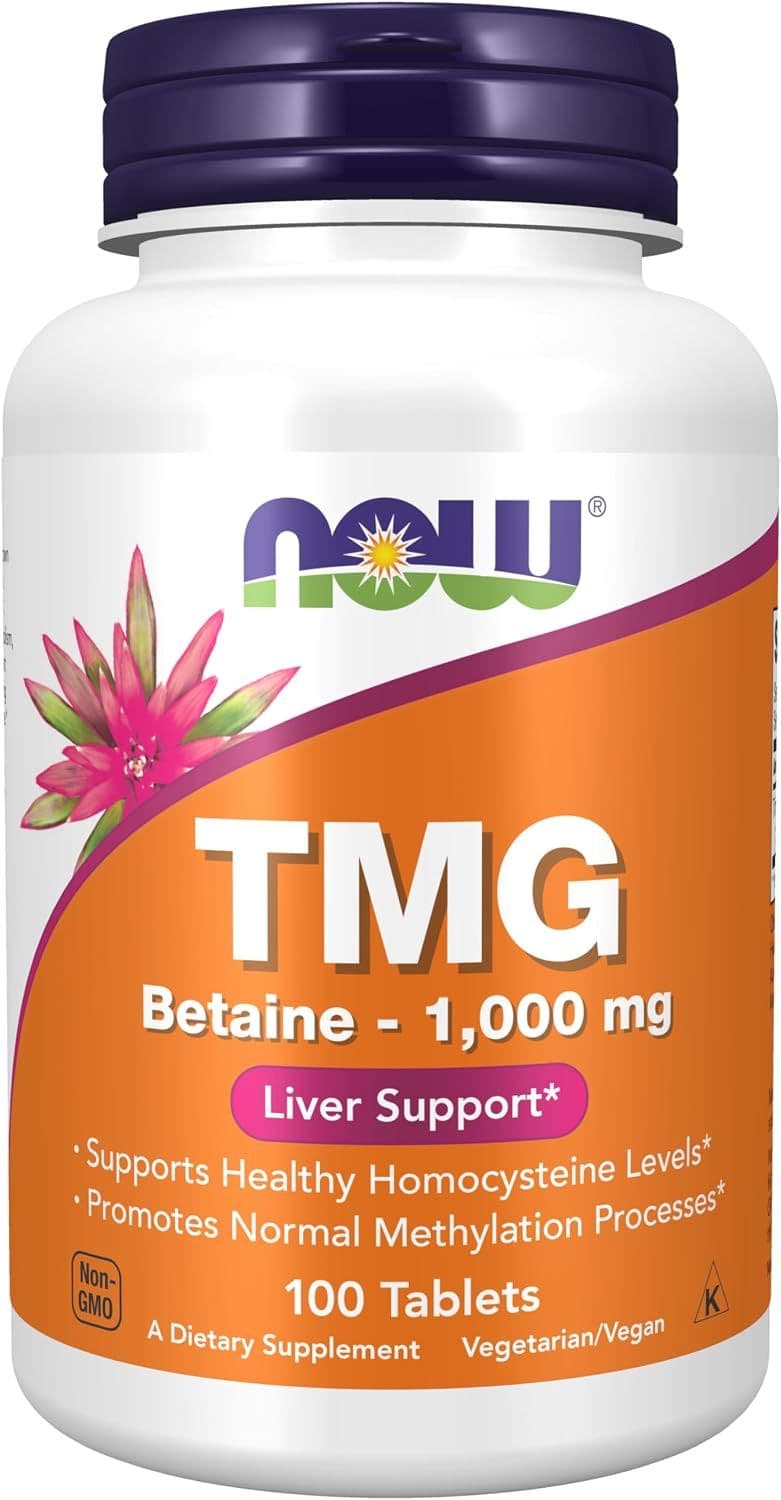
If you already take NMN and just need the buffer: Add a dedicated methyl donor like Double Wood TMG 1,000 mg.
If you are running a high-dose longevity protocol: Use a matched high-potency stack like NMN 1,000 mg with TMG 300 mg.
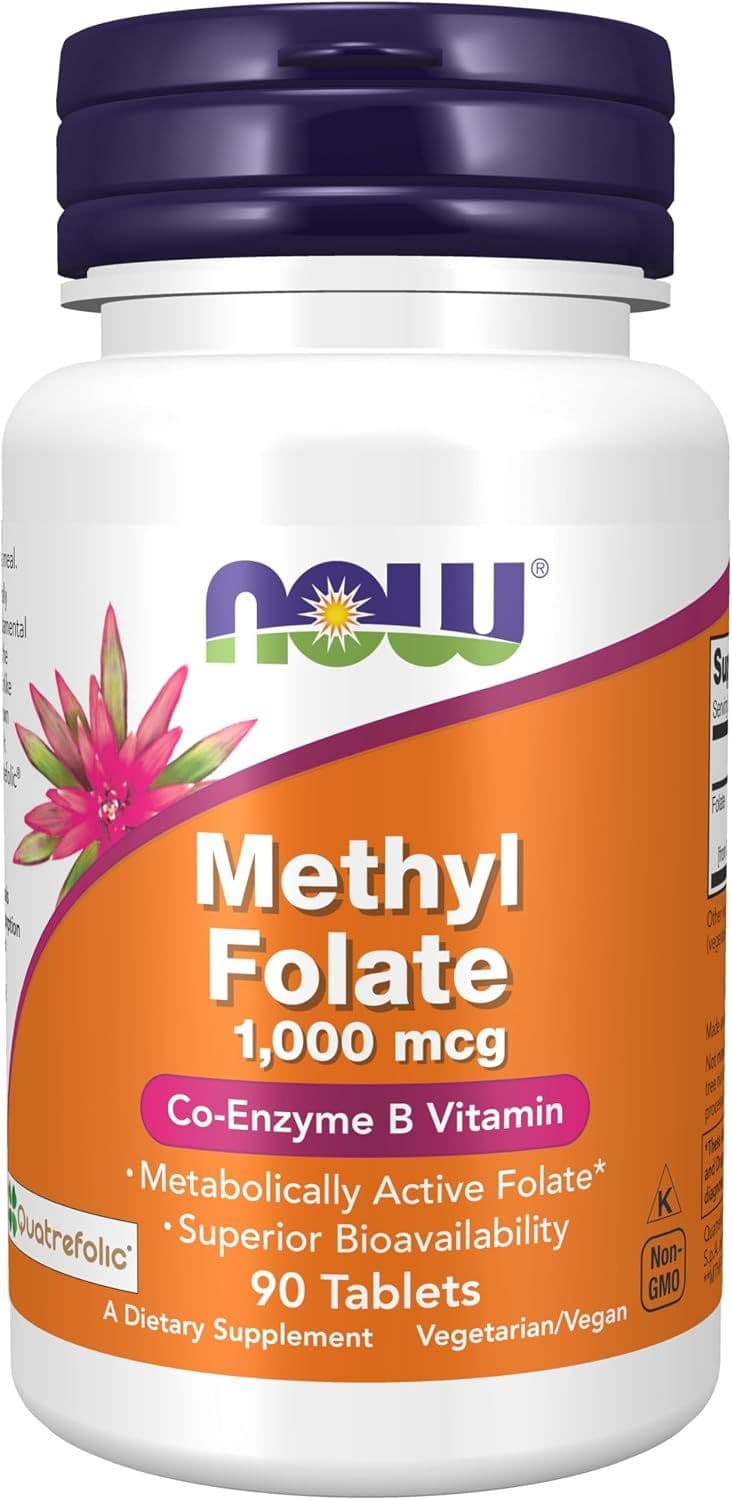
If you carry an MTHFR variant: Choose complete methylation support like Methylated B-Complex with Methylfolate and TMG.
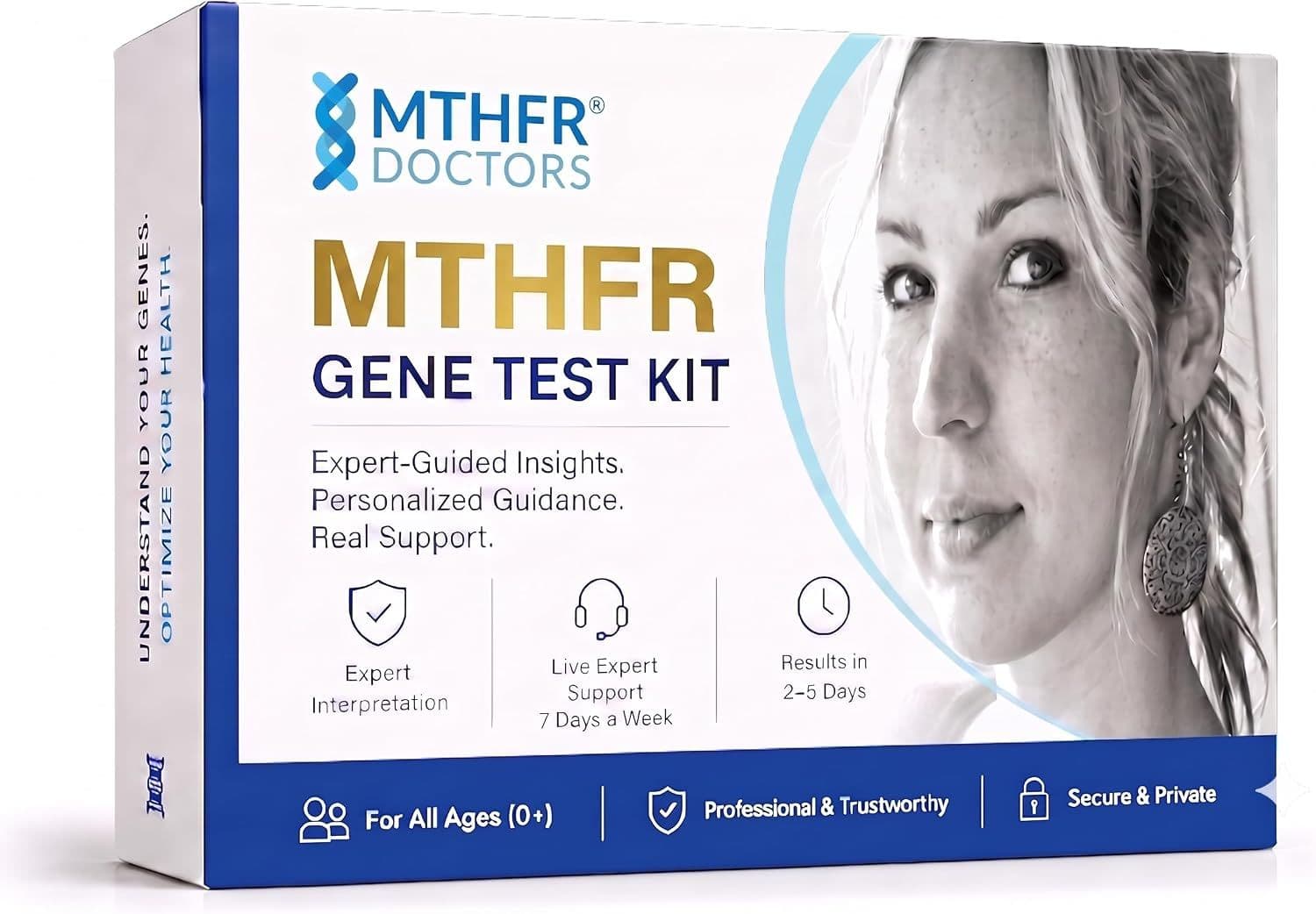
If you want to stop guessing entirely: Measure your baseline methyl pool with a Methylation Screening Panel with Homocysteine. Test once before starting and once eight weeks in to confirm your ratio works.
This guide separates the theoretical mechanisms from the limited human evidence. It also covers practical safety guidance and how to evaluate supplement quality without overpromising longevity benefits.
"Nicotinamide mononucleotide increases muscle insulin sensitivity in prediabetic women." Yoshino et al., Science, 2021 (First randomized, placebo-controlled trial demonstrating a metabolic effect of NMN in humans)
"NMN supplementation improved walking performance in a six-minute walking test and subjective general health assessments." Randomized controlled clinical trial, 2023 (Evaluated middle-aged and older adults)
"Betaine supplementation lowered fasting plasma homocysteine by approximately 12 percent within six weeks." Olthof et al., 72 participants (Studied at 6 g daily, with a smaller effect observed at 3 g)
"At sustained intakes between 3 and 6 g daily, pooled trial data indicate a modest rise in total cholesterol." Pooled clinical trial analyses of sustained betaine intake
Our Top Picks: NMN and TMG Formulations
Selecting the right formulation depends on your daily dosage, personal methylation demands, and specific genetic factors. Compare the three primary supplementation approaches below.
| Approach | What is in it | Best for | Watch out for |
|---|---|---|---|
| NMN alone | Pure nicotinamide mononucleotide | Starting out and doses below 500 mg | Methyl donor demand increases alongside your dose |
| NMN plus TMG | NMN paired with betaine anhydrous, typically in a 1:1 ratio | Doses from 500 mg and higher | Many formulas drop below a 1:1 ratio, so check the label |
| Full cycle support | NMN combined with riboflavin, methylfolate, and methyl donors | MTHFR gene variant carriers | More ingredients create more opportunities for a formula to be underdosed |
Types of NAD+ Support Stacks
Pure NAD+ precursors deliver nicotinamide mononucleotide (NMN) alone. The logic is direct: supply the raw material for NAD+ synthesis without additional cofactors.
Many people find this approach simple and cost-effective, though it may increase methylation demand at higher doses. The straightforward protocol appeals to those new to supplementation and allows easy dose adjustment.
Methyl-buffered stacks pair NMN with betaine anhydrous (TMG), a potent methyl donor. By adding TMG, these formulations aim to balance homocysteine levels while supporting NAD+ production.
TMG provides methyl groups to offset the methylation pull that NMN exerts, an effect particularly relevant at doses above 500 mg. This combination is often associated with cardiovascular health measures and smoother energy throughout the day.
Full cycle support expands the stack further with B-vitamins like riboflavin and methylfolate. This approach recognizes that NAD+ metabolism and methylation are interconnected cycles.
The addition of active B-vitamins may benefit individuals with MTHFR variants or those pursuing comprehensive metabolic support. Riboflavin (B2) and methylfolate (active B9) help sustain the homocysteine-methionine cycle, creating a more robust cellular environment.
The Purity & Stability Checklist
Before buying NMN with TMG, verify that the product meets basic quality and safety standards. A supplement is only as good as its manufacturing process. Look for these indicators of purity and stability:
Third-party lab testing. Independent verification confirms that the supplement contains the listed ingredients, without heavy metals or microbial contaminants.
Certificate of Analysis (COA). A transparent brand will provide a recent COA, detailing potency and purity levels for each batch.
Cold-storage shipping. NMN is hygroscopic and degrades in heat. Proper cold-chain shipping preserves its potency from the manufacturer to your door.
No magnesium stearate fillers. Many high-quality supplements avoid this flow agent, which can dilute active ingredients and reduce absorption.
Dark glass packaging. NMN is sensitive to light; amber glass bottles help protect it from UV degradation during storage.
Estos checks help you avoid degraded, under-dosed, or impure formulas. They are the minimum standard for any stack you consider.
Dosage Scale: The 1:1 Ratio Guide
The 1:1 ratio of NMN to TMG stems from the methyl groups potentially consumed during nicotinamide mononucleotide metabolism. It is a practical convention rather than a clinically derived ratio: match the methyl donor to the methyl demand and you are unlikely to run a deficit. The homocysteine data comes from gram-level doses, several times what a 1:1 stack delivers. The TMG in your stack is there to replace the methyl groups your NMN dose spends, not to run a clinical homocysteine intervention. The three tiers below offer a common framework.
Entry Level: 250 mg each. A conservative daily dose for adults new to NAD+ precursors. It allows the body to adapt while supporting baseline methylation pathways.
Standard Therapeutic: 500 mg each. The most commonly used range, and the point at which the buffer stops being optional for most protocols. Split it into two servings if a single morning dose feels sharp.
Advanced: 1,000 mg each. Suitable for high metabolic demand or individuals with known MTHFR variants. This level assumes greater methyl group turnover. Some protocols raise TMG to 1,500 mg when serum homocysteine remains elevated after baseline testing.
Every recommendation is a rule of thumb until you have a number. Test once before you start and once about eight weeks in with a methylation screening panel. If homocysteine is in range, your ratio works; if not, raise TMG rather than NMN.
Care & Maintenance: Keeping NAD+ Precursors Potent
NMN is hygroscopic and degrades fast with heat, moisture, or UV light. A dark glass bottle blocks light that accelerates oxidation. The fridge, not the counter, is the right home for these precursors.
TMG pulls in humidity and clumps. Always keep the original desiccant pack inside the jar. Replace the cap immediately after measuring your dose.
Humidity kills stability faster than expiration dates. If you opt for bulk powder, store the main supply frozen and use a smaller weekly container for daily access.
How to Decide: NMN Alone vs. The TMG Stack
Your genetics. If you carry an MTHFR variant, your body converts methyl groups less efficiently, which can raise homocysteine. TMG donates a methyl group directly, helping keep homocysteine within a healthy range without taxing the SAMe pool.
Your dosage. Each NMN molecule that becomes NAD+ consumes a methyl group. At higher intakes, above 500 mg, the demand can outstrip the pool of available methyl donors.
Without extra TMG, the body may pull methyl groups from SAMe, affecting processes like neurotransmitter synthesis and DNA repair. Adding TMG at a matched dose lets NAD+ production run without disrupting the methylation cycle.
Your goals. If cardiovascular health is a priority, the stack adds a layer of protection by helping manage homocysteine.
If you’re after a straightforward energy boost, a lower NMN dose may feel right. The stack tends to make more sense when you’re committed to a longer-term longevity protocol.
In practice, many people start with a 1:1 ratio, then adjust based on how they feel and any homocysteine lab work.
Timing and Splitting Doses for a Smoother NAD+ Lift
Taking NMN with TMG as a single morning dose is straightforward, but splitting the same total into two servings can distribute methyl donor demand more evenly. If you use 500 mg of each, divide into 250 mg doses taken before breakfast and again in the early afternoon. This avoids a single large methyl pull and may reduce transient energy spikes or digestive pressure.
TMG can feel mildly stimulating for some people, so an afternoon split may be safer than an evening one. Keep the 1:1 ratio consistent across each split-half the NMN with half the TMG-so methylation support parallels NAD+ conversion throughout the day. With food, absorption slows but stomach tolerance often improves. Sublingual powders may produce faster onset; a split schedule turns that into two shorter uptake windows instead of one sharp peak.
This approach does not change your total daily intake; it only spaces the same dose. Watch how your energy holds between servings. If you notice an afternoon dip, shift the second split earlier rather than raising the total. Adjust timing before changing amounts.
More is not automatically better when adding TMG to an NMN regimen. Pooled data show a modest rise in total cholesterol at sustained doses of 3 to 6 g a day, which is several times what a standard stack delivers.
Stay in the hundreds of milligrams unless a doctor and a lab result say otherwise. Consult a physician first if you are pregnant or breastfeeding, take medication for cardiovascular or metabolic conditions, or have existing kidney or liver concerns. This article is information, not medical advice.
Whether you choose a combined formula or stack them yourself, prioritize third-party verified purity to ensure your cellular health journey is both safe and effective. That means checking for Certificates of Analysis, preferring products shipped with cold-chain handling, and keeping capsules away from heat and moisture. In the end, small, consistent habits around quality control are what turn a supplement routine into a genuine longevity practice.
Frequently Asked Questions
Get More Wellness Inspiration
Join our community of seekers. Bi-weekly dispatches on holistic science, sustainable living, and hidden wellness gems.

Helena Park
Beauty and longevity writer tracking skincare, recovery culture, and the data-driven approaches shaping women’s health and modern self-care.