The Deepest Blood Moon Until 2028, Lunar Eclipse Guide, August 27-28, 2026

The Deepest Blood Moon Until 2028
Sky Watch · Astrology — Lunar Eclipse Guide, August 27-28, 2026
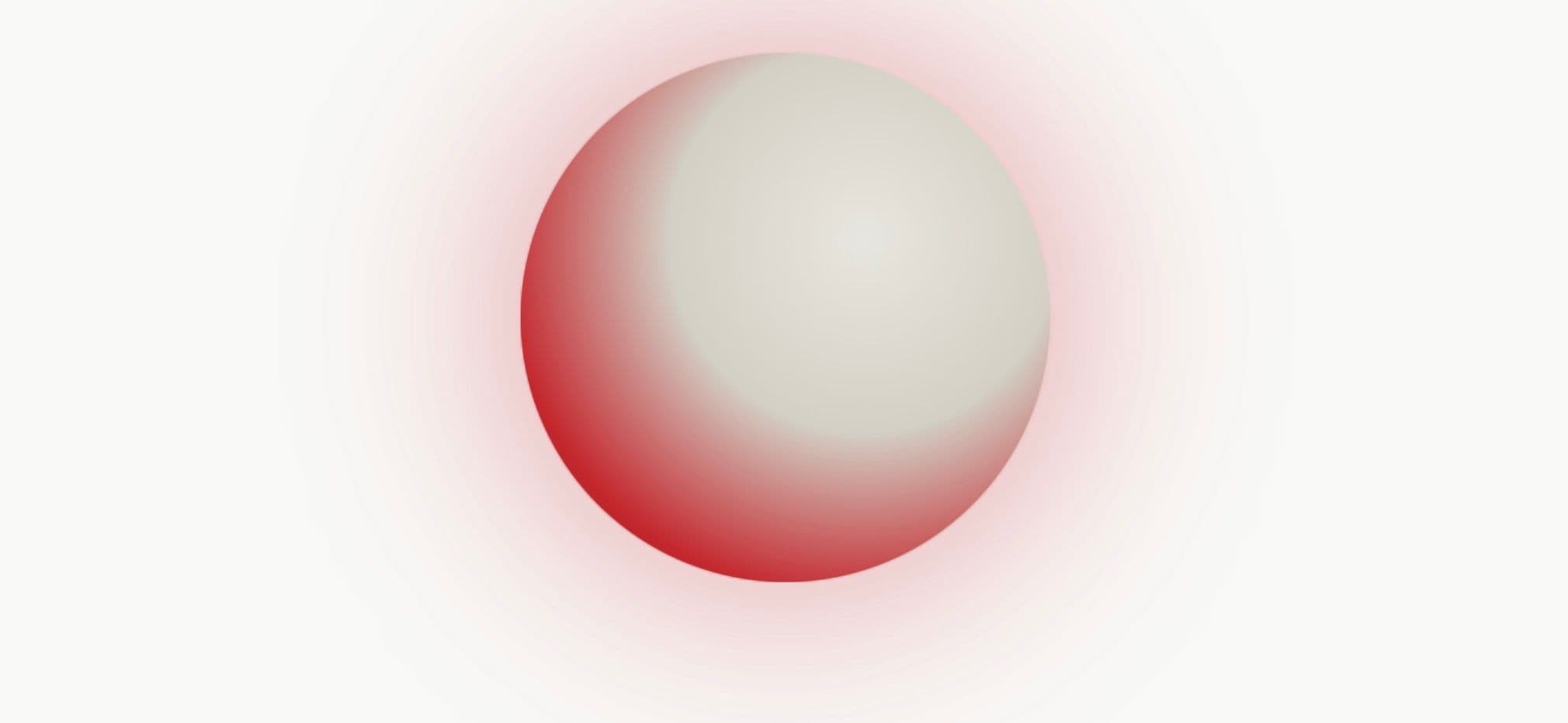
Almost 96% of the Moon is about to slip into Earth's shadow, turning it a deep copper red. Here's exactly when to look up, what you're seeing, and what it means if you're paying attention to the sky.
What's Actually Happening
On the night of August 27 into the early morning of August 28, 2026, the Moon slides almost entirely into Earth's shadow. Technically it's classified as a "deep partial" eclipse, not total, because a tiny sliver of the Moon stays outside the darkest part of the shadow. In practice, with 96% coverage, most people won't notice the difference. Expect the Moon to darken dramatically and take on a reddish, copper glow, the same effect that gives total eclipses their "blood moon" nickname.
This is also the most dramatic lunar eclipse the sky will offer until late 2028, so it's a genuinely rare one to catch. No special equipment needed: unlike solar eclipses, lunar eclipses are completely safe to watch with the naked eye. Binoculars or a telescope just make it sharper.
Wellness Essentials
Discover products to enhance your wellness journey

96%, Of Moon Covered
5h 38m, Total Duration
2028, Next One This Deep
| Phase, UTC, US East (EDT), US West (PDT), UK (BST) |
|---|
| Penumbral begins, 1:24 AM (Aug 28), 9:24 PM (Aug 27), 6:24 PM (Aug 27), 2:24 AM (Aug 28) |
| Partial begins, 2:34 AM (Aug 28), 10:34 PM (Aug 27), 7:34 PM (Aug 27), 3:34 AM (Aug 28) |
| Peak eclipse, 4:13 AM (Aug 28), 12:13 AM (Aug 28), 9:13 PM (Aug 27), 5:13 AM (Aug 28) |
| Partial ends, 5:52 AM (Aug 28), 1:52 AM (Aug 28), 10:52 PM (Aug 27), 6:52 AM (Aug 28) |
The Timeline (times shown in UTC and common time zones, check your local time before heading outside)
How To Watch It
No gear required
But a little planning makes it a much better show.
How To Watch It
1
Check your visibility, The Americas get the best full view, with the Moon high in the sky for the whole event. Europe and Africa catch it low near moonset, so you'll want a clear view toward the horizon.
2
Find a dark spot, You don't need to travel far from the city, but stepping away from direct streetlights will make the reddish color much more vivid.
3
Give your eyes time, It takes about 15-20 minutes for your eyes to fully adjust to the dark. Put your phone away once you're set up.
4
Bring the comfort layer, Peak eclipse is well past midnight for most of the US. A blanket, a warm drink, and a reclining chair go a long way.
Quick Checklist
1. No eclipse glasses needed, this is completely safe to view with the naked eye.
2. Binoculars or a small telescope will sharpen the view but aren't required.
3. Check your local moonrise/moonset time if you're in Europe or Africa, since the Moon may set before the eclipse finishes.
4. Clear skies matter more than location, check your forecast the day before.
What It Means Astrologically
Full Moons are already emotional high points, moments of culmination where whatever was set in motion at the last New Moon comes to a head. An eclipse turns up the volume on that. This particular Full Moon falls in dreamy, intuitive Pisces, directly opposite the Sun in detail-oriented, practical Virgo, so expect a pull between feeling everything and needing to get organized about it.
This is also the sixth eclipse in a series running along the Virgo-Pisces axis that started back in September 2024 and wraps up in February 2027. If you've felt like the last two years have been quietly reshaping how you balance service and rest, logic and intuition, this eclipse is very much part of that longer arc.
What This Eclipse Is Asking Of You
1
Release, Don't Force, Eclipses tend to close chapters rather than open them. This is a better night for letting go than for launching something new.
2
Notice What Surfaces, Pisces energy brings up feelings you might have been avoiding. Journaling before or after the eclipse can help.
3
Balance the Axis, If you've been all logic lately, make room for feeling. If you've been all feeling, it might be time for a little structure.
Quick Questions
Want More Sky Events Like This
Sign up to get a heads-up before the next eclipse, retrograde, or major transit.
Get More Wellness Inspiration
Join our community of seekers. Bi-weekly dispatches on holistic science, sustainable living, and hidden wellness gems.
Sol Chocano
is a yoga and somatic movement teacher, wellness entrepreneur, and founder of Holisteek. Born and raised in Peru, she helps people cultivate wellbeing, balance, and connection.
Related Articles
The Benefits of Sound Healing

Top Deck of Fortune Telling Cards Every Reader Needs

What is a Cacao Ceremony?

Your First Reiki Session: What to Expect

Ayahuasca: A Journey Into the Medicine of the Amazon
Doshas Body Types : Vata, Pitta & Kapha

Zen Buddhism | The Path to Enlightment