Ayahuasca: A Journey Into the Medicine of the Amazon

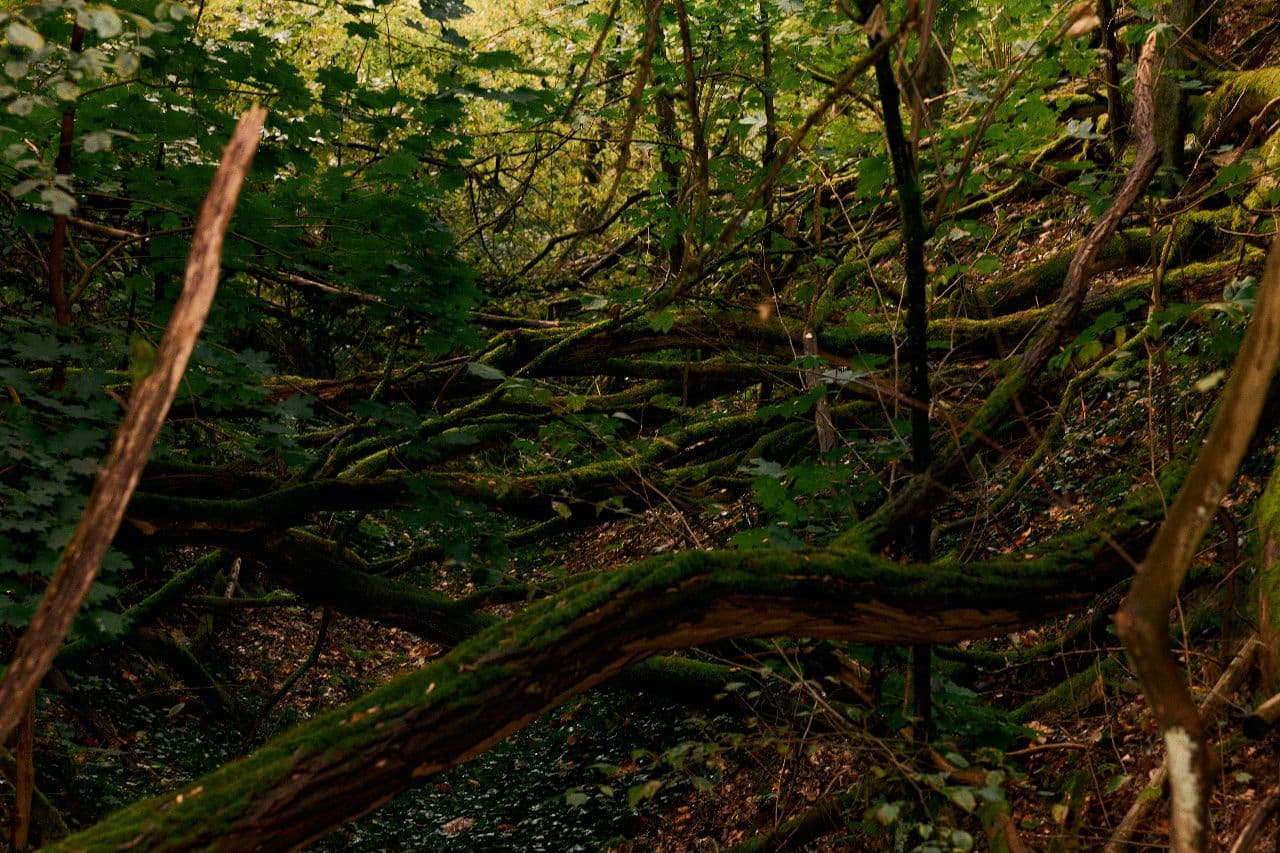
Long before it became a word whispered at wellness retreats, ayahuasca was, and still is, a sacred plant teacher in the traditions of the Amazon basin. This is a look at where it comes from, how it's prepared, what actually happens inside a ceremony, and what the growing body of scientific research is starting to reveal about the medicine Indigenous communities have called "the vine of the soul" for generations.
Where It Comes From
Ayahuasca is not one plant but a marriage of two. The Banisteriopsis caapi vine, thick and woody, is cooked together with the leaves of Psychotria viridis. Neither plant does much on its own. Together, something ancient happens: the vine carries compounds that allow the leaf's natural DMT to become active in the body, a synergy that Indigenous Amazonian healers, curanderos, and shamans mapped out through generations of direct relationship with the plants themselves, long before a laboratory ever named the molecules involved.
In Quechua, ayahuasca translates roughly to "vine of the soul" or "vine of the dead." Across the Amazon, from Peru to Colombia to Brazil, it is regarded not as a substance but as a teacher. Many traditions personify the brew as a grandmother spirit, la abuela, or affectionately, la abuelita. She is not something you take. She is someone you sit with.

Banisteriopsis caapi 🌿
The vine. Carries the compounds that let the medicine work.
Psychotria viridis 🍃
The leaf. Known locally as chacruna
La Abuelita 🌙
The spirit many traditions say the brew carries.
How It's Prepared
Harvest with intention
The vine and the leaf are gathered, often with prayer or offering, never as a purely mechanical harvest.
Pound and layer
The vine is pounded to open its fibers, then layered with the leaves in a large pot.
Cook for hours, sometimes days
The mixture is simmered slowly, sometimes over multiple days, reduced again and again until it becomes a thick, dark tea.
Held, not rushed
Many curanderos sing icaros, sacred songs, over the pot as it cooks, treating the brewing as part of the medicine itself.
Inside a Ceremony
Ceremonies are almost always held at night. This is not incidental. In the plant's own botanical lineage, ayahuasca is regarded as feminine energy, and night is her hour. Where masculine energy tends to move outward, the energy of the ceremony is deeply introspective: eyes closed, inward-facing, a descent rather than a display. This is part of why she is called la abuelita. A grandmother does not perform for you. She sits with you, and she teaches.
You don't take ayahuasca to escape yourself. You take it to finally sit still enough to meet yourself. Commonly shared wisdom among Amazonian ceremony guides.
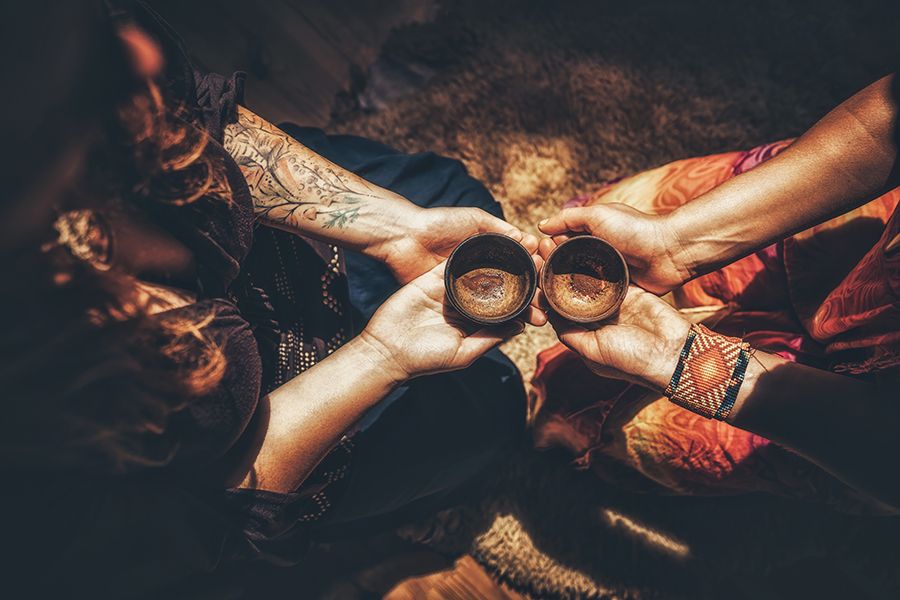
The tea itself is bitter, and it's usually served in a single small cup at the start of the ceremony. From there, it typically takes around 40 minutes for the medicine to begin taking effect, a window ceremony guides often use to set intentions, sit in silence, or simply wait with the group in the dark.
What's Happening in the Brain
Once absorbed, DMT binds primarily to serotonin 2A receptors and sigma-1 receptors in the brain, the same receptor family targeted by other classic psychedelics. What happens next is where things get genuinely interesting: brain imaging studies on ayahuasca consistently show a quieting of the Default Mode Network, the cluster of regions, centered on the posterior cingulate cortex and medial prefrontal cortex, responsible for your sense of self, your inner narrator, and the constant background mind-wandering most people never fully switch off.
When that network goes quiet, the boundary it normally maintains between "self" and "everything else" softens. This is very likely the neurological seat of the introspection ceremony guides talk about: with the inner narrator turned down, there's simply more room to feel what's actually there. At the same time, activity rises sharply in the primary visual cortex, which tracks closely with how vivid the visions people describe actually are, and in the salience network (the anterior cingulate cortex and insula), the circuitry involved in emotional weight and bodily awareness. That's a plausible reason old, buried emotions tend to surface with such physical force during the purge.
🧠 Default Mode Network quiets
The seat of ego and self-narration goes quiet, opening space for introspection.
👁️ Visual cortex activates
Directly linked to the intensity of visions during la pinta.
💗 Salience network rises
The circuitry behind emotional and bodily awareness, likely tied to the purge.
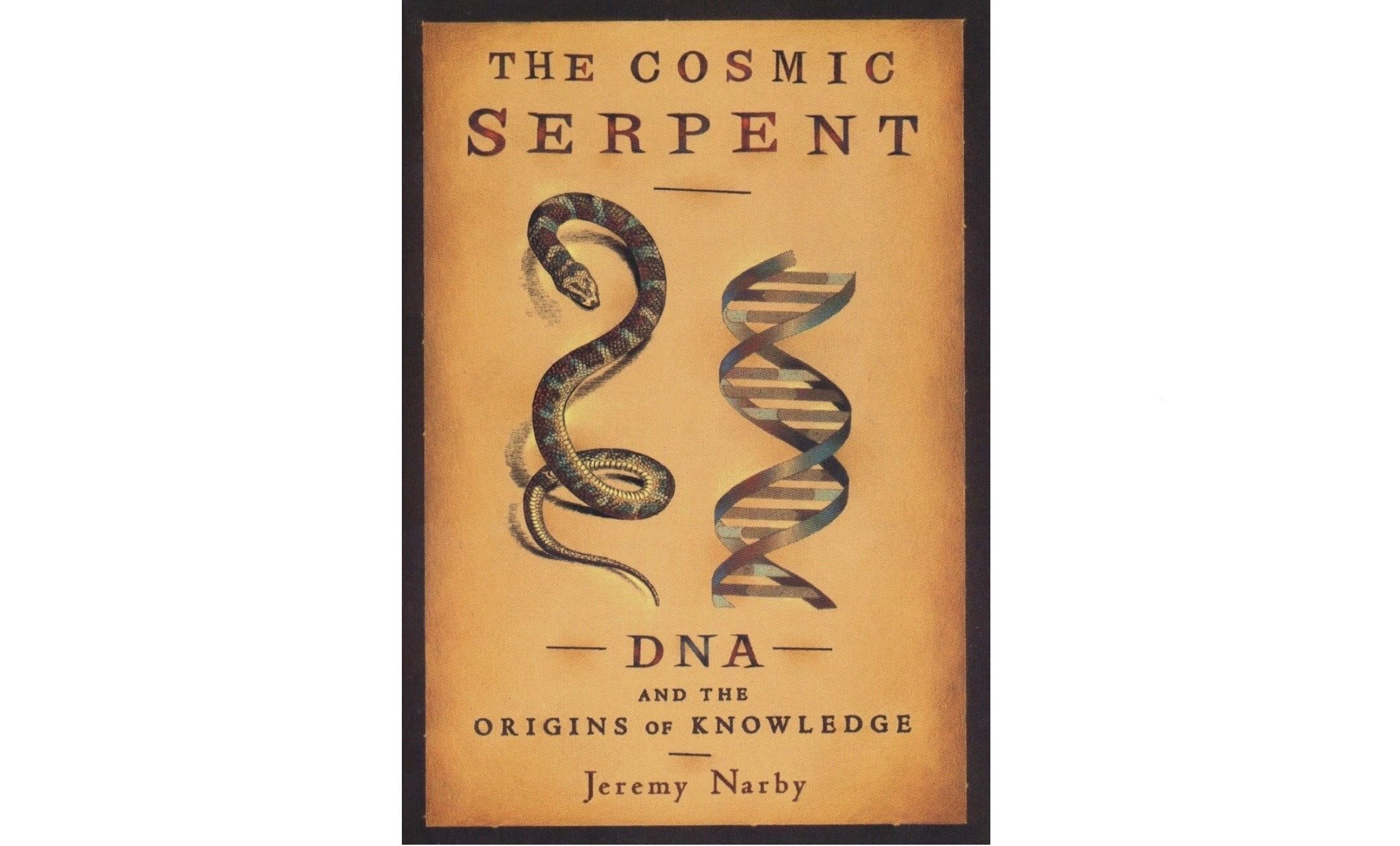
There's also a layer here that lives more in lore than in confirmed science, but it's worth naming because it's part of why DMT carries the meaning it does across cultures. DMT occurs naturally, in trace amounts, in the human body. Some researchers, most famously Dr. Rick Strassman in his book "DMT: The Spirit Molecule," have theorized it may be released by the pineal gland at profound thresholds of life: birth, death, and deep dreaming. This remains unconfirmed in humans and is not something mainstream neuroscience has settled. But it's part of why so many traditions, not only Amazonian ones, associate this molecule with the thin place between worlds, the doorway rather than the room itself.
The Purge
For many people, the medicine's first real signal is what's known simply as la purga, the purge. The body begins to release, physically, whatever it's been holding onto. This isn't a side effect to fear. In most traditions it's considered a core part of the medicine's work, the body clearing stagnant energy and old trauma to make room for what comes next.
What the Purge Can Look Like
Trembling or shaking as the body releases tension
Vomiting, the most common and most talked-about form of the purge
A sudden need to use the bathroom
Waves of heat or cold as the body regulates
Once this passes, many people describe a real sense of physical relief, a lightness, as though something has actually left the body. This is usually when la pinta begins: the visionary phase, where imagery, memory, and insight tend to surface most vividly. Not everyone sees visions in the traditional sense. For some, the deepest work is felt rather than seen.
After the Ceremony: Integration
What happens after the ceremony matters as much as the night itself. Sitting down with the shaman or ceremony guide afterward, to talk through what came up, is considered essential in most traditions, not optional. This process, often called integration, is how a felt experience becomes an understood one. Without it, insights can fade or get misread. With it, they tend to actually change something.
Preparing Your Body: The Dieta
Traditional preparation involves a dieta in the days or weeks before ceremony: simple food, no alcohol, and importantly, no substances that could interact with the medicine. This is the one part of this practice that is genuinely not optional. Certain medications, particularly anything affecting serotonin, can create dangerous interactions with ayahuasca.
Before you go
! Speak with a qualified, experienced facilitator or medical professional about anything you currently take, prescription or otherwise, well before a ceremony
! Never assume a substance is probably fine, ask directly and get a clear answer
! Choose ceremonies led by experienced, reputable guides who screen participants seriously
This is not a practice to approach casually. Take the preparation as seriously as the ceremony itself.
What the Research Is Starting to Show
Small, early, and genuinely promising.
Researchers are careful to note this work is still early. Sample sizes are small, and no major medical body has endorsed ayahuasca as a treatment. But for a plant medicine that Amazonian traditions have trusted for generations, it's notable that modern neuroscience is starting to find mechanisms that echo what those traditions have always said: this medicine works on the roots, not just the symptoms.
Frequently Asked Questions
Get More Wellness Inspiration
Join our community of seekers. Bi-weekly dispatches on holistic science, sustainable living, and hidden wellness gems.
Leila Stanton
Editorial strategist and culture writer covering modern rituals, recovery habits, and the way wellness shapes fashion, travel, and lifestyle stories.
Related Articles
The Benefits of Sound Healing
Top Deck of Fortune Telling Cards Every Reader Needs
What is a Cacao Ceremony?
Your First Reiki Session: What to Expect
The Deepest Blood Moon Until 2028, Lunar Eclipse Guide, August 27-28, 2026
Doshas Body Types : Vata, Pitta & Kapha
Zen Buddhism | The Path to Enlightment