

Ayahuasca: What the Research Shows, How Ceremonies Are Structured, and Where US Law Stands

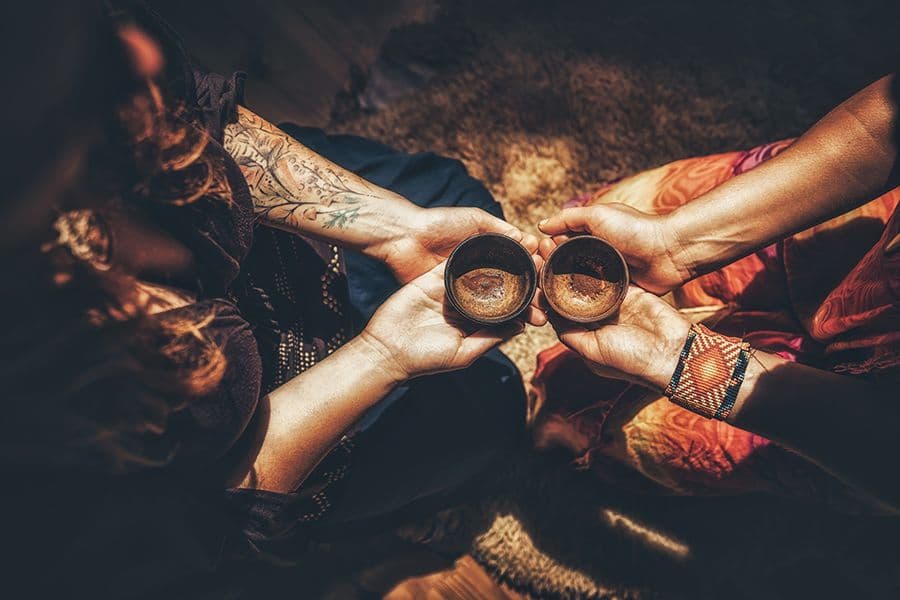
Ayahuasca is a plant-based decoction that has attracted scientific interest and legal scrutiny in the United States. This article provides a factual overview of current research findings and the precise legal status under federal law.
In this article you will learn:
What preliminary research indicates about the brew's effects on brain activity and mood.
The federal legal classification of ayahuasca and the narrow religious exceptions that exist.
This overview is grounded in peer-reviewed literature, legal documentation, and documented risks.
Understanding the Ayahuasca Brew: Botany and Amazonian Tradition
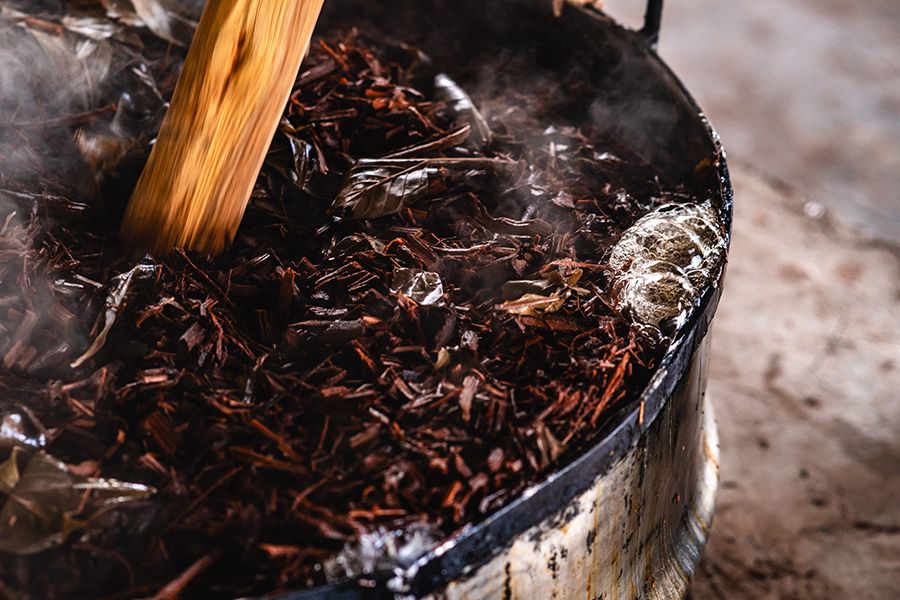
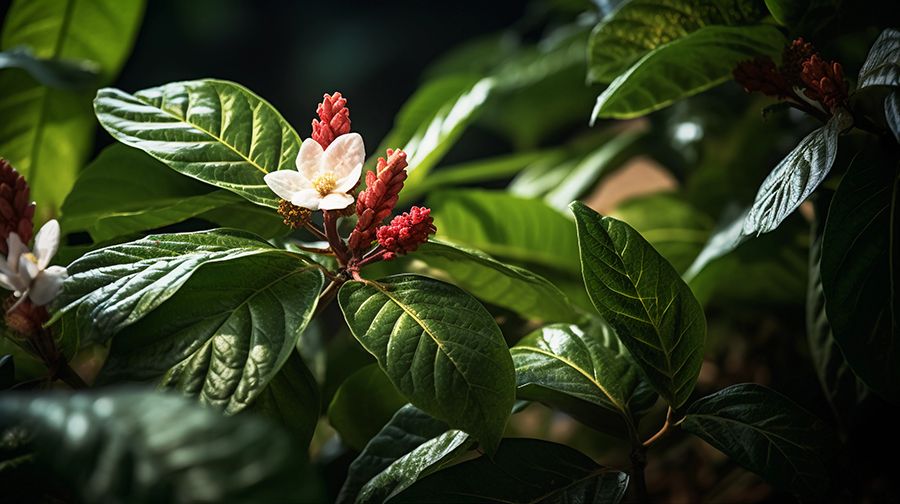
Ayahuasca is a decoction of two Amazonian plants: the Banisteriopsis caapi vine and the leaves of Psychotria viridis. Its effects rely on a precise biochemical synergy.
The vine supplies monoamine oxidase inhibitors (MAOIs). These compounds temporarily deactivate stomach enzymes, allowing the DMT from the leaves to enter the bloodstream.
In Amazonian traditions, this brew holds cultural and spiritual significance with deep historical roots in the region. This context frames the brew as a cultural practice distinct from laboratory compounds and not a standardized pharmaceutical product.
What the Research Actually Shows: Preliminary Findings and Study Limitations
Early clinical trials on ayahuasca remain small, often uncontrolled, and rarely double blinded. Most peer reviewed literature comes from observational studies and case reports, not large randomized trials.
Researchers are examining short term changes in brain activity, particularly in networks linked to emotional processing and neuroplasticity. Early trials suggest possible effects on mood and self reflection, but samples are usually under 50 participants.
The brew's variable plant composition makes dosing and replication difficult. Many studies occur in ceremonial settings, introducing ritual and social confounds that are hard to separate from the substance itself.
Some research has explored potential relevance for treatment resistant depression, anxiety, and substance use disorders. Findings are mixed and considered preliminary at best. No major medical body recommends ayahuasca as a treatment.
Peer reviewed literature describes interesting signals, not established conclusions. Larger, controlled, and longer term studies are needed before any clinical claims can be made.
Where US Law Stands: Schedule I Status and Religious Exceptions
Under the Controlled Substances Act, ayahuasca is a Schedule I substance. The DEA considers it to have a high potential for abuse and no accepted medical use. This classification makes it federally illegal to manufacture, distribute, or possess.
Two Supreme Court rulings created narrow exceptions. The Religious Freedom Restoration Act protects the ceremonial use of ayahuasca for specific groups like the União do Vegetal (UDV) and Santo Daime. These are court-recognized religious contexts only, not general permissions.
For everyone outside these specific groups, the federal prohibition stands. International legality varies considerably. No legal protection exists for US residents under federal law.
Physical Risks and Contraindications: Who Should Not Consider It
Ayahuasca's MAO inhibitors create a direct, dangerous interaction with selective serotonin reuptake inhibitors (SSRIs), SNRIs, and many other antidepressants. This combination can trigger serotonin syndrome, a potentially fatal reaction.
Cardiovascular risks include hypertensive crises. Anyone with a history of heart conditions, high blood pressure, or stroke is not a suitable candidate. Psychiatric contraindications are equally firm. A personal or family history of schizophrenia, bipolar disorder, or psychosis significantly increases the risk of a severe adverse event.
Unregulated settings lack proper medical screening and emergency protocols, documented in case reports of physical harm. The absence of oversight amplifies every pre-existing risk. Those with underlying conditions should seek qualified clinical support and explore non-substance-based practices instead.
Wellness Essentials
Loading shop products...
Frequently Asked Questions
Get More Wellness Inspiration
Join our community of seekers. Bi-weekly dispatches on holistic science, sustainable living, and hidden wellness gems.
Leila Stanton
Editorial strategist and culture writer covering modern rituals, recovery habits, and the way wellness shapes fashion, travel, and lifestyle stories.