

Mother-Daughter Retreats: How to Choose a Restorative Trip That Fits Both of You

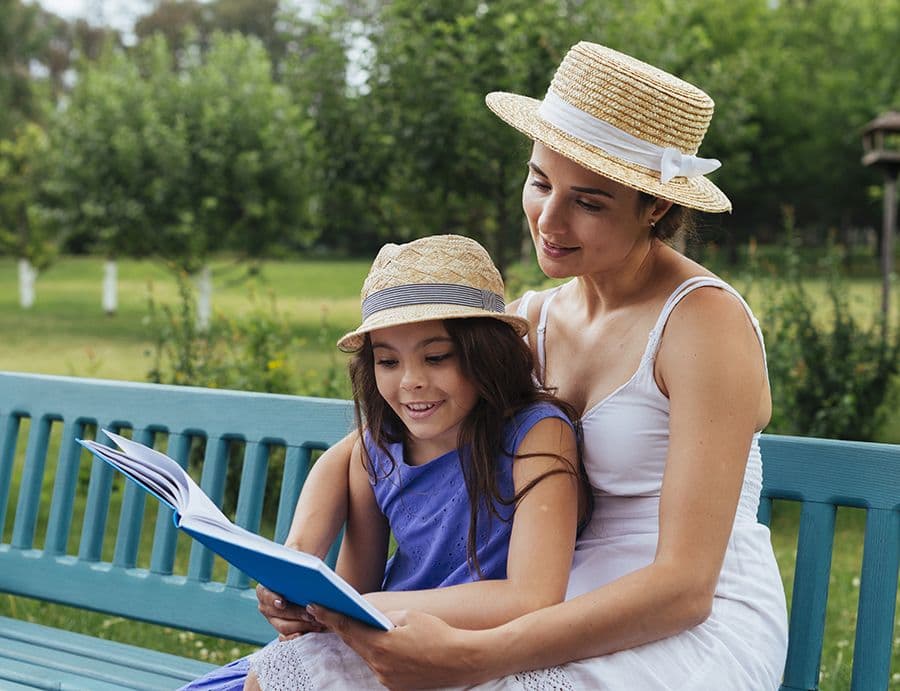
There is a line of women behind the two of you, and you are the part of it that is still awake. What moves along that line is not objects. It is the way a woman learns to stand in the world, and it only passes from one to the next when they are truly in the same room. A holiday gives you photographs. A retreat gives you each other. No house to run, nobody to look after, nothing to organise, and neither of you in the role you usually arrive wearing. A few days where you meet as two women rather than as mother and daughter. That is not a trip. It is the best thing you will do for each other this year.
Find Your Retreat Match in 40 Seconds
Four quick questions, no wrong answers.
Match your answers to the styles below to explore and reserve your retreat style.
Planning Your Reconnection: 5 Essential Questions for Mothers and Adult Daughters
Before you book, pause. The difference between a generic getaway and intentional shared time often comes down to how honestly you answer a few quiet questions.
First, ask whether you are seeking a structured program or simply shared time. Retreats designed for bonding create intentional containers. A wellness trip with spa treatments may feel restorative, but it offers a different pace than an active or creative format.
Second, check your emotional availability. If one of you is carrying fresh stress or grief, a high-intensity workshop may feel demanding. A softer environment that values rest as connection can serve as a comfortable option instead.
Third, commit to turning off phones. Uninterrupted presence is the only way to see how you actually interact. Notifications will keep the relationship at surface level.
Fourth, name the topics you want to explore. Which conversations tend to loop? Which silences feel heavy? Naming them before you arrive lets you approach the retreat with curiosity rather than defensiveness.
Finally, define what success looks like. Is it a single good talk? Shared laughter after a long gap? Clarifying that together turns the retreat into adult bonding with purpose.
Comparing 4 Restorative Retreat Styles for Your Shared Journey
Spa and Rest: The Luxury Reset
Best for: pairs seeking massage, thermal circuits, and quiet restoration.
Realistic limitation: deep talk often gives way to silence; bonding is passive.
Accessibility/Pace consideration: low physical demand. Works well for older mothers or a slower pace.
Movement and Nature: The Active Grounding
Best for: pairs who connect outdoors. Shared exertion and unscripted conversation.
Realistic limitation: weather and terrain can surprise those expecting spa comfort.
Accessibility/Pace consideration: moderate fitness needed; check route difficulty and altitude before booking.
Creative Learning: The Shared Workshop
Best for: curious pairs drawn to pottery, cooking, or floral design. Making something together softens old roles.
Realistic limitation: structured sessions leave less free time; some find it feels like school.
Accessibility/Pace consideration: low physical intensity, high mental stimulation. Ideal for pairs wanting a project.
Mindfulness and Wellbeing: The Energetic Shift
Best for: mothers and daughters open to breathwork, meditation, and inner reflection.
Realistic limitation: emotional depth can catch one person off guard. A reluctant partner may feel pressured.
Accessibility/Pace consideration: often silent periods or minimal talking. Best for pairs at ease with their own thoughts.
What to Pack: Six Things You Will Bring Home Together
The venue will send a list for the practical side. These six are for the part nobody lists: what is still on your shelf in ten years. Two of them are cameras that are not your phone, so phones stay in the drawer.
1. For the prints on the fridge: Instax Mini 12 with 40 shots
Your phone holds thousands of photos nobody opens again. An instant print lands in your hands, you choose together which ones to keep, and it ends up on her fridge door. It comes with 40 shots, so you never ration the good moments.

2. For the surprise weeks later: Kodak FunSaver (pack of 2)
One camera each, and a promise not to show each other a single shot. You only see the trip through each other's eyes when the prints come back, and opening that envelope together is the moment the retreat starts again at home.

3. For the stories you never asked for: TALES Women's Edition
A deck of 150 conversation cards for the evenings when you have time but not the words. The card does the asking, so neither of you has to, and the stories that never came up at the family table finally come out over dinner.

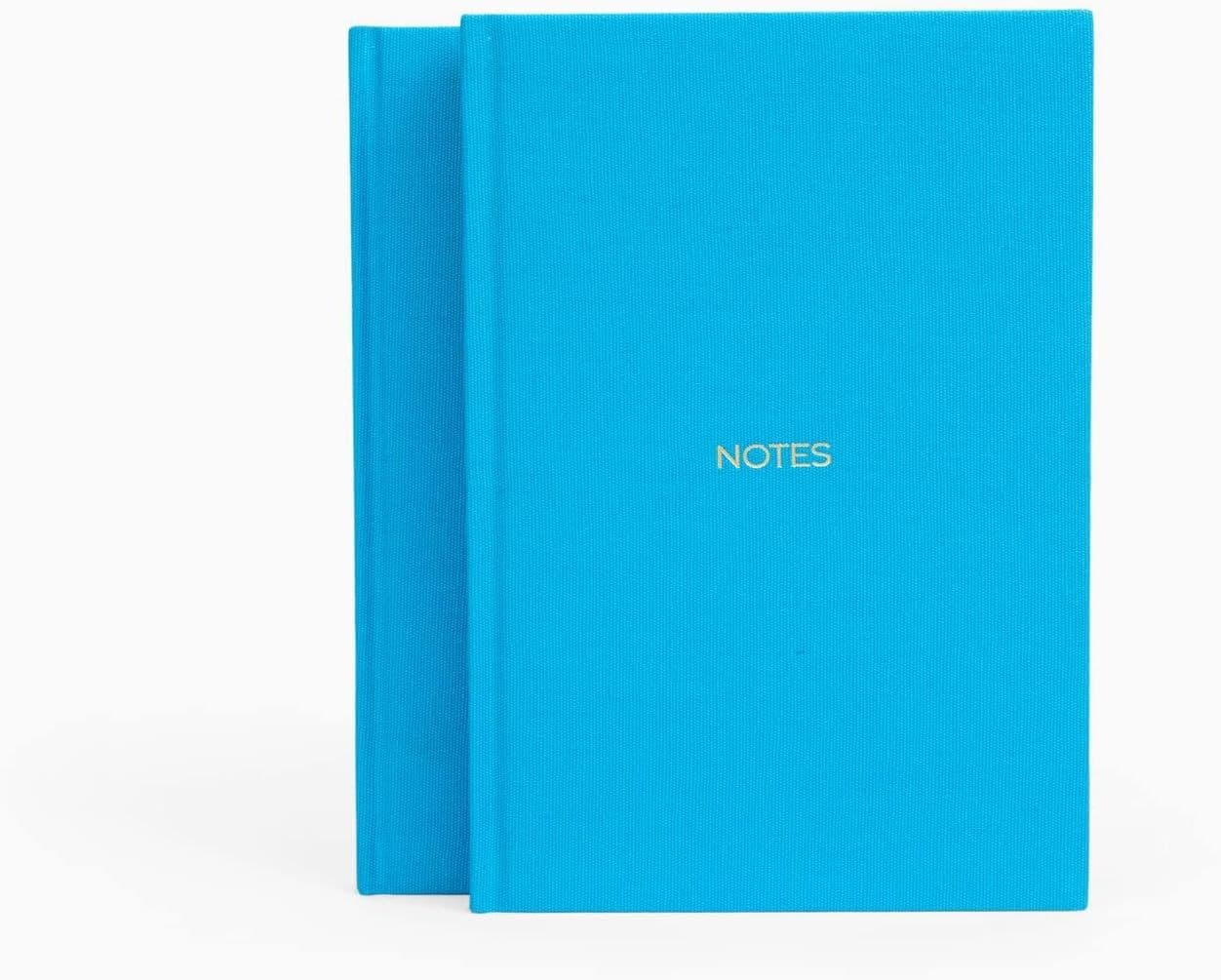
4. For the record of that week: Matching linen notebooks (pack of 2)
Same linen cover, one each. Write on your own during the retreat, then read one page aloud to each other on the last night. Years from now, those two notebooks side by side hold that week in both your handwriting.
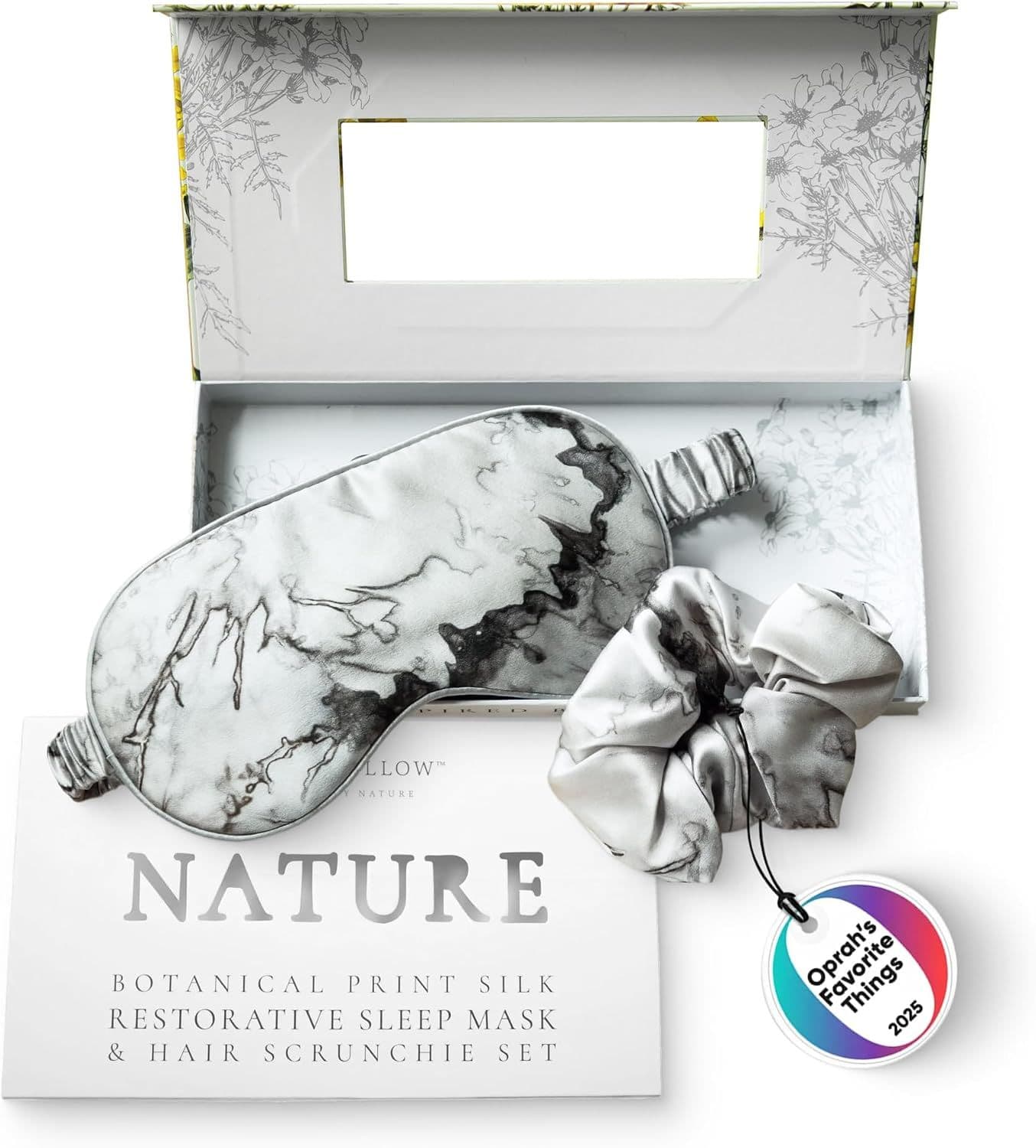
5. The gift for the first night: Silk & Willow silk eye mask and scrunchie
Give it to her when you unpack. Sharing a room means different bedtimes and early light, and the silk mask lets one of you rest while the other reads. Back home, every time the scrunchie goes on, it brings that room back.
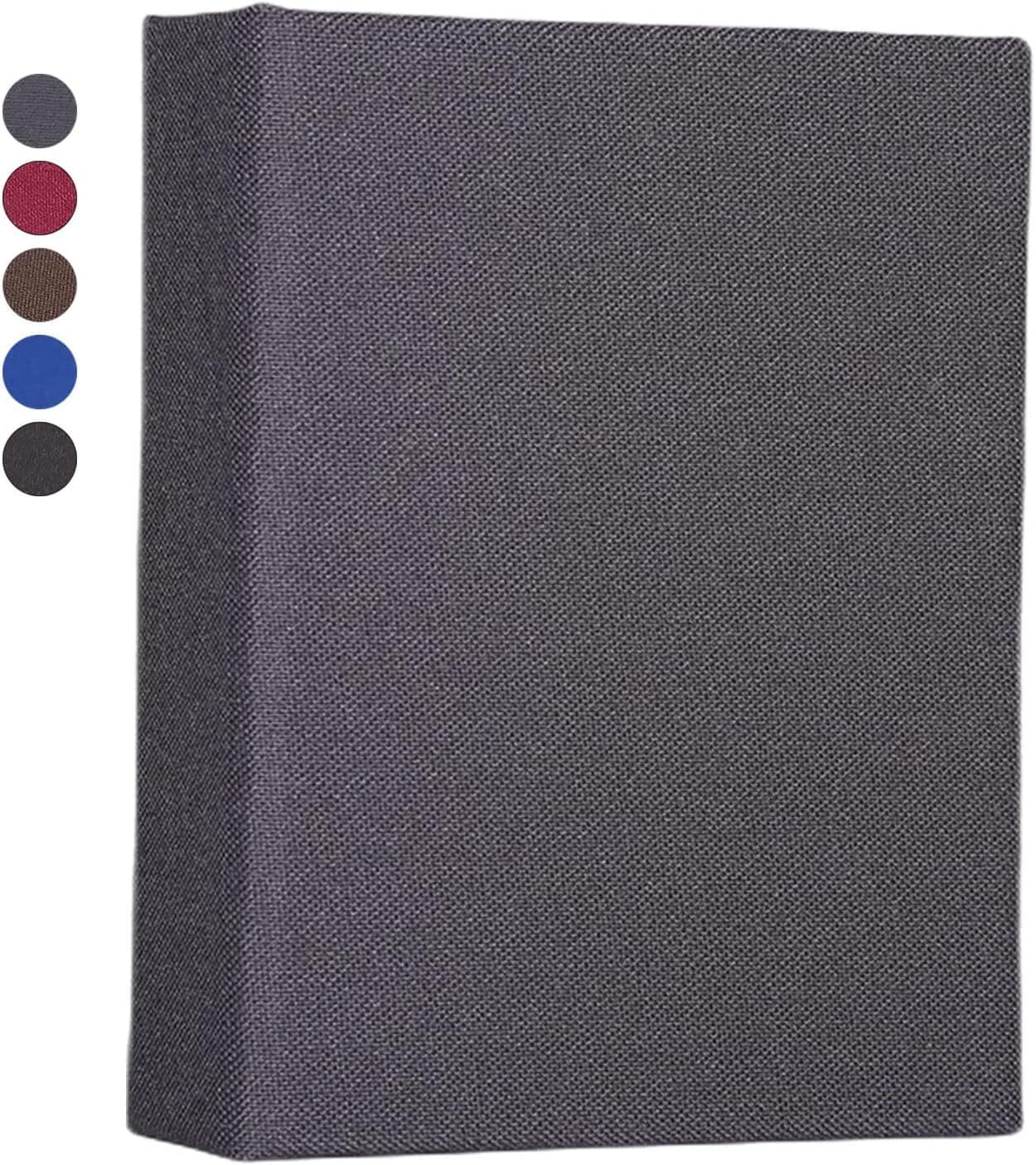
6. For the Sunday after: Linen photo album
On the first Sunday back, spread out the instant prints and the disposable ones and fill this album together. It is the one souvenir you make side by side, and the one you will both still be opening years from now.
This guide includes affiliate links. If you buy through them, Holisteek may earn a small commission at no extra cost to you.
Essential Packing List for Shared Retreats
Packing intentionally protects your shared experience from unnecessary stress and physical distraction.
Comfortable breathable layers: Bring soft natural fabrics for restorative sessions, casual lounge dinners, and fluctuating indoor temperatures.
Two pairs of broken-in footwear: Pack supportive walking shoes for outdoor trails alongside slip-on sandals for wellness circuits.
Personal journal and pen: Dedicate an unlined notebook for individual reflection, shared memories, or quiet morning thoughts.
Reusable insulated water bottle: Maintain steady hydration throughout thermal baths, gentle movement, or warm midday workshops.
Unscented sun protection and skin balm: Keep skin nourished and comfortable across varying climates and outdoor excursions.
Dedicated tech lockbox or offline pouch: Store smartphones away during daytime sessions to protect mutual presence and avoid habit loops.
Understanding Retreat Formats and Planning Basics
Retreat formats vary widely in structure and duration. Short-format experiences span 24 hours, while multi-day immersions can last four to seven days. Most packages are all-inclusive, covering meals, sessions, and lodging; airfare is rarely included.
The environment shapes the sensory tone. Choose a setting that feels restorative for both of you. Group retreats foster community but may deliver only a temporary lift. One-on-one formats tend to cost more yet often include a preliminary alignment call and a structured after-care plan, which many credit for lasting continuity.
This intentional follow-through helps avoid the 'bubble effect' where insights fade once you return home. Planning considerations include fitness level, schedule flexibility, and whether you prefer guided structure or open time together.
Beyond the Surface: Addressing Relationship Dynamics and Personal Growth
It only works if you both want it. If one of you is being brought along, pick one of the three above instead. In many mother-daughter relationships, pressure creates resentment or silent expectations. Both parties usually contribute to that friction.
Many retreats invite participants to notice their own reactions instead of waiting for the other person to change. That self-knowledge can reveal relational patterns each woman unknowingly repeats from her own history. These patterns often feel automatic, yet they shape most interactions.
Setting boundaries becomes part of individual growth, not a rejection of closeness. Shared time can support reflection and clarity. Still, a wellness retreat is not a substitute for qualified clinical support for trauma or serious psychological concerns.
If deeper psychological work is needed, a licensed therapist remains the safer path. Retreats may support reflection, but they do not treat clinical conditions. The distinction matters because specialized care requires specific training. Your relationship deserves both.
A retreat can open the door to self-knowledge, but personal growth continues long after checkout. The goal is not to fix each other, but to see each other more clearly. That clarity can change the whole relationship.
The Intentional Traveler's 4-Step Planning Checklist
Find a retreat that fits and commit to it. Use these four steps to move from browsing to booking without losing the intention.
Align on the shared goal.
Decide together whether you need high activity, deep rest, or structured creative work. A 24-hour local experience creates a different pace than a 4-day retreat.
Confirm the room setup and pricing model.
Many retreats price per person in shared rooms with strangers. You want a room together, and you probably want two beds rather than one. Send this exact question before you fall in love with the photos: "Can we share a room, and is there a twin option?"
Review the program intensity.
Some retreats schedule 5-6 hours of daily sessions. Verify the balance between guided work and free time to avoid burnout before you reconnect.
Plan post-retreat integration.
Discuss how you will carry the experience home. A simple weekly check-in or a shared playlist can keep the connection alive after the phones turn back on.
Each step protects the intention that made you start searching. Browse available retreat options such as spa and massage retreats, explore gentle restorative yoga, join hands-on cooking retreats, or book specialized mother-daughter retreats to find a space that matches your pace.
Here are a few common questions to guide your planning.
Common Questions About Mother-Daughter Wellness Retreats
Frequently Asked Questions
Discover the space where your relationship can breathe. Explore retreat options to find the path that honors both of your journeys.
Get More Wellness Inspiration
Join our community of seekers. Bi-weekly dispatches on holistic science, sustainable living, and hidden wellness gems.

Sol Chocano
is a yoga and somatic movement teacher, wellness entrepreneur, and founder of Holisteek. Born and raised in Peru, she helps people cultivate wellbeing, balance, and connection.
Related Articles
The Ultimate Guide to Yoga Retreats in 2026

Best Retreats in Sedona for Healing, Spirituality and Relaxation

Best Wellness Retreats for Women: Yes, There's a Difference
Best Yoga Retreats Around the World
How to Choose the Best Meditation Retreat in the US (2026 Guide)

How to Choose the Best Wellness Retreat in the US (2026 Guide)
How to Choose the Right Couples Retreat in the US (2026 Guide)

How to Choose the Right Women’s Wellness Retreat in the USA (2026 Guide)
What to Expect from a Vipassana Meditation Retreat
