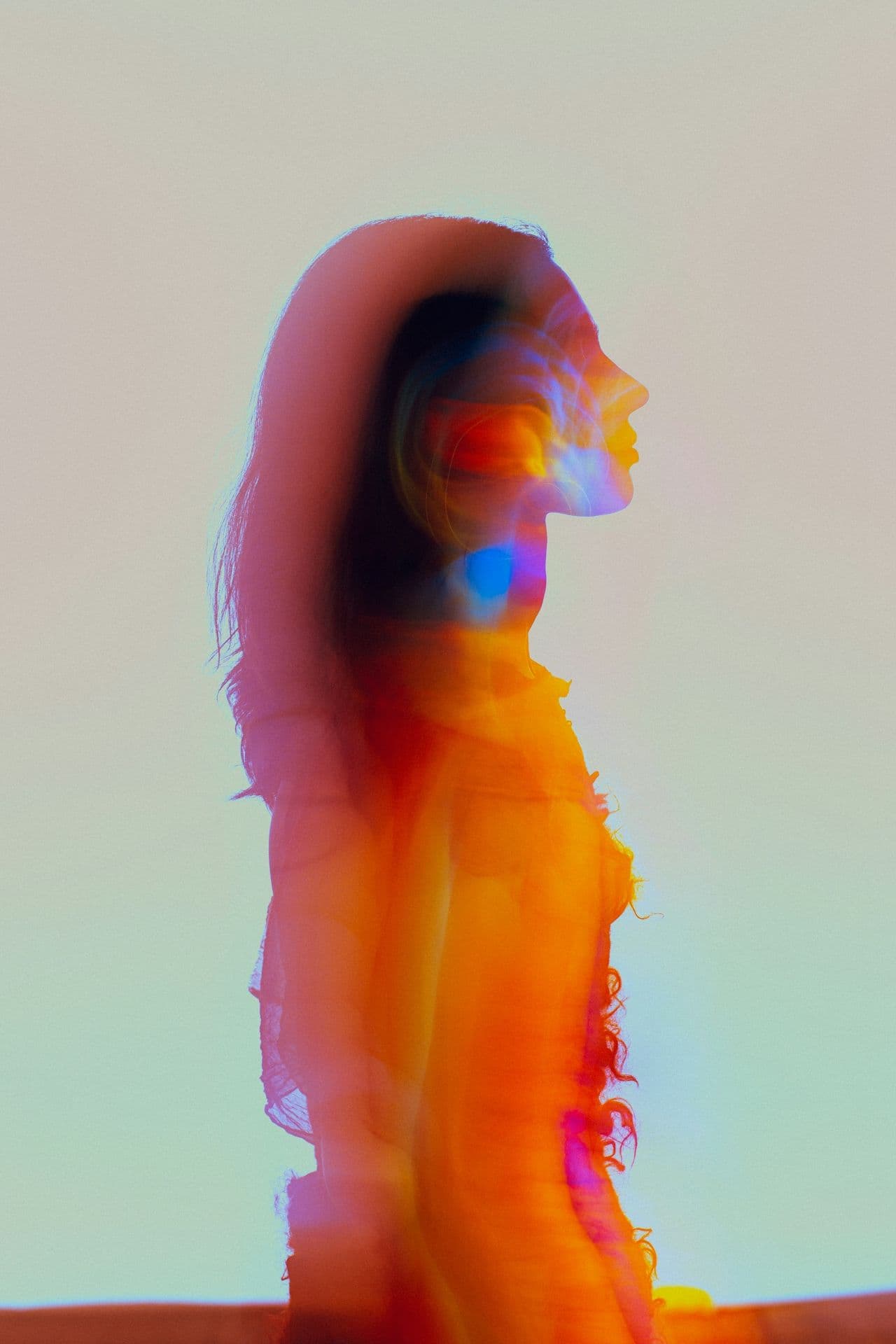
Reiki
Reiki is an energy-based practice that originated in Japan in the early 20th century and was developed by Mikao Usui. The word Reiki comes from two Japanese terms: Rei (universal) and Ki (life energy). The practice is based on the idea that a subtle life force flows through all living beings and that balance in this energy is associated with physical, emotional, and mental well-being.
How Reiki Works
During a Reiki session, a trained practitioner places their hands lightly on or just above the body in specific positions. The practitioner does not manipulate muscles or tissues; instead, they act as a conduit for energy, allowing the session to focus on relaxation and energetic balance. Sessions are typically performed fully clothed and in a calm, quiet environment.
Reiki is commonly associated with the body’s energy centers, often referred to as chakras, as well as the overall energetic field. The session follows a structured yet gentle approach, allowing the recipient to enter a deeply relaxed state.
What Reiki Is Commonly Explored For
Reiki is widely used for:
• Stress reduction and deep relaxation
• Emotional balance and calm
• Support during periods of physical or emotional strain
• Enhancing overall sense of well-being
• Promoting mindfulness and body awareness
Many people report feelings of warmth, calm, or mental clarity during or after sessions, although experiences vary from person to person.
Key Characteristics
• Non-invasive and gentle
• Hands-on or hands-off technique
• No manipulation of muscles or joints
• Performed fully clothed
• Focuses on relaxation and energetic awareness
Reiki and Modern Use
Reiki is practiced worldwide and is often offered in wellness centers, private practices, and, in some countries, alongside conventional care settings for relaxation support. It does not involve diagnosis or medical treatment and is generally approached as a relaxation-focused practice rather than a replacement for medical care.