

Wellness Retreats for Women Over 50: How to Compare Styles, Settings, and Practicalities

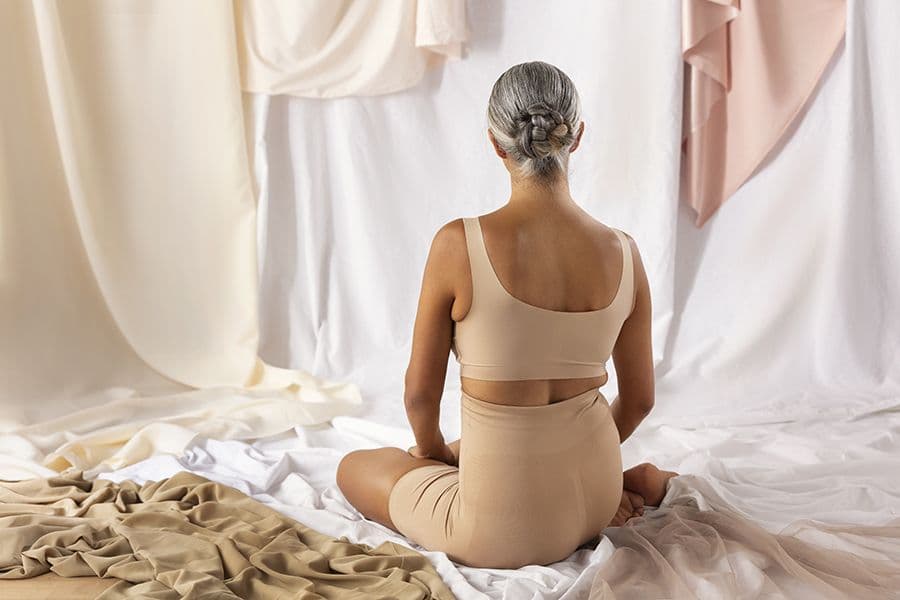
There are really only four kinds of wellness retreat. One where you rest, one where you move gently, one where you walk, and one where you make something. Pick the one that sounds like a week you would actually enjoy. Then pack five things. That is the whole decision.
| Retreat Style | Primary Focus |
|---|---|
| Spa and Restoration | Deep thermal rest and massage |
| Gentle Movement | Joint-friendly restorative yoga |
| Nature and Walking | Moderate daily trail immersion |
| Creative and Learning | Seated writing and mindful art |
Disclosure: Some links on this page are affiliate links. Holisteek may earn a commission if you make a booking or purchase through these links, at no extra cost to you.
Five Essentials for Any Retreat
Packing properly avoids unnecessary friction so you can focus entirely on your daily rhythm and restorative rest.
Natural Fiber Travel Wrap: A soft, breathable layer provides warmth during meditation or drafty travel spaces without uncomfortable synthetic overheating.
Contoured Sleep Mask: Total darkness supports melatonin production and protects restful sleep in unfamiliar rooms with unpredictable window coverings.
Insulated Stainless Steel Bottle: Maintaining hot tea or cold water nearby keeps daily hydration effortless across studio floors and grounds.
High-Traction Grip Socks: Gripped soles offer foot hygiene and steady balance on studio hardwood floors without hauling bulky shoes.
Unscented Magnesium Body Cream: Massaging restorative magnesium cream into tired joints before bed helps soothe travel stiffness overnight.
Comparing Four Retreat Formats
Wellness retreats vary widely in their focus and daily rhythm. The four formats below represent common structures you will encounter. Each has a typical pace, specific planning considerations, and practical limitations worth understanding before you commit.
1. Spa and Restoration: The One Where You Rest
A typical day: A massage or a treatment, time in the water, long meals, a nap, and most of the hours spent sitting or lying down.
Suits you if: You are tired in a way that normal sleep has not fixed, and the thought of a packed schedule makes you want to lie down.
The downside: You may not meet anyone, because rest retreats are quiet and solitary by design.
Explore Spa and Massage Retreats
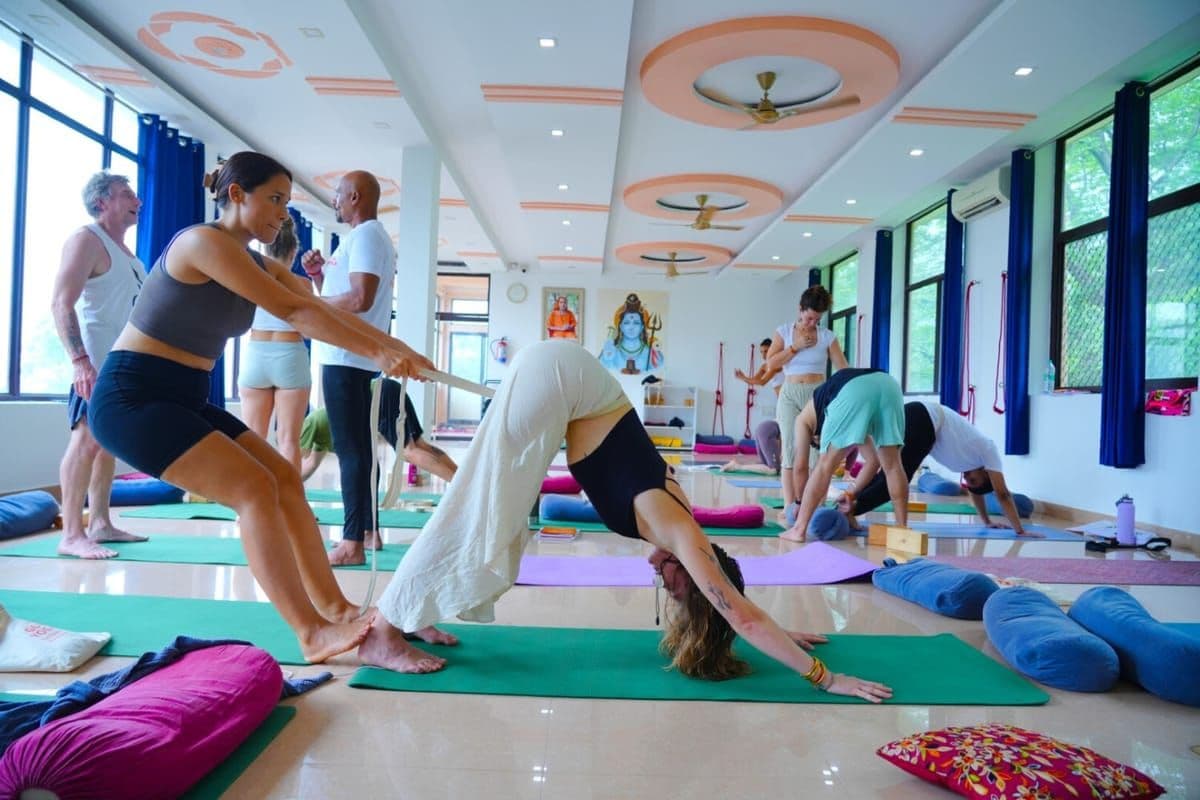
2. Yoga or Movement: The One Where You Move Gently
A typical day: Slow morning stretches, breath-led floor sessions with bolsters and blankets, nourishing lunches, and late afternoons of gentle restorative mobility.
Suits you if: You want to ease stiffness and wake up your body in a calm room without anyone judging your flexibility.
The downside: You still have to get up and down from the floor multiple times a day unless the retreat offers chair adaptations.
Explore Restorative Yoga Retreats
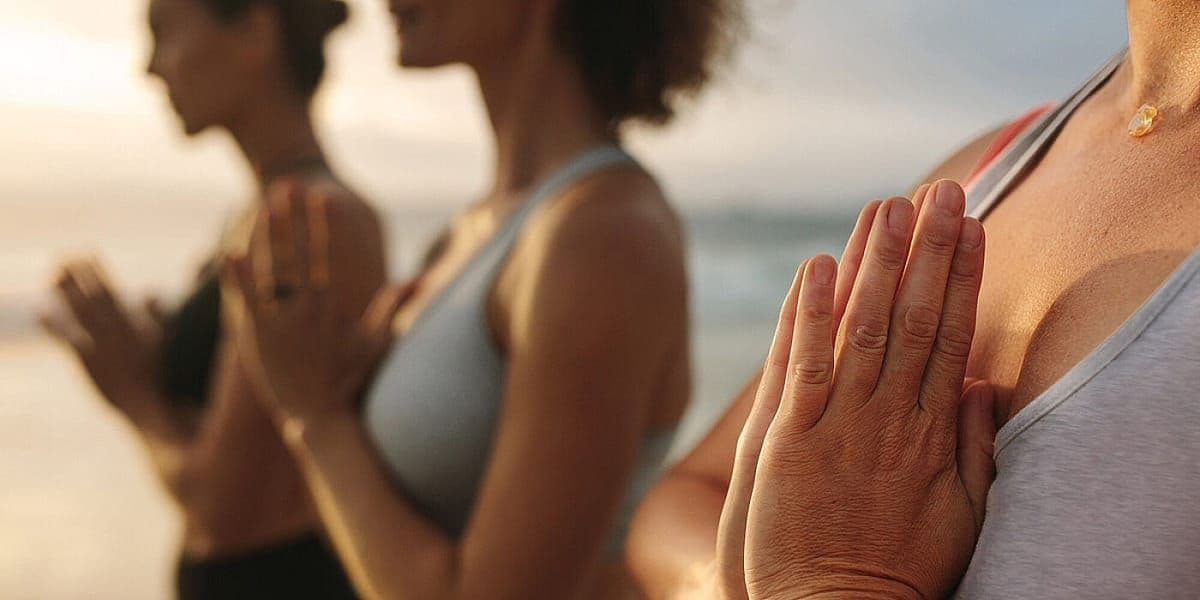
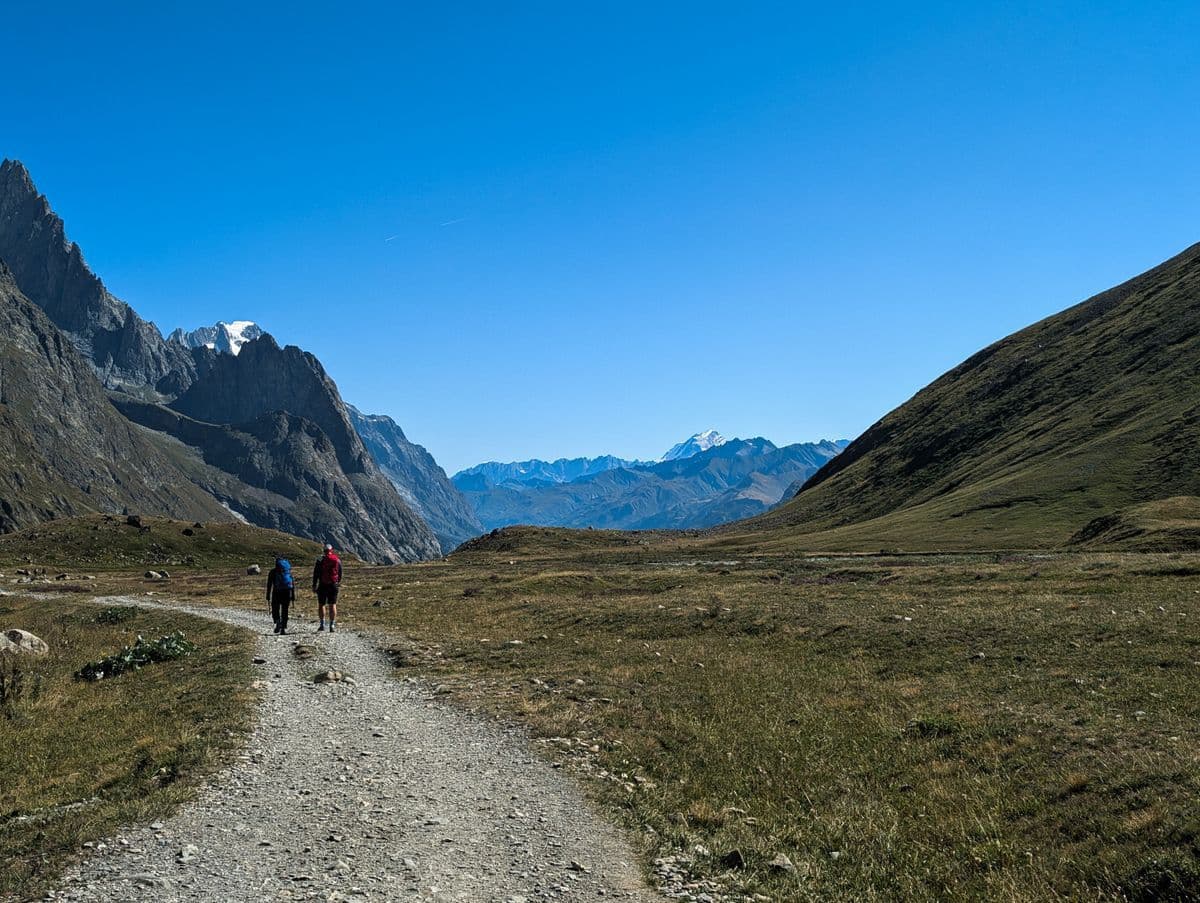
3. Nature and Walking: The One Where You Walk
A typical day: An early morning trail walk of two to four miles, a scenic outdoor lunch, quiet afternoons to read, and early bedtimes.
Suits you if: Fresh air and daily steps clear your mind faster than sitting indoors, and you love being outdoors in quiet landscapes.
The downside: Bad weather can disrupt the daily schedule, and rocky or uneven trails can strain delicate ankles or knees.
Explore Hiking and Walking Retreats
4. Learning or Creative Retreats: The One Where You Make Something
A typical day: Morning hands-on writing or painting sessions, shared midday lunches with fellow guests, and afternoons dedicated to independent creative projects.
Suits you if: You want to spark your imagination, learn a tangible craft, and enjoy warm conversation around a shared table.
The downside: The group dynamic is central, leaving very little uninterrupted solitude if you need quiet hours to recharge.
Explore Writing and Creative Retreats
Essential Packing List for a Wellness Retreat
Packing for a retreat requires prioritizing comfort, ease of movement, and climate adaptation. Bringing the right essentials ensures you focus on rest rather than managing avoidable physical discomfort during your stay.
Layered, breathable clothing: Soft natural fibers and flexible layers help you adapt seamlessly between warm studios, cool outdoor paths, and air-conditioned dining halls.
Supportive footwear: Pack slip-on shoes for indoor transitions and sturdy, broken-in walking shoes or trail runners for grounds and excursions.
Personal sleep essentials: An eye mask, earplugs, and any specialized travel pillow support uninterrupted sleep in an unfamiliar room.
Hydration and day gear: An insulated reusable water bottle and a compact tote or small backpack keep your daily essentials close between sessions.
Health and self-care items: Bring your regular medications in original containers, joint balms, unscented lotion, and personal sun protection.
Practicalities for the Mature Traveler: Comfort, Access, and Safety
Comfort at this stage means more than a good mattress. It means ease of movement, accessible facilities, and a daily rhythm that respects your energy and rest needs.
Many retreats offer what facilitators call soft structure: a daily flow with clear invitations and optional activities, rather than rigid obligations. This approach allows you to participate fully or step back as your energy dictates.
Nutrition should feel nourishing and sustainable. Look for retreats that offer whole-food meals, plant-based options when requested, and realistic portion sizes.
When reading program descriptions, note the language used. Terms like 'restorative,' 'wellness,' and 'holistic' signal general wellbeing support, not medical treatment. If you have specific health concerns, consult your doctor before booking, and confirm directly with the retreat operator that they can accommodate your needs.
Safety also means proximity to healthcare and transparent communication. A legitimate retreat will tell you exactly where the nearest clinic or hospital is located and whether staff members have basic first-aid training. Ask about medical protocols and emergency procedures before you book.
This is not a clinical setting. It is a space for rest, exploration, and personal reflection. Confirm that the retreat prioritizes both comfort and practical safety measures.
The 4-Step Booking Checklist for a Confident Journey
Before you commit to a retreat, run through these four practical checks. They will help you match the experience to your pace and priorities, not the other way around. A confident booking comes from clarity, not impulse.
Verify the daily structure and facilitation approach.
Ask whether the retreat uses optional or mandatory activities, and how much free time is built into the schedule. Look for retreats that state their approach to group dynamics on the booking page. If the description only lists activities without mentioning how groups are held or how much flexibility exists, ask directly.
Confirm movement intensity and accessibility.
Be honest about your baseline mobility. Ask about chair options, walking distances, stairs, bathroom proximity, and whether you can modify any activity. Request a written accessibility summary if the website is vague.
Review the balance of structure versus free time.
A good retreat leaves room for spontaneity, naps, and quiet reflection. Reject rigid schedules that ignore your need for rest. Ask for a sample schedule and assess whether it feels sustainable for your energy level.
Audit the total cost.
Check for room type options, what meals and activities are included, and any additional fees such as airport transfers or optional sessions. Request a complete cost breakdown before booking so there are no surprises.
Frequently Asked Questions About Wellness Retreats
Planning Your Next Retreat Experience
Selecting the right setting comes down to matching the daily schedule to your true physical and energy needs. Take time to evaluate facilitator training, ground accessibility, and cancellation policies before making a reservation.
Ready to discover retreats tailored to your pace? Explore curated options for a short reset with weekend retreats, connect in community on dedicated ladies retreats, or nurture your creativity with focused artist retreats.
Get More Wellness Inspiration
Join our community of seekers. Bi-weekly dispatches on holistic science, sustainable living, and hidden wellness gems.

Sol Chocano
is a yoga and somatic movement teacher, wellness entrepreneur, and founder of Holisteek. Born and raised in Peru, she helps people cultivate wellbeing, balance, and connection.
Related Articles
The Ultimate Guide to Yoga Retreats in 2026

Best Retreats in Sedona for Healing, Spirituality and Relaxation

Best Wellness Retreats for Women: Yes, There's a Difference
Best Yoga Retreats Around the World
How to Choose the Best Meditation Retreat in the US (2026 Guide)

How to Choose the Best Wellness Retreat in the US (2026 Guide)
How to Choose the Right Couples Retreat in the US (2026 Guide)

How to Choose the Right Women’s Wellness Retreat in the USA (2026 Guide)
What to Expect from a Vipassana Meditation Retreat
