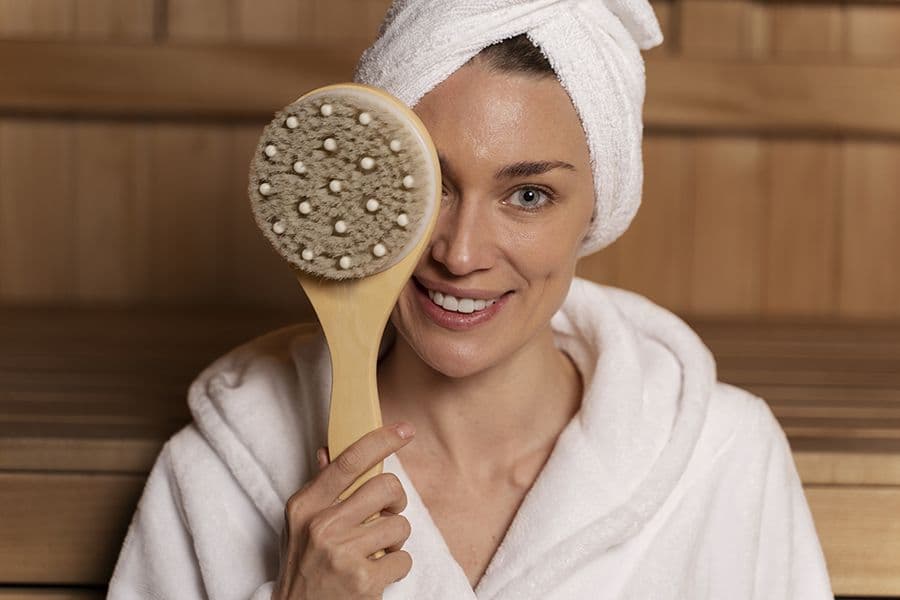
If Your Face Feels Tight After Exfoliating, You're Using the Wrong One: The Best Natural Face Exfoliators

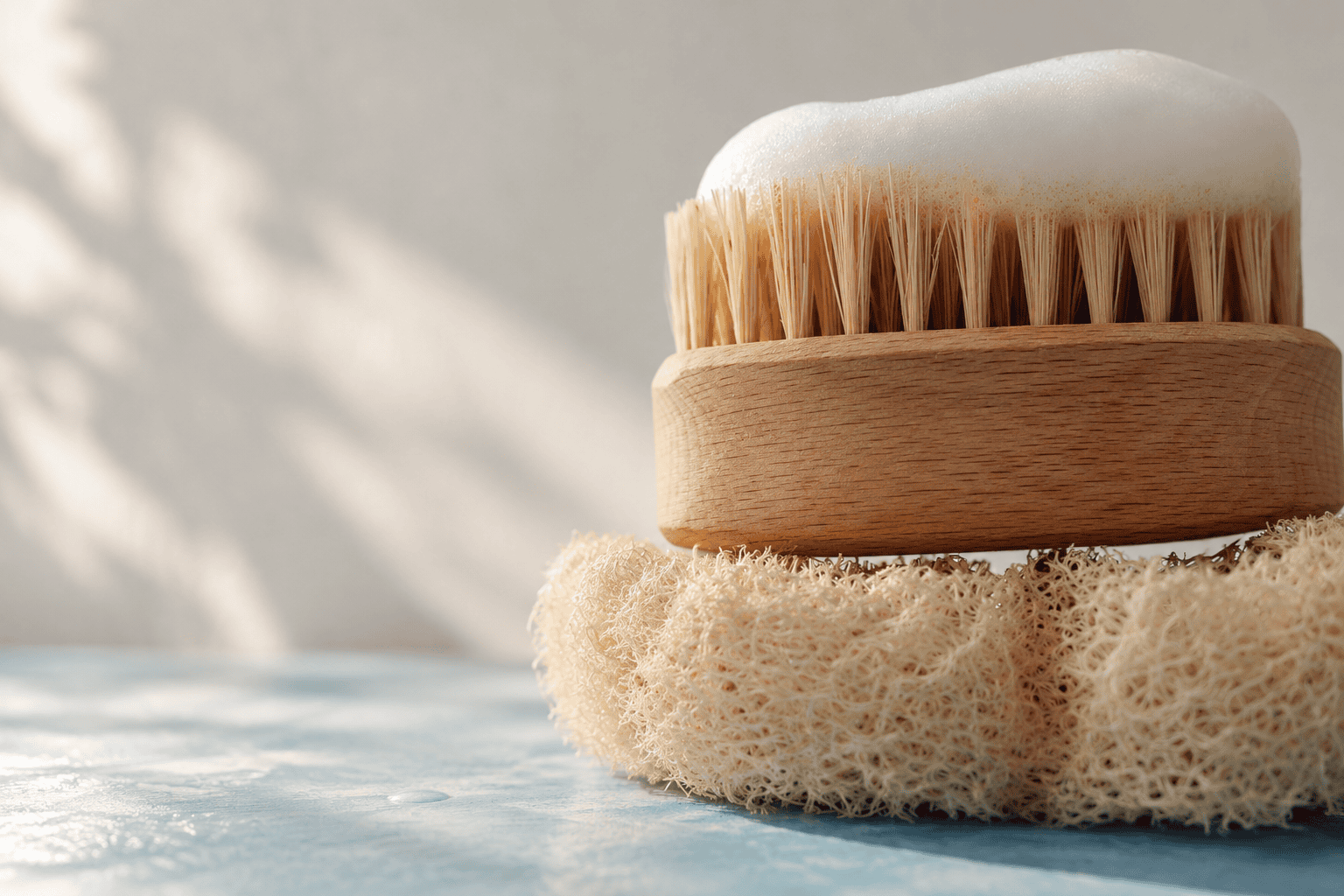
If your face feels tight after exfoliating, you are using the wrong one. That squeaky, stripped feeling is not proof it worked. It is your barrier telling you the grains were too coarse, the acid too strong, or the frequency too high.
The best natural face exfoliator is not one product. It is the formula matching your skin's tolerance and your goal. Physical scrubs, fruit enzymes, and natural AHAs each work differently, so the right match is essential.
Even a clean beauty face scrub can leave you tight when the grain is coarse. Our glossary explains why.
Start with the type that suits your skin, then adjust frequency as your barrier tells you.
This guide includes affiliate links. If you buy through them, Holisteek may earn a small commission at no extra cost to you.
The 3 Main Types of Natural Exfoliation
Natural exfoliation falls into three families, and each works on a different layer of skin. Oatmeal and rice powders sit at the gentler end of the physical category.
• Physical Exfoliation (By Friction)
Finely milled sugar, colloidal oatmeal, or rice powder gently lift dead cells through manual friction across the surface.
Delivers immediate surface smoothing, but coarse grains may stress a compromised skin barrier.
Takeaway: Best for instant texture improvement when your skin barrier is healthy and intact.
• Enzymatic Exfoliation (By Dissolving)
Fruit enzymes such as papaya and pineapple gently break down dead surface protein without mechanical rubbing.
These gentle wash-off treatments work evenly without mechanical wear or irritation.
Takeaway: The safest starting point for reactive, sensitive, or redness-prone complexions.
• Acid Exfoliation (By Loosening Bonds)
AHAs like lactic and glycolic acid are water-soluble, loosening bonds to brighten surface dullness. BHA from willow bark is oil-soluble, traveling into pores to dissolve trapped sebum.
Works on a deeper cellular level and continues acting after application.
Takeaway: If your problem is dullness, choose AHA; if your problem is pore congestion, reach for BHA.
Once your skin has settled on one method for two weeks, pairing formats, such as a weekly enzyme mask alongside a twice-weekly leave-on acid, can smooth texture without daily scrubbing.
Skin Type Guide: Find Your Letter
Find your row and remember your letter.
| Skin Profile | Use This | Skip | How Often |
|---|---|---|---|
| A. Dry or Dehydrated | Lactic or mandelic acid serums, PHA, or hydrating honey pastes | Coarse physical scrubs and drying high-strength clays | 1 to 2 times weekly |
| B. Oily or Acne-Prone | Willow bark BHA, 1% to 2% salicylic acid | Heavy comedogenic oils and harsh manual friction | 2 to 3 times weekly |
| C. Sensitive or Reactive | Fruit enzymes only, no grit | All physical scrubs, fragrance, high acids | Every 10 to 14 days |
| D. Dull or Congested | AHA blends, gentle rice powder, fruit enzymes | Irregular routines and aggressive, jagged nut shells | 2 times weekly |
| E. Mature | Mild glycolic or lactic acid with barrier-supporting humectants | Abrasive physical scrubs and stripping alcohol bases | 1 to 2 times weekly |
Our Top Picks: Best Natural Face Exfoliators by Skin Goal
Six formulas cover every letter from A to E, from congestion to dullness.
1. Tata Harper Regenerating Cleanser
Skin letters: B, D
What's inside and why: Apricot microspheres for smooth physical polish, spherical rather than jagged. White willow bark, a natural BHA source, to clear pores. Pomegranate enzymes to dissolve buildup. Olive-derived liquid crystals to keep the barrier comfortable. Ecocert and COSMOS certified.
It combines all three exfoliation types in one step: friction, dissolving, and loosening bonds.
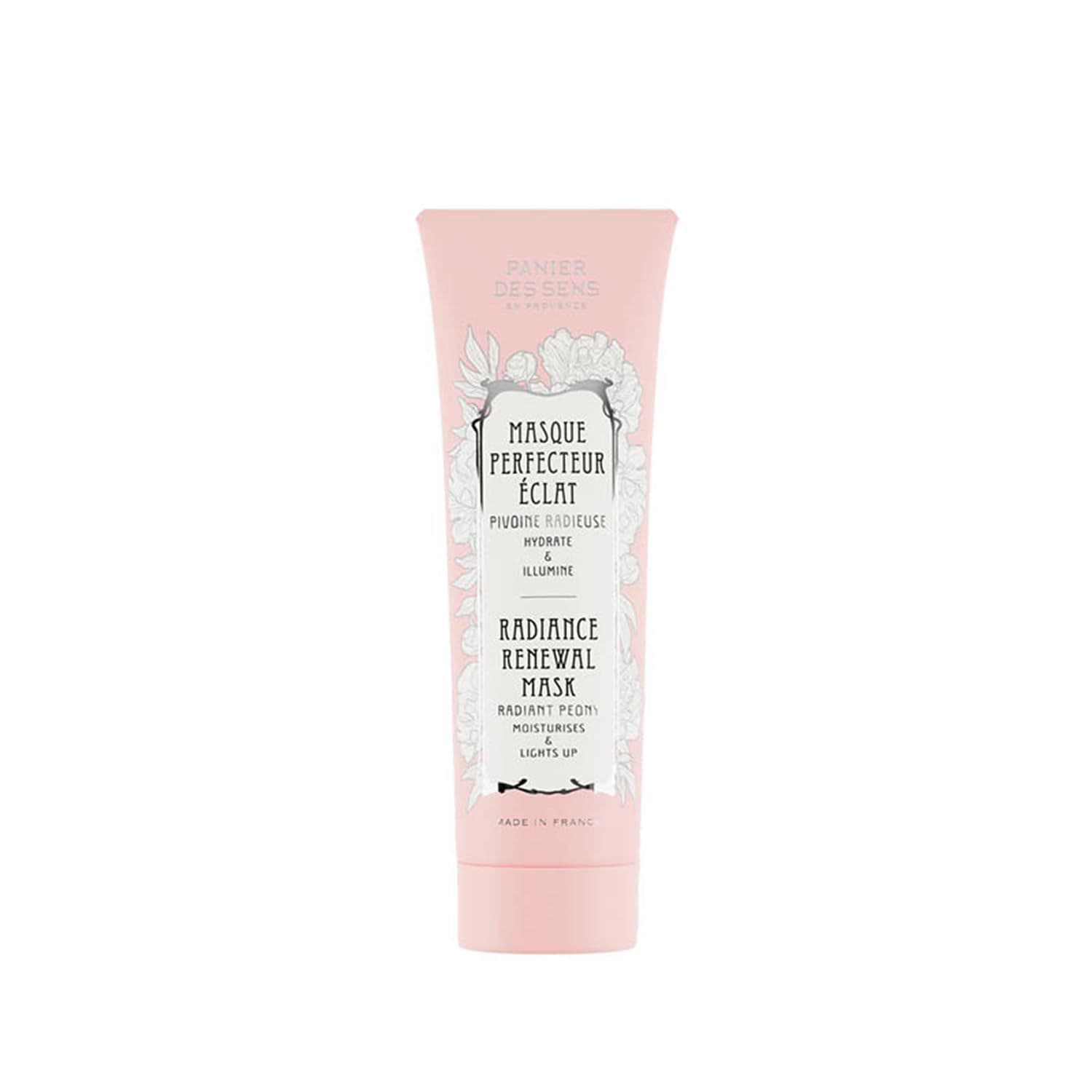
2. Tata Harper Refreshing Cleanser
Skin letters: C, D
What's inside and why: Enzymes only, no grit. It dissolves dead cells instead of scrubbing them, which is exactly what row C calls for.
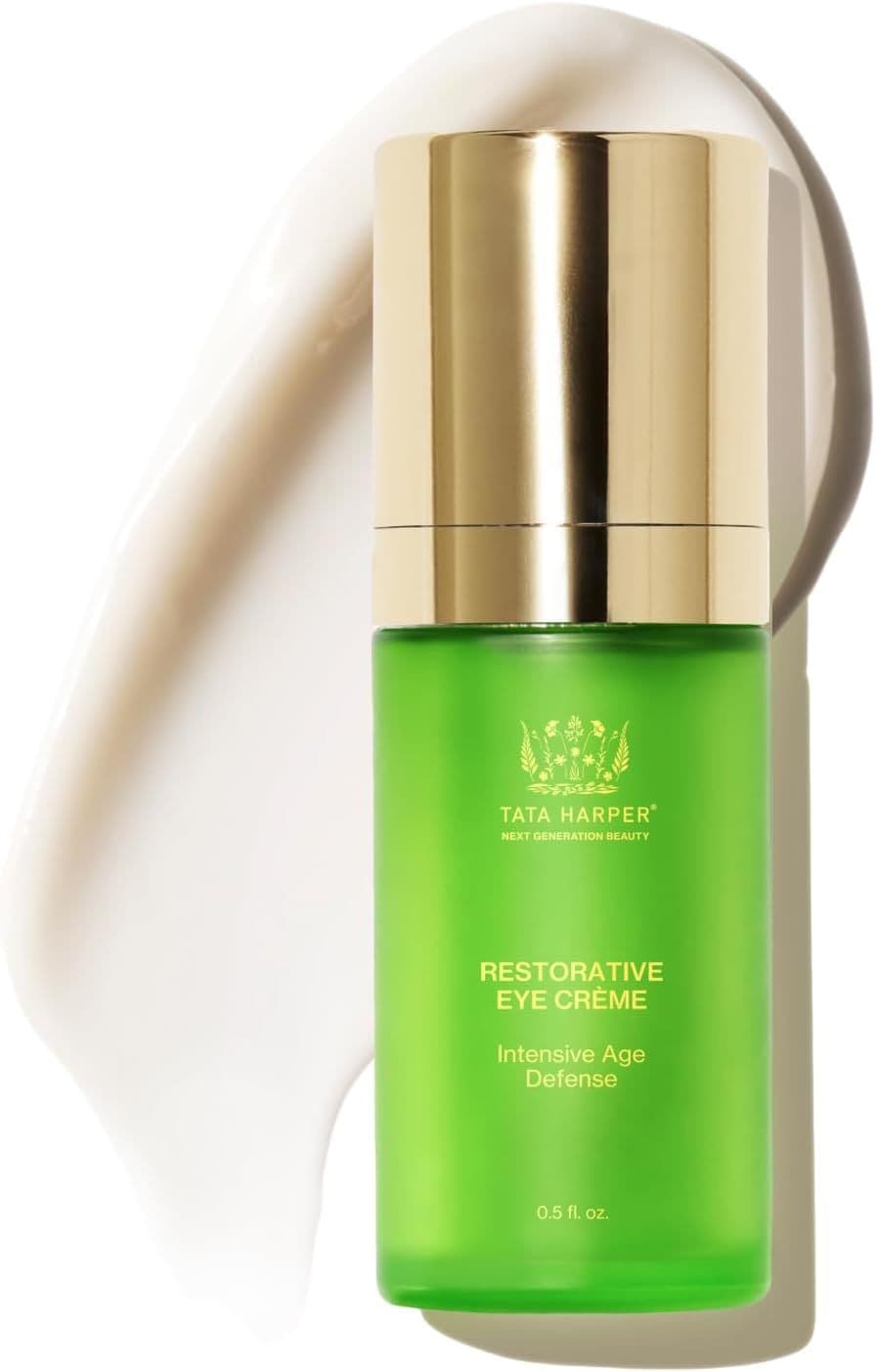
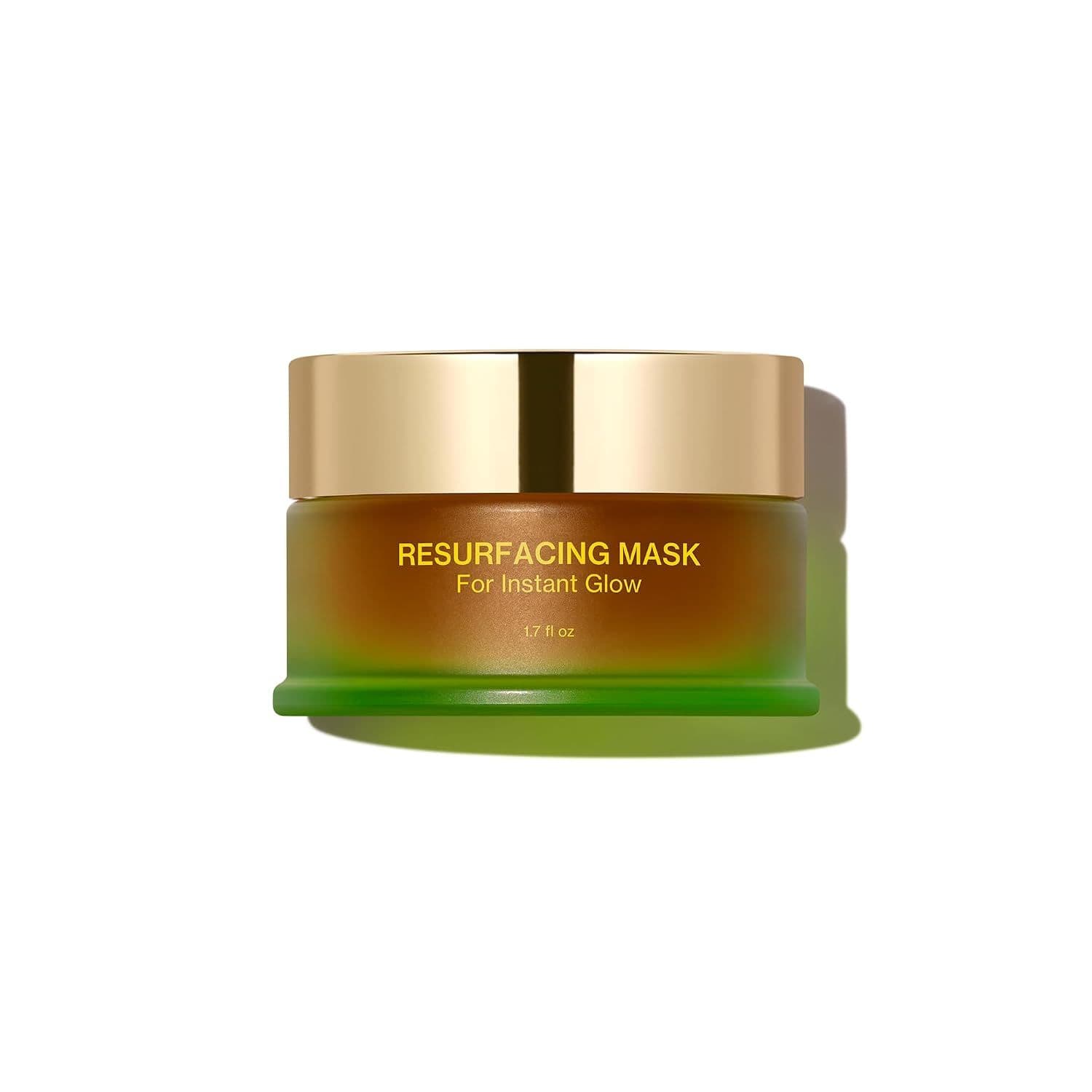
3. Tata Harper Resurfacing Mask
Skin letters: B, D
What's inside and why: A weekly BHA treatment. BHA is oil-soluble, so it dissolves sebum inside the pore instead of only buffing the surface.
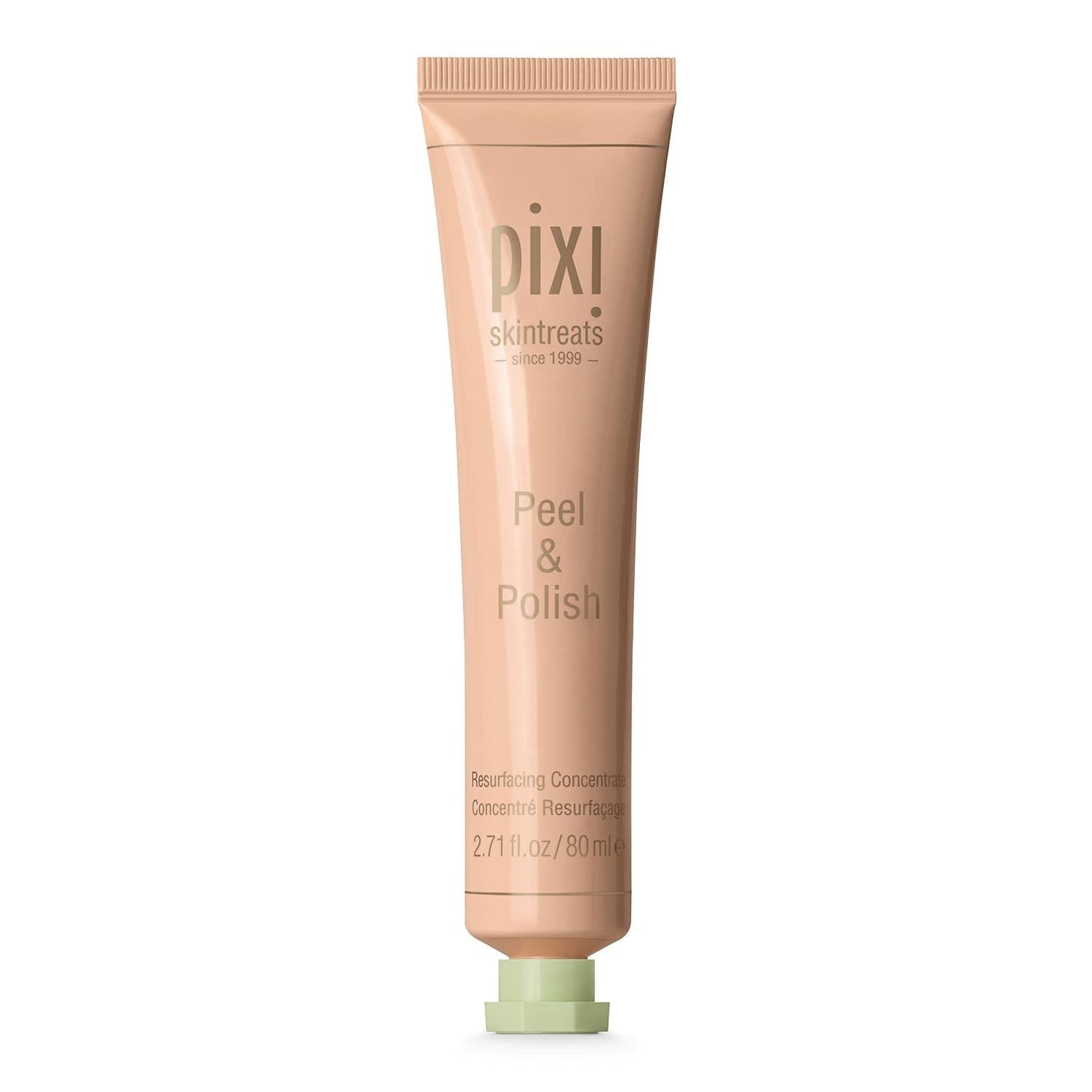
4. Pixi Peel and Polish
Skin letters: D
What's inside and why: A peel and a polish in one product, for dull texture that needs a quick refresh. Polishing means friction, so it is not a C pick. Rated 4.9 from 194 reviews.
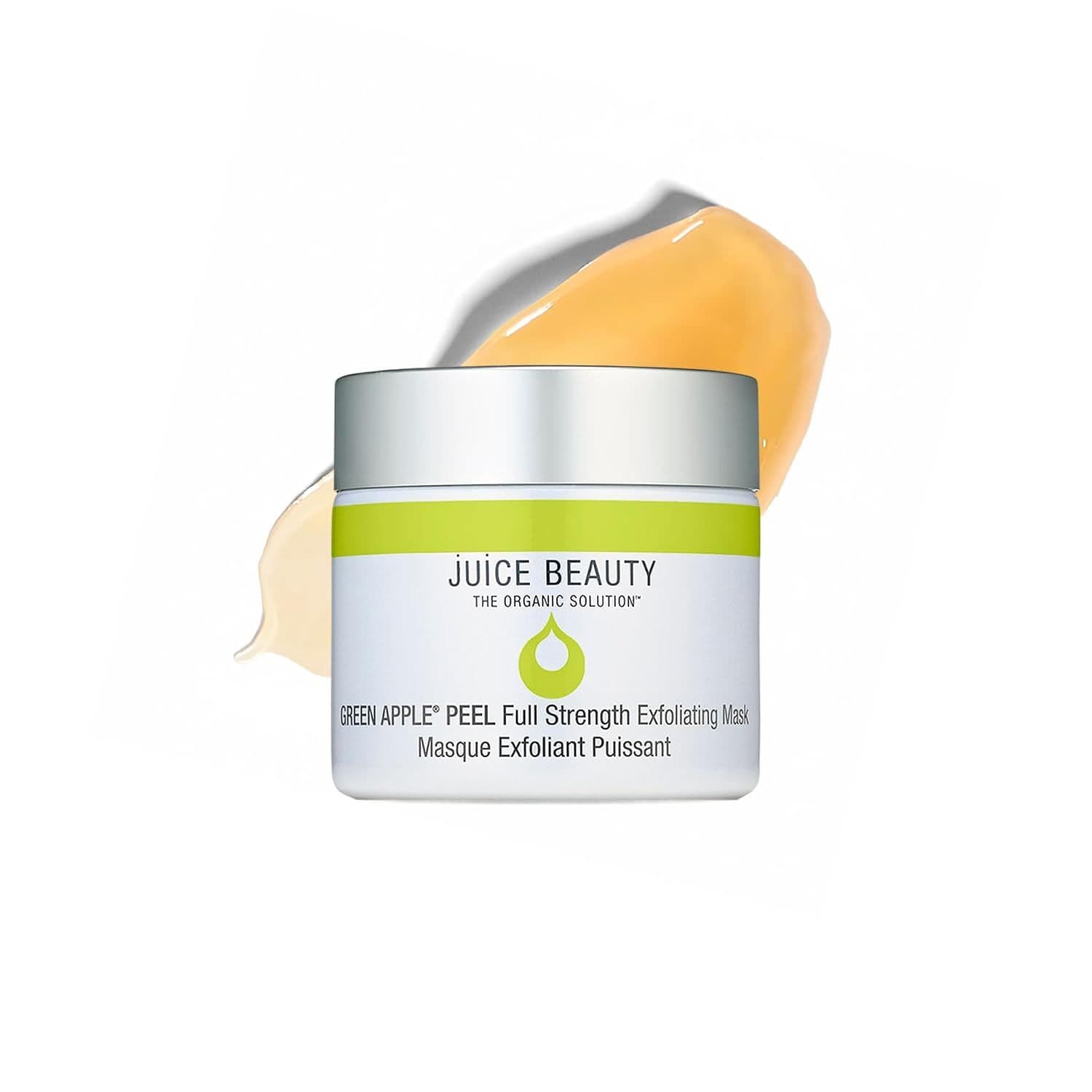
5. Juice Beauty Green Apple Peel Full Strength
Skin letters: D, E
What's inside and why: Certified organic, with bakuchiol, a plant-derived alternative to retinol. As a full-strength peel, it is not a C pick.
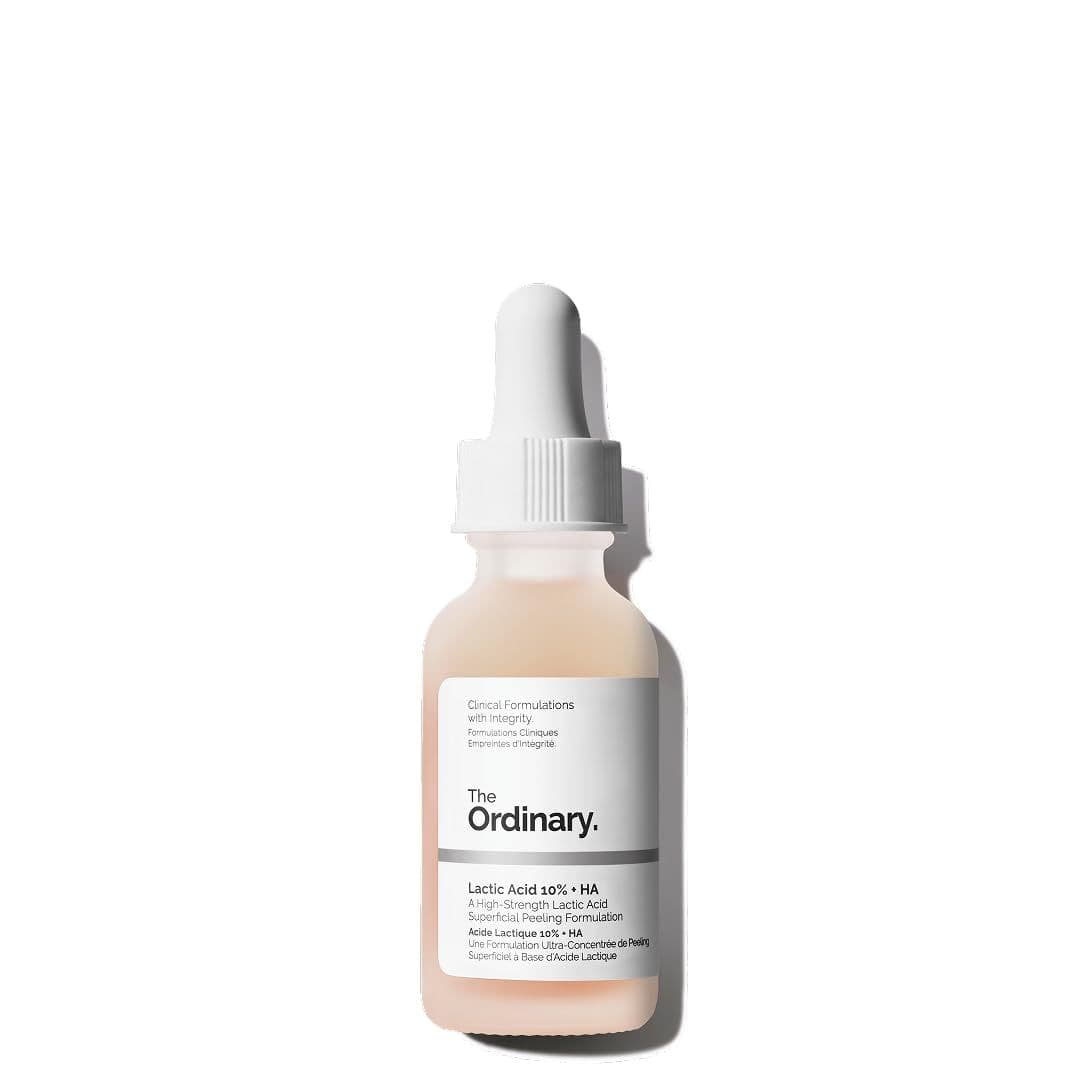
6. The Ordinary Lactic Acid 10% + HA 2%
Skin letters: A, D, E
What's inside and why: 10% lactic acid, a water-soluble AHA that brightens surface dullness, plus 2% hyaluronic acid to hold water in the skin. At 10%, it sits at the top of the standard range, so patch test first.
Patch-test first, then build up slowly.
Texture and Absorption Checklist
Texture decides how a natural face exfoliator performs before any ingredient does. Water-based acids glide and brighten surface texture; oil-based ones sink deeper into pore congestion. Absorption speed matters just as much as grain, so run through these four checks before you buy.
Water-soluble (AHA): Dissolves in water and lifts dull surface cells for a brightening boost. Matches A, D, and E.
Oil-soluble (BHA): Penetrates sebum and clears pore congestion. Matches B and D.
Fine grain size: Finely milled particles keep a gentle face exfoliator safe; coarse grains risk micro-tears and barrier stress.
Natural humectants: Honey, glycerin or sugar hold water, preventing the tight, stripped feeling that follows many scrubs.
The gentlest natural exfoliant for sensitive skin (C) skips grain entirely and keeps contact time short.
Potency and Concentration Guide
Concentration levels decide how much a natural exfoliant can do before it works against your skin barrier. Think of potency as a dial, not a switch. Lower settings suit sensitive skin, while higher ones deliver faster results for resilient complexions.
| Acid | Gentle | Standard | Needs Care |
|---|---|---|---|
| Lactic (AHA) | 5% | 5 to 10% | Above 10% |
| Glycolic (AHA) | Under 5% | 5 to 8% | Above 8% |
| Salicylic (BHA) | 0.5 to 1% | 1 to 2% | Above 2% |
Note on pH: AHAs only exfoliate within roughly pH 3.5 to 4.0 and BHAs near 3.0 to 4.0. A 10% lactic acid formulated outside that range does less than a well-formulated 5%. Brands publishing their pH signal careful formulation.
Format changes intensity too. Wash-off enzymatic masks sit on the skin for five to fifteen minutes. Leave-on liquid exfoliants stay active for hours and penetrate deeper.
What to Avoid in a Natural Face Exfoliator
Natural formulas still require careful label reading to protect your skin barrier and the environment. Certain conventional and botanical components carry hidden trade-offs that undermine your routine. Seven ingredients are worth checking for on every label.
• Polyethylene Microbeads
Concern: Environmental toxicity and pollution.
These synthetic plastic spheres are banned in rinse-off cosmetics across the US, UK, and EU due to marine persistence. They still occasionally appear in imported products or older stock formulations.
• Walnut Shell and Apricot Kernel
Concern: Irritant, micro-tears, and barrier disruption.
Crushed shells have jagged irregular edges that create micro-tears in the skin barrier. Look for apricot microspheres instead, which are spherical and smooth. The word matters more than it sounds.
• Fragrance or Parfum
Concern: Sensitization and contact dermatitis.
A single label term can legally conceal dozens of undisclosed aromatic compounds. It remains one of the leading causes of cosmetic contact dermatitis and chronic skin reactivity.
• Essential Oils (Especially Citrus Oils)
Concern: Sensitization and phototoxicity.
Essential oils are natural yet rank among the most frequent sensitizers in skincare. Citrus oils in particular can be phototoxic, compounding sun sensitivity in products that already increase it. Sensitive skin should treat them with the same caution as synthetic fragrance.
• Phthalates
Concern: Endocrine disruption.
These chemical plasticizers are flagged for hormonal disruption risks. They are rarely listed on product labels directly, frequently hiding beneath generic fragrance formulations.
• Alcohol Denat (High on Ingredient List)
Concern: Severe lipid barrier depletion.
When placed near the top of a formula, denatured alcohol strips vital lipids from the skin. Applying it to freshly exfoliated surfaces invites dehydration and chronic redness.
• Coarse Coffee Grounds or Salt
Concern: Mechanical over-abrasion.
While effective for rugged body care, large, rough granules prove far too abrasive for delicate facial tissue. They easily cause surface scratches and acute inflammation.
Start with one exfoliation method, not three, and let your skin respond for two weeks.
Application and Aftercare Maintenance
How you apply a natural face exfoliator matters as much as the formula you choose. Technique and frequency decide whether your skin looks refreshed or irritated, especially for sensitive or acne prone profiles.
Cleanse first. Cleanse thoroughly so the exfoliant reaches dead cells rather than makeup, oil, and surface residue.
Keep pressure minimal. The grain does the work, and pressing harder creates micro-tears on delicate skin.
Use one method for two weeks. Start with a single exfoliant and let your skin respond for two full weeks before adding anything. Stacking an acid toner, a scrub and a peel in the same week is the fastest route to a damaged barrier.
Moisturize damp skin and wear SPF daily. Follow with moisturizer on damp skin, then wear sunscreen daily, since sun sensitivity rises after any exfoliation.
Frequency follows your letter in the skin type table. Beginners start once a week, and even oily skin tops out at 2 to 3 times weekly. Daily exfoliation is almost never necessary.
Post-exfoliation care matters (see our guide and glossary). Follow with a barrier cream or fragrance free moisturizer while skin is still damp. Skip retinol, strong acids and hot showers for 24 hours, and wear sunscreen daily, as sun sensitivity rises after any exfoliation.
How to Choose: Your Skin, Your Ritual
Match the formula to three things: your skin, your available minutes, and the finish you want.
Your skin type sets the limit, so start from your letter in the skin type table.
Then consider time. A finely milled sugar scrub delivers a thirty-second ritual. A fruit enzyme mask asks for five minutes and a calm pause. Neither is superior; they simply fit different mornings inside a skincare routine.
Finally, name your finish. Dewy hydration points to lactic acid or raw honey. Matte clarity points to BHA toners and charcoal.
Choose the one you will repeat weekly, not the strongest available.
Frequently Asked Questions
Key Takeaways
Tight is not clean, it is damage. That stripped feeling means the grains were too coarse, the acid too strong, or you did it too often. A good exfoliant leaves skin soft, not squeaking.
AHA targets dullness while BHA clears congestion. Water-soluble AHAs brighten surface cells, whereas oil-soluble BHA travels into pores. They serve distinct purposes and are not interchangeable.
Walnut shell and fragrance are best avoided entirely. Jagged nut shells cause microscopic tears across delicate tissue, while added fragrance remains a primary trigger for sensitization.
Introduce one single method for two full weeks. Testing multiple active formulas at once overwhelms the barrier. Give your skin fourteen days to respond before adjusting your routine.
Daily SPF is a non-negotiable part of the routine. Freshly exfoliated skin faces heightened UV sensitivity. Sunscreen protects the delicate new cells from accelerated sun damage.
Start at your letter's frequency, watch how your skin responds, and adjust slowly. For complementary cleansers, moisturizers, and barrier-supporting rituals, explore the Holisteek Shop and our Guide & Glossary.
Más inspiración para tu bienestar
Únete a nuestra comunidad de buscadores. Cada dos semanas, novedades sobre ciencia holística, vida sostenible y joyas ocultas del bienestar.

Camila Rios
Nutrition journalist and recovery-focused writer translating complex studies into clear guidance on food, hormones, energy, and daily resilience.
Artículos relacionados
Best Natural Face Cleanser: 4 Formulas for Sensitive, Oily, and Dry Skin, Starting Under $10
Restless Nights, Sore Muscles, Sensitive Skin: The Best Magnesium Lotion for Each
Best Rosemary Oil for Hair Growth: 3 Formulations for Dilution, Scalp Use, and What the Research Shows
Your Toothpaste and Mouthwash Are Killing Bacteria You Actually Need: How to Choose the Best Natural Toothpaste
Best Luxury Skincare for Sensitive Skin: How to Build a Gentle, High-Quality Routine